Iron Man Review: The Groundbreaking MCU Classic
Introduction (Warning Contains Spoilers)
With an extended version of Avengers: Endgame arriving in cinemas this September, Marvel is once again attracting huge attention.
Avengers: Doomsday is also scheduled to arrive in December, making this a perfect time for an MCU rewatch.
We have decided to revisit the Marvel films in chronological order.
Our journey now takes us back to 2008 and the film that started everything.
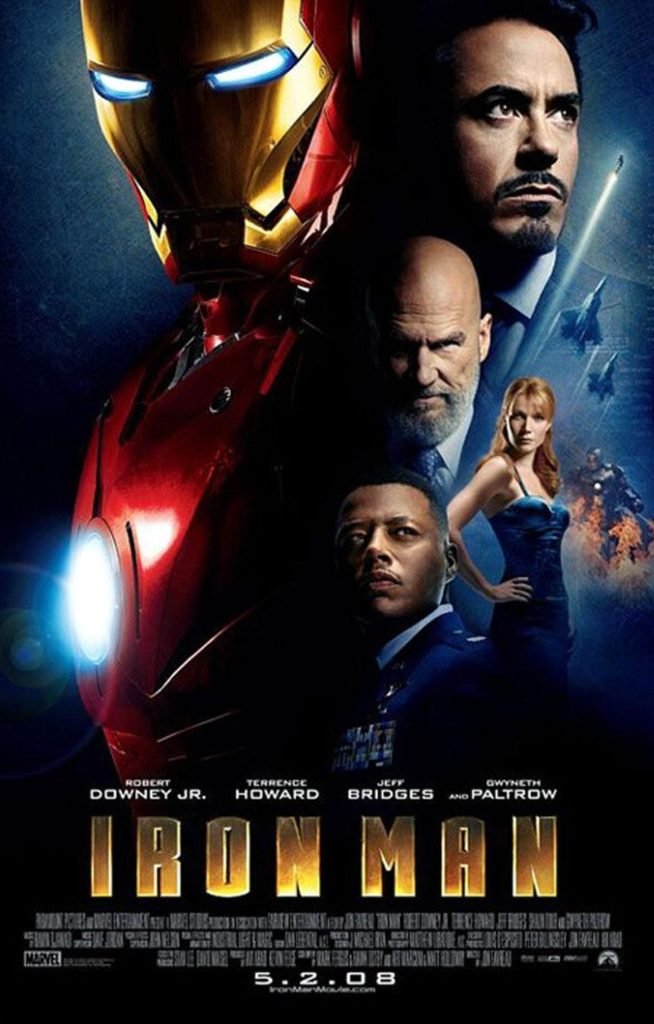
Iron Man was released in 2008 and became the first film in the Marvel Cinematic Universe.
Directed by Jon Favreau, the movie brought audiences Robert Downey Jr. as Tony Stark.
Other members of the cast are Gwyneth Paltrow, Jeff Bridges, Terrence Howard and Shaun Toub.
The story revolves around Tony Stark, a weapons manufacturing businessman and a billionaire.
Tony Stark is not only an extremely talented engineer but also an egotistical and lavish individual.
While displaying his new invention in Afghanistan, Stark’s convoy comes under attack. He gets critically wounded with shrapnel and captured by a terrorist group called the Ten Rings.
This group orders him to manufacture an extremely dangerous weapon for them. Instead of doing this, Stark creates a crude armored suit.
The suit enables him to get free from imprisonment and alter the course of his life.
Upon getting back home, Stark makes up his mind to reassess his association with the weapons manufacturing industry.
Thus, he starts creating more sophisticated suits and becomes Iron Man.
In theory, it seems that the plot of the movie follows a standard pattern for a superhero origin.
But the reality is that Iron Man feels completely unique compared to other superhero movies made before.
There is sci-fi, action, comedy, and character-based drama.
But most importantly, the movie revolves around Tony Stark and not just his superhero persona. And this was key to the success of the movie.
Iron Man gave birth to the MCU franchise and established its framework. Today, the more relevant question is not whether the movie is good or not.
It is whether the film still works as a standalone movie.
More importantly, does it still deserve the reputation of being the film that started Marvel’s cinematic empire?
Direction
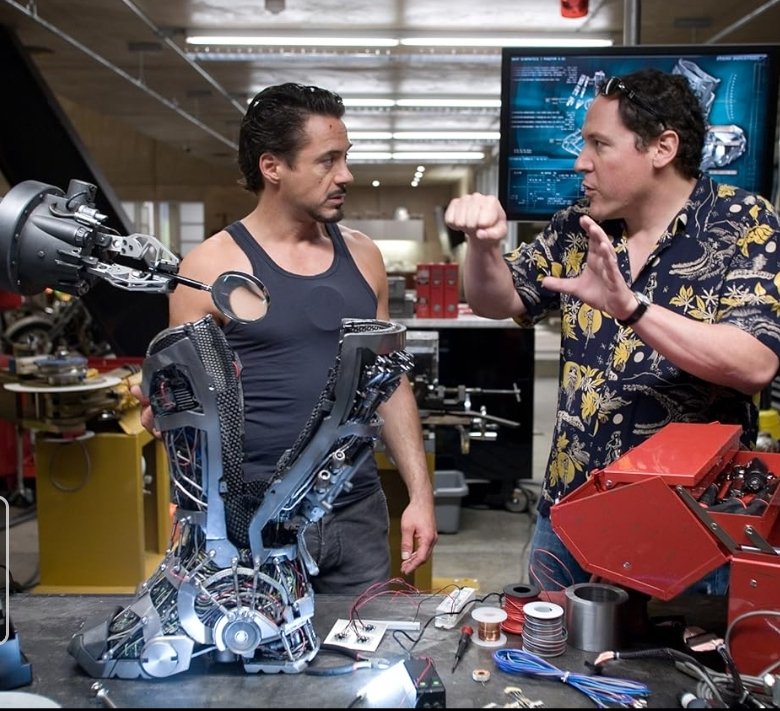
Directing Iron Man was not an easy job for Jon Favreau. It was because Marvel Studios was trying to create something which had never been created before.
They were trying to have individual movies of superheroes who could be later linked together somehow.
There were no guarantees that people would like this format.
That is why Favreau had to make sure that his movie works on its own. He also had to create a world which could sustain other stories in the future.
His method of doing this was to focus on character development extensively. Rather than having Tony Stark change very quickly, the movie lets us know who he is first.
Tony starts off as a cocky and irresponsible multi-millionaire. He likes his money and considers his weapons company to be his pride and joy.
The movie finds it amusing while not necessarily agreeing with everything about it. Tony is funny and confident, which makes him likable.
His conceit allows for considerable room for growth for the character as well.
The direction is most effective once Tony is captured. The world narrows and becomes more personal.
Tony must come face to face with the ramifications of the technology he has developed. This adds an emotional base to his superhero origin.
The movie also resists the temptation to make Tony’s change happen immediately. He does not merely make a suit and become Iron Man.
We see him try, fail, and learn from his mistakes. This makes the technology believable. Favreau also adds humor to the movie.
A lot of the humor is drawn from the characteristics of Tony Stark, not made up jokes. This makes the humor fit into the character more.
The director lets scenes play out and breathes. It does not rush to an action scene all the time.
That decision is particularly noticeable when compared with some later superhero blockbusters.
On the other hand, the movie does have some flaws. The last part of the movie turns out to be rather conventional as compared to the first few parts.
The story about personal characters transforms into the story about superheroes. The transition is quite understandable but not unique.
Moreover, the villain gets less screen time than Tony. It leads to an uneven balance between the hero and his antagonist.
However, in spite of the problems mentioned above, the directorship of Favreau is one of the strongest parts of the movie.
He knew that in order for the spectators to be interested in Iron Man, they first had to feel sympathy for Tony Stark.
This was a factor that influenced the whole MCU.
Cinematography
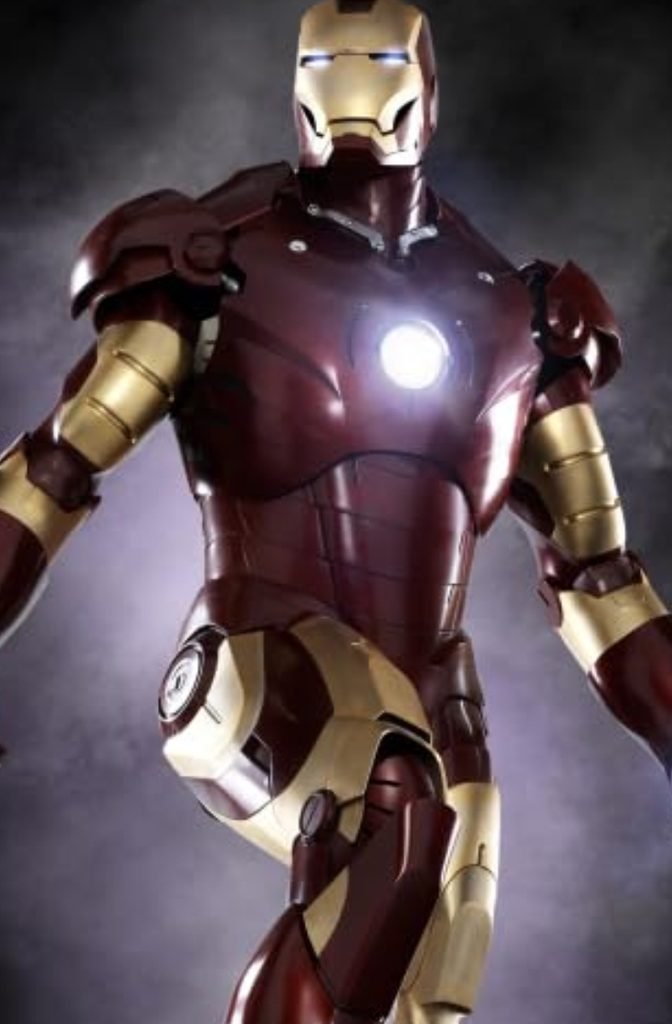
The cinematography by Matthew Libatique gives Iron Man a distinct visual style. This movie is not like the usual comic book movie.
In fact, it blends realism with advanced technology. For instance, the scenes from Afghanistan at the beginning of the movie appear gritty.
It assists in creating the dangerous atmosphere surrounding Tony’s weapons dealing.
The settings also work well to contrast with the lavish lifestyle of Tony Stark.
The Malibu house of Tony is all fancy and flashy. This contrast further highlights Tony’s privileged nature.
Furthermore, the movie makes great use of natural light. Most scenes have an authentic feel to them rather than an artificial one.
This makes the technology seem more realistic. The cinematography gets really intense especially during the action scenes.
Tony Stark’s Iron Man suit is shot at dynamic angles. These angles convey the magnitude of Tony’s enhanced powers.
Nonetheless, cinematography is rather conservative in the movie. Visual effects do not dominate the viewing experience.
This ensures that the technology seems integrated into the environment. The scenes at the workshop are rather successful.
Laboratory of Tony represents him. All actions that occur there are filmed from the camera’s point of view.
This allows the viewer to get an understanding of the way Tony thinks. Suit itself turns into a character.
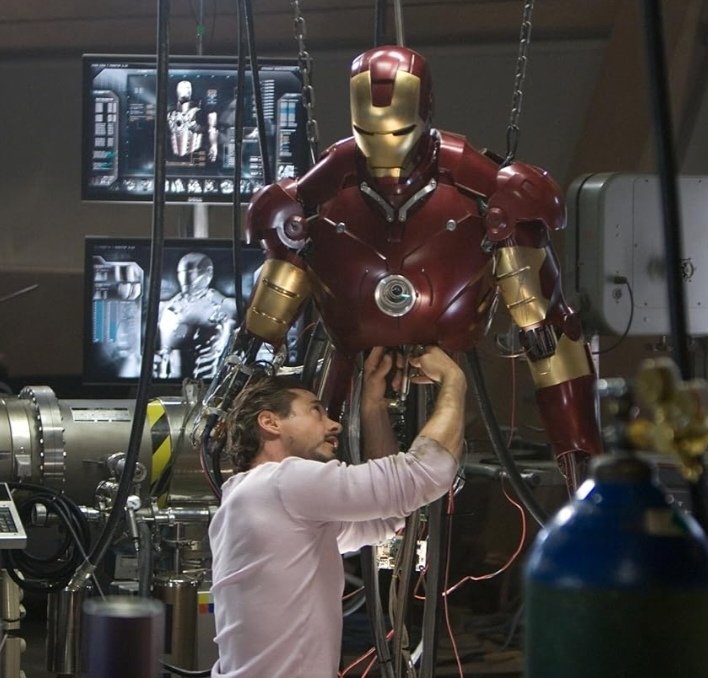
Its evolution can be traced through complex designs. The cinematography makes those changes believable.
The film also gains from the use of real-world locations. The world is realistic and not entirely computer-generated.
It is especially important in a superhero story which revolves around advanced technology.
The blend of both realism and showmanship is truly commendable. There are times when the age of the film shows

There are moments when the film’s age becomes visible. Some visual choices now feel slightly dated.
However, the cinematography itself remains remarkably effective. It helped establish the grounded visual approach that influenced several later MCU films.
Visual Effects
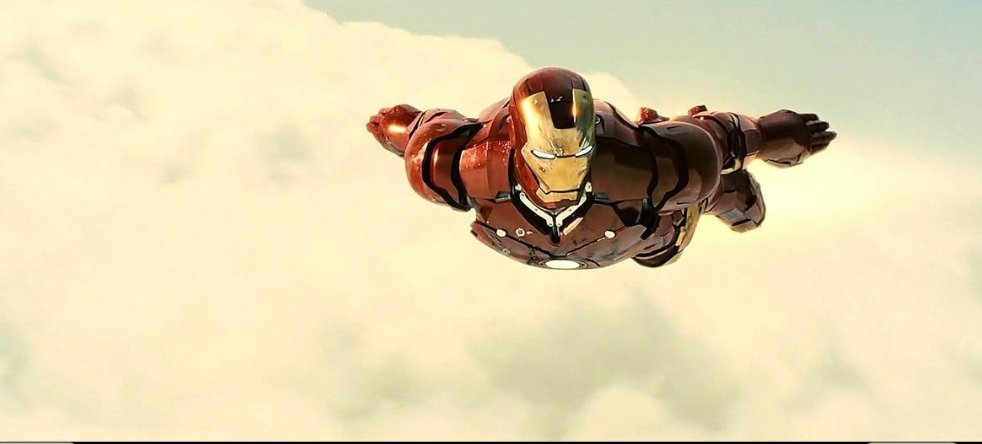
Visual effects had been considered one of the main technical difficulties in making an Iron Man movie.
There was a need to create a convincing mechanical suit. They also needed the armor to interact realistically with Robert Downey Jr.
The result was quite successful for 2008. The first suit, known as the Mark I suit, is quite impressive.
It feels bulky and mechanical. This type of design made sense considering how Tony created the suit.
The suits that came after became more sleek and polished. The effects therefore serve both the story and the character.
The movie utilizes both computer graphics and practical armour elements. It makes for a stronger sense of realism.
Downey interacts with practical elements in many scenes. It helps avoid making the suit fully digital.
The flying scenes need a lot more CGI. Some scenes have inevitably dated. Some backgrounds and special effects are more evident today.
Certain backgrounds and effects are more obvious today. However, the film’s strongest visual effects remain convincing.
The technology feels physical rather than magical. That distinction is important. Iron Man is a superhero, but his abilities are based on engineering.
The visual effects therefore need to convince us that the suit could function. The film generally achieves that illusion.
The arc reactor effects are also simple but effective. They create Tony’s technology without taking away from the story.
The last battle has a lot more CGI in it. This is where the effects fall a bit flat. The Iron Monger armor is big and intimidating.
But, there is some movement that looks a little fake at times. It also relies more on digital effects than before.
This takes away from some of the physicality created earlier. However, the effects still work well together.
The filmmakers clearly understood that CGI should enhance the technology. It should not completely replace physical filmmaking.
For a film released in 2008, the visual effects remain an impressive achievement. More importantly, they continue to serve the story effectively.
Themes and Storyline
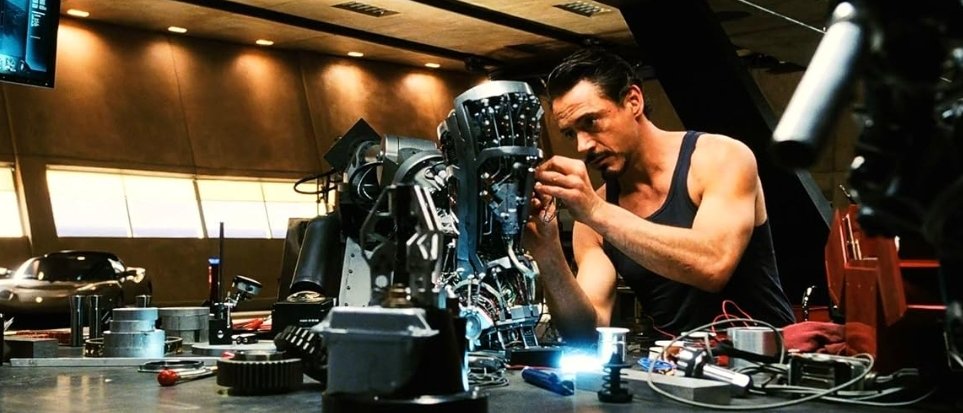
Responsibility is definitely the most prominent theme in Iron Man. Tony Stark initially sees his weapons as mere goods at the start of the movie.
He never thinks about what happens to them after he sells them. His kidnapping makes him face the facts.
He finds out that weapons with his company’s logo are being used to hurt harmless individuals. It makes him rethink his business attitude.
Tony realizes that he should no longer manufacture weapons. This becomes the basis of his transformation.
The movie has thus converted the classic superhero origin tale into one of accountability.
Tony does not become a superhero due to a sudden perfection of morals. His path starts from an understanding of the damage he has done.
This makes him more compelling.
Redemption is another important theme. Tony cannot reverse everything that he has done. What Tony can do is decide how he should act next.
The Iron Man suit symbolizes the change itself. Once, Tony was responsible for making weapons for money. Now he makes armors for the sake of protecting people.
This is a straightforward yet powerful change. In addition to this, Tony’s attitude towards technology is examined in the movie.
He is a genius and he thinks that any problem can be solved using engineering. His confidence is a double-edged sword.
His relationship with his father is also discussed in the movie. The shadow of Howard Stark looms over Tony.
At first, Tony faces trouble with his inheritance. His character interaction with Obadiah Stane adds to this concept.
Obadiah Stane portrays the older model of the Stark universe. Weapons, profit, and corporate power are important to him.
Ultimately, Tony takes the complete opposite path. The plot is very successful in the first two acts.
Capture and transformation of Tony make for the best content.
His return home creates an interesting time of uncertainty for him.
He knows that his life will never be the same again. But he does not know yet what he wants to become.
The movie gives this process enough time to evolve slowly. That’s why the story remains satisfying.
There is a direct correlation between Tony’s emotional evolution and his suit’s evolution.
But the plot loses its edge when the central conflict becomes clear. Obadiah Stane’s betrayal is not a hard plot point to guess.
Obadiah Stane is an effective character but he is fairly transparent. Hence, the last conflict appears more predictable compared to the other acts.
This could be one of the film’s greatest storytelling flaws. The first two acts seem like a character study.
While the last act seems like a typical superhero film. The contrast is noticeable.
However, it does not completely undermine the film. The emotional journey has already been established.
The audience understands why Tony’s actions matter.
Performances
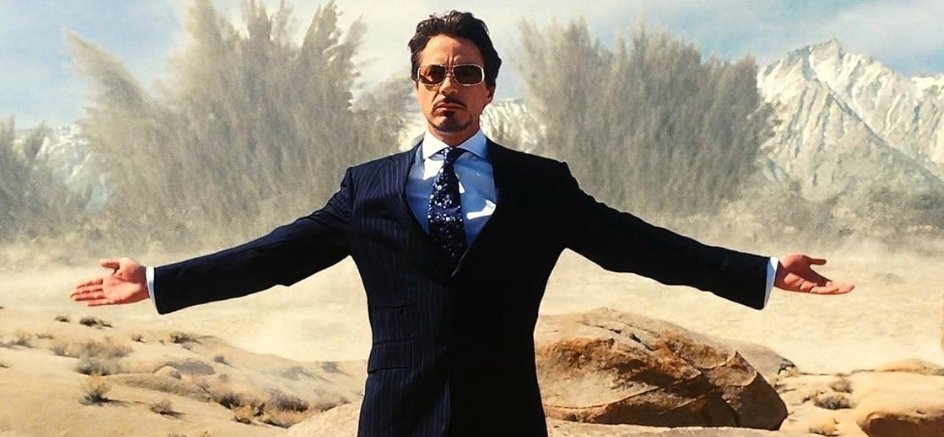
Robert Downey Jr. delivers the performance that sells Iron Man. It is hard to think of another actor who could make Tony Stark as unique as he does.
Downey Jr. brings charm, wit, and confidence to his role. He is also well aware of the arrogance of Tony.
Tony is not necessarily a very pleasant individual. Downey Jr. makes no effort to downplay that trait of Tony’s.
However, he manages to make Tony entertaining enough to keep the viewers interested.
He also has great chemistry with the actors who support him. Tony’s dialogues are always spontaneous.
This adds to the energy of the movie. Downey can also act in scenes which require emotion. The scenes after his capture are full of emotions.
It is true because Tony understands the truth about the weapons due to his vulnerability. The transformation becomes more personal than physical in this way.

Gwyneth Paltrow adds warmth and intelligence to Pepper Potts. Pepper isn’t just present for Tony to look at.
She is usually the one who keeps Tony’s life in order. Paltrow is able to establish believable chemistry between herself and Downey. Their relationship develops in a natural way.
Terrence Howard portrays James Rhodes convincingly. Rhodey is one of those people that keep Tony grounded.
He is one of the few people who can confront Tony. Howard gives the character authority without making him overly serious.
Jeff Bridges gives Stane enough charm to make the character believable. However, the villain is ultimately less interesting than Tony.
The script does not give Bridges as much complexity as his performance could support.
Shaun Toub also makes an important impression as Yinsen. His relationship with Tony is crucial to the early story. Yinsen teaches Tony about the results of his way of life.
Leslie Bibb does well in her part as journalist Christine Everhart.
This is a much smaller role but helps create Tony’s public image.
Performances overall can be considered among the best aspects of the movie. Of course, Downey’s performance is the best. Yet the supporting actors add realism to the plot.
What Worked and What Did Not
There are a lot of things that work incredibly well in Iron Man. First of all, there is the success of Robert Downey Jr.
His acting defines the character of Tony Stark. The other success is that the movie takes its time to build up Tony.
The transition does not seem to be done automatically. The technology is also a great success in the movie. It looks mechanical and realistic.
The visual effects go hand-in-hand with the practical elements.
The first suit of Iron Man is impressive.
The humor in the movie works well too.
All the jokes come quite naturally from Tony’s personality. It helps keep the comedy in check.
Responsibility and redemption are quite good themes too.
Tony’s metamorphosis has an emotional reason behind it. He is not turning into a superhero just like that.
He wants to turn into a better human being.
The supporting actors are excellent as well.
Paltrow, Howard, Bridges and Toub all help in Tony’s development.
The visual aspects of the movie are superb.
The director Matthew Libatique gives reality to the superhero tale.
It helps in making the technological aspects credible.
The main flaw of the movie is the villain.
Obadiah Stane is adequate but not memorable.
Jeff Bridges does a good job but the character could have been improved.
Moreover, the final confrontation itself appears to be somewhat disappointing when compared to the other parts of the film.
There is an increasing reliance on computer-generated imagery. The physical nature of the scenes prior to that one gets diminished.
The actions themselves appear to be less emotionally charged. Another minor drawback is the rapidity of Tony’s transformation.
In fact, Tony changes his mind quite fast. The justification for it is well developed in the film.
However, there could have been some more time allocated for Tony’s redemption process.
Even with these criticisms, the positive aspects of the film far outweigh the negatives.
The film has an identity. It also knows exactly what makes Tony Stark intriguing.
This is something that quite a number of subsequent superhero films often find difficulty in doing.
The film is not just about Iron Man. It is about Tony Stark learning what Iron Man stands for.
Overall Verdict
Iron Man is arguably still one of the most significant films in the world of superhero movies today.
It has done well to introduce Tony Stark in a way that builds the base for the MCU.
It also provides one of Robert Downey Jr.’s best performances in his career.
Director Jon Favreau directs this film in a manner that makes it down-to-earth and character-based, which is evident in the humor of the movie as well.
The cinematography of Matthew Libatique ensures that the movie has its own visual style.
The special effects of the film are also commendable for its time in 2008.
The issues of responsibility and redemption provide a substance to the storyline of the superhero movie.
The key flaws lie in the predictable villain and the somewhat underwhelming final fight.
But that does not detract much from the movie’s overall impression. Iron Man is still enjoyable due to the simple fact that its best feature is its characters.
Tony Stark is complex, humorous, selfish, and incredibly flawed. It is entertaining to see him turn into Iron Man since the armor means more than just technology.
It is a symbol of Tony taking control of his decisions.
Therefore, Iron Man is more than just the start of the Marvel Universe. It is still one of Marvel’s strongest standalone origin stories.