
The Fast And The Furious 4DX Review
©Universal Pictures 2026
Introduction
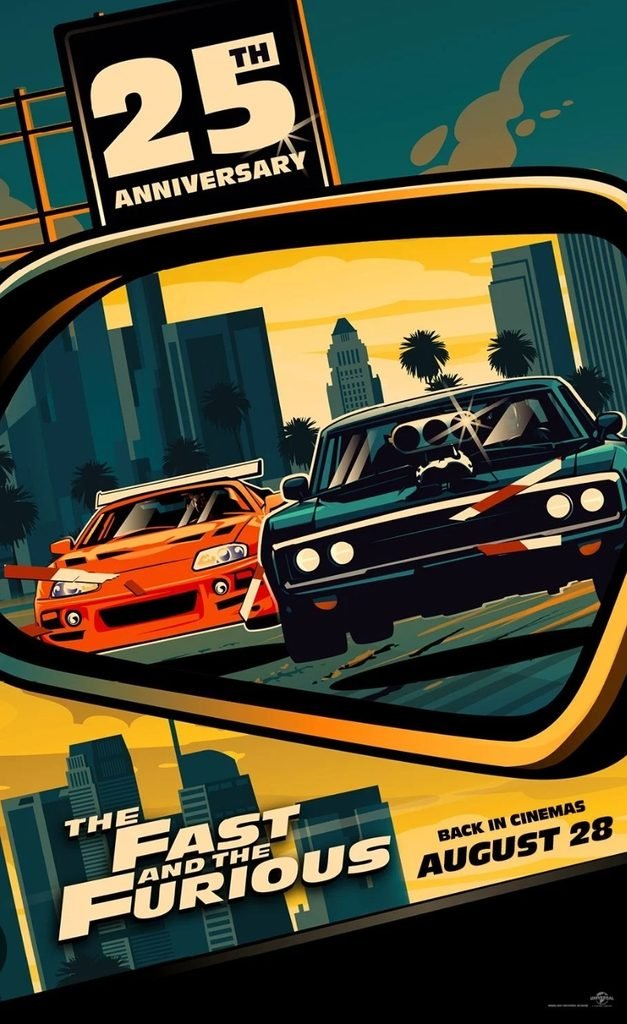
25 years after its initial release, The Fast and the Furious makes a comeback into cinemas. The movie makes a return as part of its 25th-anniversary celebration.
It has been brought back into cinemas by Universal Studios across the UK from 28 August 2026.
For its fans, it is a chance to see the movie which created one of the greatest movie franchises of all time.
There is another reason why one needs to go back this time. The film is being screened in a very immersive way – via the 4DX format.
This makes the anniversary screening very interesting for a film centered on speed, movement, and cars.
You’s film was not all about the fast cars. It was about the experience of driving such fast cars.
It was about the culture surrounding such fast cars and the people who got hooked on to that world.
After 25 years, 4DX offers another way to create that feeling. The real challenge is whether the technology actually enhances Cohen’s films.
Can it make the race sequences more immersive without getting in the way of the story? Even more crucially, can a film we’ve seen so many times still seem new?
Returning to Where It All Began
©Universal Pictures
Returning to the start of the franchise 25 years later is something unique. The Fast and the Furious is the cornerstone of huge cinematic mythology now.
Further films became more ambitious, grandiose and sometimes ridiculous. However, the original is much more realistic.
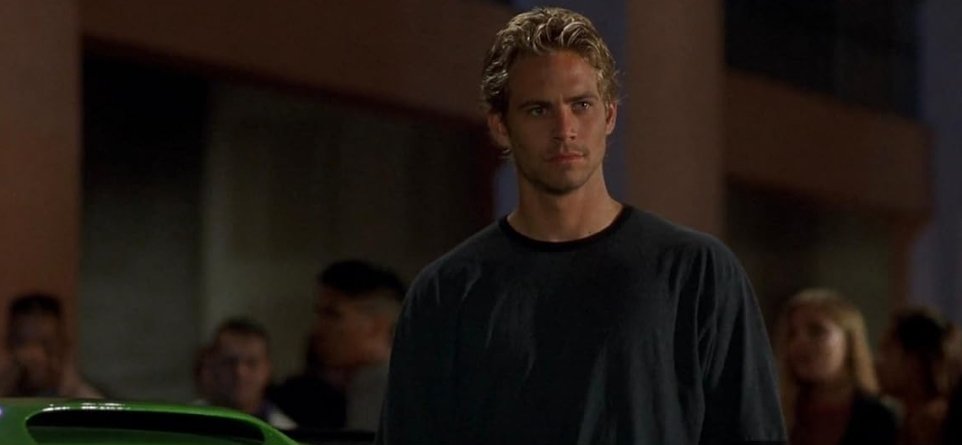
This is a film about street racing, friendship, loyalty, family and finding yourself. The key figure in it is Brian O’Conner portrayed by Paul Walker.
Brian comes to the world of Dom Toretto (Vin Diesel) as a police officer. What starts as an inquiry eventually turns into much more complex thing.
He gets intrigued by the individuals he needs to investigate. He is also getting more and more attracted to the world of car racing which surrounds Dom.
This is one of the most powerful components in the original movie. This provides the racing show with an emotional background.
The cars do play an important role, but relationships make people care for the drivers of the vehicles.
And that is especially true if one watches the movie using 4DX technology. The technology makes the cars become more tangible.
But the plot should provide those cars with some sense. Luckily, this is something that Cohen’s movie appreciates.
The races define the personalities of the characters as much as they entertain. Speed becomes a symbol of their identities.
It is a sign of freedom, of confidence, of danger and of belonging. This becomes clear especially when you physically watch the racing scenes.
When Rob Cohen’s Direction Meets 4DX
© Universal Pictures
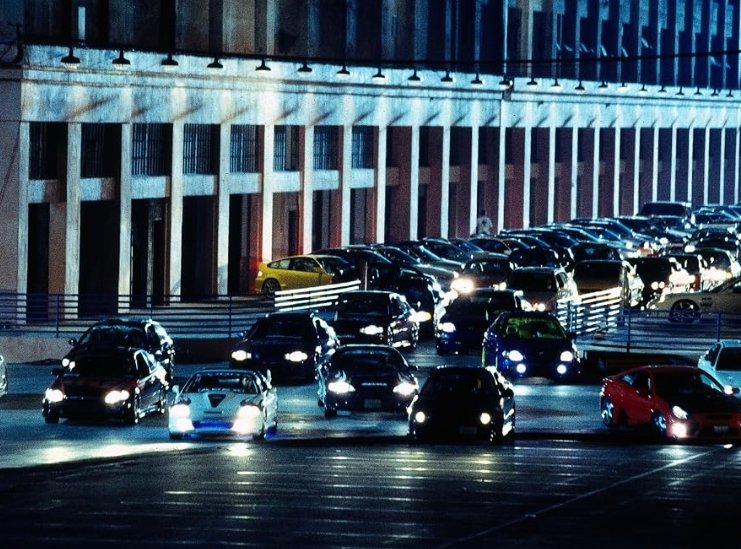
Before discussing the benefits of 4DX, it is necessary to review the original vision of Cohen. The director wanted his viewers to feel the feeling of great speed.
In particular, special methods were used to present the cars in dynamic shots. It was about bringing the viewers closer to the process of racing at extreme speeds.
According to Universal Studios, the original movie was centered on the theme of great speed and placing the viewers into the driver’s seat.
And this makes 4DX a really interesting fit for Cohen’s filmmaking style.
The technology is not about creating a new idea which is absent from the original.
It is about exaggerating an effect which Cohen was already pursuing.
In 4DX, you have moving chairs and special effects connected with action on screen. Your chair can tilt, roll, pitch, and shake according to the action.
Other special effects may include wind, water, fog, lights, and smells. And what you get is the experience of watching which involves more than just watching the screen.
Your body is now a part of the performance. And this can be especially useful in the case of filmmaking where movement is the key.
In Cohen’s films, cameras put us close to the cars. Wheels spinning, engines humming, and cars speeding along through the streets.
The 4DX experience adds a physical element to those visuals. You watch the car travel across the screen. And then you feel the movement in your seat.
The link gives a more real feel to the race sequences. It could also change the way you view Cohen’s directing skills.
You get to understand the amount of effort that has gone into planning the action. The camera shots suddenly take a different meaning based on your physical experience.
Every turn shown on screen will have a matching move under you. An acceleration will suddenly seem very intense.
It seems the technology has completed what Cohen had started 25 years ago. This is when 4DX goes beyond being a gimmick.
This is when it becomes part of the filmmaking process.
The First Race
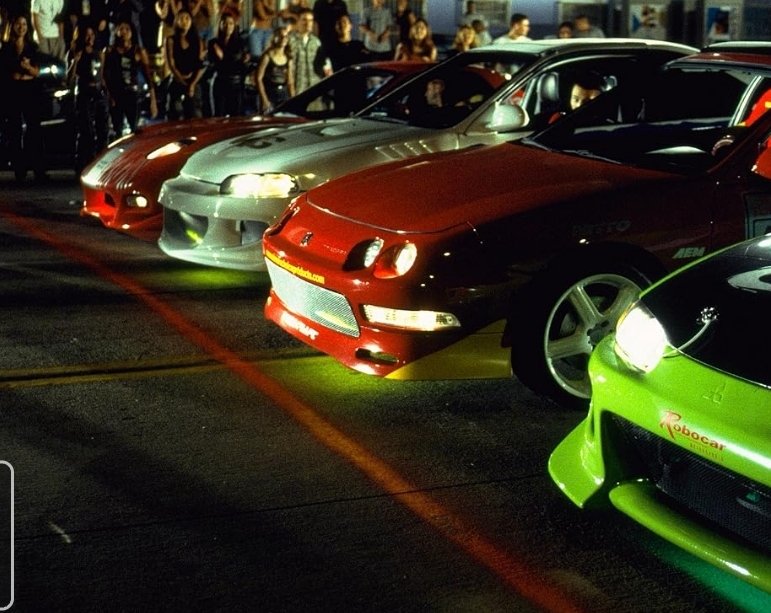
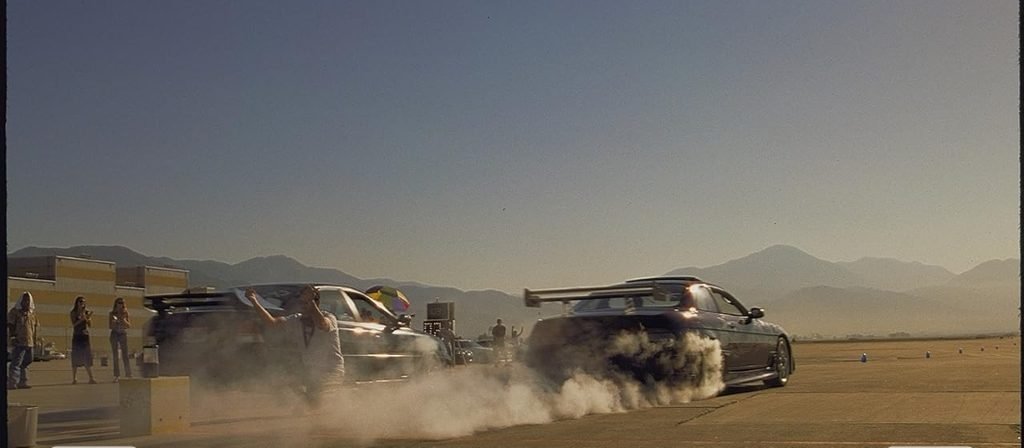
The first big race gives you a clue about the kind of experience it will be. Once the cars start racing, you can instantly feel the motion through the seat.
The chair reacts to the motion and not just stays stationary. The chairs move along with the racing cars as they start moving.
It is indeed a very bumpy ride. But for me personally, this motion made the whole experience even more real.
Instead of taking me away from the experience, it brought me closer to the experience. Sometimes it really felt like I was sitting inside the car of Brian.
This is key because being immersed in what you see is an important goal of 4DX.
The whole point of 4DX is to create more engagement between the viewers and what they are seeing.
Cineworld talks about 4DX in terms of creating a connection through motion and effects.
It is entirely fitting that this happens when the racing scenes start. The motion that occurs is not random.
It reacts to the motion and behavior of the cars on screen. As such, there is a physical connection between the viewer and the content.
While watching the film, your body moves in response to it. This is why it is so effective.
It is also rather fitting that this film gets such an experience. Not only do cars play a role in the film, but they play an important role in its essence.
Audience is expected to appreciate the allure of speed. 4DX gives you an opportunity to get a small taste of the excitement physically.
For some time, you are not only observing Brian as he races. You feel like you are racing with him. It is precisely what justifies the format.
A Rollercoaster on Four Wheels
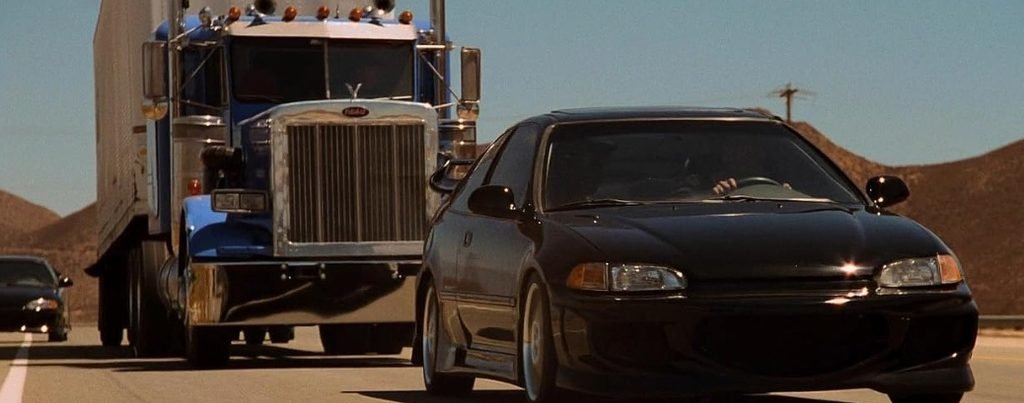
As the first race sets up the experience, the motorway chase pushes it even further. This particular scene really shows how physical 4DX can be during major action sequences.
The cars are racing fast and the seats are moving along with them. It actually feels a bit like riding a rollercoaster ride.
There is a feeling of movement that would not be possible on any standard cinema seat. The cars go faster and change direction.
The seats move accordingly. It all seems to be much more physical now. You know you are safely sitting down in the cinema.
Nevertheless, your body reacts as if you were racing together with the cars. It creates a unique bond between the screen and the audience.
The effects on screen are the spectacle. The movement is the physical sensation. It creates an effect which is much more immersive together.
This is especially so because of the format which fits this directing very well.
The director wants to convey the speed.
4DX gives an additional level to this intention.
Motorway scene demonstrates how rapidly the technology can increase the tension.
You can predict the turn visually.
You can also predict the movement by feeling it through the seat.
It makes the scene much more real for the viewer.
It gives a feeling of a rollercoaster ride without even getting out of the cinema seat.
There is a significant difference between making the action scene noisier and making it immersive.
In some cases, 4DX manages to do the latter. The physical effects become a part of the scene’s rhythm.
They react on the acceleration, movement and impact. It makes the viewer involved into the action, rather than entertained by it.
It is totally appropriate to the movie about speed addicts.
Does 4DX Distract From the Story?
The greatest challenge for 4DX is the possibility of distraction. There is much going on around you.
The seats move, shake, and tilt while the action takes place. Other effects may be seen as well depending on the sequence.
That is quite possible. When everything happens all the time, the plot can lose its importance.
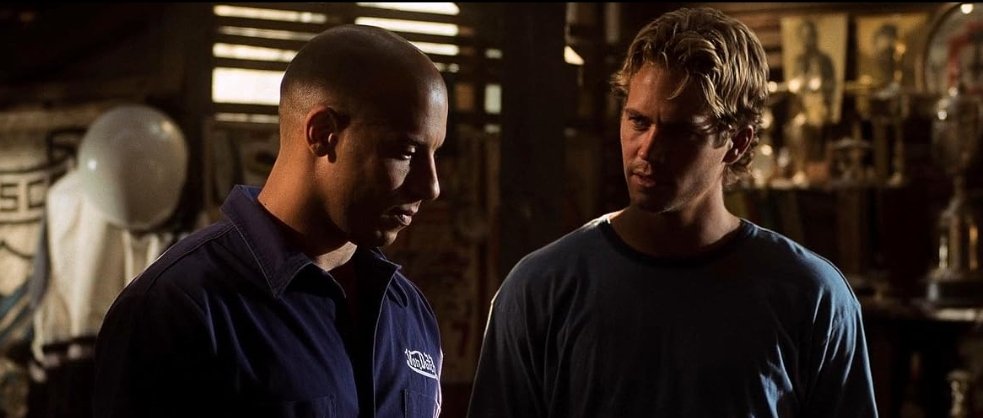
Luckily enough, The Fast and the Furious is not like that. There is much less action, and many character-driven scenes occur in it.
In these cases, the seats do not move. This is of utmost importance. You have the possibility to think about the story.
You have a chance to pay attention to Brian’s investigation. You have an opportunity to observe Brian’s growing connection with Dom.
You will not be distracted by the physical aspects of the characters in the movie. This gives you the balance needed to make the experience even better.
The movement comes into play only when it is required by the story. The stillness happens once again when it is time to watch the story.
There is an implication here for the use of 4DX. The technology is meant to know when to take a backseat.
It would have been very distracting if this was my very first 4DX experience.
Going into the movies without any expectations can be a shock to the system. Having the seats moving all of a sudden can really get to you.
But once you realize how the technology works, then you learn how to adapt. You see how the movement serves some purpose.
The experience is no longer about the technology. Rather, it is about how the technology reacts to the movie.
Understanding the Characters Through Speed
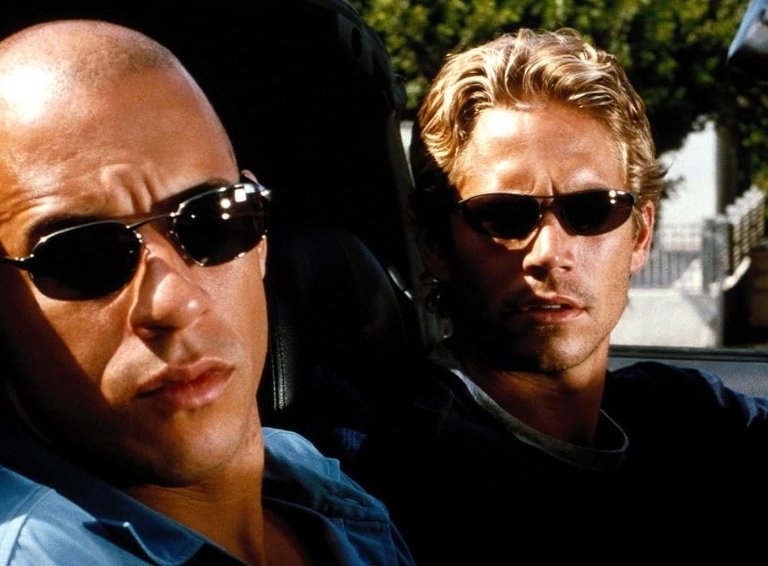
There is yet another surprising advantage of watching the racing scenes this way. 4DX allows us to comprehend the characters better.
On the surface, their infatuation with the cars and the speed seems quite exaggerated. Why would anyone take such risks for a street race?
Why is it so important to win? Why do they expose themselves to all these dangers?
Physicality plays an important role here. As soon as the cars start moving, you feel the excitement.
As soon as they turn, you feel the motion. As the race gets more intense, the whole experience becomes more physical.
For a little while, you see the reason behind it all. You get to know why Brian becomes so obsessed with this world.
You will know why Dom’s identity and his car are so intertwined.
Speed takes on a new meaning, one that is experienced rather than witnessed. That gives characterisation yet another dimension.
The cars are not just fancy vehicles anymore. They stand for freedom and identity. They stand for control as well.
Driving is closely related to the identity of Dom. For Brian, it is about his exploration of a world that he is unfamiliar with.
4DX is incapable of creating characters all by itself. But it can enhance the existing emotional significance of certain scenes.
That is quite an accomplishment for the cinematic technique. It is not about making things more grandiose.
Sometimes, it makes them more meaningful.
Why 4DX Suits Some Films More Than Others
The success of this particular screening raises another question about 4DX as well. Not all movies will have the same advantage of the physical effects.
There are some genres that suit it better than others. The examples of this genre include action movies.
Races provide movement which will easily turn into the seat movement. Flights give an opportunity for turbulence and changes of directions.
Horror movies can take advantage of the sudden movements in order to create suspense. Storms can make use of winds and water.
Cineworld mentions action-adventure movies as a good example for it. This is precisely why the technology will be extremely successful whenever the production has any movement in it.
The opposite can also apply.
If the film is quiet and based on characters, then it does not necessarily need any physical interventions.
The movement might even work against the performances of the actors. It might take away attention from conversations and emotion.
That is why proper programming is crucial. 4DX must know how to program its effects depending on the rhythm of the movie.
It must know when it has to affect the physical senses of the viewers and when it does not have to do anything and simply allow the viewers to watch.
For The Fast and the Furious, this balance is unexpectedly natural. There is enough movement for 4DX to use.
There is also enough calm moments so that there is no sensory overload.
The Growing Cinema Experience
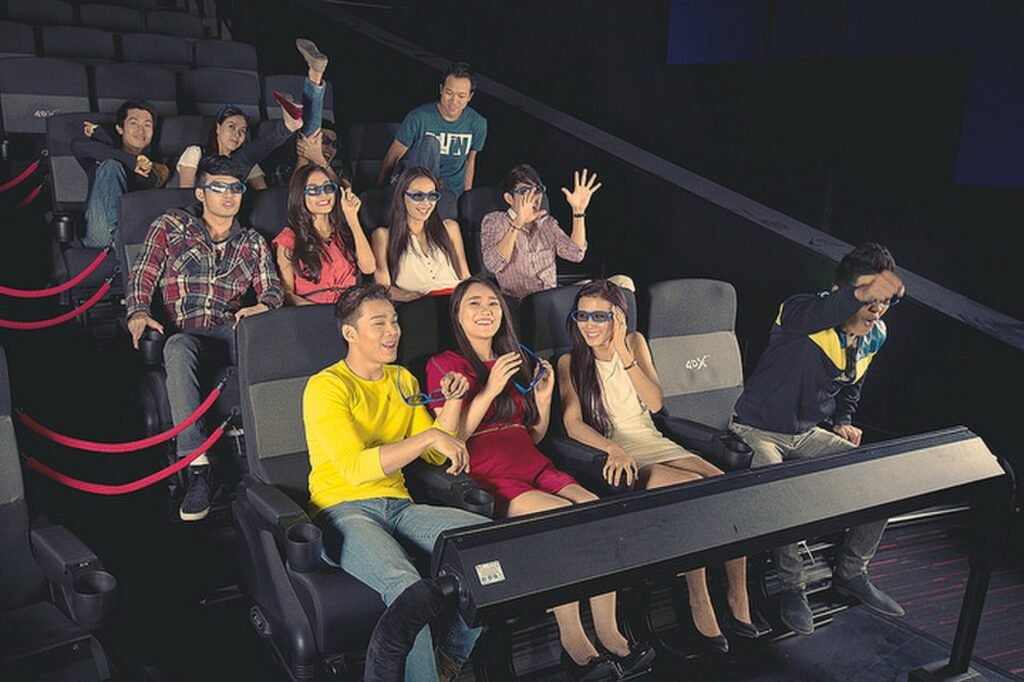
The advent of technology like 4DX is indicative of how the film-going audience have changed. Streaming has revolutionized how films can be viewed.
As such, cinemas must now provide more than just a standard showing of a film. 4DX is one such solution to this problem.
It transforms the cinema experience into an attraction. Rather than passively watching the film, the audiences become active participants.
This format has been expanded internationally since its creation. It has also kept growing since being introduced in the UK and Ireland in 2015.
This makes perfect sense when we look at how audiences perceive blockbuster cinema nowadays. More often than not, audiences want something which is out of the ordinary.
4DX gives that to them, in a way which would be difficult to achieve through standard television.
You cannot simulate how your living room floor shakes through every turn of a motorway race.
You cannot simulate the rattle you would get through a motion seat at the cinema. As such, 4DX is especially relevant for anniversary screenings.
Older films can receive a new sensory dimension. The original filmmaking remains intact.
However, the audience experience can become something different. That is exactly what happens here.
Remembering Paul Walker
©Universal Pictures
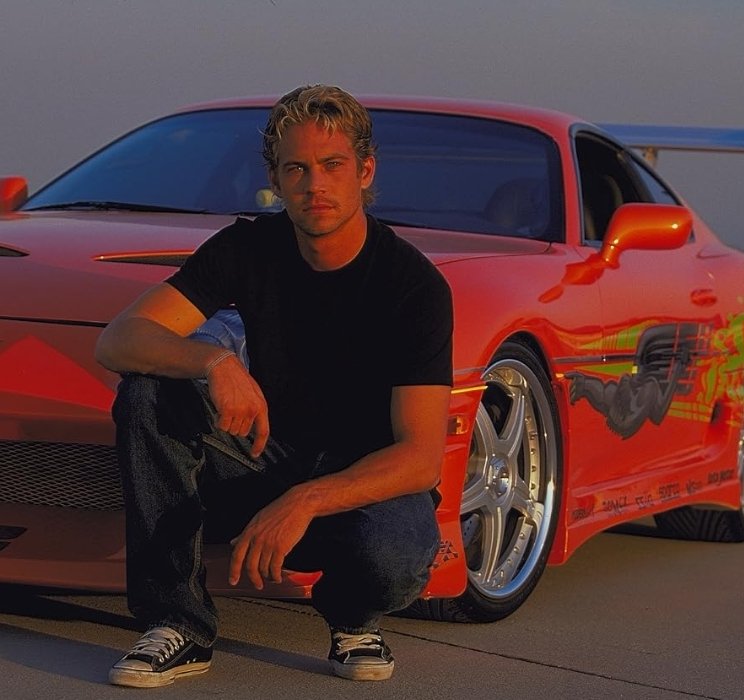
There is also another reason why the re-release of this particular film is important. It involves revisiting Paul Walker in The Fast and the Furious playing the role of Brian O’Connor.
It is both thrilling and saddening for fans of the franchise. Walker added an element of easy charm to his character.
He made it relatable even as the world in which he found himself grew increasingly hostile. Walker had great chemistry with Vin Diesel, his on-screen partner and co-star.
It would turn out to be one of the key elements of the franchise. And knowing that Walker isn’t here anymore automatically adds a new layer to viewing the movie.
The actor’s unexpected death in 2013 meant that his early performances acquired a different level of poignancy.
Thus, viewing him in the first installment of the series becomes almost unexpectedly moving. There is something unique about seeing Walker at the very start of his journey.
He seems fresh and full of possibilities. Brian O’Connor himself is finding out who he really is.
However, Walker had barely come to terms with the importance of the role.
Revisiting the movie is thus tantamount to going back to a specific point in time. This franchise has since evolved into something much larger.
The action became much more spectacular. The characters also gained superhuman qualities. But here, things still seem fairly basic.
There are cars, friendship, rivalry and the young Brian O’Connor. It is because of this relative simplicity that Walker’s role becomes all the more entertaining to revisit.
Walker certainly added a lot of flavor to the movies. His absence is sorely missed by the fans.
This makes his appearance in the movie something more than just nostalgia. It also affords an opportunity to remember what he added to these movies.
For the old fans, this anniversary screening is thus highly significant.
A Film That Still Knows How to Have Fun
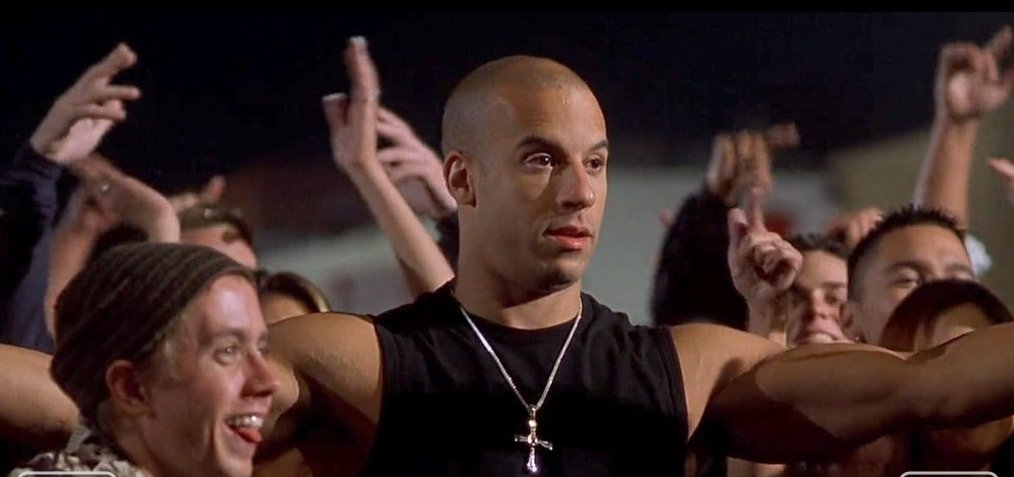
To be fair, one should also recognize that The Fast and the Furious is not a perfect movie. A quarter of a century allows for some elements of a movie to be perceived differently.
The lines may sound somewhat outdated. Some decisions of the plot also seem to be quite predictable now.
The cinematography is from a completely different era of the Hollywood blockbusters. Still, all of that does not change the main charm of the movie.
This is a really enjoyable film. It radiates an exciting spirit throughout the entire experience. The cars are looking amazing.
The races are fun. The soundtrack reflects the spirit of its time. The characters are providing the emotional layer.
And most importantly, the film always remembers why people have come to watch it. It aims to excite you about cars.
It aims to make you care about the characters. It aims to make you enjoy the races. It aims to make you feel the speed.
Even after 25 years, this recipe is still working perfectly. 4DX simply amplifies it.
The Final Lap
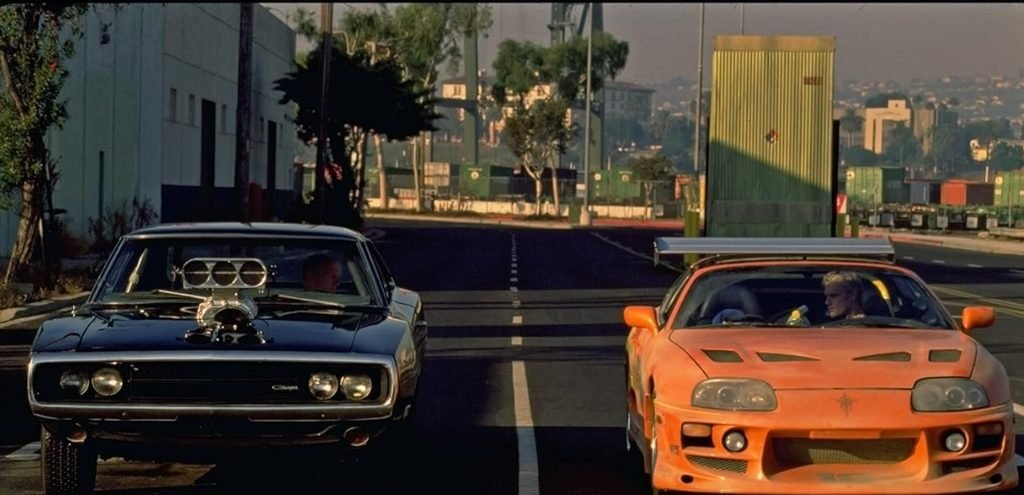
So, was The Fast and the Furious worth the money spent on viewing the movie in 4DX? Definitely.
What is more, it proves how great 4DX could be if applied correctly. First of all, the technology does not fix the movie’s faults automatically.
It doesn’t have to. It boosts the qualities that were attractive even before.
For instance, the races become more physical and the action becomes more immersive. The movement helps feel closer to the vehicles.
On several occasions, you feel that you are actually sitting in Brian’s car. That is what 4DX was meant for.
Also, the other parts prove how important the control over the technology is. When there is no movement, the plot comes first.
And when there is, the physical experience appears. In this way, the technology doesn’t overwhelm the movie.
It also lets 4DX compliment the direction of Cohen. 4DX makes this dream come true.
The final result is not an alternative film. It is just a unique experience of viewing the same film.
Longtime fans find it even more enjoyable due to the anniversary screening of this movie. They have the opportunity to see the debut of the franchise but with another sensory experience.
In addition, they will be able to see once again Paul Walker as the main character. This fact alone makes this screening worthwhile for many fans of the series.
There is always something beautiful and touching about seeing his character of Brian. His performance serves as the reminder that his contribution to the franchise is irreplaceable.
His absence still hurts. Still, he keeps giving pleasure to people through his movies. This is definitely something that is worth celebrating.
The Fast and the Furious does have some flaws. Perhaps, it was never a masterpiece of cinematography.
Nevertheless, it is one of the most entertaining films of its franchise. Moreover, in 4DX, the experience of watching it becomes even more exciting.
Cars are still fast. Races are still interesting. Characters are still charismatic. Nostalgia is still strong. That is why this anniversary screening is so successful.
It makes one understand that the cinema can go beyond mere watching of films. Occasionally, it may be about experiencing films.
And when an appropriate film finds an appropriate format, then this experience becomes unforgettable.
The Fast and the Furious has many miles to go. 25 years after its release, this film in 4DX shows that this old car ride can be experienced anew.