
Bridget Jones: Mad About the Boy: A Tender and Powerful Return
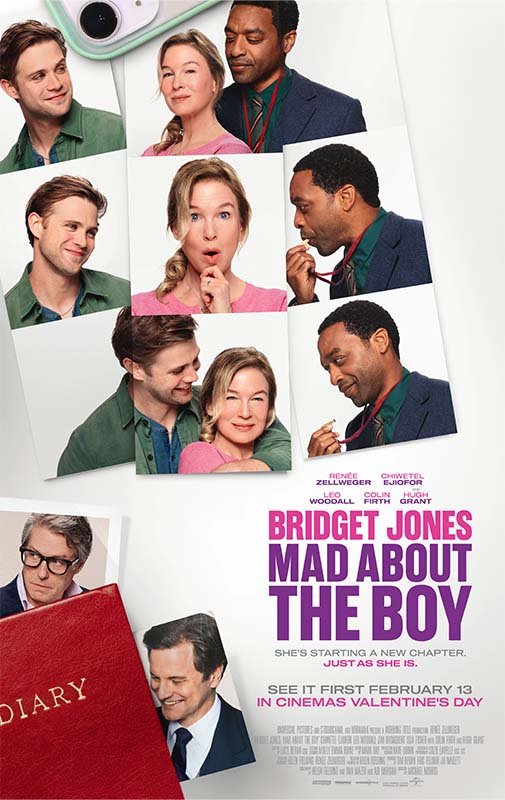
Coming Back to Bridget Jones After Two Decades
Watching Bridget Jones: Mad About the Boy felt less like seeing a sequel and more like checking in on someone. It reminded me how stories age with us, marking time, growing alongside memories, relationships, heartbreaks, jokes, and versions of ourselves.
By the time the film ended, I realised this story wasn’t about repeating old beats at all anymore for me. Instead, it quietly showed what happens after the fairy tale fades, when life keeps going forward with messy beautiful consequences.
A Franchise That Understands Time and Change
One of the strongest aspects of Mad About the Boy is its awareness of time, passing quietly around every character. That awareness operates within the story while also resonating powerfully in the real world beyond it, for longtime viewers everywhere.
Bridget has aged, her life has changed dramatically, and the film never pretends otherwise. In my opinion, this honesty is what makes the film resonate so deeply. Rather than trying to capture the chaotic energy of Bridget’s thirties, the story embraces the quieter, reality of midlife. It explores the challenges, humor, and subtle victories of aging, showing life’s depth beyond youthful chaos with honesty and heart.
The film feels intentionally slower than its predecessors, which may surprise some viewers, but I found this pacing effective. It mirrors Bridget’s emotional state — a woman stuck in routine, weighed down by grief, and unsure how to move forward. This deliberate approach allows the story to unfold naturally and gives emotional moments the space they deserve.
Direction and Screenplay: Subtle but Purposeful

Directed by Michael Morris, the film takes a more grounded and understated approach than earlier installments. There are fewer exaggerated set pieces and more intimate scenes focused on character interactions. In my opinion, this was the right choice. The quieter direction allows the emotional weight of the story to take center stage without being undercut by constant jokes.
The screenplay, written by Helen Fielding alongside Dan Mazer and Abi Morgan, strikes a careful balance between humor and heartbreak. While the film still includes classic Bridget-style awkwardness, the writing feels more reflective and mature. It doesn’t rush to resolve emotions or offer easy solutions, which makes the story feel more truthful.
Performances That Anchor the Film Emotionally
Renée Zellweger once again proves why she is so closely associated with Bridget Jones. Her performance feels effortless, but also deeply layered. Bridget is still clumsy, still self-critical, and still capable of embarrassing herself at any moment, despite years of lived experience.
But now there’s an underlying sadness that Zellweger conveys beautifully through pauses, expressions, vulnerability, restraint, and grace throughout the film. In my opinion, this is her most nuanced portrayal of the character to date.
Hugh Grant’s return as Daniel Cleaver adds both humor and emotional weight. Daniel has clearly aged, and the film allows him space to reflect honestly on his past mistakes without becoming unrecognisable.
It acknowledges growth while preserving his core traits, refusing to rewrite him into a completely different person for longtime viewers. Grant balances charm and vulnerability with ease, making Daniel’s growth feel natural rather than forced.
Emma Thompson continues to be a standout, delivering sharp lines with warmth and sincerity. Her character provides not just comic relief, but also emotional grounding, often saying what others are too polite to voice.
Newer cast members like Chiwetel Ejiofor and Leo Woodall bring fresh energy without overshadowing the established characters we already know. I felt this balance was handled very well, allowing additions to complement rather than compete onscreen with returning faces gracefully.
Living With Grief Rather Than Overcoming It
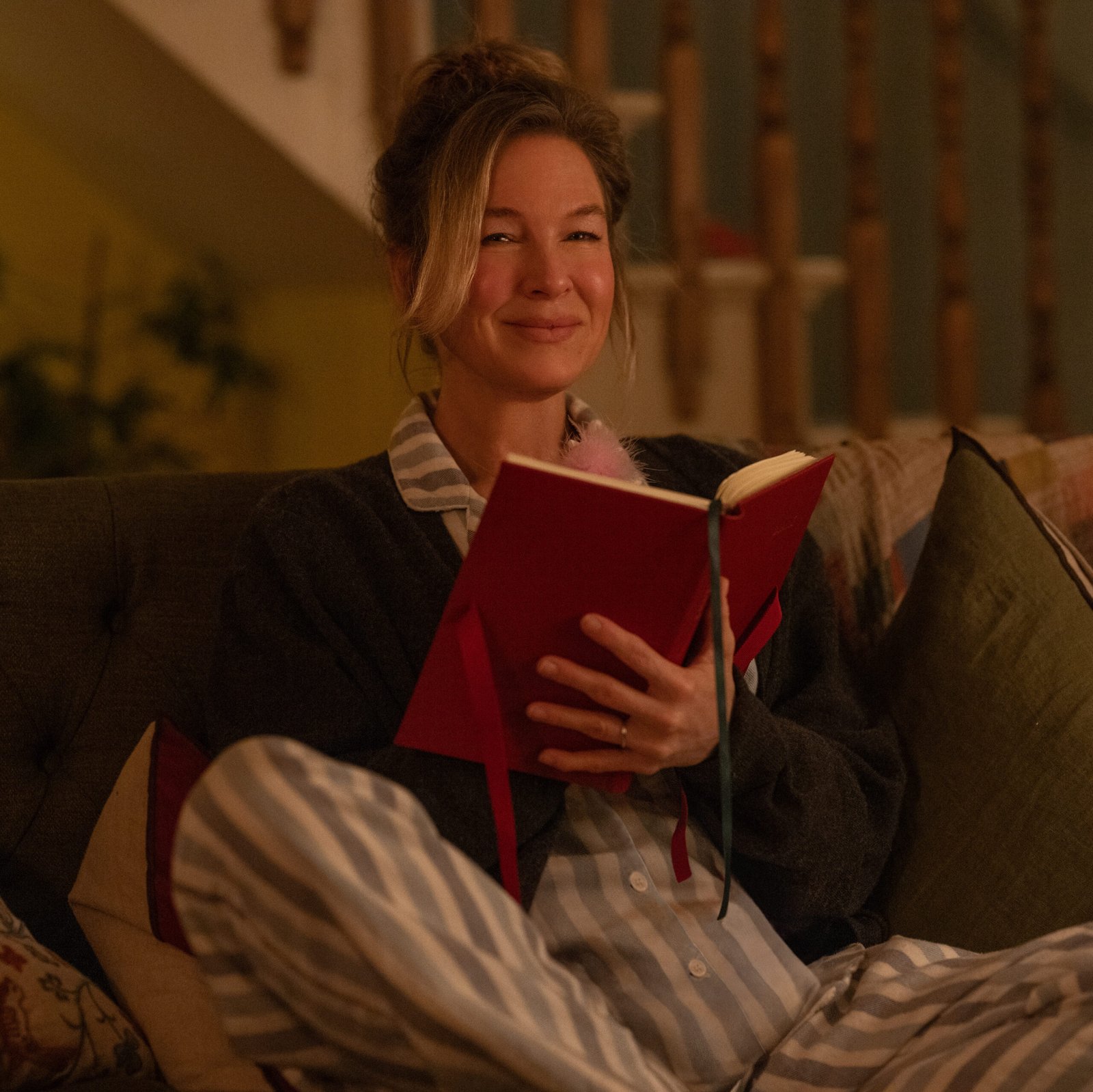
The absence of Mark Darcy is the emotional foundation of the film. Rather than treating his death as a plot device, Mad About the Boy allows his presence to linger throughout everything. His absence feels active, shaping characters’ choices and emotions, reminding viewers that love and loss don’t disappear over time completely.
Bridget isn’t trying to “move on” in a conventional sense. Instead, she’s learning how to live alongside her loss while still being present for her children. The film acknowledges that grief doesn’t follow a straight line and that healing doesn’t mean forgetting. This theme gives the story a surprising emotional depth that I wasn’t expecting from a Bridget Jones film.
Bridget as a Mother: Messy, Loving, and Human
One of the most compelling elements of the film is Bridget’s role as a mother. She is clearly doing her best, but she is overwhelmed, disorganised, and often unsure if she’s getting anything right.
In my opinion, this portrayal feels refreshingly honest. The film doesn’t idealise motherhood or use it purely for comedy, choosing honesty over easy jokes throughout the entire story. Instead, it shows the emotional weight of raising two children while still struggling internally as a person every single day.
Her relationship with her children — especially her son Billy — adds some of the most emotionally powerful moments in the film. Watching Bridget try to be strong for them while still processing her own pain feels quietly devastating throughout the film. The heartbreak arrives softly, understated and human, lingering long after scenes end and emotions settle in the viewer’s memory afterward.
Romance Reimagined: Vulnerability Over Fantasy

The introduction of Roxster, a younger man, adds an interesting dynamic to the story. Rather than feeling like a gimmick, this relationship becomes a meaningful way for the film to explore Bridget’s insecurities deeply. It examines her fears about aging, desirability, and self-worth with honesty, humor, and vulnerability throughout every scene it touches.
This storyline also raises questions about whether it’s ever truly the right time to fall in love again after loss. It explores the delicate tension between grief, hope, and desire, showing how life and love persist despite uncertainty and pain.
Daniel Cleaver’s Quiet Redemption
Daniel Cleaver’s evolution is one of the most satisfying arcs in the film. His friendship with Bridget feels genuine and supportive, offering moments of warmth and shared history. In my opinion, this relationship highlights how people can change without completely abandoning who they once were.
Daniel’s struggle with his estranged son adds another layer to the film’s exploration of regret and second chances. Hugh Grant plays these moments with restraint, allowing vulnerability to emerge naturally beneath Daniel’s trademark wit.
Emotional Moments That Linger
The film’s most powerful scenes come later on, often when you least expect them. Casper Knopf’s performance as Billy is particularly moving. He conveys grief with subtlety, never overplaying the emotion, which makes his scenes incredibly affecting. In my opinion, these moments elevate the film beyond a standard romantic comedy and into something far more meaningful.
There were several points where I found myself quietly emotional rather than openly crying. It’s the kind of response that lingers long after the credits roll, leaving traces of thought and feeling behind.
Humor That Has Grown Up
While the film is more subdued, it still retains the humor that made Bridget Jones so beloved. The comedy now feels more character-driven and situational rather than exaggerated or slapstick. In my opinion, this evolution suits the story perfectly. The laughs feel earned and often bittersweet, reinforcing the idea that joy and sadness can coexist.
A Reflection on Aging and Resilience
At its core, Bridget Jones: Mad About the Boy is a film about resilience. It’s about continuing to live, love, and make mistakes even when life doesn’t turn out the way you expected. In my opinion, this theme is what gives the film its emotional power. Bridget’s journey is no longer about self-improvement or romantic validation. Now its about acceptance — of herself, her past, and her uncertain future.
Final Thoughts: A Brave and Meaningful Sequel
In my opinion, Bridget Jones: Mad About the Boy is the most emotionally mature entry in the franchise. It may not be the funniest or the most iconic, but it is arguably the most honest.
By allowing Bridget to age, grieve, and grow, the film honours the character and viewers who have grown alongside her. It celebrates shared experiences, time passing, and the bittersweet journey of life, love, and self-discovery across years of storytelling.
This is not just a continuation of Bridget Jones’s story — it meditates on life after loss and love’s complexity. It explores the courage required to keep going, embracing vulnerability, heartbreak, hope, and humor throughout every twist of her journey.