
Avengers: Endgame 2019 Review: An Emotional 4DX Experience
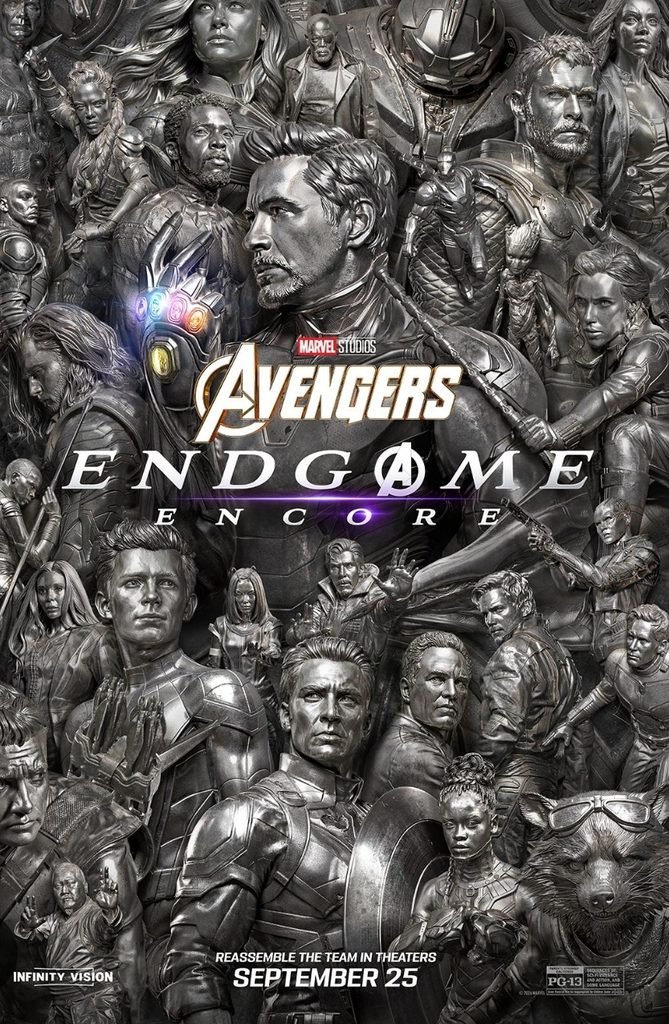
Introduction (Warning Contains Spoilers)
Watching Avengers: Endgame today felt different from watching any previous Marvel film in this series.
For this series, we have been revisiting the Marvel Cinematic Universe in chronological order.
We have reviewed the films, followed the characters and watched the universe gradually become bigger.
Now we have finally reached Avengers: Endgame. That makes this review feel like the culmination of everything we have been building towards.
It is not simply another Marvel film to discuss. It is the ending of a major storyline that has developed across numerous movies. There is also something particularly fitting about watching it now.
We began this journey by revisiting the earlier films before the new release of Endgame.
After following that entire journey, finally sitting down to watch the conclusion felt genuinely significant.
I watched the film today in 4DX 3D on an Infinity Vision screen. That added another dimension to an already enormous cinematic experience.
The moving seats, physical effects, 3D presentation and huge screen made the action feel remarkably immersive.
At certain points, it felt less like watching the Avengers and more like being surrounded by them. That certainly worked well during the most intense action scenes in the movie.
But the cinema experience is just one aspect that makes Endgame an exciting movie to review.
This movie had a lot to live up to. Avengers: Infinity War had left the audience on a massive cliffhanger at the end of the movie.
The heroes were left defeated and the question remained as to how the story was going to move forward from here.
Endgame thus had the difficult task of moving the plot forward but ending a storyline at the same time.
The movie also had to resolve a storyline which started with the 2008 movie Iron Man. That meant the film had to resolve years’ worth of character development and storylines.
Few movies have ever had that weight of history to reconcile with. There is also a certain amount of melancholy that looms over the movie.
This knowledge that it is the end of an important period makes many of these moments even more emotional. We are not witnessing the characters meeting yet another challenge.
We are seeing some of them reaching the conclusion of journeys which we have seen them make through the years. It is even more meaningful considering how we have gone about these reviews of the series.
We have been talking about the strengths and weaknesses of the preceding Marvel movies. We have seen new characters emerge, evolve and be neglected.
We have also witnessed Marvel try out a lot of different things – directors, styles and genres. All of this becomes relevant in Endgame.
Nevertheless, Endgame is far from being flawless. First of all, not all of the characters are well-developed and used to their full potential.
Although Thor is very amusing, he could be used better. Despite Black Widow getting more things to do, her arc is also very annoying.
Her death should have had more emotional power than it was presented in the film. Moreover, the first part of the film lacks proper timing.
It includes too many recaps and conversations between the characters. Sure, there is a reason for this, but it also makes the film feel slow in places.
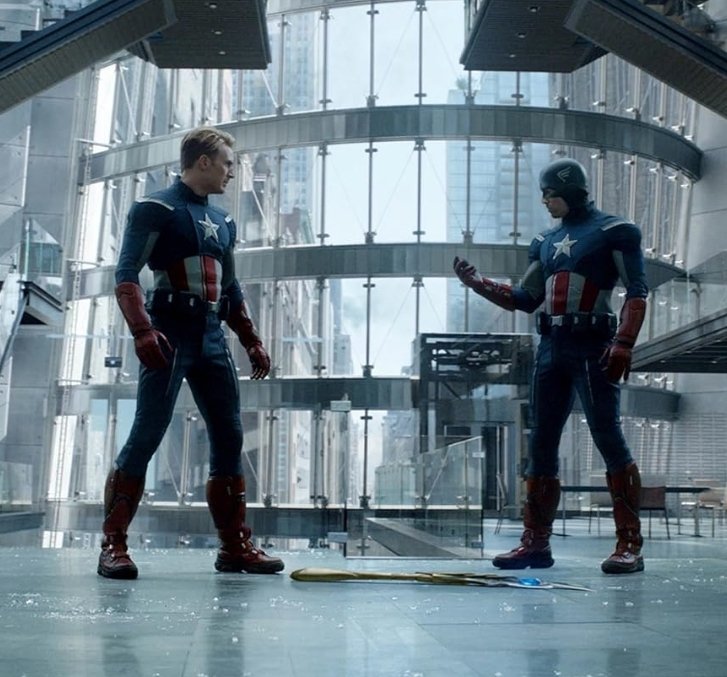
Once the time travel plot starts, the film becomes much more entertaining. Especially amusing is the combination of different characters.
Watching various Avengers cooperate is quite funny. Moreover, it is amusing to watch how they meet their old acquaintances.
The film can even get jokes out of different versions of one and the same character.
And then there is the final battle.
In my opinion, here lies the most memorable moment of Endgame. That scene was all the more memorable when viewed in 4DX 3D on an Infinity Vision screen.
The seat movements contributed to making the action physically tangible. The 3D effect added a level of depth to the immense battle arena.
The size of the screen helped emphasize the immensity of the scene. It contributed to the sense of immersion into the scene rather than just viewing it.
This is a crucial element in my experience of Endgame. There are definitely flaws in the movie and certain characters needed much better development.
The Russo Brothers’ Direction in Avengers: Endgame
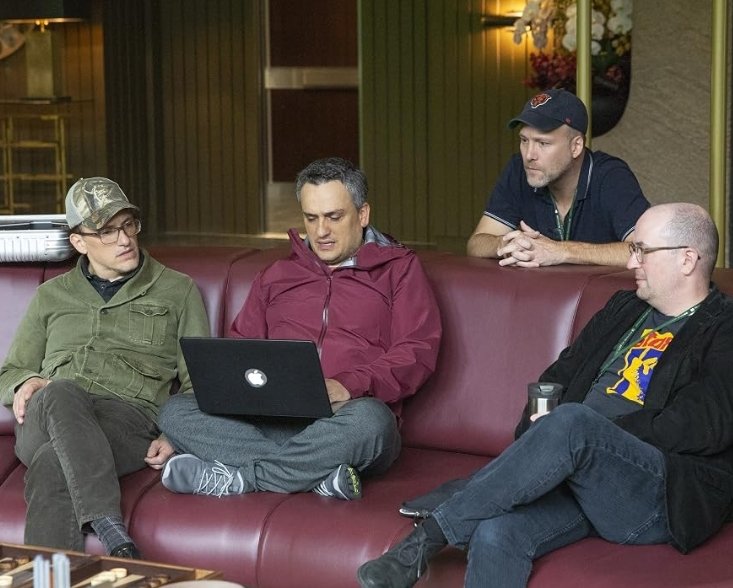
The Russo brothers faced a big challenge while directing the film Avengers: Endgame. They needed to wrap up stories of multiple characters while maintaining a huge scale.
This combination of visual spectacle along with emotional scenes made the film unique compared to any other superhero film.
The directors used various techniques that they had learned before while making Marvel movies.
In their previous movies, they had demonstrated their love for realistic action and character-driven narratives.
However, in the Endgame, the directors used the same concept but on a larger scale. The large cast required careful control over pacing, screen time, and character relationships.
One significant choice was to have the characters emotionally scarred from their previous failure.
The Avengers do not revert to their heroic personas right away.
Rather, they are feeling grief, frustration, guilt, and doubt. This made for a more contemplative start to the movie. It was a better setup for the action scenes in the latter half of the movie.
Moreover, the Russos maintained their practice of using action that is related to the character’s personality. The heroes fight in a manner unique to them due to the fact that their capabilities and personalities differ.
Thus, this makes the action seem like an extension of the characters instead of just being impressive. This had already been shown quite clearly in the movie Captain America: The Winter Soldier.
However, in Endgame, they got to use this method on a far larger scale. Controlling the scale of the action was another vital approach. The final fight scene involves countless numbers of characters and special effects.
Nevertheless, the directors keep coming back to certain characters during the scene. It ensures that the battle is not entirely impersonal or overwhelming. Thus, people can enjoy the spectacle via their favorite characters.
Moreover, the Russos have managed to develop an understanding of emotional timing. They let the dialogue and other calm sequences proceed without action. This makes the character’s decision much more meaningful in the end.
The directors did not completely change their established formula for Endgame. Instead, they developed it to suit a story about consequences and closure.
Everything that worked before was present in the action scenes and the ensemble narrative. But the emotionality of their directing was more apparent than ever.
The treatment of time travel is another example of how the directors were ready to change themselves. Instead of employing time travel just as a complex plot mechanism, the directors link it to memories.
The characters return to the places which relate to their history. This allows the movie to retell old stories and to create new emotions around them.
Thus, the directors managed to improve their style rather than replace it completely. They preserved the high speed and large-scale action which is typical for their Marvel movies.
But the importance of the development of characters and consequences was heightened significantly.
Endgame demonstrates a progression in the direction of the Russo brothers. They employed their traditional techniques but applied them on a significantly bigger scale.
The biggest progress in their skills was in the ability to blend spectacular scenes with intimate storytelling.
Cinematography
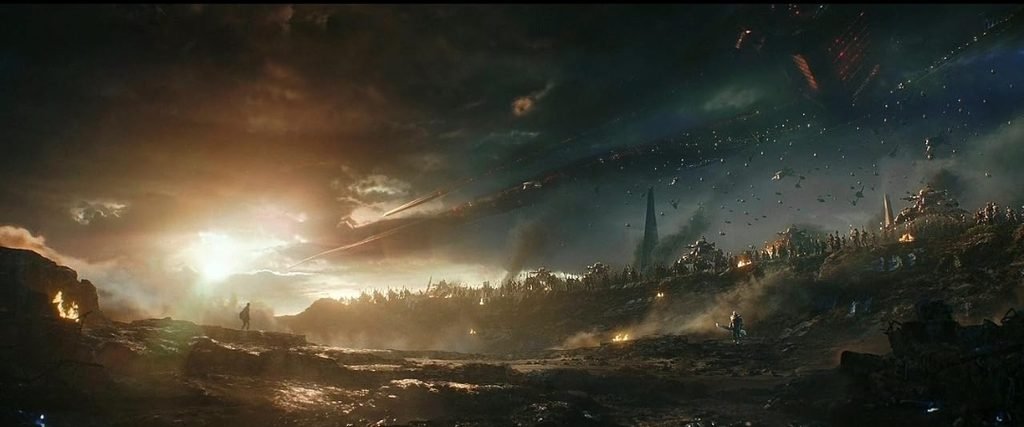
Cinematography is yet another strong point of Endgame. Trent Opaloch‘s cinematography adds a large scale to the picture. It really makes itself felt when watching the movie on an upgraded large screen.
The picture moves from planet Earth, to outer space, and across different eras of time. Each of them has its unique visual style through lighting, atmosphere, and visual texture.
This way the movie doesn’t become visually monotonous. More quiet scenes are rather subdued.
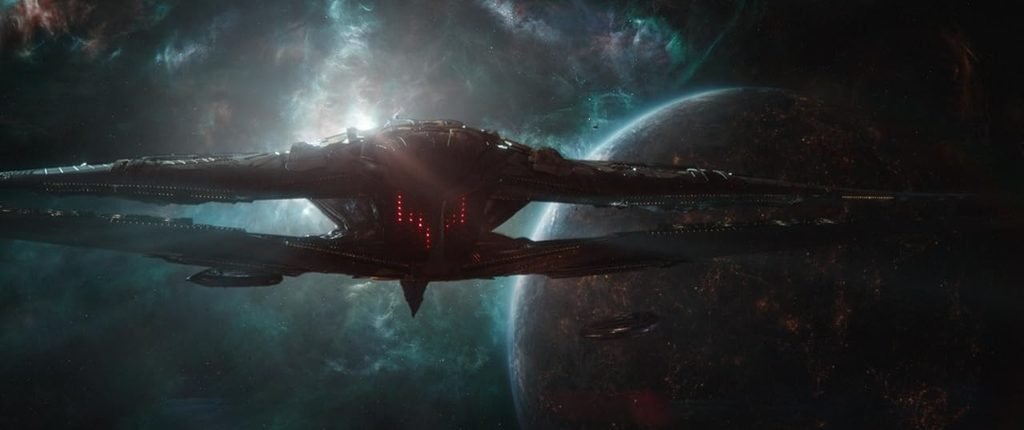
Action scenes become much more spacious. Contrast is especially effective towards the end of the film.
The battlefield provides enough space to make characters feel significant. In addition, it gives a certain scale that corresponds to the amount of heroes.
Visual performance becomes even more stunning in 4DX 3D. 3D adds depth to several big locations.
This technique proves to be the most effective when characters move through big spaces. In this case, it contributes to the creation of distance between the foreground and background.
It is especially needed at the end of the film. A great number of characters may lead to disorienting visuals.
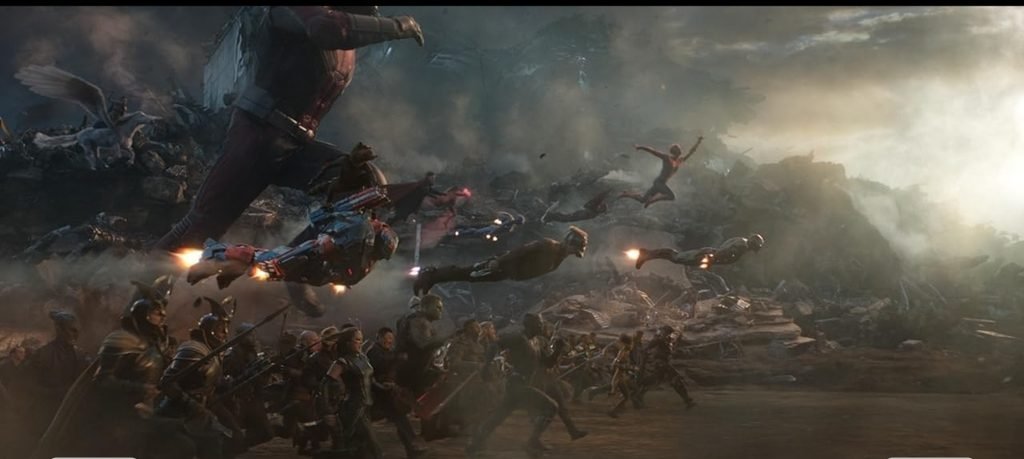
Instead, the cinematography ensures clarity in the action scenes. The presentation of the Infinity Vision added to the brightness and weight of the images.
According to Cineworld, the Infinity Vision is a certification for premium screens, which includes the requirements for screen size, sound, and projection.
This point is important because the Infinity Vision itself is not a competing cinema format. The Infinity Vision is a certification that is used along with other formats such as 4DX.
In this particular case, it was highly effective. The big-screen presentation allowed the film space to expand.
The 3D provided depth. The 4DX provided physical movements. All of them combined made the film much more immersive.
Visual Effects
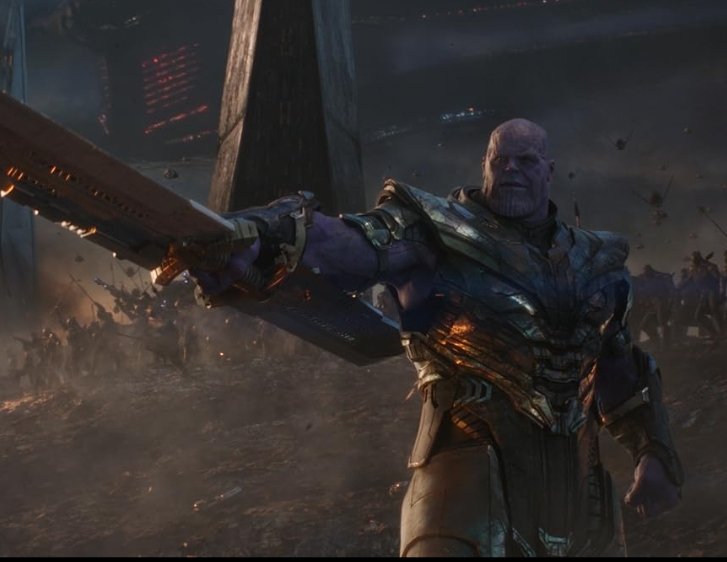
The visual effects are consistent with those set in Infinity War. Infinity War raised the bar for Marvel’s digital effects.
Endgame had to live up to that bar by creating even bigger scenes. And it does. The digital sets look real.
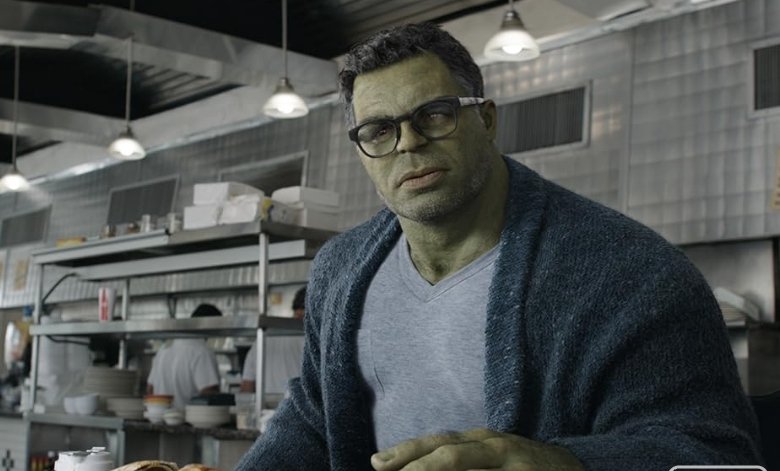
In general, the visual effects create characters which fit well into the environment. Hulk is certainly still one of the most remarkable of those characters.
Mark Ruffalo needs to play well with all of the visual effects being used. The Marvel visual effects department has talked about motion capture’s role in creating Smart Hulk.
The technology makes sure that the personality of Ruffalo is still part of the character. This makes it possible for the movie to have a Hulk which is not like the others.
The final battle is the biggest test of the effects work. There is a vast number of characters involved in the action.
The viewer can see explosions, weapons, superheroes in flight and digital backgrounds. Moreover, there is an incredible amount of motion taking place all at once.
Overall, the effects perform their job pretty impressively. Of course, some scenes were created specifically for the sake of visual spectacle.
It does not mean that anything is wrong. The movie works on a comic-book level. The question is whether effects support the emotions at the particular moment.
In the finale, the answer is definitely yes. The scene with the Avengers being reunited is more essential than any technical tricks.
It is especially noticeable in the 4DX version. Effects turn the big-scale destruction into a more tangible experience.
The motion of the chair adds up to explosions and fighting scenes. It makes certain action sequences more like a ride.
Themes and Storyline
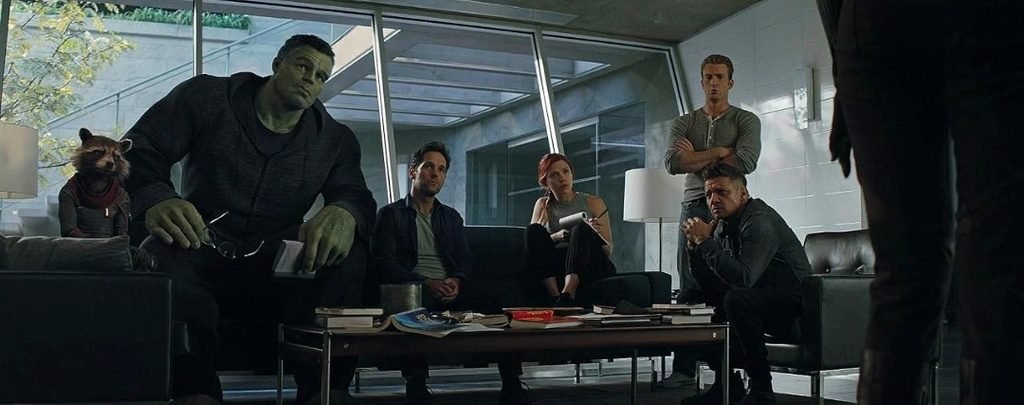
Consequences lie at the center of the narrative in Endgame. The Avengers had lost the battle in Infinity War.
Half of the lives have been wiped out. The rest have to cope with the consequences of that loss. This makes the emotional angle of the film unique among most superhero movies.
It is not just about preventing an antagonist. It is about righting something that they could not prevent before.
Moreover, this film has a lot of grief. Characters react in different ways to the happenings. Some fight on while others retreat.
Some get obsessed about it. These make for some compelling differences among the surviving Avengers.
The movie is obsessed with the concept of time. The characters physically travel through their past.
It allows Marvel to make reference to previous movies. For long-term viewers, the scenes get additional emotional value.
They have already witnessed most of these events. Experiencing them from a different angle gives them a new meaning.
Time travel contributes significantly to the humorous component of the movie. It prevents the movie from being too dark emotionally.
However, the emotional balance does not always work well. Some characters get a lot of attention. While others are neglected.
Thor is the clearest example for me. I understand what Marvel was trying to achieve with him. His depression creates some genuinely funny moments.
It also shows how differently he has responded to failure. However, I still feel Thor deserved more. The character had developed significantly across the previous films.
Reducing him to much of the comedy sometimes feels like a step backwards. There is more depth available in his situation than the film explores.
Black Widow also remains a problem. She has more responsibility in this film than she received in Infinity War.
Her importance to the surviving Avengers is clear. However, her character still feels undervalued.
Her death should have carried enormous emotional weight.
Instead, the scene feels surprisingly rushed. Jeremy Renner adds a lot of emotional impact to the scene.
His acting allows the audience to feel how desperate the situation is. However, the screenplay fails to allow Natasha to shine before her sacrifice.
As a result, the moment loses its power.
The other problem of the film is its enormous ensemble cast. Some characters are required in the plot due to the necessity to be there.
Sometimes they lack the content necessary to include them. This fact can be explained by the scale of the movie.
Performances
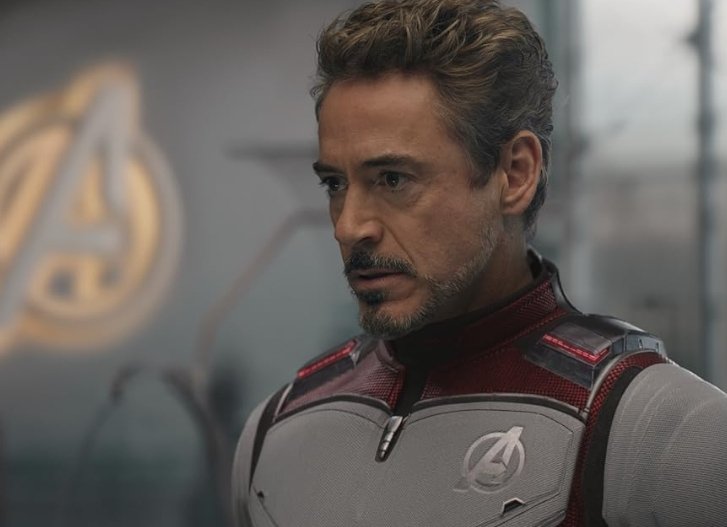
Robert Downey Jr. once again proves why Tony Stark became such an important part of the MCU.
His performance carries several of the film’s strongest emotional scenes. Downey brings humour when the film needs it.
He also brings vulnerability when Tony is forced to confront what matters most. His final scenes are particularly effective.
There is a feeling that the character has travelled a very long distance. That makes the performance feel connected to the entire MCU journey.

Chris Evans also gets more substantial material in Endgame. Steve Rogers has always represented responsibility within the Avengers.
Here, the character finally gets to confront what he personally wants. Evans handles both the emotional and quieter moments well.
His performance benefits from the history built across the earlier Captain America films.
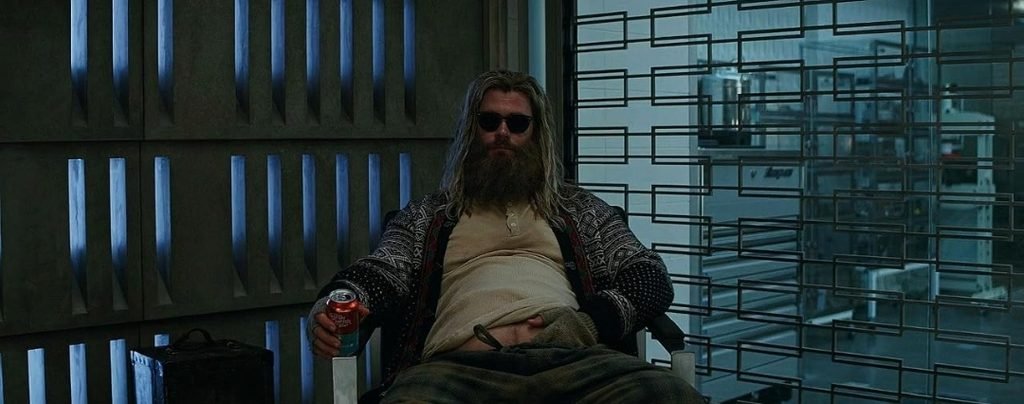
Chris Hemsworth takes Thor in a very different direction. His performance is committed to the comedy.
He also shows the character’s pain beneath the jokes. That combination works in several scenes.
However, I still think the character deserved a stronger overall arc.
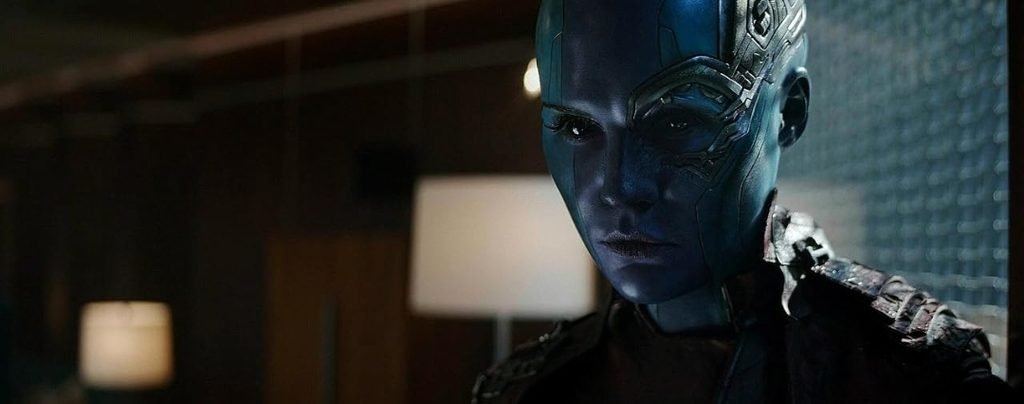
Karen Gillan gets considerably more to do as Nebula. Her story becomes one of the film’s more interesting character threads.
Nebula has spent years dealing with Thanos and Gamora. That history gives her conflict with her younger self considerable weight.
Gillan brings more emotional depth to the character than the role initially suggests.
Paul Rudd also becomes a surprisingly important part of the story. Scott Lang brings much-needed energy into the early sections.
His reactions help the film find some of its comedy. He also becomes important to the story’s central solution.
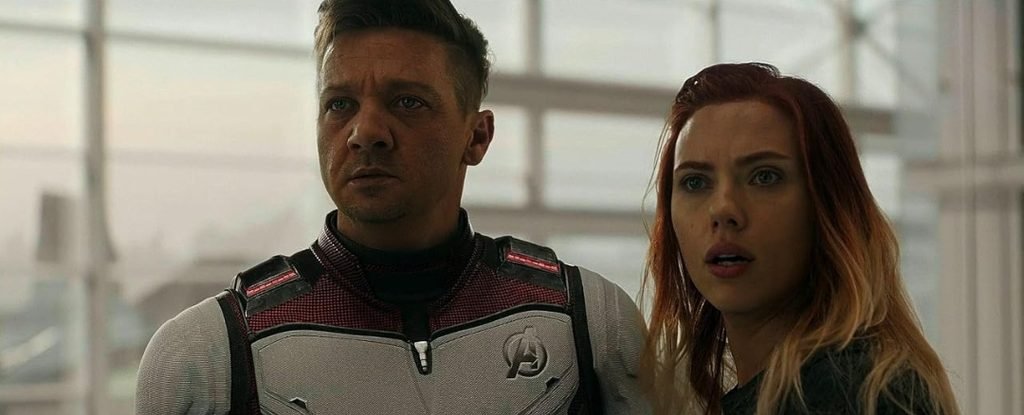
Jeremy Renner‘s return as Hawkeye is another significant change. Clint Barton has a darker storyline after the events of Infinity War.
Renner plays that transformation seriously. His work alongside Scarlett Johansson is especially strong during their final sequence together.
Scarlett Johansson deserved more from the character throughout the MCU.
Her performance here is committed, especially when Natasha tries to hold the remaining team together.
However, her final storyline reinforces the feeling that Marvel never fully valued the character.
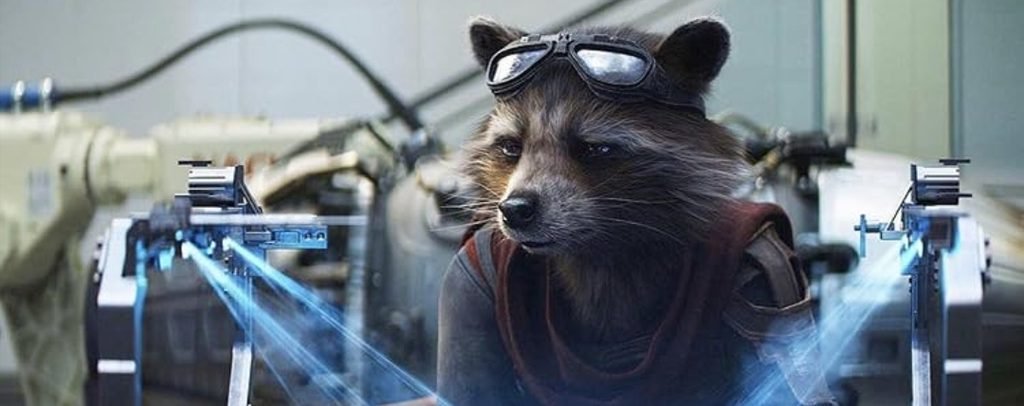
Rocket, voiced by Bradley Cooper, also deserves a mention. Rocket brings humour to the surviving Avengers while showing a more vulnerable side after the events of Infinity War.
His determination to help bring everyone back gives him a meaningful role in the story.
Josh Brolin‘s Thanos is another strong performance, despite the character having less screen time.
Brolin gives Thanos the same imposing presence established in Infinity War. His return reinforces the threat facing the Avengers and provides another strong connection between the two films.
The supporting cast also has moments that work extremely well.
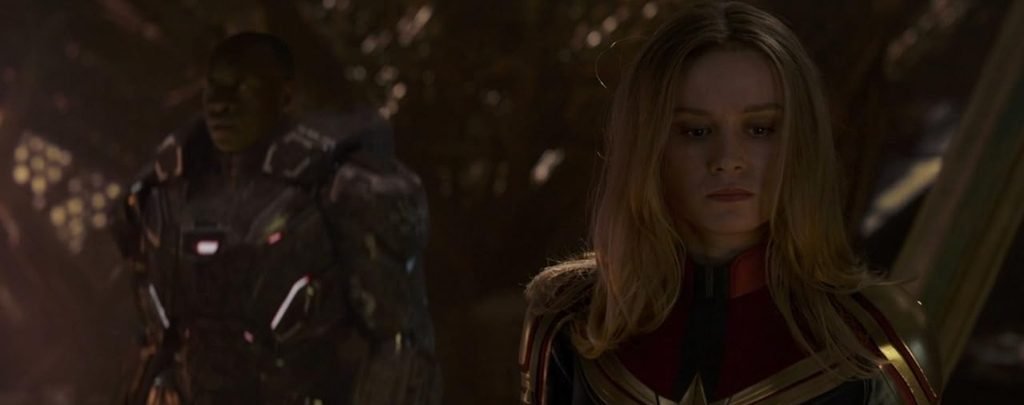
Mark Ruffalo continues the more controlled version of Bruce Banner. However he spends most of the movie in the Hulk’s form.
Don Cheadle gives Rhodey plenty of personality. He also plays a good supportive role. His character is often supporting the other avengers.
Brie Larson brings Captain Marvel into a much larger ensemble. However her character is limited to brief on-screen time and a heroic moment in the final battle.
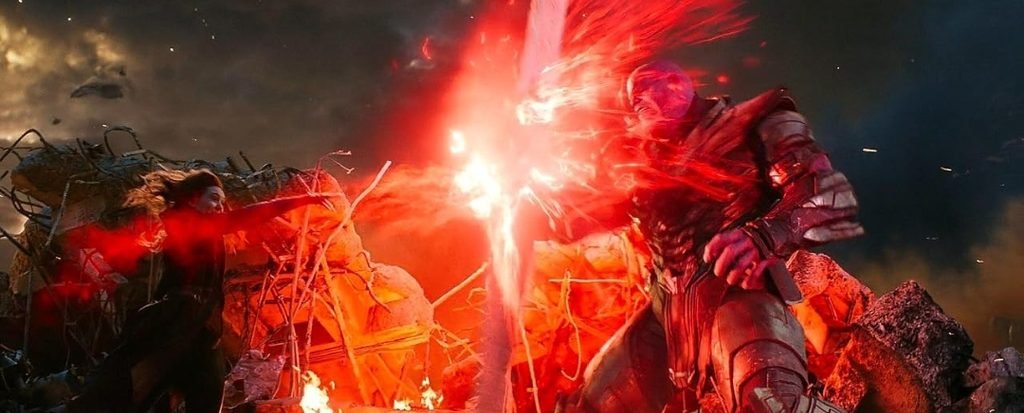
This is true also of Elizabeth Olsen‘s Scarlett Witch. She appears for the final battle unleashes her power but we don’t really see much of her.
The returning Guardians characters also add humour and energy.
Not everyone receives enough material. That is one of the unavoidable problems with such a crowded film.
Some characters are present without receiving meaningful development. That does not make their performances poor.
It simply means the screenplay has too many people competing for attention.
The 4DX 3D Infinity Vision Experience
This is how my experience of seeing Endgame is different from that of a standard film review. I have seen Marvel movies in large screens before.
But seeing Endgame in 4DX 3D on an Infinity Vision screen was very different from before.
4DX employs dynamic seating and physical sensations tied to the action happening on-screen.
According to Cineworld, the effects employed include movement, wind, water, scent and strobe lighting effects.
It might get distracting if the effects are overwhelming. But for Endgame, the format seems appropriate.
The movie has a lot of battle scenes, space ships, explosions and movement.
These elements provide a lot of scope for 4DX to improve the action.
Dynamic seats make certain parts of the movie feel more physical. You are not just watching people move around in the movie.
You actually experience some of this action physically. The 3D makes another contribution. Everything in the scene looks like they have a three-dimensional presence.
This is very effective especially for the space scenes. It also makes the huge worlds look even bigger.
But the most notable difference comes during the last battle. That scene was already the best part of the movie for me.
Seeing it in this way made it even more memorable. When the Avengers are finally together, the whole auditorium comes alive.
The seats react along with the scene. The screen is filled with heroes. The sound surrounds the viewer.
The special effects make the scene feel more immediate. It makes for an unusual feeling of being a part of the scene rather than a spectator of it.
It is even more exciting because of the path we took to get there. We saw them grow into their characters over years of movies.
We just watched them being torn apart in Infinity War. And now here they stand, together at last.
It is made even more special by the fact of seeing it through the 4DX experience. There is also a certain significance in seeing this movie in premium format.
The Infinity Vision system was implemented in the current Endgame encore and in future big-budget productions from Disney.
Certification is meant to distinguish the displays that have met higher standards of presentation. This makes it especially well-suited for a movie that revolves around spectacle.
To my mind, the mixture of 4DX, 3D and the large Infinity Vision screen improved the experience. Not all scenes were made better by the format.
The slow scenes remained just as slow. The emotional scenes required great acting skills. The character flaws present in the movie have remained unchanged.
But when the makers of Endgame wanted to blow us away, the format succeeded. The last battle sequence is the best example.
It gave a sense of overwhelming physicality to a spectacle that already was huge.
What Worked and What Did Not
The biggest strength of Endgame is its sense of history. This film understands that audiences have invested years in these characters.
In return, it gives back through callbacks, reunions, and satisfying resolutions. The character pairing is also one of the biggest strengths.
Seeing different members of the Avengers team up together is where the film’s funniest bits occur.
Time traveling plotline offers lots of moments.
It lets the film explore the MCU world without retelling previous tales.
Most of the performances in the movie are great.
Visually speaking, Endgame is good. It has amazing cinematography for the big screen. The final battle is spectacular.
As far as I’m concerned, it is why the theatrical experience was worth it.
But there are definite weaknesses to this movie. The first half can feel bogged down with recapping.
Too much recapping and dialogue happen before the plot picks up. Another issue related to the big cast is inconsistent character development.
Some of the heroes get satisfactory closure. Others feel almost like supporting players in their own stories.
Thor’s treatment is entertaining but frustrating. Black Widow’s storyline remains underdeveloped. Her death deserved more time and emotional focus.
The film also relies heavily on the audience already caring about these characters. That is understandable. It is also the point of the entire project.
However, it means some emotional moments will work far better for longtime MCU viewers.
For someone coming into Endgame without that history, much of the emotional weight would be difficult to reproduce.
That is not necessarily a flaw. It is simply part of what makes this such an unusual film.
Overall Verdict
Watching it in 4DX 3D on an Infinity Vision screen made the movie even more powerful for me.
The physical movement, scale and sound created a feeling of participation. It felt like the cinema itself was responding to the action.
That made the experience more than simply watching another Marvel film. There was also a genuine sadness hanging over the screening.
This was the end of a storyline we had spent so much time following. That feeling is present throughout the film.
It is part of why certain scenes hit harder than expected. Endgame is not flawless.
It can be overloaded, inconsistent, and frustrating with some of its characters. Still, it knows the significance of the path the characters have travelled on.
This makes Endgame an incredible finale instead of a standalone movie. The 4DX 3D Infinity Vision format gave this finale an extra dimension.
It made those moments of the movie feel epic. It made the final battle an unforgettable experience.
First and foremost, it made me a part of the experience.
Post Credit The New Ending and Post-Credits Scenes
(Spoilers for the new Avengers: Endgame: Encore material follow.)
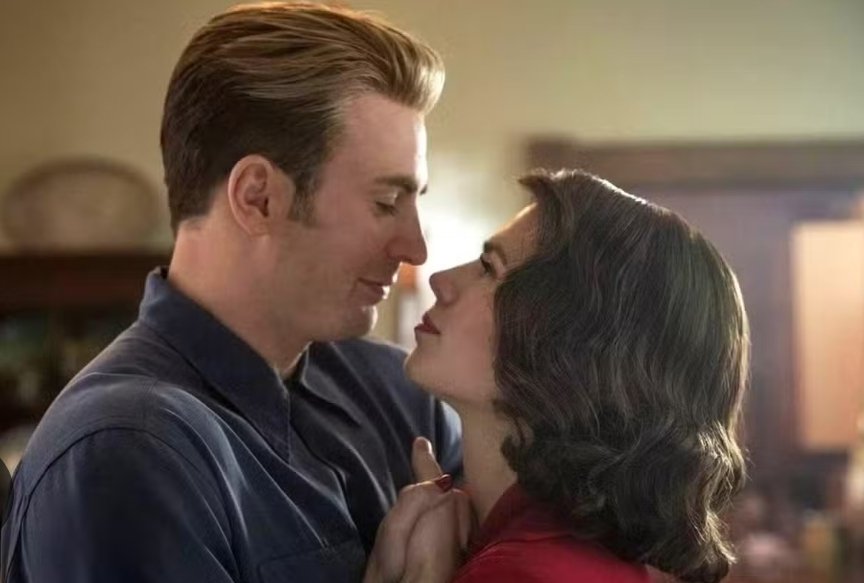
One of the most obvious differences about this new production comes after the end of the original film.
In the 2019 production of Endgame, the dance between Steve Rogers and Peggy Carter (Hayley Atwell) marks the end of Steve’s story after the massive battle.
Peggy opens the door to find Loki dressed in his TVA outfit. Loki says that he can help both of them before the scene ends.
This drastically changes the tone of Steve’s ending. Previously, this ending seemed to be the peaceful resolution of Steve’s story.
Now, it makes sense that Steve will face repercussions for not going back.
That changes the feeling of the ending quite dramatically. The original ending felt like a genuine goodbye to one era of Marvel.
Also, Loki (Tom Hiddleston) will be a part of this story that builds up to Doomsday.
This is quite an interesting link between an ending of the Infinity Saga and the Multiverse Saga. The new version reminds us that the story is continuing into a very different chapter.
The new mid-credits scene then brings Bruce Banner back into the story. Banner is living in isolation while studying his Hulk transformations.
His research is interrupted when Doctor Doom arrives and claims he has come to collect him. We hear Banner transform before the scene ends with mysterious green markings left behind.
That creates an immediate question about why Doom wants Banner.
The TVA scene is arguably the most important addition for the wider multiverse storyline. Mobius (Owen Wilson), O.B. (Ke Huy Quan), Casey (Eugene Cordero) and Miss Minutes are monitoring different realities from inside the TVA.
They discover that universes are beginning to collide through incursions. Other realities then begin disappearing from the TVA’s monitors.
O.B. ultimately identifies the terrifying scale of what they are witnessing. The multiverse appears to be collapsing.
For me, this scene makes the connection to Doomsday much clearer. The film is no longer simply teasing another Avengers villain.
It is showing the wider multiverse becoming increasingly unstable. That gives the next Avengers story a much larger problem to deal with.
There is also a clever connection to Robert Downey Jr.’s return.
The original Endgame included the sound of Tony Stark building his first Iron Man suit.
The new post-credits material uses that familiar sound again.
This time, however, the footage shows Doctor Doom forging his mask.
The sound that originally represented the beginning of Iron Man’s journey now accompanies the beginning of Doom’s story.
That is a striking change to the meaning of the original ending. Tony Stark’s story ended with his sacrifice.
Robert Downey Jr.’s MCU journey is now being connected to Doctor Doom. Whether that connection has a deeper multiversal meaning remains to be seen.
What is clear is that Marvel wants these new scenes to lead directly into Doomsday. For me, this changes how the ending of Endgame feels.
The original ending felt like closing a book. The new Encore material feels more like closing one book while immediately opening another.
That works particularly well for this review series. We have spent all these reviews building towards Endgame and the conclusion of the Infinity Saga.
Now the new material gives us a direct bridge into what comes next.
With Avengers: Doomsday coming to cinemas in December, these scenes give the next stage of our Marvel journey a clear starting point.
We will now move beyond Endgame and review the Marvel films that followed it.
Those films will become part of our build-up towards Doomsday.
The Infinity Saga may have reached its conclusion, but our Marvel journey is continuing.
Final Word
The journey does not end here, though. With Avengers: Doomsday coming to cinemas in December, our Marvel journey will continue.
We will proceed further from Endgame and analyze the movies that have been released after it. These movies will be the next step for us in our journey towards Doomsday.
It will be exciting to know how Marvel universe has evolved after the Infinity Saga ended. But for the time being, Endgame feels like a very significant achievement for us.
This is where we have come after following this whole journey. It felt very rewarding to see this movie on the screen in 4DX 3D on Infinity Vision screens.
When I set out on reviewing these movies, it seemed like a daunting task. Some I had seen others I had not. Some surprised me whereas some were weaker than others.
Have I’ve been converted to the Marvel universe. Before I was somewhere in the middle. Now I can appreciate the work that has been put into them.
These movies for the most part are cinematic events. They look amazing on the big screen and work well with technologies such as 4dx.
They also are bringing people back to the cinemas. At a time when cinemas are struggling due to the rise of streaming, movies such as Spiderman: A Brand New Day have helped to boost their sales.
It is predicted Doomsday will earn even more at the box office.
One thing is for sure these movies for the most part make going to the cinema exciting again.