
Girls Like Girls Movie Review
Introduction
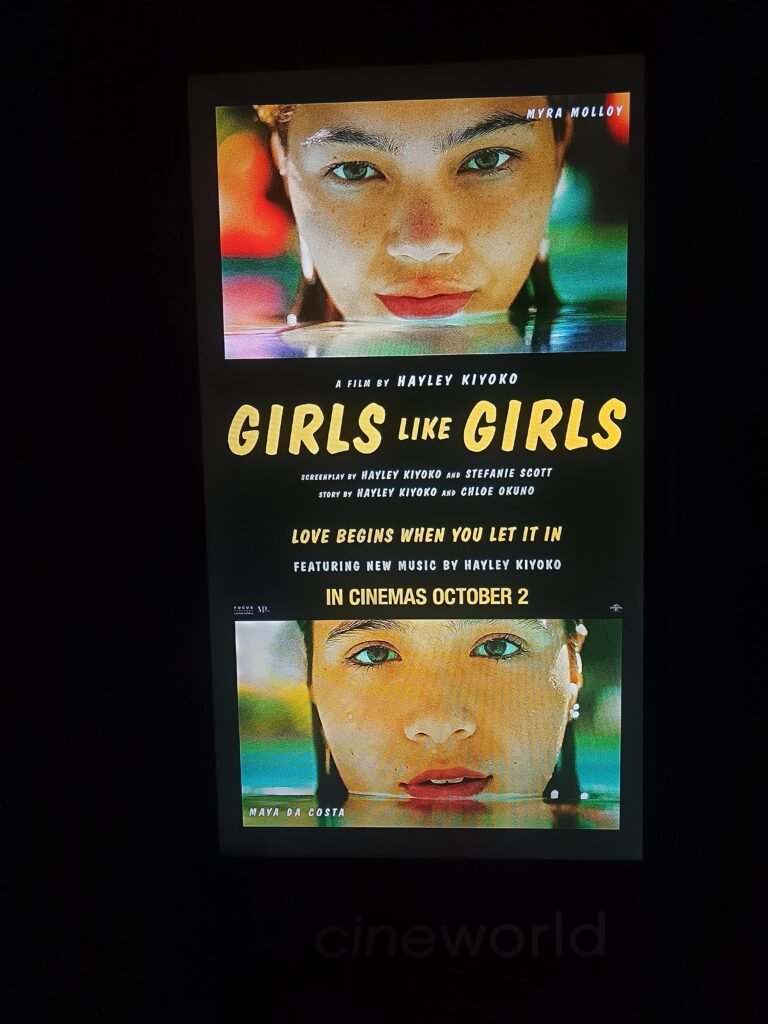
Hayley Kiyoko brings her beloved Girls Like Girls story to the big screen with an intimate coming-of-age romance.
The film expands the world created by Kiyoko’s acclaimed 2015 song and music video.
The movie takes place during a single summer in the countryside of Oregon in 2006. Coley (Maya da Costa) mourns the loss of her mother, while she has to get used to living with her father.
Soon, Coley starts dating Sonya (Myra Molloy) , who is a confident girl with her own problems in her perfect life.
From Music Video to Feature Film
Girls Like Girls has an unusual journey from viral music video to feature film.
The original 2015 song became an important moment for LGBTQ representation in mainstream pop culture.
The music video featured a story about a lesbian relationship. The characters were developed further in the young adult novel that Kiyoko wrote in 2023.
The movie from 2026 marks the end of the development of the story by giving Kiyoko an opportunity to be a storyteller.
Being both the writer and the director provides her movie with a distinct personality.
As opposed to simply replicating the story from the music video, she delves into the history of her characters.
Direction and Visual Style
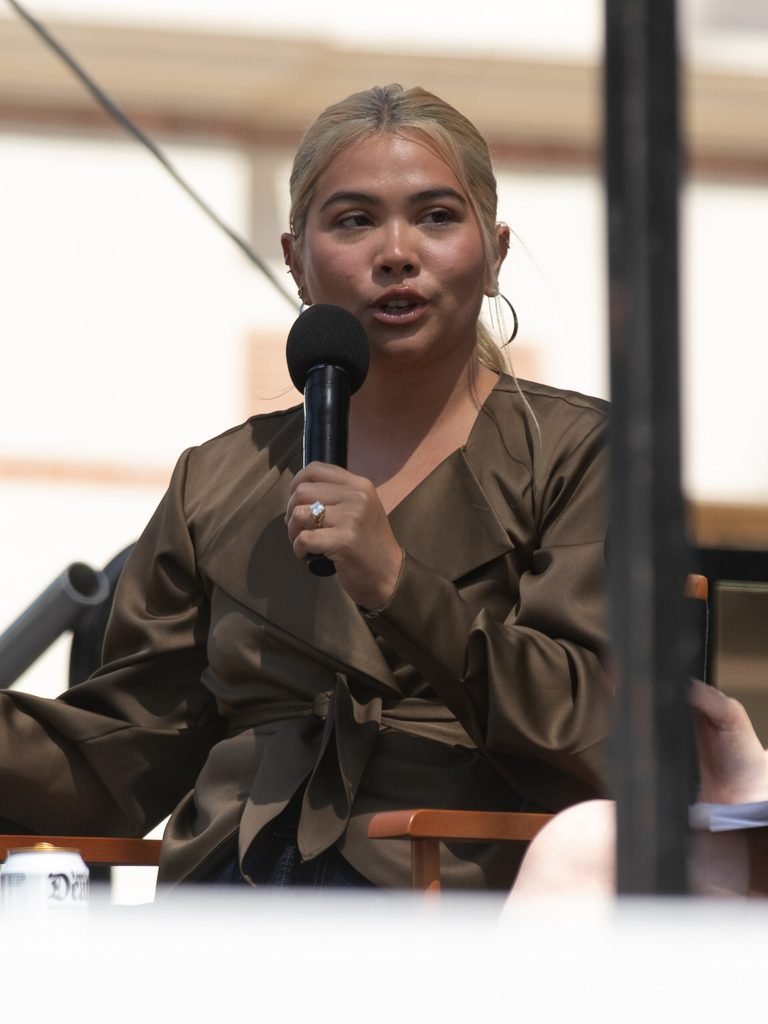
The directorship of Kiyoko focuses on atmosphere, intimacy, and youth.
The summer backdrop of Oregon brings an inviting visual balance to Coley’s mourning.
Light, outdoor settings, and other nostalgia elements contribute to the notion of reminiscing about one’s teenage years.
2006, the year of the film’s production, becomes crucial as it came before the social media world that teenagers know today.
This means that there is more room left for characters to have their experiences without the need to observe them online.
Kiyoko’s ability to give her characters room to breathe in their moments of emotional connections comes in handy.
In that regard, Coley and Sonya’s connection becomes intimate rather than metaphorical.
Cinematography
The cinematography by Sonja Tsypin also helps create a feeling of nostalgia for the film through the choice of summer locations and close-up character shots.
The bright environment stands in contrast to the personal issues and emotions that Coley and Sonya deal with.
Close-ups are especially valuable when it comes to the inability of the characters to communicate their feelings in dialogue.
It is because of small gestures and reactions that the characters reveal what they cannot express verbally.
At the same time, the contrast between the openness of the environment and the closed space can symbolize their personal feelings and issues.
When they spend time together, there is a feeling of liberation and possibilities.
When they return to their complicated relations and family issues, there is less freedom.
Performances
Maya da Costa carries the film as Coley, giving the character a quiet and vulnerable presence.
Her performance captures the difficulty of grieving while simultaneously discovering a new part of herself.
Coley is not immediately confident about her sexuality or her feelings towards Sonya.
Da Costa therefore allows the character’s development to happen gradually.
Myra Molloy brings a contrasting energy to Sonya.
Sonya is charismatic, socially confident and admired by the people around her.
However, Molloy reveals the insecurity beneath that confidence as the story progresses.
The contrast between the two performances gives their relationship much of its emotional appeal.
Zach Braff brings another dimension to the story as Coley’s father, Curtis.
Their relationship allows the film to explore grief, family tension and the difficulty of rebuilding trust.
Levon Hawke‘s Trenton represents another form of pressure within Sonya’s life.
His relationship with Sonya provides an important contrast to the connection developing between the two girls.
Themes and Storyline
Fundamentally, the film Girls Like Girls can be described as being a story of identity and loss, first love and self-discovery.
While sexuality is an integral component of Coley’s character, the film does not equate Coley’s identity with the discovery of it.
Her loss of her mother remains a critical factor in her psychological growth.
Thus, the connection between Coley and Sonya becomes an essential element in her process of self-understanding.
At the same time, the film depicts the distinction between genuine feelings and connections built on feelings of insecurity and power.
Trenton’s relationship with Sonya adds an additional layer of complexity to her developing connection with Coley.
It generates a certain amount of emotional conflict while avoiding the simple love story format.
The period of 2006 becomes a perfect setting for the exploration of queerness in previsibility era.
LGBTQ Representation
An essential aspect of the film is its treatment of LGBTQ representation.
The music video Girls Like Girls is important because it portrayed the lesbian romance in an uplifting way.
While the feature film expands on this idea, it gives much more emotional depth to its characters.
Coley and Sonya are able to explore attraction, confusion, jealousy, joy and doubt.
Their sexuality is not the only cause of the problems within their lives.
It gives the film a sense of feeling like a true coming of age story rather than a sexual education.
The nostalgic setting shows the changes in attitude towards LGBTQ teens.
What Works
One of the best features about Girls Like Girls is its emotional truth.
Kiyoko is aware of the significance of her characters and the world that she has created.
The connection between Coley and Sonya gives Girls Like Girls an emotional heart.
Furthermore, the acting prevents the characters from becoming caricatures of romantic archetypes.
The Oregon setting helps give an air of nostalgia to the entire narrative.
The link between the film and the music video enhances the experience for longtime fans.
Most importantly, the film allows its characters to experience love without defining their lives through tragedy.
What Does Not Work
The most obvious flaw with the film is that certain aspects of coming-of-age experiences may seem to be quite predictable.
Sonya and Trenton’s complex relationship sometimes goes down to some well-known clichés of teenage romances.
There are certain secondary characters who might have gotten more attention during their development as well.
Since the transition of the five-minute music video into the feature-length film necessarily leads to some new additions to the plot.
Sometimes, those additions make the movie look less focused than its romantic element.
Finally, the feeling of nostalgia may get somewhat idealized in comparison with harsher realities of the characters’ life.
However, those flaws cannot overshadow the central emotional element of the movie.
Overall Verdict
Girls Like Girls is a touching extension of a narrative that originated in a five-minute music video.
Hayley Kiyoko’s participation brings the movie consistency and meaning.
Maya da Costa and Myra Molloy make an intriguing couple whose connection revolves around vulnerability and discovery.
The movie touches upon other aspects besides love; loss, family dynamics, self-exploration, and youth uncertainty become an important part of the plot.
A 2006 period becomes a great nostalgic background, while changes in LGBTQ become more visible.
Some common narrative techniques do not allow the movie to be innovative all the time.
Still, its sincere and warm atmosphere is what makes it special.
Girls Like Girls becomes a moving story of coming of age and falling in love with yourself and others.