
The Uprising Review
The Uprising: A True English Rebellion
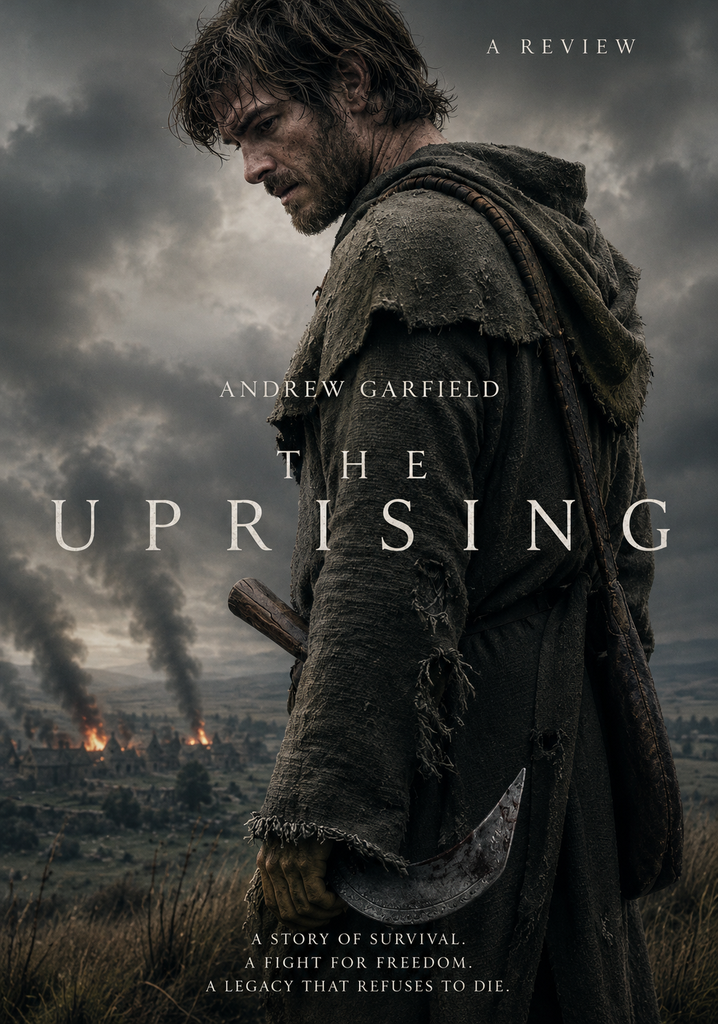
Paul Greengrass puts the Peasants’ Revolt of 1381 on screen in The Uprising, and Andrew Garfield stars as Ploughman, a farmer who rises from grief to rebellion.
The film mixes history, action and politics, and its similarities to the present day are hard to miss.
It opens in the wake of the Black Death, when society struggles with poverty, taxes and class divisions, and commoners find themselves pushed around by those in power, both economically and politically.
The fourteen-year-old King Richard II sits at the top of that system, taxing his subjects to fund the Hundred Years’ War.
Paul Greengrass Brings His Style
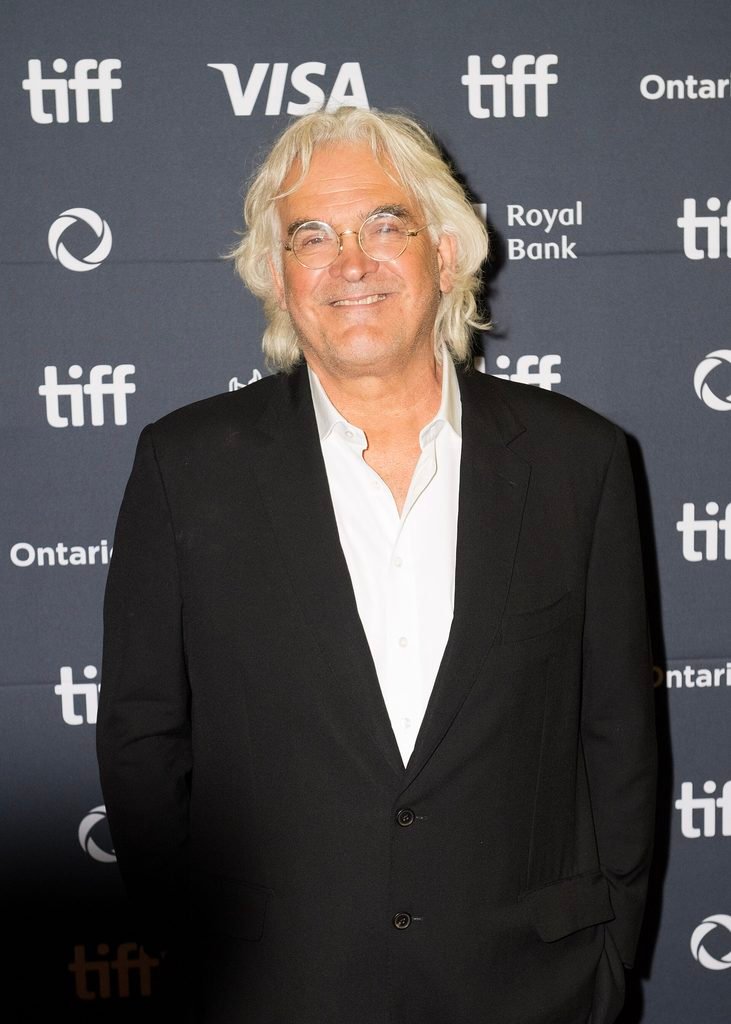
Greengrass brings his characteristic documentary style to this medieval tale, and the hand-held cinematography adds movement, intensity and a sense of physical presence.
The camera moves through the crowd instead of watching from afar, so the rebellion plays out as wild, perilous and immediate.
That approach won’t appeal to everyone, but it suits the director who gave us the Bourne franchise and Bloody Sunday.
Pål Ulvik Rokseth’s Cinematograpy
Cinematographer Pål Ulvik Rokseth keeps the film visually rough, using muted colours and earthy settings that make the poverty of medieval life plain.
The 1.85:1 widescreen frame holds both close scenes and crowd scenes: wide shots make the rebellion look enormous, while tighter shots keep us connected to the characters and their feelings.
The cinematography works best when events turn physical and unexpected, and at times the visuals become overwhelming on purpose, mirroring the uncertainty of people caught in a revolt that threatens the crown.
Themes and Storyline
Greengrass isn’t chasing a commercial popcorn movie here. The Uprising tells the story of the peasants’ revolt and also captures the combustible rage and grief that people feel today, speaking to the social anxieties of our own time.
We live in a nation still marked by loss and under a system that feels rigged against its citizens, and Ploughman is the true product of that disaster.
He is an ordinary man who has just buried his wife and children, and in some ways he has buried himself too, because he no longer knows who he is. The king and his council oppress him, and he represses his emotions in return.
Garfield shows this through his performance, the costume he wears and the way he utilises his gaze , staring off into nothing.
He goes through the motions of life until he sees soldiers abusing a young child, and that moment sparks the uprising.
At first Ploughman seems to have found a second reason to carry on, and we watch him join the march and the rebellion, yet he isn’t really there.
He isn’t fighting back or seeking revenge; he walks a different path, still trying to understand what remains after his loss, though some part of him wants justice for his people and answers to his circumstances.
His story is about losing faith in government, in the system and even in religion, and Greengrass reflects that through the settings and colour schemes.
They create an environment of poverty, hurt and death, with the stench of betrayal mixed in with depression. It is a deeply meaningful allegory for modern times.
Performances

Garfield, who is well versed in dramatic roles, leans into that experience and delivers a powerful performance that pulls the audience in and carries us through the story, following a man who seeks justice and then finds faith and identity in a changed world.

The supporting cast builds that world with him: Thomasin McKenzie, Jamie Bell as the radical priest John Ball and Cosmo Jarvis as Wat Tyler all bring strong performances and the emotional weight the film needs.
The story flows well for most of the runtime, and Greengrass stays close to the historical record where he can, finding something cinematic in a tragedy.
The photography and lighting create the historical setting, and the score helps the audience feel every emotion.
The Divisive Ending
The one major disappointment is the final scene. The epilogue, set a year later, recasts Ploughman as a Robin Hood-style outlaw, and it never connects with the tone and voice of the rest of the film.
It feels like a fabricated happiness tacked on for commercial gain, and it is rushed and poorly delivered. For a story built on grief and grit, a crowd-pleasing finish rings false.
Still, the ending doesn’t undo what comes before it. The Uprising is a rough, angry and timely film, worth seeing for Garfield’s performance and for a camera that refuses to stand back.