Everest: The Other Side Movie Review
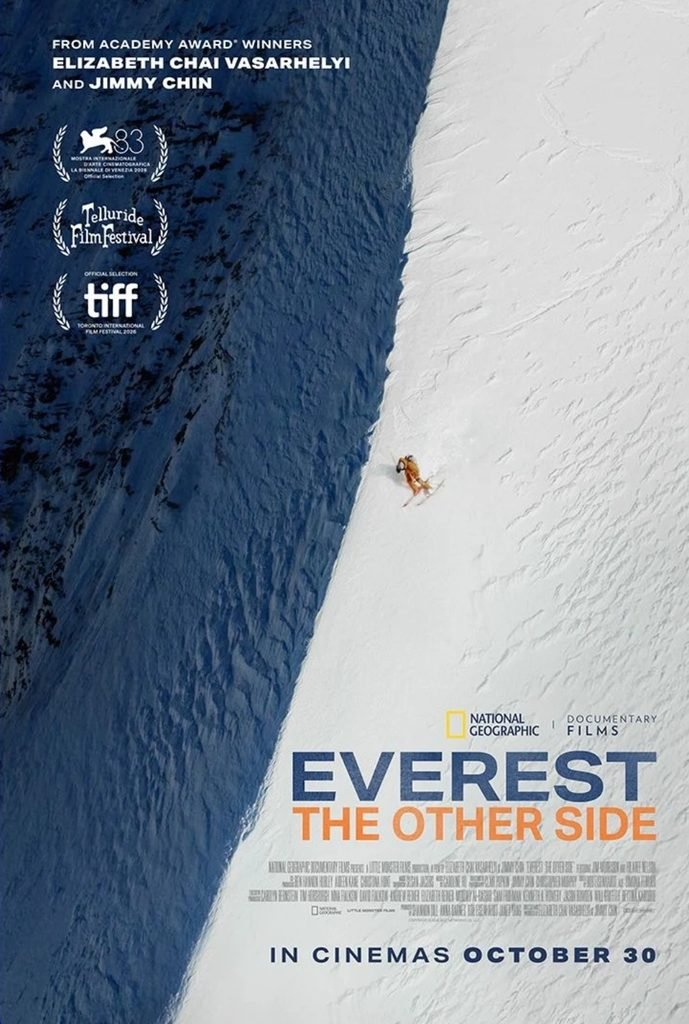
Everest: The Other Side movie review: A Breathtaking and Heartbreaking Climb
Few places on earth can capture our imagination quite like Mount Everest. Due to its huge size and harsh conditions there are many adventure documentaries about the mountain.
However, Everest: The Other Side documents the lives of professional ski-mountaineers Jim Morrison and Hilaree Nelson as they try to climb and ski down Mount Everest’s notoriously difficult North Face.
The documentary is directed by Oscar-winning directors Elizabeth Chai Vasarhelyi and Jimmy Chin.
Although it initially starts off as an incredible mountain climbing adventure, it quickly turns into a deeply personal story.
The documentary takes on a whole new level due to the tragic passing of Nelson in an avalanche on Mount Manaslu in September 2022.
While it is amazing to watch thanks to some incredible cinematography to make the best of the IMAX, Everest: The Other Side is also an incredible human story.
It really makes you think about the difficulties of being ambitious and obsessive and how it affects the people around you.
A Mountain Challenge Like No Other
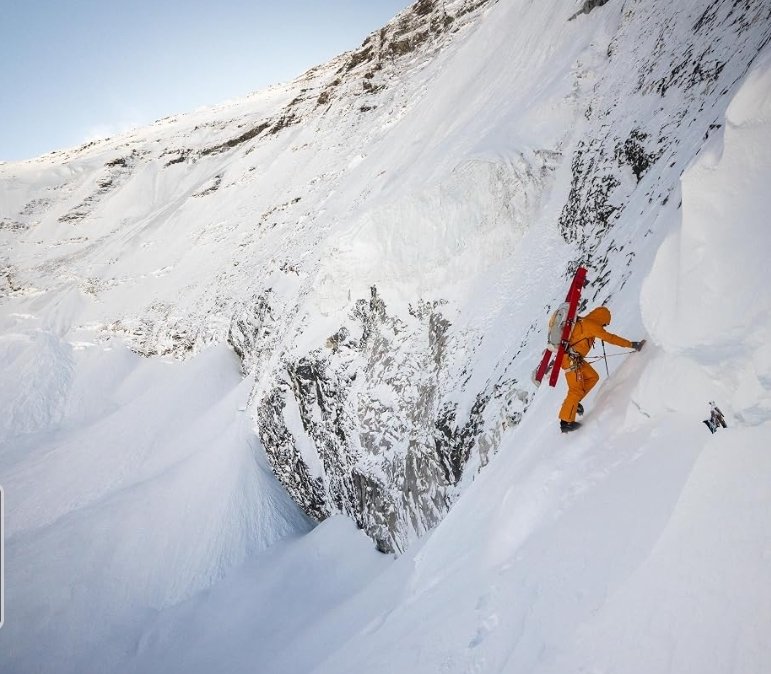
The main expedition focuses on Morrison and Nelson’s attempt to climb the North Face of Everest straight. They wanted to climb and ski down the Hornbein Couloir.
This is a formidable climb; rising up 9,000 feet from approximately 20,000 feet. It has slopes averaging 45 degrees and up to 60 degrees.
This is dangerous if any mistakes are made. Many will have heard of Everest and how it is now a popular destination for commercial climbers. However the North Face is extremely remote and technical, requiring high level skill.
The film does a great job of showing just how difficult the climb is whilst not making it seem like a sport.
Whilst Morrison and Nelson are obviously highly skilled athletes, the psychological side of why people take these risks is explored.
Why would you risk so much to climb a mountain? Why would you do something that could cost you your life? This is a question that is asked throughout the film.
IMAX Cinematography That Takes Your Breath Away
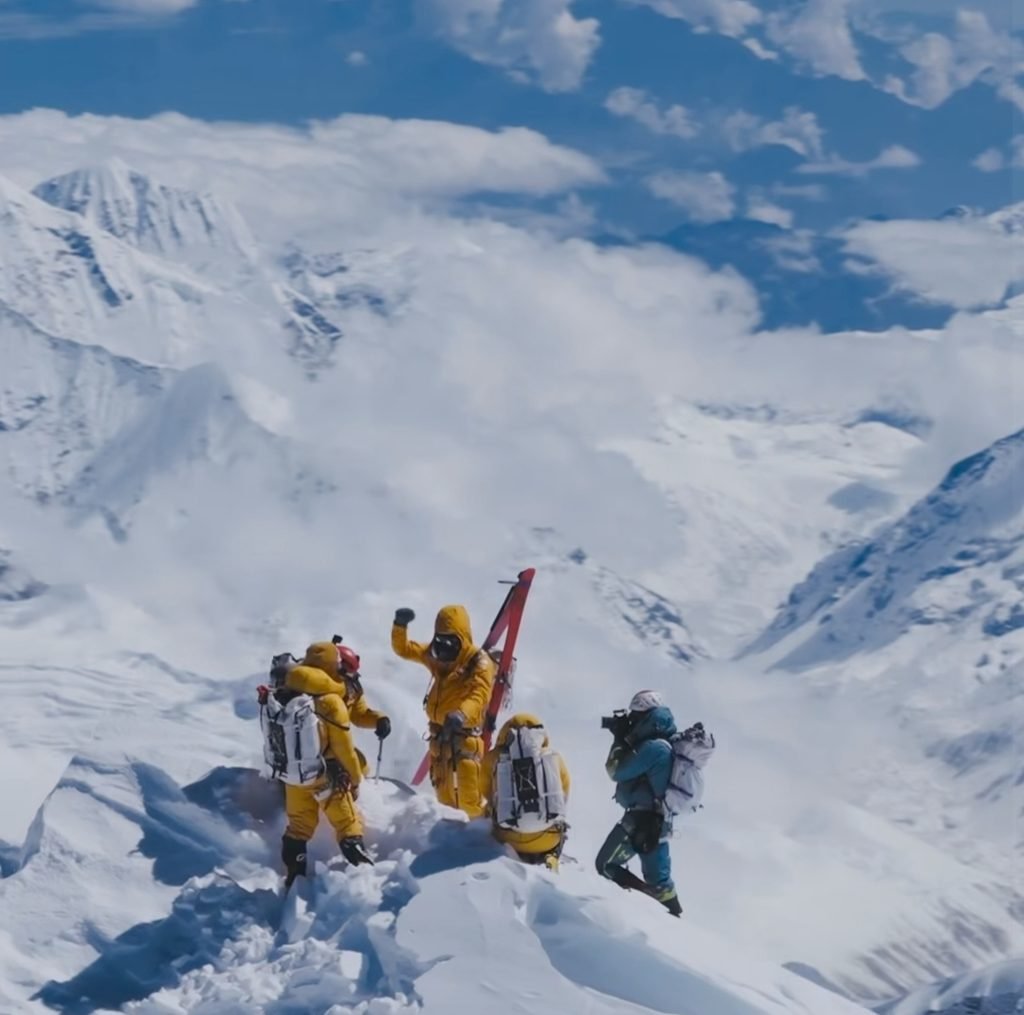
The visual design is incredible, and it’s hard to think of a better film for an IMAX screen. Vasarhelyi and Chin know that they need to show the scale of Everest.
They want to really highlight how exposed the climbers are and just how brutal the environment is.
The cinematography is excellent. They use stunning drone shots, tracking shots and personal point-of-view shoots.
They are using unique custom-built drones which enable them to track the climbers around large sections of the North Face.
Watching this on a regular screen will not give you the same experience as on an IMAX screen. You get massive white slopes stretching across your entire vision.
The climbers also look very small when compared to the huge landscape. This gives a real sense of how steep the route is, making you feel as if you are going to fall off.
It was incredibly technically advanced. They had to use advanced camera equipment at extreme heights, in freezing temperatures and dangerous conditions.
The cinematographers were not just standing back watching, but were in a very dangerous situation. The cinematographers include expert alpine cameramen Mikey Schaefer and Leo Hoorn.
Chin is an expert climber and cinematographer. He knows how physically demanding the expedition would be. This means that he can capture some incredible, immersive and often terrifying scenes.
More Than an Adrenaline-Fuelled Adventure
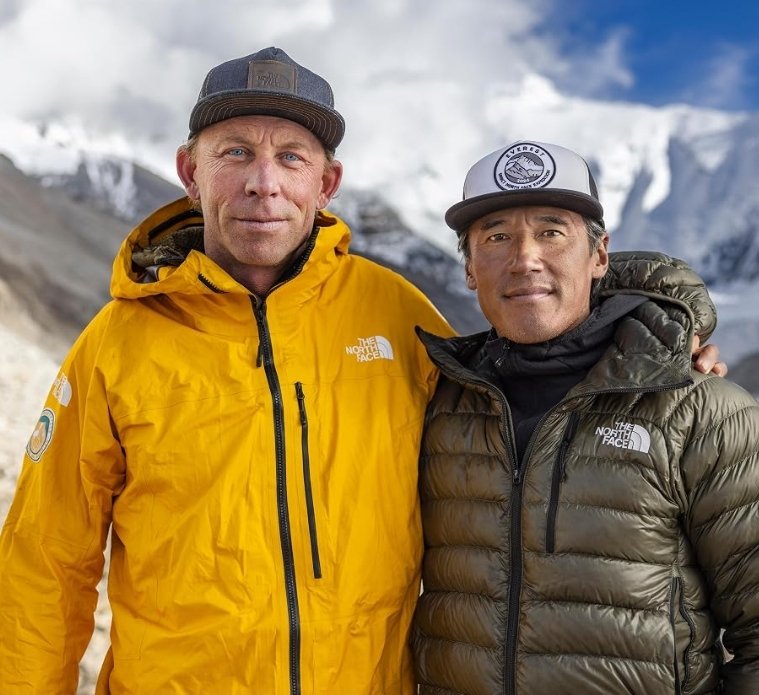
Although the climb on the mountains provide some initial momentum, the film is focused on the people and their character. Morrison and Nelson are extremely driven and have a complex relationship with climbing.
As for Nelson, the documentary shows how successful she was at her sport. It shows how much she loves climbing and the sacrifices she had to make.
She is very honest about the risks she takes and how she has to leave her two teenage sons behind.
This is an important aspect of the documentary as it deconstructs the idea that people who go on extreme adventures are romanticised.
Although they can gain amazing experiences from climbing mountains, they still have families and responsibilities.
The film does question why people take these extreme risks. Vasarhelyi and Chin discuss their own relationship with risk taking and why people would put their lives at risk. This provides an interesting insight into the subject.
There is clearly a conflict between our admiration of the climbers and whether their ambition is worth it.
This isn’t always explored as much as it could be but is one of the most compelling ideas within the film.
A Devastating Shift Towards Grief and Loss
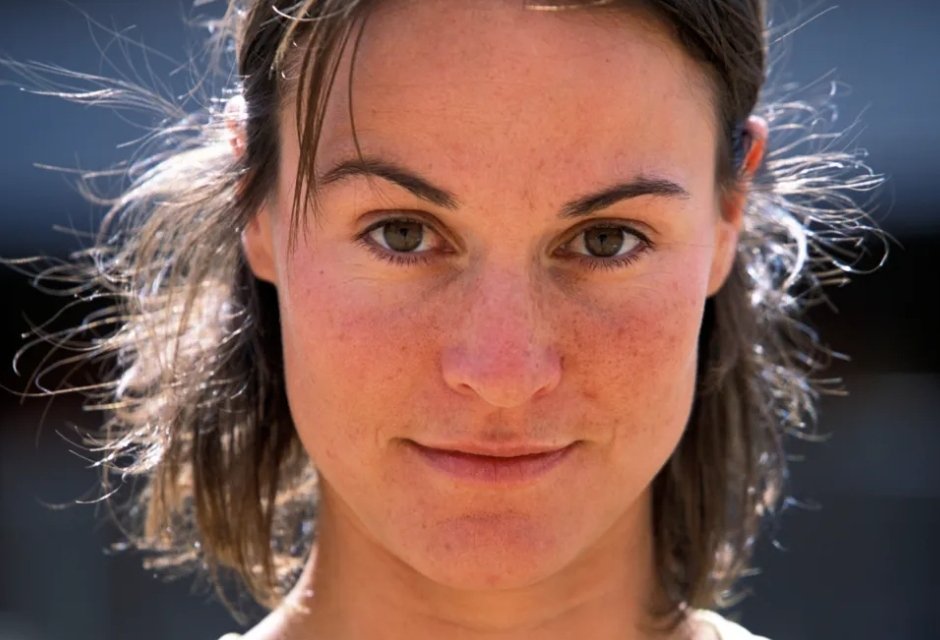
The documentary takes a complete turn after Hilaree Nelson passes away in an avalanche on Mount Manaslu in September 2022.
This results in a much more emotional story being told. Morrison has lost his partner and all he had planned for the two of them.
Whether he should continue with their goal of Everest becomes a more personal decision, based around memories, love and the tough decisions you have to make when someone who shares your biggest ambition isn’t there anymore.
The final third is extremely tense, especially as it focuses on the mental battle Morrison faces. The editing really builds up the suspense and the emotional elements of the story become very prominent. The mountain becomes a place of sadness and determination.
This is where the documentary truly exceeds an average adventure story. The story becomes more about how people deal with loss and whether achieving a mutual ambition can bring any kind of meaning to their lives after the tragedy.
Overall the film brings a lot of emotion to the screen but the way Nelson’s death is portrayed will probably split opinions.
The Ethical Questions Behind the Footage
One of the most challenging aspects of Everest: The Other Side was the inclusion of the footage of the fatal avalanche and Nelson’s recovery.
This is an attempt by the film-makers to show an authentic and realistic version of the events that took place.
However, some may question the need to show every part of such an event in detail. Whilst some viewers may have found the footage necessary to understand the true impact of taking such extreme risks, for some it might have felt like too much to watch and caused concern about exploiting Nelson’s personal tragedy.
The film also raises questions around the ethics of the expedition. Whilst the climbers had incredible ambitions, they were also people who had families and responsibilities.
The risks involved did not always affect just the people that wanted to achieve the goal.
The documentary highlights the difference in motivations between the western athletes and Nepalese guides.
The guides are often working in the dangerous mountains due to financial reasons rather than their own adventurous spirit. This is an important part of the film that could have been discussed more.
Throughout the film there are moments that might make the audience uncomfortable. The film doesn’t really explore how far they should have gone with the expedition considering some were reluctant to take the risks.
Jimmy Chin was also involved with the decisions around the climbing which could have been questioned more.
Instead the emotional aspect of the expedition was focused on more and the decisions could have been challenged more.
A Wider World That Remains Largely Unexplored
Finally, there are not many details about the geopolitics of the North Face. Whilst the expedition was on the Tibetan side of Everest, controlled by China there is very little mention of the wider political aspects.
This is quite noticeable as it is not just about the climbers ability and the weather that can effect whether you can get up the mountain.
Getting permits and restrictions make it a very political situation. This would have been nice to have a lot more detail on.
The commercial aspect of the film cannot be ignored either. The constant inclusion of The North Face is quite uncomfortable at times due to how involved they were with the expedition.
Whilst having sponsors isn’t bad in an adventure film, having a constant brand name can be quite distracting when the film is about human endurance, loss and pushing your limits.
Whilst these things do not take away from the incredible cinematography of the film there are some unanswered questions.
Final Verdict
Everest: The Other Side is a stunning and powerful documentary which follows a beautiful mountaineering story and then evolves into a moving love story.
Elizabeth Chai Vasarhelyi and Jimmy Chin have done an incredible job once again of capturing the environment and cinematography is absolutely beautiful.
Watching it on IMAX is well worth it and really makes you feel like you’re there climbing up The North Face.
The drone shots, POV shots and sheer size of the mountains are some of the most incredible visuals on Everest.
This is what makes the documentary so impactful though. The love story between Jim Morrison and Hilaree Nelson is shown in such an intimate way and when it moves into discussing grief the final act really hits hard and wouldn’t have been achieved with a simple climbing documentary.
There are some issues with the documentary though. Showing footage from around Hilaree Nelson’s death can cause ethical questions and the film could have done more to highlight the immorality of taking such risks.
Alongside this the film doesn’t really go into much depth about the political situation in Tibet and there was a lot of sponsorship involved which made me feel uncomfortable.
Overall though this is an incredible documentary. It shows the beautiful yet harsh nature of the mountains and reminds us that these amazing achievements come from humans.
This is a visually stunning and emotional film which should definitely be watched on the largest screen possible.