Love Hurts: A Review

Love Hurts Review – A Chaotic but Entertaining Action Romance
Watching Love Hurts in theaters felt like stepping into a genre mashup that constantly tests its own limits. From the opening scene, the film blends action, comedy, and emotional tension with ambitious yet uneven results.
At first, I expected a straightforward action comedy with simple jokes and predictable fight sequences throughout. Instead, the story quickly reveals bigger ambitions, juggling romance, family drama, and explosive confrontations.
Because of that, the tone shifts frequently, sometimes smoothly and other times with noticeable awkwardness. However, I stayed engaged, curious about how this unusual mix of styles would ultimately come together.
When the first major fight erupts, the movie makes its intentions completely clear. It wants to surprise viewers constantly, even if those surprises occasionally feel chaotic.
Most importantly, the story wastes no time establishing stakes and launching Marvin into immediate danger. As a result, the pacing feels urgent, pushing events forward before audiences can fully settle in. Even before the larger plot unfolds, the film’s restless energy pulls you into Marvin’s complicated world.
Meeting Marvin Gable
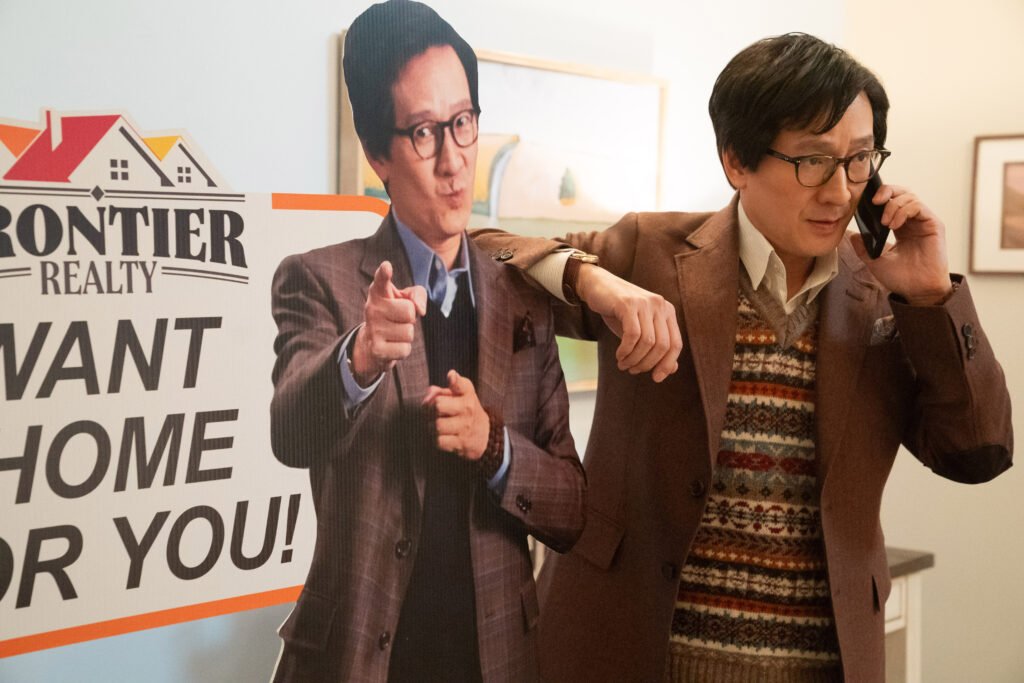
Ke Huy Quan plays Marvin Gable, a former hitman who now lives quietly as a suburban real estate agent. This sharp contrast between violent past and peaceful present forms the story’s most compelling foundation.
Marvin appears polite, soft spoken, and obsessively organized, almost as if he hides secrets behind routine. He arranges paperwork carefully, greets clients warmly, and subtly scans every room for threats.
Through these small gestures, the film reveals his instincts never truly disappeared. Instead of heavy exposition, his body language quietly tells us everything about his history.
I especially appreciated how Quan balances nervous humor with steady confidence throughout his performance. Consequently, Marvin feels believable, not like a cartoon assassin awkwardly placed in suburbia.
He moves cautiously, even while discussing kitchen renovations or backyard landscaping ideas with clients. Therefore, tension simmers beneath ordinary conversations, adding depth to otherwise simple scenes.
When the Past Crashes Back
The real story begins when attackers interrupt what should have been a routine home showing. Rather than panic, Marvin adapts instantly, transforming everyday furniture into improvised defensive weapons.
I genuinely enjoyed watching him weaponize household objects with surprising creativity and efficiency. For example, chairs, décor, and kitchen tools suddenly become tools for survival.
Because of this inventive choreography, the fight scenes feel playful yet genuinely intense. They reveal who Marvin truly is beneath his carefully maintained professional exterior. Soon afterward, it becomes clear that his peaceful suburban life will not last much longer. Danger follows him relentlessly, forcing him to confront unfinished business from his former life.
Rose Returns With Complications
Ariana DeBose plays Rose, Marvin’s former partner who reenters his life with emotional urgency. Her sudden return immediately shifts the tone toward romance, regret, and unresolved tension. In many ways, Rose’s bold personality contrasts sharply with Marvin’s cautious restraint.
As a result, their scenes spark with energy, even when the script rushes emotional development. Although their shared history clearly matters, the film rarely pauses long enough to explore it fully. I wanted more quiet conversations that unpacked their past and complicated feelings.
Still, subtle glances and restrained dialogue hint at deeper emotions beneath the surface. Therefore, the romance works in fragments, even if it never feels entirely complete.
Family Conflict Raises the Stakes
The introduction of Marvin’s brother, Knuckles, dramatically intensifies both danger and emotional conflict. He represents the violent world Marvin desperately tried to escape years earlier. Because of that connection, their confrontations feel deeply personal rather than purely professional.
Because of that connection, their confrontations feel deeply personal rather than purely professional. Resentment and unresolved family tension simmer beneath every heated exchange. Importantly, the film avoids excessive backstory, trusting viewers to read between emotional lines.
That restraint keeps scenes moving while still suggesting meaningful shared history. Consequently, the action carries emotional weight instead of functioning as empty spectacle.
The Open House Fight Scene
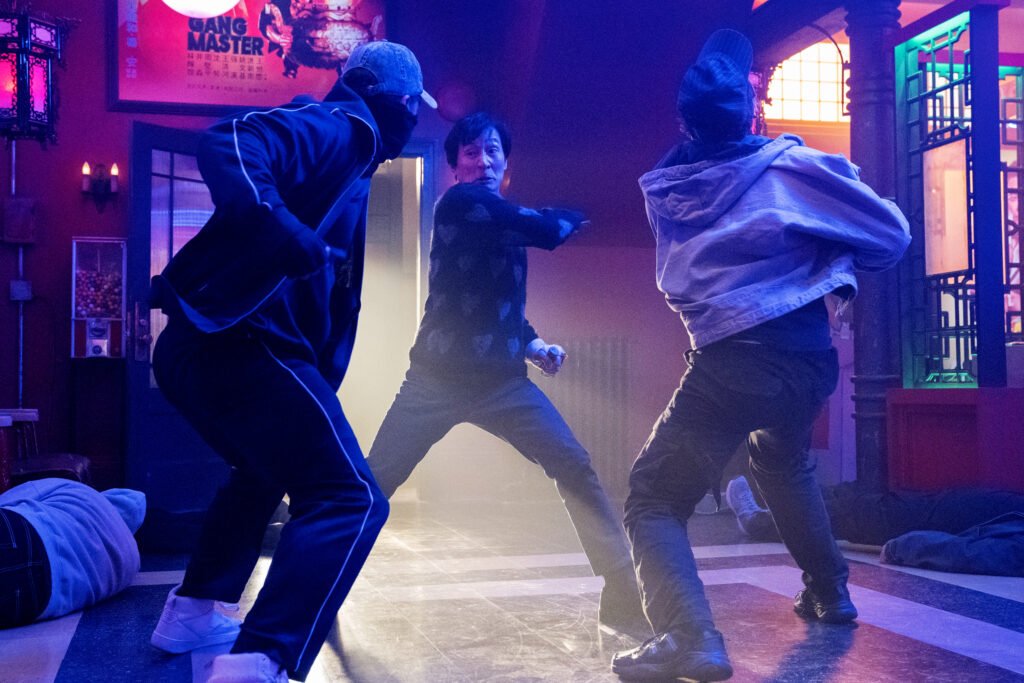
One standout sequence unfolds during a chaotic open house filled with unsuspecting buyers. As potential clients wander casually, hidden threats transform the suburban property into a battleground. Marvin creatively uses utensils, furniture, and even appliances to defend himself resourcefully. Therefore, the confined rooms become inventive arenas for tightly choreographed confrontations.
This sequence perfectly balances absurd humor with impressive physical coordination and timing. Because of its creativity, the scene stands out as the film’s most memorable highlight.
Humor That Both Helps and Hurts
The movie relies heavily on situational humor and awkward timing during violent encounters. Often, Marvin’s dry muttered complaints generate more laughs than exaggerated punchlines. I laughed when he grumbled mid fight, sounding more inconvenienced than terrified. However, some jokes interrupt tension just as suspense begins building effectively.
At times, the film pauses for humor when it should push dramatic momentum forward. Even so, the comedy usually softens the violence, keeping the tone accessible and light.
Action With Personality
Unlike many modern action films, these fights emphasize intelligence over brute force. Marvin studies his surroundings carefully, calculating options before striking decisively. Because of that thoughtful approach, each confrontation feels distinct and purposeful. Instead of endless punching, the choreography highlights clever improvisation and strategy.
The camera frequently stays close to Marvin’s expressions during critical moments. Consequently, viewers notice hesitation, doubt, and vulnerability beneath his skill. That emotional detail makes the action more personal and easier to invest in.
Valentine’s Day Adds Ironic Charm
The story unfolds around Valentine’s Day, layering romantic imagery over violent confrontations. Hearts, decorations, and love themed marketing contrast sharply with brutal hand to hand combat. This visual irony adds personality, even when the holiday theme feels underdeveloped narratively. Nevertheless, the clash between romance and revenge creates amusing tonal contrast.
Where the Film Struggles
Despite strong performances and inventive action, tonal transitions sometimes feel uneven. One scene leans into slapstick comedy, while the next explores serious family trauma. Because these shifts happen quickly, emotional momentum occasionally suffers noticeable disruption. Additionally, the romance between Marvin and Rose deserved more gradual development. Important emotional beats arrive abruptly, without sufficient buildup to feel fully earned. Although these issues do not ruin the experience, they prevent complete cohesion.
Final Verdict
Overall, Love Hurts delivers an energetic blend of action, comedy, and romantic tension. Ke Huy Quan anchors the chaos with charm, vulnerability, and impressive physical commitment. While the love story lacks deeper exploration, it still adds texture and emotional stakes. Meanwhile, the inventive fight choreography keeps the momentum lively and entertaining.
Ultimately, Love Hurts succeeds as a fun, action driven Valentine’s Day spectacle. Although it never becomes a profound romance, it remains an enjoyable and surprisingly heartfelt ride.