
Bring Her Back: A Refreshing take on Horror
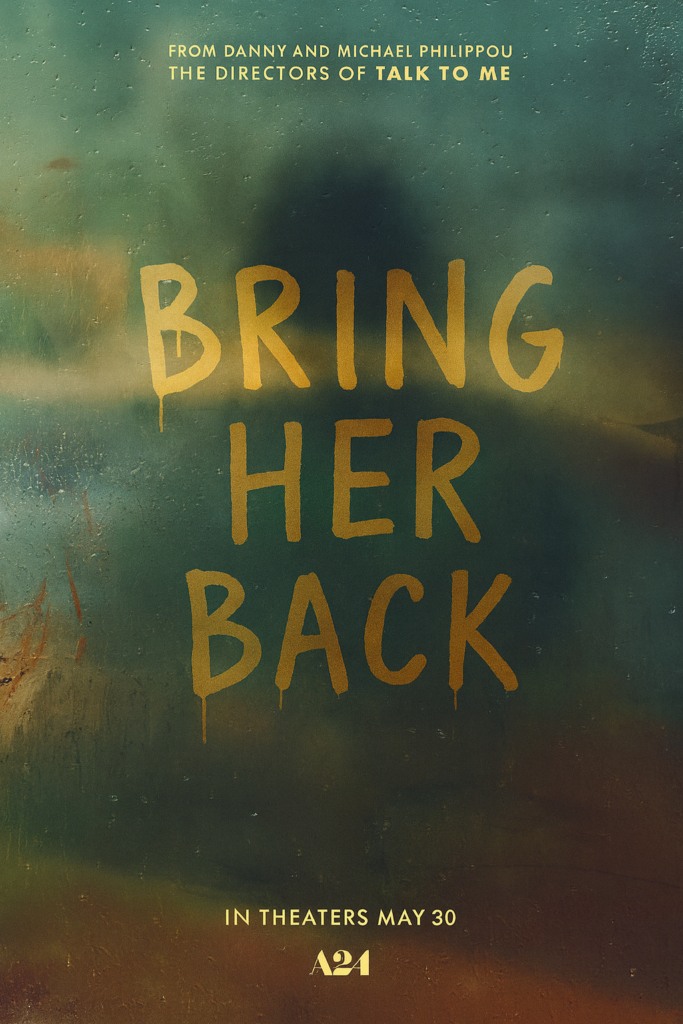
Bring Her Back: A Review.
Bring Her Back is a 2025 Australian supernatural folk horror film that pushes emotional boundaries with intense storytelling and striking visual style. Danny and Michael Philippou direct the film with a seriousness that marks a clear shift from their earlier work. Danny co-wrote the screenplay with Bill Hinzman, creating a story that blends grief, trauma, and occult horror with unsettling precision. The cast includes Billy Barratt, Sora Wong, Jonah Wren Phillips, and Sally Hawkins, who all deliver powerful performances that elevate the film’s emotional weight.
The Story
Bring her back, follows Andy (Barratt) and Piper (Wong), two step-siblings who lose their father and enter the care of foster mother Laura. Their grief feels raw and immediate, which makes their new environment feel even more unstable. Soon, they sense something deeply wrong in the house, and tension grows with every disturbing clue. Laura’s behavior becomes increasingly alarming, and the siblings realize she is performing a dangerous occult ritual. The ritual aims to bring back someone she lost, and her desperation creates terrifying consequences for everyone involved.
Behind the Scenes
The Philippou brothers approached Bring Her Back with a seriousness shaped by personal tragedy. They experienced the deaths of a cousin’s child and a close family friend during the writing process. Their grief influenced the script and infused the story with emotional heaviness. Scenes that were meant to frighten instead gained a sorrowful tone that deepened the film’s impact. This emotional shift makes the horror feel grounded and painfully human.
Bring Her Back drew inspiration from psychological thrillers like “What Ever Happened to Baby Jane?” and Bong Joon-ho’s “Memories of Murder.” These influences helped shape the film into a character-driven horror story with a strong psychological edge. The directors even walked away from a major “Street Fighter” adaptation to pursue this project. Their commitment shows in every frame, especially in the film’s practical effects. The team used real props, prosthetics, and physical materials to create visceral moments that feel disturbingly authentic.
Direction and Style
The Philippous moved away from the accessible scares of “Talk to Me” and embraced a more artistic approach with Bring Her Back. Their direction focuses on emotional tension rather than quick shocks. This shift creates a slow-burning dread that lingers long after scenes end. Danny handled color grading and visual effects, while Michael oversaw sound and music. Their personal losses shaped the film’s tone and gave it a therapeutic quality that feels honest and painful.
Cinematographer Aaron McLisky used a bleak green-gray palette that reinforces the film’s oppressive atmosphere. Water imagery appears throughout the film and adds symbolic weight to the story. The camerawork feels intimate and deliberate, especially during scenes that mimic Piper’s impaired vision. The opening uses grainy VHS-style footage that sets a haunting tone immediately.
Danny even shot some ritual scenes on a Mini DV camera to enhance the unsettling texture. The production relied heavily on practical effects, which gives Bring Her Back a gritty realism. Two special effects teams worked on the prosthetics and gore, creating disturbing visuals that feel grounded rather than exaggerated. The sound design is equally unsettling, using layered textures that feel invasive and uncomfortable. The foster home itself becomes a character, filled with symbolic objects that hint at the occult forces shaping the story.
Themes and Meaning
Bring Her Back, explores grief with unflinching honesty. It examines how loss can twist someone’s sense of reality and push them toward dangerous choices. Laura represents the destructive side of grief, showing how desperation can lead someone to defy the natural order. Her refusal to accept death drives the story and creates the film’s most terrifying moments.The sibling relationship adds emotional depth and highlights the vulnerability of children in unstable environments. Andy tries to protect Piper, but he struggles against forces far beyond his control. Their dynamic reflects the painful powerlessness that many survivors of abuse experience. The film also critiques the foster care system and exposes the emotional complexities that come with trauma, guilt, and misplaced loyalty.
The supernatural elements act as metaphors for unresolved grief and the horror of trying to reverse death. The rituals symbolize the corruption that spreads when someone refuses to accept loss. This thematic layering gives the film a richness that elevates it beyond standard horror.
The Performances
The acting stands out as the film’s greatest strength. Sally Hawkins delivers a chilling performance that transforms her usual warmth into something deeply unsettling. She makes Laura both sympathetic and terrifying, which creates a complex villain driven by unbearable grief. Her performance feels raw and emotionally charged.Sora Wong gives a remarkable debut as Piper. Her real-life visual impairment adds authenticity to the role and enhances the film’s emotional impact. She plays Piper with vulnerability and strength, creating a character who feels fully human rather than symbolic.
Billy Barratt brings emotional depth to Andy, capturing his guilt and trauma with impressive nuance. His chemistry with Wong forms the emotional core of Bring Her Back. Jonah Wren Phillips delivers a haunting performance as Oliver, the mute foster child. His physical acting in several disturbing scenes feels shockingly convincing for someone so young.
What Didn’t Work for Me
The film’s relentless bleakness becomes overwhelming. The story offers no moments of relief, which makes the experience feel exhausting. The violence involving children feels excessive at times and leans toward shock value rather than meaningful storytelling. Some scenes feel unnecessarily graphic and distract from the film’s emotional themes.The plot becomes predictable early on, especially with a title that reveals the central twist.
The supernatural mythology feels underdeveloped, leaving important details vague and confusing. The pacing also feels uneven, with a slow opening and a rushed ending. Some character decisions feel forced and exist only to move the plot forward. The subplot involving the siblings’ father feels unresolved and adds little to the story.
The ending lacks emotional payoff and leaves the story feeling incomplete. Some viewers may appreciate the ambiguity, but I found it unsatisfying. The film raises powerful themes but does not explore them as deeply as it could.
Final Thoughts
Bring Her Back” stands out as one of the most ambitious horror films of 2025. The performances, especially Sally Hawkins’ chilling portrayal of Laura, elevate the film to something memorable. The atmosphere is rich, oppressive, and beautifully crafted. However, the film’s extreme bleakness and graphic violence make it difficult to recommend to everyone. It is a film I respect for its artistry and emotional honesty, even if I did not fully enjoy the experience.




Pingback: If You Like Weapons Then You Will Love These 7 Movies!