HIM (2025) Review
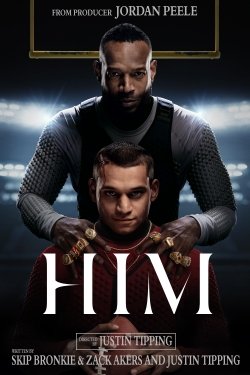
HIM (2025) Review – A Bold Sports Horror That Collapses Under Its Own Symbolism (Warning contains Spoilers)
HIM (2025) comes with serious ambition and even heavier expectations. Director Justin Tipping attempts to fuse sports drama with psychological horror. The film comes from Monkeypaw Productions, founded by Jordan Peele. Immediately, that association raises the bar. Him follows Cameron Cade, played by Tyriq Withers. Cameron stands as a rising quarterback with professional dreams. However, he lacks the polish scouts demand.
Soon, legendary athlete Isaiah White enters his orbit. Marlon Wayans plays Isaiah with unsettling intensity. Isaiah invites Cameron to train at his isolated compound. At first, the mentorship feels promising. However, tension quickly replaces admiration. Gradually, Him transforms into a disturbing psychological descent. Ultimately, Him questions what young athletes sacrifice for greatness. It also examines who profits from those sacrifices.
A Strong Performance from Marlon Wayans
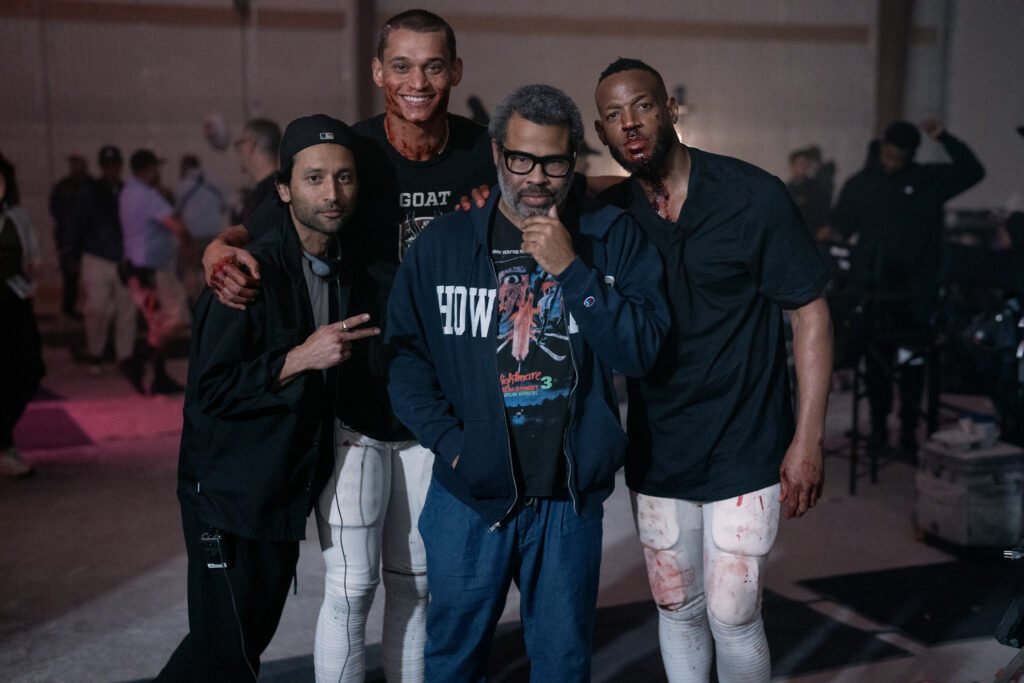
First and foremost, Marlon Wayans delivers the film’s strongest element. He abandons comedy instincts and embraces menace. Every smile carries calculation. Every compliment feels loaded with manipulation. Furthermore, Wayans gives Isaiah unsettling charisma. He commands rooms without raising his voice. He praises Cameron while quietly dismantling his confidence. Consequently, Isaiah feels both mentor and predator. That duality drives the film’s tension.
Tyriq Withers Anchors the Emotional Core
Meanwhile, Tyriq Withers grounds the film emotionally. He portrays Cameron as determined yet fragile. His vulnerability never feels exaggerated. Importantly, Withers communicates doubt through subtle physical choices. His posture tightens during criticism. His eyes search for approval constantly. As a result, Cameron’s desperation feels painfully authentic. The dynamic between Withers and Wayans fuels the narrative. When they share scenes, electricity fills the frame.
Visually Striking and Deeply Unsettling
Visually, Him refuses subtlety. Cinematographer Kira Kelly crafts aggressive, hyper-stylized imagery. The X-ray collision sequences stand out immediately. Bones crack in graphic transparency. Ligaments tear in slow, horrifying detail. These moments force viewers to confront football’s physical brutality. They remove glamour from impact. They replace spectacle with damage.
Additionally, composer Bobby Krlic layers the film with ominous, pulsating tension.
The score rarely relaxes. Instead, it vibrates beneath scenes like suppressed anxiety. Consequently, Him creates constant unease.
A Narrative That Loses Control
Despite technical strengths, Him struggles structurally. The first act establishes character and premise effectively. However, momentum fades quickly. Long training montages repeat similar beats. Conversations circle identical themes. Progress feels stalled rather than escalated. Then, without sufficient buildup, the finale explodes into chaos. Symbolism overwhelms logic. Imagery replaces coherence. As a result, Him feels unfinished rather than intentionally ambiguous.
Religious Symbolism Overload
One cannot discuss Him without addressing its religious imagery. The title alone invites theological interpretation. Cameron appears posed like a crucifixion figure in promotional material. He spreads his arms in exhausted surrender repeatedly. Lighting often frames him with halo-like intensity. At one point, a dinner scene mirrors The Last Supper overtly. Team owners surround Cameron in staged reverence.
Meanwhile, Isaiah carries the “G.O.A.T.” label constantly. That nickname references greatness. However, it also echoes scapegoat symbolism. By the climax, occult imagery dominates. Masked figures gather in ritualistic staging. Contracts resemble sacrificial pacts. Individually, these ideas provoke thought. Collectively, they overwhelm narrative clarity. Therefore, Him drowns in its own symbolism.
Toxic Masculinity as Central Conflict
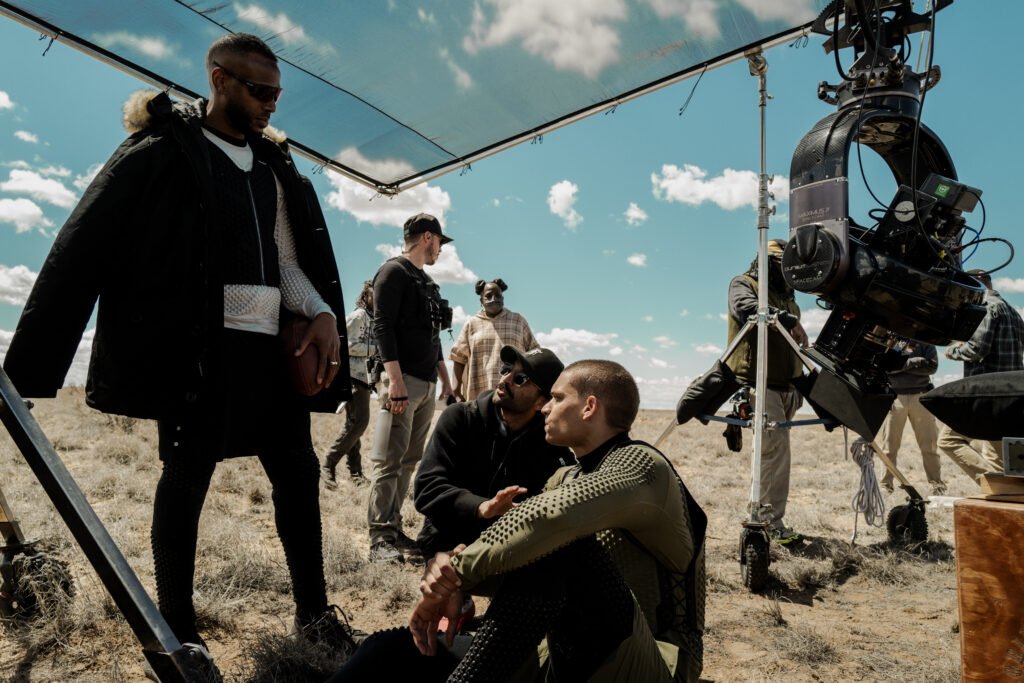
Beneath the spectacle, Him explores toxic masculinity sharply. Isaiah weaponizes insecurity expertly. He mocks Cameron’s emotional openness. He labels vulnerability as weakness. Through this dynamic, the film critiques sports culture. It exposes how institutions equate masculinity with suppression. However, the script introduces this theme without full development. Conversations hint at complexity. Yet the narrative rushes past emotional consequences. Consequently, the commentary feels incomplete.
The Physical Cost of Greatness
Where Him succeeds most clearly involves bodily destruction. The X-ray visuals remove abstraction from injury. They present pain with clinical honesty. Additionally, references to performance-enhancing drugs surface repeatedly. Athletes inject substances casually. Coaches ignore warning signs deliberately. Through these details, Him critiques professional sports exploitation powerfully. Unfortunately, that clarity fades during the final act. Symbolism replaces grounded critique.
Aggressive Editing and Sensory Overload

Stylistically, Justin Tipping embraces disorientation. Rapid cuts interrupt dialogue. Strobe effects punctuate emotional breakdowns. While this approach mirrors Cameron’s psychological unraveling, it exhausts viewers. Scenes blur together rather than escalate meaningfully. Moreover, loud score choices sometimes overpower dialogue. Important exchanges lose clarity. Consequently, Him prioritizes sensation over comprehension.
Characters That Never Fully Form
Despite strong performances, character depth remains limited. We understand Cameron’s ambition and insecurity. However, we rarely glimpse his life beyond football. Similarly, Isaiah’s mythology overshadows his humanity. We see manipulation clearly. Yet we never see genuine internal conflict. Therefore, emotional investment weakens. A film about sacrifice demands intimacy. Him often substitutes spectacle for that intimacy.
A Story About Faustian Bargains
At its heart, Him explores ambition’s dark bargain. Cameron craves validation and legacy. Isaiah offers both at terrible cost.
This dynamic echoes classic Faustian storytelling.
Power demands sacrifice.
Fame demands surrender.
Unfortunately, the script complicates that simplicity unnecessarily. It layers metaphor upon metaphor without restraint.
Therefore, the core tragedy loses clarity
Final Thoughts on Him (2025)
Ultimately, Him contains powerful ideas about exploitation and identity. It showcases exceptional performances from Marlon Wayans and Tyriq Withers. It presents visually daring sequences that linger vividly. However, ambition overwhelms discipline. Symbolism crowds character. Style overshadows story. I admire what Him attempts. I respect its boldness. Yet I cannot ignore its structural flaws
There exists a sharper, more focused film within this concept. Unfortunately, Justin Tipping buries that version beneath excess. In conclusion, Him stands as a visually striking but narratively uneven thriller. It challenges viewers boldly. However, it rarely rewards them emotionally.