Sisu 2 (2025) Review – Bigger, Bloodier, and Surprisingly More Personal
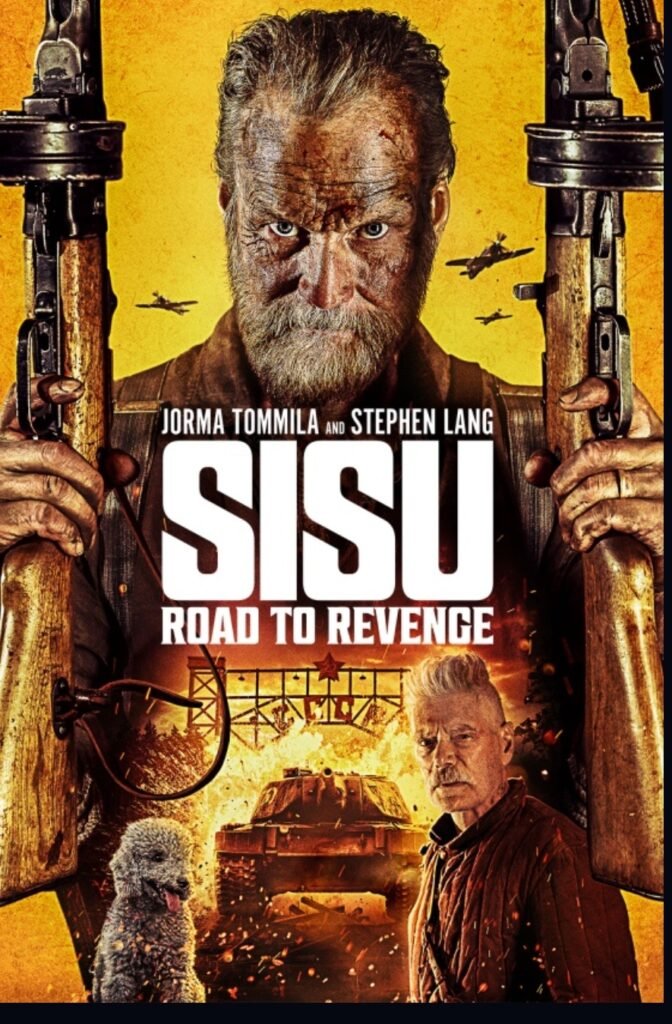
Introduction: Sisu 2: Road To Revenge
Sisu 2, also known as Sisu: Road to Revenge, marks the return of writer and director Jalmari Helander after the cult success of Sisu. Once again, Jorma Tommila steps into the boots of Aatami Korpi. Meanwhile, Stephen Lang and Richard Brake join the cast, raising the stakes considerably.
Going into this sequel, I wondered whether lightning could strike twice. However, by the final frame, I had my answer. This sequel does not reinvent the formula. Instead, it sharpens it, deepens it, and drenches it in even more chaos.
Most importantly, Sisu 2 understands exactly what made the original work. Therefore, it leans into that identity with unapologetic confidence.
A Story Fueled by Grief and Relentless Vengeance
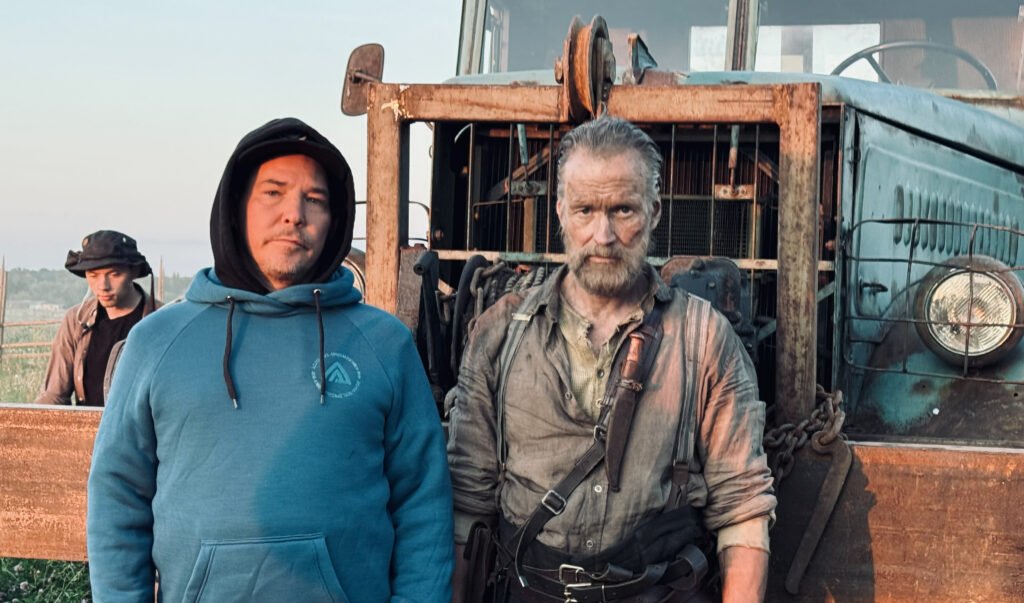
At first, the film opens on a surprisingly somber note. Aatami Korpi returns to the ruins of his former home. This was the place where war stole his family. Rather than rebuilding on the same soil, he dismantles the house plank by plank. Then, he loads the wood onto a truck. Afterward, he sets out to rebuild somewhere safer.
That decision feels symbolic and deeply personal. He literally carries his past across unforgiving terrain. Consequently, the emotional stakes immediately feel heavier than before. Soon enough, the story ignites. The Red Army commander responsible for his family’s death resurfaces. He now seeks to eliminate Korpi permanently.
From that moment forward, the film rarely slows down. A brutal chase unfolds across forests, frozen plains, and war-torn outposts. Each confrontation escalates the violence. Each narrow escape raises the tension. Unlike the first film, this narrative centers on unfinished grief rather than survival alone. Therefore, every explosion carries emotional weight. Every punch lands with purpose.
Jorma Tommila Elevates the Myth of Aatami Korpi
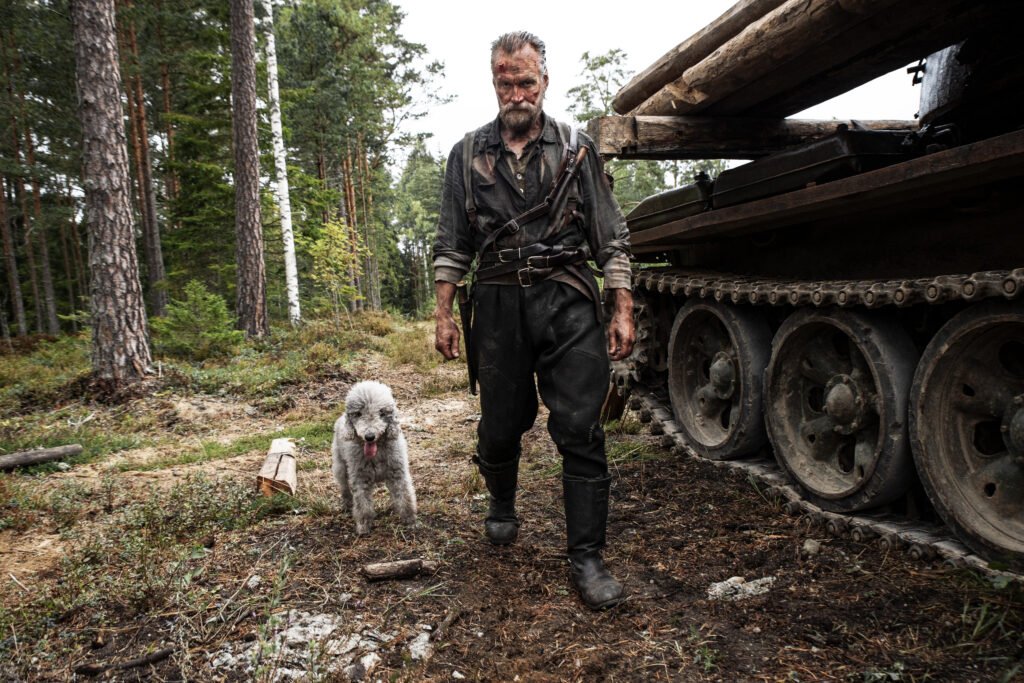
Once again, Jorma Tommila dominates the screen without relying on dialogue. In fact, his silence strengthens the character’s presence. Tommila builds Korpi through posture, breath, and gaze. His movements feel deliberate and heavy. Moreover, his stillness often feels more threatening than any weapon.
What impressed me most involves his physical credibility. Despite the film’s increasingly absurd action, Tommila grounds every sequence. He never looks artificial. Instead, he looks relentless. At his age, that physical command feels remarkable. Every fall looks painful. Every strike feels weighted. Consequently, the spectacle never drifts into parody.
Even more importantly, Tommila conveys layered emotion without speaking. Grief lingers behind his eyes. Fury simmers beneath restraint. Occasionally, dry humor flickers across his expression. That subtle performance transforms Korpi from action archetype into living legend. He embodies “sisu” not as superhero bravado, but as stubborn endurance. Therefore, the film never feels hollow.
Jalmari Helander Embraces Controlled Chaos
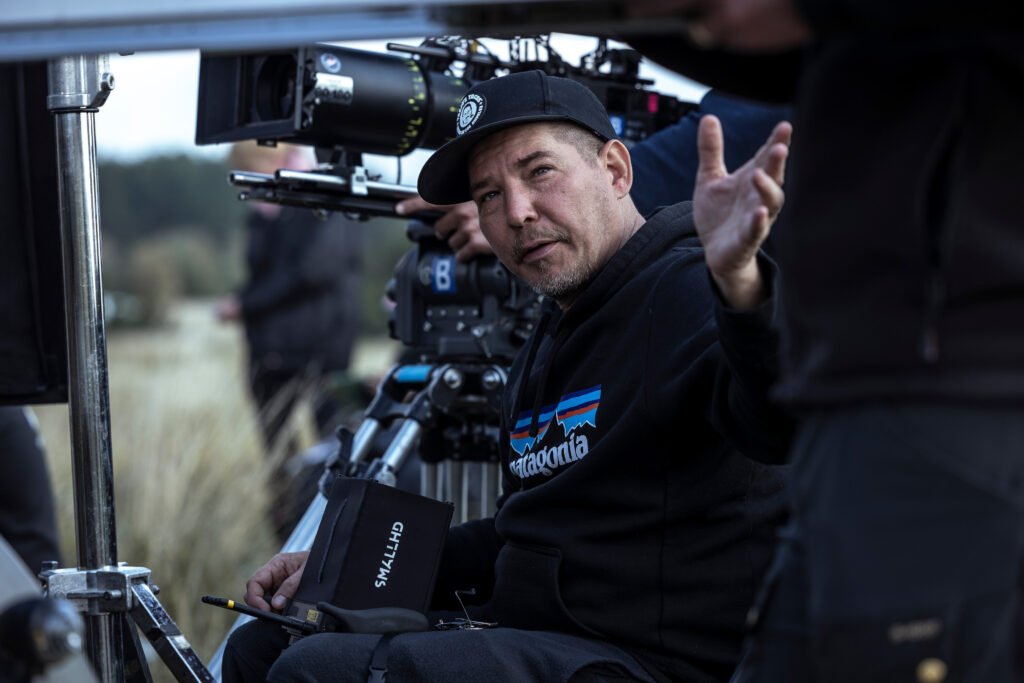
Jalmari Helander directs with absolute clarity of tone. He never pretends this story reflects strict realism. Instead, he embraces exaggeration with purpose. This sequel blends war drama, revenge thriller, western imagery, and grindhouse brutality. Surprisingly, those elements coexist smoothly.
Wide landscape shots evoke classic westerns. Meanwhile, close-quarters violence channels exploitation cinema. However, the wartime setting grounds everything in historical darkness. Helander balances brutality with restraint. He inserts quiet moments that allow trauma to breathe. Consequently, the film avoids becoming nonstop noise.
Those quieter beats matter. They remind us that Korpi does not chase violence. Violence pursues him relentlessly. That tension shapes the entire tone.
Action Set Pieces That Escalate Without Apology
If the first Sisu impressed audiences, Sisu 2 pushes further without hesitation. The film unleashes minefields, knife duels, motorcycle pursuits, and aerial chaos. Each sequence feels meticulously staged. Moreover, creativity drives every kill and escape. Helander rarely repeats himself. Instead, he finds new ways to escalate absurdity.
One aerial pursuit sequence stands out visually. However, some CGI elements look less convincing. While noticeable, they never fully derail momentum. Importantly, the violence remains stylized rather than realistic. Blood sprays theatrically. Physics bends for spectacle. Yet, the choreography retains clarity.
As a result, the action feels cathartic instead of exhausting. The film understands its pulpy identity and commits fully. That said, pacing occasionally falters. Certain stretches mirror the original film’s structure too closely. Although never dull, familiarity creeps in.
A Villain With Personal Weight

Stephen Lang’s Igor Draganov adds welcome emotional gravity. He does not function as a faceless antagonist. Instead, he represents Korpi’s deepest wound. Lang delivers a performance rooted in obsession and bitterness. His intensity mirrors Korpi’s stoicism. Consequently, their rivalry feels inevitable.
Every confrontation between them carries tension beyond survival. This conflict stems from family, memory, and revenge. Therefore, their final clash resonates emotionally. Richard Brake also contributes unsettling energy in supporting moments. His presence amplifies unpredictability. By personalizing the antagonist, the sequel strengthens its narrative focus.
Themes Beneath the Bloodshed
Beneath the spectacle, Sisu 2 explores trauma and displacement. Korpi seeks peace by rebuilding his home elsewhere. However, the past refuses to release him. The film suggests that war reshapes identity permanently. Some scars never fade. Some battles never end internally.
Korpi does not crave conflict. Yet conflict tracks him relentlessly. That tragic irony adds emotional depth. Furthermore, the act of transporting his house symbolizes unresolved grief. He carries memory physically and psychologically. Consequently, the violence never feels random. This thematic layer distinguishes the sequel from pure action fare.
Final Verdict – A Worthy and Relentless Sequel
Ultimately, Sisu 2 succeeds because it knows its identity. It does not chase trends. Instead, it refines its brutal simplicity. The action grows larger. The villain feels more personal. The emotional undercurrent runs deeper.
Yes, minor pacing issues exist. Yes, certain sequences echo the original too closely. Nevertheless, the film delivers where it matters most. Jorma Tommila anchors the chaos with unwavering presence. Jalmari Helander directs with bold consistency. Together, they craft a sequel that feels both familiar and intensified.
By the end, I felt exhausted yet satisfied. Sisu 2 offers a lean, savage, darkly humorous revenge epic. Moreover, it reinforces Aatami Korpi as one of modern action cinema’s most memorable silent warriors. In conclusion, Sisu 2 does not simply repeat history. Instead, it doubles down on fury, grief, and unstoppable resolve.