Ella McCay Review (2025) – James L. Brooks’ Political Comedy Misses the Moment
Introduction
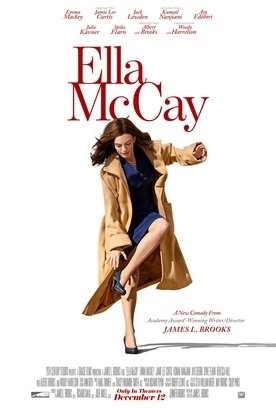
Ella McCay marks the long-awaited return of James L. Brooks. Naturally, expectations ran high. However, despite a stacked cast and timely premise, the comeback never fully arrives. Instead, the film feels outdated, overlong, and strangely disconnected from modern politics. Although it aims for warmth and sincerity, it often feels unfocused and tonally confused.
A Comeback That Feels Stuck
I wanted to like Ella McCay. After all, Brooks built his reputation on character-driven storytelling. Moreover, the promise of a heartfelt political comedy sounded refreshing. Yet by the end of its nearly 140-minute runtime, I felt drained rather than moved. Instead of delivering sharp insight, the film drifts between satire and melodrama. As a result, emotional investment becomes difficult.
The Premise: A Political Fable Without Urgency
Set during the 2008 Great Recession, the story follows a young lieutenant governor who suddenly steps into power. Ella becomes governor when her mentor joins the President’s cabinet. The film frames the story through her secretary, who narrates events and breaks the fourth wall. Consequently, the narrative feels more like a fable than a grounded drama.
In theory, that choice could create timeless resonance. However, the refusal to name the state or engage real political specifics creates distance. Rather than feeling universal, the setting feels hollow. Furthermore, the 2008 backdrop avoids modern political realities. Today, that avoidance feels less comforting and more naive.
Story and Themes: Too Many Threads, Too Little Focus
At its core, the film explores idealism. Ella believes integrity will triumph over cynicism. Meanwhile, her personal life spirals with family chaos and marital scandal. Her father cheats constantly. Her aunt fiercely protects her. Her brother struggles with severe agoraphobia.
On paper, this material promises depth. In execution, it overwhelms the narrative. The script introduces trauma, suicide, mental illness, and ethics. Simultaneously, it pushes screwball humor and exaggerated dialogue.
Instead of blending smoothly, these tones clash. Therefore, serious themes lose impact. The central scandal involving secret encounters on government property drives the third act. Unfortunately, it feels flimsy and strangely prudish.
Compared to real-world scandals, the stakes seem artificial. Consequently, the drama never carries the weight it demands.
Direction and Style: A Throwback That Feels Out of Step
James L. Brooks embraces rapid dialogue, overt sentimentality, and theatrical performances. Clearly, he aims to revive classic screwball energy. However, in a 2025 release, this approach feels jarring.
Frequent narration and fourth-wall breaks disrupt immersion. As a result, the world never feels lived in. Moreover, the editing feels inconsistent. Scenes appear stitched together rather than organically shaped.
Visually, the film benefits from the cinematography of Robert Elswit. He bathes the story in a soft, wintry glow. Meanwhile, Hans Zimmer delivers a lush, emotional score. Nevertheless, the music often signals feelings the script fails to earn. Instead of enhancing subtle moments, the score overwhelms them.
Performances: Talent Without Cohesion
Emma Mackey anchors the film with determination. She commits fully and rarely leaves the screen. Even so, the script cannot decide whether Ella is capable or naive. Mackey bridges that gap as best she can.
Jamie Lee Curtis delivers the strongest performance. Her sharp, focused presence briefly stabilizes the tone. Similarly, Albert Brooks brings familiar bluster and vulnerability to the mentor role.
In addition, Kumail Nanjiani lands much of the intended humor with ease. Unfortunately, others receive thin material. Woody Harrelson never deepens beyond caricature.
Meanwhile, Ayo Edebiri feels underused.
Jack Lowden exists mostly to trigger plot developments rather than shape them.
Individually, the actors perform well. Collectively, they feel stranded in conflicting tones.
Pacing and Structure: An Overlong Experience
From a structural standpoint, the film feels indulgent. Flashbacks arrive abruptly. Tonal shifts cause narrative whiplash. Some scenes linger too long, while others rush key emotional beats. Subplots involving sextortion and extended family drama distract rather than enrich.
At nearly two and a half hours, the runtime feels unjustified. By the final act, fatigue replaces engagement. Even the marketing created confusion. The trailer suggested a family drama with political elements.
Instead, the film delivers a muddled political fable unsure of its identity.
Final Verdict: A Sincere Film That Misses Its Timing
Ella McCay clearly reflects James L. Brooks’ personal vision. His sincerity shows in every scene. However, sincerity alone cannot sustain momentum. The political commentary feels toothless. The humor frequently misfires. The emotional arcs drown in excess sentimentality.
Although some viewers may embrace its throwback charm, I struggled to connect.
Ultimately, Emma Mackey deserved a sharper script. Likewise, the ensemble deserved clearer direction.
Ella McCay aims for hopeful idealism. Instead, it lands as a well-meaning relic that feels out of step with today’s world.