The Testament of Ann Lee Review: Faith, Music and Belief
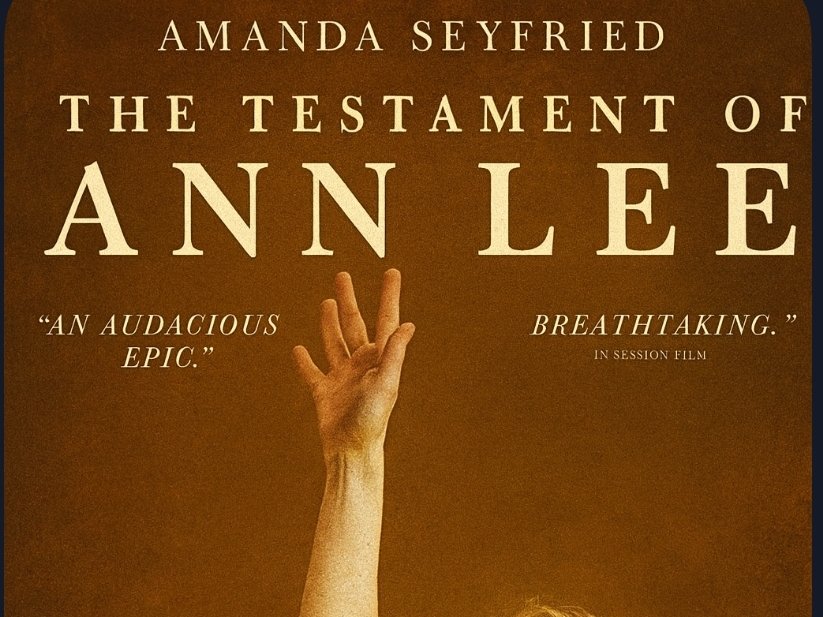
Introduction The Testament of Ann Lee (Warning contains Spoilers)
The Testament of Ann Lee is a 2025 historical musical drama about Ann Lee, founder of the Shaker movement. The film blends biography, religious history, and stylised musical storytelling. As a result, it explores the rise of a controversial spiritual leader.
From the beginning, the Testament of Ann Lee establishes a distinctive tone. Consequently, it stands apart from many conventional historical dramas. Rather than simply recounting historical events, the film explores emotion, belief, and spiritual struggle.
Therefore, the story focuses on Ann Lee’s inner journey and the community that gathers around her. Director Mona Fastvold collaborates with co-writer Brady Corbet. Together, they approach the material with seriousness and artistic ambition.
The narrative unfolds slowly. Meanwhile, the atmosphere gradually intensifies and creates a contemplative viewing experience. Instead of fast dramatic turns, the film encourages reflection. Consequently, viewers spend more time absorbing mood and spiritual tension.
From the opening scenes, the Testament of Ann Lee signals a deeper goal. It attempts to capture the emotional weight of belief. At the same time, the story explores the complexity of a woman whose ideas reshape an entire religious movement.
Historical Background and Setting
The story unfolds during a period of religious experimentation in England and the American colonies. During this era, new movements frequently challenged established churches and social norms.
Within this environment, Ann Lee emerges as a determined spiritual voice. She combines personal conviction with a vision for communal religious life.
The film follows her struggles in England. Meanwhile, persecution shapes both her beliefs and her leadership style. Eventually, Ann Lee travels to America with a small group of followers.
Consequently, this journey establishes the foundation for the Shaker movement. Later, the Shakers become known for strict discipline, communal living, and distinctive worship practices.
However, the Testament of Ann Lee avoids turning this history into a lecture. Instead, the narrative focuses on how historical circumstances shape Ann Lee’s spiritual ideas. Furthermore, the film emphasises her determination to guide others toward spiritual purity. Therefore, the historical context enriches the story without overwhelming the emotional narrative.
The Story and Narrative Structure
The narrative develops gradually throughout the film. First, viewers encounter Ann Lee as a persecuted believer. Later, the story follows her transformation into a respected spiritual leader. Instead of dramatic twists, the film builds tension through character moments and spiritual reflection.
Consequently, the narrative highlights the gradual formation of the Shaker community.
The pacing encourages careful observation of daily life. For example, the film shows work, prayer, and communal gatherings. These scenes create authenticity and strengthen the historical atmosphere.
Moreover, the quiet moments help viewers understand the world surrounding Ann Lee’s teachings. At times, the story feels almost meditative. Therefore, scenes unfold slowly and allow emotions to develop naturally.
Meanwhile, the film prioritises atmosphere over conventional storytelling.
Themes of Faith and Conviction
Faith forms the central theme of the film.
Ann Lee demonstrates unwavering conviction throughout the story. Even when persecution intensifies, she continues to defend her beliefs. Therefore, the narrative repeatedly explores the power of spiritual conviction.
However, the film also examines the cost of belief. Ann Lee inspires deep devotion among her followers. At the same time, her teachings demand sacrifice and strict discipline. Consequently, tension develops between faith and personal hardship.
This conflict strengthens the emotional depth of the story.
Another important theme involves suffering and spiritual transformation. Ann Lee’s early experiences shape her worldview. Furthermore, those hardships influence the teachings she later shares.
The film suggests that suffering can lead to spiritual awakening. Therefore, her painful past strengthens her determination to build a new religious community. Ultimately, the story presents faith as both empowering and demanding.
Gender and Leadership
The film also explores gender and religious authority. During the eighteenth century, women rarely led spiritual movements.
Therefore, Ann Lee’s leadership challenges powerful social expectations. The film highlights her refusal to accept those restrictions.
Instead, she claims spiritual authority with confidence and conviction. Consequently, her teachings emphasise equality between men and women. This belief becomes a defining principle of the Shaker movement.
Moreover, the film portrays these ideas through everyday community life. Men and women share responsibilities and spiritual duties. Therefore, equality becomes a lived reality rather than an abstract theory.
While watching the film, I found this element especially compelling.
Ann Lee shows remarkable courage in a deeply patriarchal society. However, her leadership also attracts resistance and suspicion. The film presents both admiration and opposition. As a result, viewers witness the challenges that accompany revolutionary leadership.
The Shaker Community
The film devotes considerable attention to the Shaker community itself. Rather than focusing only on Ann Lee, the story explores her followers’ lives. Many characters join the movement for different reasons. Some seek spiritual purpose. Others search for belonging or moral clarity.
Consequently, the community reflects diverse motivations and personal journeys. Members live and work together within a shared spiritual framework. They practice communal labour and disciplined living. Furthermore, they reject many traditional social structures.
These choices create a unique social experiment.
However, maintaining such a community proves difficult. Strict rules require intense dedication. Therefore, personal conflict occasionally emerges among members.
This tension strengthens the narrative.
The film avoids idealising the movement.
Instead, it presents both inspiration and difficulty. Consequently, the community feels believable and complex.
Performances
Amanda Seyfried portrays Ann Lee with quiet intensity. Her performance anchors the emotional centre of the film. Rather than exaggerating emotion, she relies on subtle gestures and expressions. Therefore, her portrayal feels controlled and thoughtful.
As the story progresses, her presence grows stronger. She captures both vulnerability and determination. Consequently, viewers understand the inner strength that inspires her followers. Seyfried portrays Ann Lee as a woman shaped by hardship. However, she also reveals the character’s spiritual confidence.
The supporting cast strengthens the film’s atmosphere.
Thomasin McKenzie delivers a reflective and emotionally layered performance.
Meanwhile, Lewis Pullman adds complexity to the community dynamic.
Stacy Martin also contributes subtle emotional depth.
Additionally, Tim Blake Nelson and Christopher Abbott appear in supporting roles.
Their performances help anchor the historical setting. Together, the cast creates a convincing portrait of a faith-driven community.
Music and Spiritual Expression
Music plays a crucial role in the film. However, the musical elements differ from traditional musical films. Instead of conventional songs, the film incorporates reimagined Shaker hymns. These musical moments blend choreography, rhythm, and spiritual ritual.
Consequently, the scenes feel intense and emotionally charged. The choreography reflects the ecstatic nature of Shaker worship.
Movement becomes a form of collective spiritual expression. Furthermore, these sequences communicate devotion without relying on dialogue.
For me, these scenes became the most memorable moments. They capture the emotional energy of the community.
Additionally, the music reveals how deeply the Shakers believed in their practices. Therefore, music functions as both storytelling and spiritual expression.
Visual Style and Direction
The visual style reinforces the film’s spiritual themes. Cinematography highlights natural landscapes and candlelit interiors. These images create a strong eighteenth century atmosphere. Moreover, the compositions reflect simplicity and contemplation.
Director Mona Fastvold favours slow and deliberate pacing. Therefore, scenes unfold with careful attention to mood. The camera often lingers on quiet moments. Consequently, viewers experience the stillness of Shaker life. This immersive style strengthens the film’s emotional impact.
Some viewers may expect faster storytelling.
However, the deliberate rhythm suits the film’s themes. The visual style supports reflection rather than spectacle. As a result, the film develops a calm yet intense atmosphere.
Overall Impression
Overall, The Testament of Ann Lee stands out for its artistic ambition. Rather than creating a conventional biography, the film blends history, ritual, and music. Consequently, the story feels unusual and distinctive. The film invites viewers to reflect on faith, leadership, and community.
Moreover, it explores the possibility of building a different kind of society. The slow pacing may challenge some viewers. However, the thoughtful storytelling rewards patience. I found the film deeply engaging and emotionally resonant.
Amanda Seyfried’s performance anchors the entire narrative. Meanwhile, the music and visual style create a hypnotic atmosphere.
By the end, the film feels less like a biography. Instead, it feels like a meditation on belief and conviction.
The story lingers in the mind long after the final scene. Ultimately, the film honours a woman whose ideas challenged the world around her.