The Bride! Flops at the Box Office: What Went Wrong With Maggie Gyllenhaal’s Ambitious Monster Film
Introduction: The bride ! Flops in it’s first week of being released
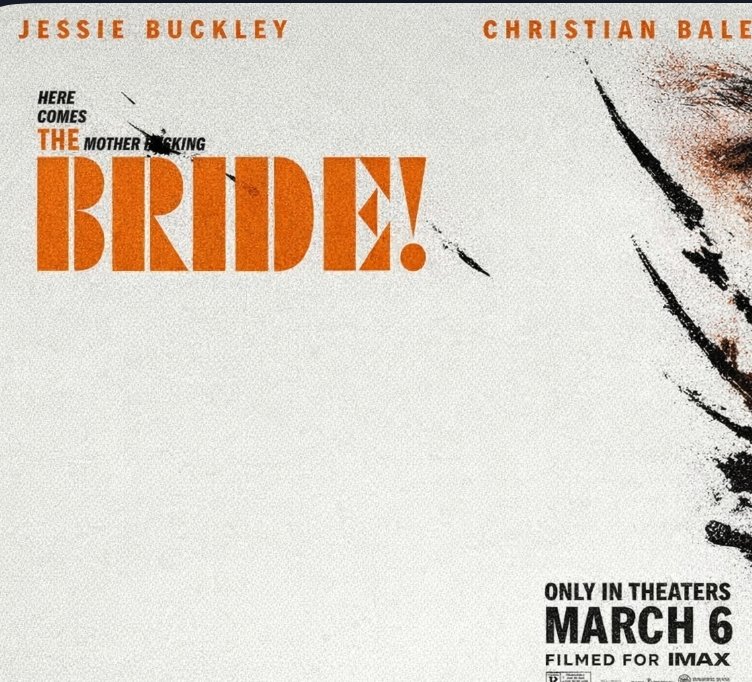
The Bride! Flops despite arriving in cinemas in 2026 with enormous expectations. The film came from director Maggie Gyllenhaal and starred Jessie Buckley, Christian Bale, and Penélope Cruz. Therefore, the project carried serious prestige both on screen and behind the camera. Yet despite that pedigree, the film struggled to connect with audiences and underperformed at the box office.
In addition, the film reimagined the classic monster story inspired by Bride of Frankenstein. That connection gave the movie recognizable intellectual property. On paper, the project combined familiar source material with strong filmmaking credentials. However, the final result told a very different story.
Despite those advantages, The Bride! quickly became one of the biggest box-office disappointments of the year. Several factors explain the film’s weak theatrical performance. Budget, audience reaction, competition, and marketing problems all played important roles.
What Went Wrong?
First, the production budget created enormous pressure on the film’s financial performance. Reports suggested production costs reached roughly $80–90 million. Consequently, the studio needed a very large global audience. Most films at that budget level require massive ticket sales.
In addition, studios usually expect worldwide earnings above $200 million for projects at this scale. Those numbers help cover production costs, marketing spending, and global distribution. However, The Bride! never moved close to those targets.
Instead, the movie opened with a weak domestic debut. Early box-office numbers signaled serious trouble for the release. Furthermore, international markets failed to provide stronger momentum. As a result, total revenue stayed far below studio expectations.
Audience reaction also influenced the film’s disappointing performance. Early viewers delivered very mixed responses to the story and tone. Some critics praised the film’s ambition and striking visual style. However, many audience members struggled to connect with the narrative.
Consequently, word of mouth never gained strong momentum. Negative or uncertain buzz often damages a film after opening weekend. Without enthusiastic viewers recommending the film, fewer people purchased tickets during the following weeks.
The film’s artistic direction also limited its mainstream appeal. Maggie Gyllenhaal clearly pursued a bold creative vision for the project. Instead of delivering a traditional blockbuster, the film embraced stylized visuals and unusual storytelling.
For example, the movie leaned heavily into gothic aesthetics and unconventional narrative choices. That creative direction gave the film a unique personality. However, it also made the movie harder to market to wide audiences.
Most large-budget films rely on clear genre expectations. Viewers often want familiar storytelling structures and easily recognizable tones. Unfortunately, The Bride! blended several genres at once. As a result, some audiences felt unsure about the film’s identity.
Competition
Timing also played a significant role in the film’s struggle. The release arrived alongside strong competition from other major studio titles. One major rival included the animated film Hoppers
Family-friendly animated movies often dominate cinemas during their opening weeks. In addition, those films attract wide age groups and repeat viewers. Consequently, Hoppers captured much of the available audience attention.
Meanwhile, The Bride! targeted a narrower adult audience. That difference made direct competition even more difficult. In a crowded release schedule, the movie failed to stand out strongly enough.
Marketing issues created another serious challenge for the film’s launch. The promotional campaign struggled to clearly explain the movie’s tone and genre. Trailers highlighted the gothic visuals and famous cast members.
However, the marketing never delivered a simple message about the film’s identity. Some promotions suggested horror elements. Others emphasized romance or dramatic themes.
Because of that confusion, many potential viewers felt uncertain about the film’s experience. When audiences cannot quickly understand a movie’s tone, they often delay buying tickets. Unfortunately, hesitation can damage opening weekend sales.
Film Studios Over Funding
Ultimately, The Bride! reveals a common problem in modern Hollywood filmmaking. Studios often fund ambitious creative projects with blockbuster-level budgets. However, those artistic films rarely attract blockbuster audiences.
The movie aimed to deliver a visually bold reinterpretation of classic monster mythology. Maggie Gyllenhaal clearly pursued originality and artistic ambition. Yet the film’s financial expectations required massive mainstream appeal.
Therefore, the central problem involved scale rather than creativity. The film might have succeeded with a smaller production budget. However, the large budget demanded worldwide blockbuster numbers.
For now, The Bride! serves as a cautionary tale for modern studios. Talented filmmakers and impressive casts cannot guarantee box-office success. Strong creative vision must also align with realistic commercial expectations. Even though The Bride! Flops financially, its ambition and artistic merit remain clear.
Nevertheless, the film could still find appreciation through streaming platforms and home viewing. Many visually distinctive movies gain cult followings years after release. Over time, audiences may reevaluate the film’s ambition and unique style.
If you want a deeper dive into the film. Then check out my full review of the 2026 movie The Bride on the review page. It covers performances, themes, and what worked and what did not.