How to Make A Killing Review Glen Powell Dark Comedy Film
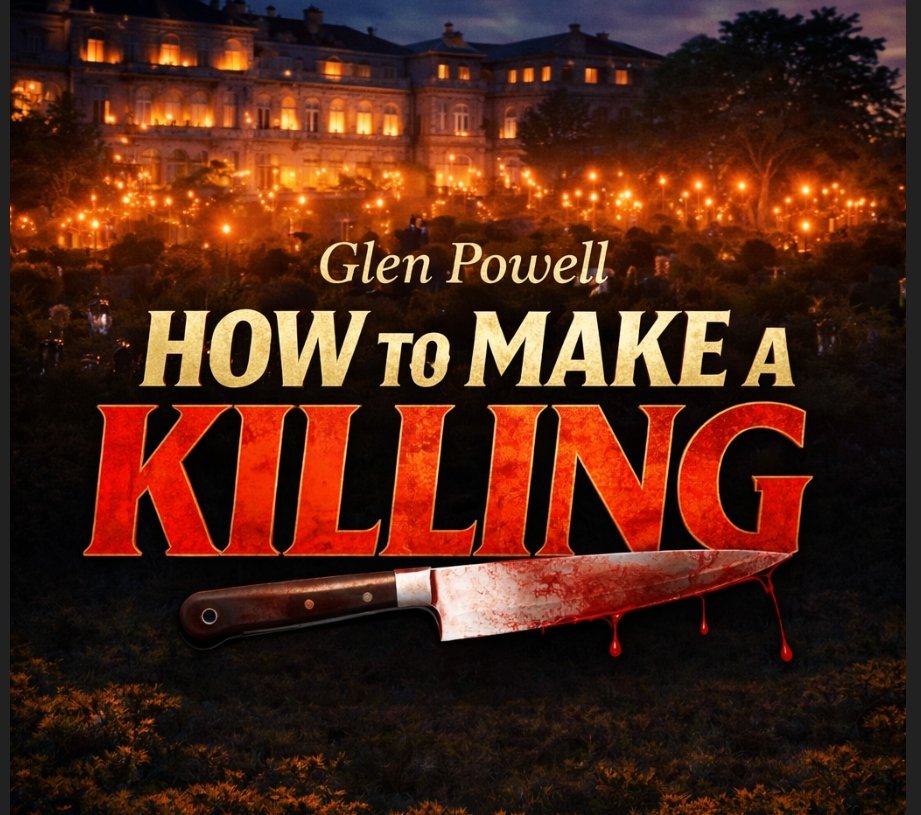
Introduction How To A Killing
The reason why I watched “How to Make a Killing” was out of curiosity since the film has an extensive pre-production period. The film has a unique story in the way it has been produced. The film’s writer and director, John Patton Ford wrote the screenplay years before filming began, but with a totally different title known as Rothchild.
This script had been floating around Hollywood for many years, talked about and never developed. In fact, the script had been one of the selections on the annual Black List of promising screenplays that have yet to be produced.
Even though the script had gotten this kind of recognition, the film had taken its time coming out. Different avenues were explored before anything happened. This is why the final product seems to be something years in the making.
Story and Inspiration
It is clear that this movie was influenced by the traditional British black comedy, Kind Hearts and Coronets. This movie features a man who murders rich relatives to take over their wealth and title.
Watching How to Make a Killing, it was very easy for me to recognize the influence. However, in his own way, Ford takes up the idea to suit the modern society.
It is for this reason that his choices are influenced by envy. It becomes his resolve to regain what is rightfully his. Hence, he starts eliminating family members who block his way to inherit the wealth. It is because of this premise that the story becomes a satire on ambition, greed, and social status.
A Project That Nearly Changed Completely
For many years the film almost became something completely different. Earlier versions involved different filmmakers and creative directions. At one point actors such as Shia LaBeouf and Mel Gibson reportedly joined early discussions. However that version never materialized.
Finally the project came back into the hands of John Patton Ford, but this time he decided to direct the screenplay himself. Not long afterwards, Glen Powell was cast as the main character of the movie. This brought new energy to the production process. From then on things began moving rapidly.
A Rare Type of Film Today
When the movie came out in theatres, there was one thing that was noticeable right away. Hollywood does not make this kind of movie anymore. They mostly make big franchises and sequels. What makes How To Make A Killing different is the fact that it is an original movie.
The movie has an interesting and morally complex main character as opposed to the typical hero. The movie is therefore refreshing. The rising popularity of Glen Powell was another factor that made the audience interested in the movie. In my view, this interest brought a long overdue script to life.
Directorial Style
The directing skills of John Patton Ford affect the entire film mood. Since he was involved in writing the script long ago, it is easy to see what he wanted from the movie in terms of atmosphere.
It seems like a thriller right from the start. Though there is something deeper hidden under the surface, a dark comedy.
Violence and Dark Humor
One aspect of creativity emerges right away. In the film, the director shows his control when dealing with the issue of violence. The director does not concentrate on the element of surprise. Instead, he uses ironic shots when depicting killings.
This method is used due to the effect of the earlier film called Kind Hearts and Coronets. In this earlier film, elegance is shown despite its gloomy topic. In the same way, the killings in How to Make a Killing look like something staged.
Perspective and Character Focus
The movie remains very faithful to the character played by Glen Powell as well. In many instances, the audience is placed inside the viewpoint of this character.
This is vital for the film because of the way the character behaves from an ethical point of view. He does things that can be described as not being very moral. However, the movie manages to make this character rather charismatic.
Visual Style
The use of visual imagery creates a clear juxtaposition between luxuriousness and tension. Grand mansions and fancy interiors abound in many shots. Such settings reflect power and money. Yet there is quiet tension going on behind those fancy exteriors. People are smiling yet they are plotting against each other in secret.
Pacing and Story Structure
Pacing is another deliberate element of Ford’s filmmaking technique. Rather than making for a quick-paced film, “The Searchers” is a slow film in which the setting is created in a gradual process. Early scenes set up the family dynamic and the social hierarchy. They also show the rage that fuels the main character.
Themes of Wealth and Power
The themes in How to Make a Killing include wealth and power. The movie tries to show how being excluded from the privileges that go along with being in a powerful position influences one’s ambitions.
Glen Powell thinks his family has been mistreated in some way. And because of that, he finds justification for his outrageous acts. And here is an interesting dilemma. Is morality or opportunity what makes him different from the rich family?
How the Themes Work
To me, the themes are effective where the movie maintains its dark comedy mood. It is at this point that the ridiculousness of the inheritance plot stands out.
Seeing the protagonist make murder a part of his strategy brings the satire out. His charisma helps advance the plot, since he is underestimated by other characters.
Where the Balance Struggles
Yet, at times, the movie becomes too oriented toward typical thrillers. In such instances, the social satire of the movie diminishes slightly. It is only when the movie again incorporates irony and humor that the themes become more prominent.
Performances
The acting makes the movie very compelling. Glen Powell is able to carry the whole movie successfully. This movie demands that the actor is charming, intelligent, and also menacing. He manages to balance these traits well.
Glen Powell’s Performance
During the watching of the movie, I found that Glen was perfectly cast in the movie. His character is very comfortable in high social settings. He smiles and jocularly watches people around him. While this is happening, some frustration starts showing through. This brings out the resentful side of the character.
Supporting Cast
The supporting cast also strengthens the story’s world. Margaret Qualley, Jessica Henwick, and Ed Harris help establish the family hierarchy. Each performance adds tension to the relationships within the wealthy dynasty.
What Works
There are a few things that really stand out. Firstly, the tone manages to balance dark humor with suspense. Secondly, Glen Powell gives an excellent performance as the main character. Finally, the cinematography shows off the opulence of the film and its corruption.
What Does Not Work as Well
But there are also certain flaws. There is an imbalance in the use of satire and suspense. Also, there are some supporting characters who are not developed thoroughly. This makes their relationship less powerful.
Overall Opinion
Overall, I found How to Make a Killing an entertaining film with style. This movie works well as a character study of the dark kind. The movie addresses issues such as ambition, envy, and legacy confidently.
Glen Powell holds the movie together with charm and intelligence. In my opinion, the film could take its satire one step further. However, it still remains a very engaging dark comedy on ambition.