Fun Devil Wears Prada Sequel Review
Introduction (Warning Contains Spoilers)
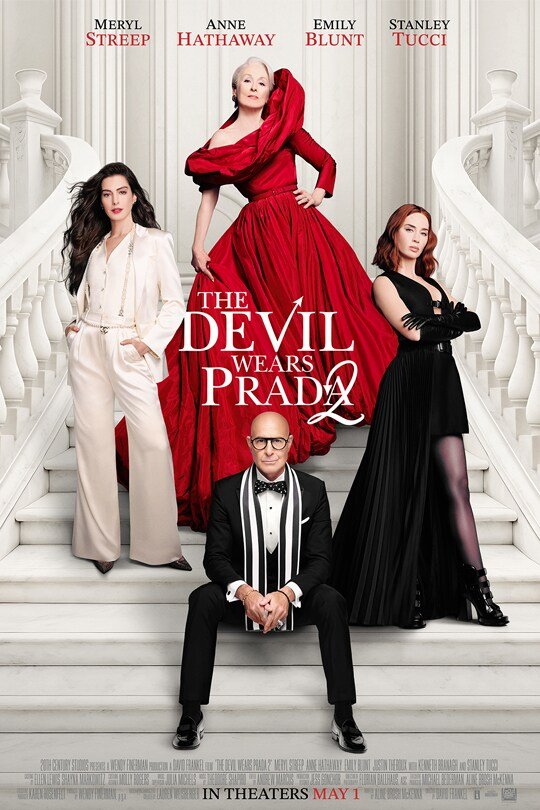
Twenty years after the original film became a cultural phenomenon, The Devil Wears Prada 2 finally returns audiences to the glamorous and intimidating world of Runway Magazine. Directed once again by David Frankel and written by Aline Brosh McKenna, the sequel reunites Meryl Streep, Anne Hathaway, Emily Blunt, and Stanley Tucci while introducing new additions including Lucy Liu, Justin Theroux, and Kenneth Branagh.
The first The Devil Wears Prada worked due to its combination of fashion satire with sincerity and well-written characters. The film focused on such themes as ambition, identity, and workplace pressure using the world of fashion. Furthermore, the movie was extremely quotable and became part of pop culture, mostly thanks to the performance of Meryl Streep as Miranda Priestly.
A sequel was not required for many years since the first movie had an ending that was absolutely perfect. All the characters were brought to a happy end, and the story satisfied its audience to the fullest. It was also tough to bring back such a great cast after many years. However, the changes in the media environment made way for a sequel to happen.
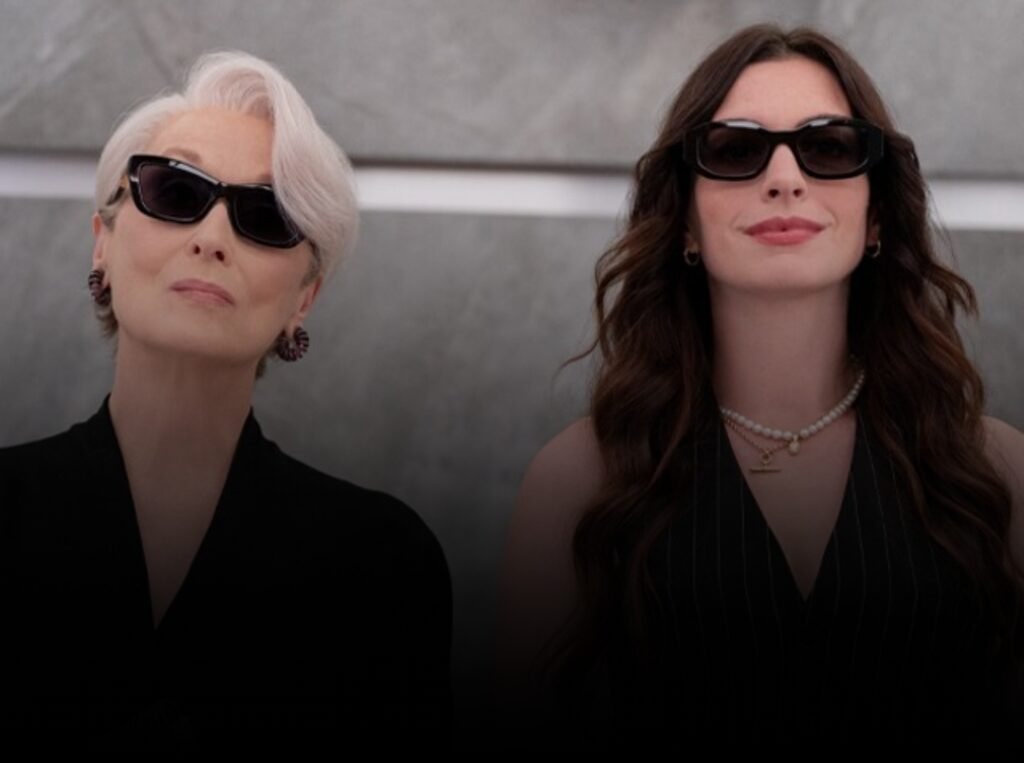
Fortunately, however, the sequel steers clear of being merely nostalgic. It poses the question of how far those who were once aspiring professionals can evolve into industry leaders themselves. The sequel shifts its attention away from dreams and aspirations to issues of legacy, relevance, reinvention, and aging in a field obsessed with youth and appearance.
Directorial Styles And Decisions
The direction by David Frankel is consistent with the restraint that made the original movie so successful. He steers clear of visually over-the-top sequences, favoring instead the emphasis on performance, tone, and pacing. Comedy arises from the awkward pauses, passive-aggressive exchanges, and shifts in power dynamics. Sometimes, the success of the film lies solely in the cast’s ability to master these elements.
Nevertheless, this movie is also more relaxed and thoughtful compared to its predecessor. The original movie was fast-paced due to the fact that Andy kept responding to the world around her, which she did not understand at all. In the current movie, the characters are aware of the rules of the game, thus the pace is more relaxed, though sometimes it hinders the story.
Performances And Character Development
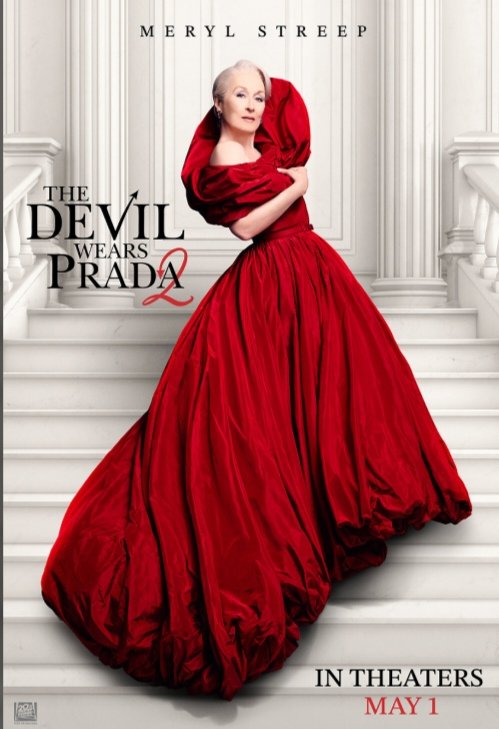
Undoubtedly, the performances continue to be the best part of the whole movie. Once again, Meryl Streep takes control of nearly every shot playing Miranda Priestly, but there is something different about this particular character this time around. She is still terrifying, brilliant, and emotionally restrained, but not quite the overpowering force that she once was.
This proves to be one of the smartest moves made during the course of production. There have been significant shifts in workplace culture and people’s perceptions of leaders since 2006, and the creators of the sequel have recognized this fact. If Miranda were to remain as she was before, the movie would lose its credibility and relevance.
While Miranda used to depend only on intimidation and power, she has become more aware and observant now. While she still dominates any room she enters with ease, there is a sense that she knows her own vulnerabilities in an evolving media environment. And Meryl Streep portrays this evolution wonderfully without making her character less intimidating.
Those quiet moments end up being some of the best in the film due to her acting. Miranda seems to be an older woman who is more contemplative and somewhat unsure of how much longer she will be able to maintain control.
Anne Hathaway, Emily Blunt And Stanley Tucci
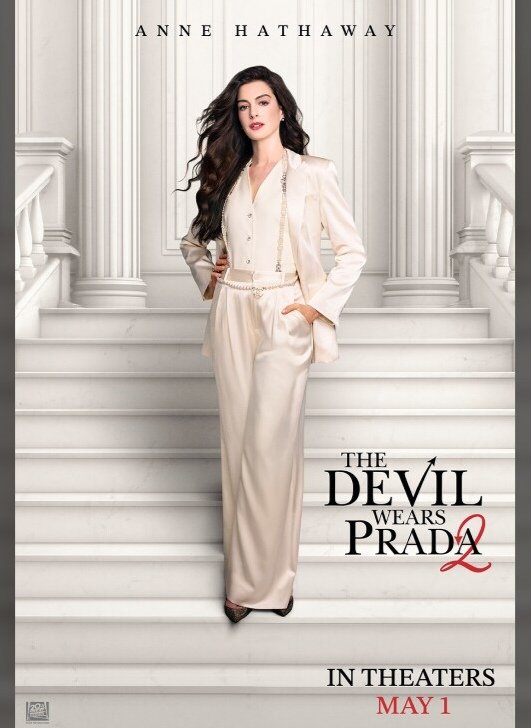
The character of Andy Sachs is also reprised by Anne Hathaway but with a much more mature and confident portrayal. As for the first movie, the character of Andy was the window for the viewers to get into that frightening world. This time, there is nothing confusing or insecure about Andy anymore; on the contrary, she appears to be knowledgeable and experienced.
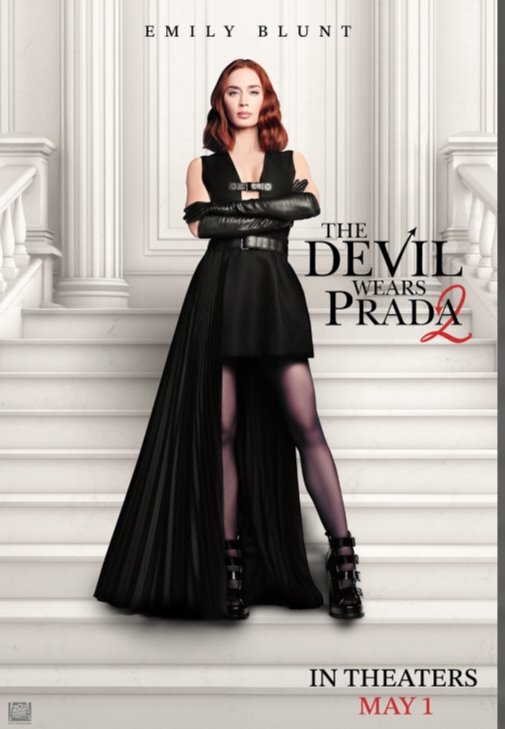
Emily Blunt remains consistently entertaining throughout the sequel. The character retains her witty humor and sarcastic remarks, which were loved by everyone in the first movie, but at the same time, she is much more emotionally stable and has become aware of herself.
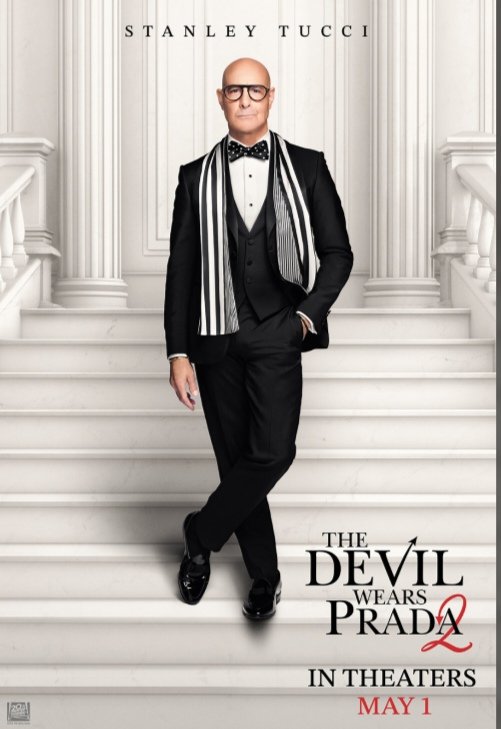
Once again, Stanley Tucci adds an element of warmth and sincerity to the character of Nigel. The scenes involving him add sincerity and emotional continuity to the movie. Despite the plot wandering off at times, Tucci manages to keep the emotional continuity with the original film.
New Additions
The new additions are even more inconsistent. Lucy Liu certainly seems underutilized, although she fits into the world of Runway Magazine like a glove. There are also some suggestions that a larger conflict exists regarding her character, yet these elements are not explored. She commands respect and dignity in every appearance she makes, making her lack of screen time all the more disappointing.
Justin Theroux does a good job with the subdued tone of the movie. He never steals the scene but performs well enough for him to be in tune with the tone of the sequel. Kenneth Branagh also brings sophistication, though he is mostly symbolic.
Story And Themes
One of the best things about this movie is the way it deals with themes related to legacy and re-invention. The main characters are not struggling to get into the fashion world anymore; they are facing the repercussions of being in that world for so many years.
Another aspect that is touched on in this sequel is the notion of power. In the original movie, Miranda appeared to be an embodiment of untouchable power and perfection. This time around, her position seems to become more susceptible to the changing environment and society’s perception.
The film is also quite accurate in reflecting the contemporary discourse on leadership and professionalism. It is because Miranda is no longer able to manipulate the characters with the help of terror, which is not appropriate for contemporary viewers. Now, power looks more fragile and insecure.
Themes related to aging and relevancy also come up during the course of the film. The fashion industry still revolves around being young and new, leaving some of the characters to wonder about their role in that environment. Such scenes are among the most poignant of the movie because of the passage of time since the original story.
What Worked And What Didn’t
The greatest weakness in this sequel is found in the script and pacing. The movie often has a surprising lack of substance given the wealth of interesting concepts it presents. Issues such as legacy, aging, media relevancy, and workplace change are all presented, but few get any significant development.
Pacing also becomes erratic, especially in the second act. There are some scenes that drag on without adding much to the development of the characters or plot. The more thoughtful, introspective nature would have fit very well if these scenes offered emotional insights. Unfortunately, there are a few scenes that are just drawn out.
Predictability also affects other aspects of the plot. Some emotional turning points and character development follow what is expected, diminishing the drama in the sequel. The movie sometimes lacks boldness because it relies heavily on the viewers’ love for the characters from the first film. It does not take risks that would make the plot more intriguing or moving.
Nonetheless, the performances manage to improve the shortcomings of the script. Wherever there is a lag in the storyline, the actors manage to bring back emotion into the plot with their acting skills alone. In this way, the movie ends up being saved from being a disappointment despite the storyline.
Final Verdict
Even with all of its imperfections, The Devil Wears Prada 2 proves itself to be a thoroughly enjoyable and intelligent sequel to an already well-loved tale. While it may lack the wit, pace, and cultural significance of the original movie, there is definitely enough intelligence and poignancy here to warrant a revisit after two decades.
The most important thing is that the movie recognizes that it is impossible for these characters to stay stuck in the world of 2006. This means that they can develop with the times, especially Priestley. This development adds maturity and awareness to the movie that makes it more interesting than just fan service.
In the end, it is Meryl Streep who saves the day in most of the movie’s weak points. She provides the sequel with substance, believability, and emotion when the script falters. Despite the flimsiness of the plot and the slow pacing, the reappearing actors make this glamorous comeback more than worth it.