Powerful The Boroughs Netflix Series Review

The Boroughs Review (Warning Contains Spoilers)
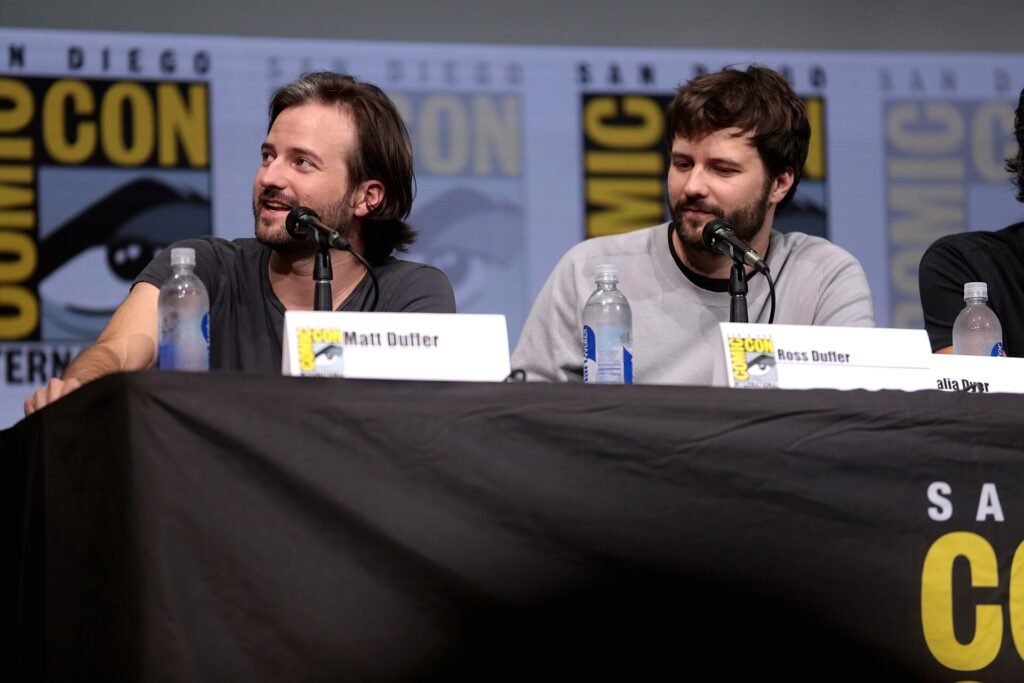
High hopes and an out-of-the-box concept make their way into The Boroughs. The supernatural thriller series debuted on Netflix on May 21, 2026. The creators of the show, Jeffrey Addiss and Will Matthews, have managed to incorporate elements of science fiction, mystery, and drama into their work. Moreover, being produced by the Duffer Brothers, The Boroughs automatically drew comparisons with Stranger Things.
But, very early on, The Boroughs presents an entirely new vision. No longer are we seeing teenagers battling monsters set in suburban America; instead, The Boroughs features characters who have retired and are living their twilight years. For me, this is what makes The Boroughs so appealing to science fiction TV viewers today. The theme of ageing is brought into the world of supernatural themes.
The plot is set against the background of a serene retirement community located in the desert region of New Mexico. There exists some sort of supernatural power that relates to time underpinning the apparently serene environment of the neighbourhood. Strange happenings start to occur upon the arrival of the bereaved Sam Cooper (played by Alfred Molina) in the neighbourhood.
Atmosphere And Directing
It is evident that the direction style is heavily influenced by classic supernatural mystery movies made in the 80s like “Cocoon,” directed by Steven Speilberg. The Boroughs is often compared to that movie because both have stories involving mature people dealing with some mysterious phenomenon.
The film does not depend on action or spectacle but creates suspense through an atmospheric build-up, tension created by quiet, and ambiguity. Slow panning shots and shadows create suspense and a sense of menace. What starts out as the serene place of retirement becomes increasingly claustrophobic and sinister. Desert landscapes with bright colors contrast dramatically with dark underground tunnels below the town.
The program also makes use of nostalgia in moderation and does not rely on it entirely. The presence of the inspiration from Stranger Things can be noticed in various directorial decisions. Nonetheless, The Boroughs is quite reflective in its nature as well. The old people generate a completely different atmosphere than that of the young and adventurous characters. Even the golf carts feel like an intentional callback to Stranger Things.
Strong Performances Elevate The Story
One of the things that has consistently impressed throughout all eight episodes is the performance by the actors. These seasoned professionals make the strange supernatural plot believable through their emotional acting.

The most effective performance is delivered by Alfred Molina as Sam Cooper. The character is performed by him with such a sense of dignity, vulnerability, and authenticity that Sam’s anguish serves as the emotional crux of the whole series. Molina manages to make the character interesting even when the scenes consist only of dialogue.

Alfre Woodard is equally convincing as Judy, a retired journalist looking into the town’s secrets. Woodard brings her intelligence and emotional intensity into every scene. She has excellent chemistry with the rest of the cast.

©Creative Commons Attribution-Share Alike 2.0
Geena Davis should not be overlooked when it comes to acknowledging the quality of her acting in the series. She adds a sense of warmth, comedy, and emotional stability in many of the more dramatic story lines. The presence of her character helps alleviate the seriousness of the program without detracting from the suspense. Furthermore, she is an actor who works exceptionally well with others in the cast.

Denis O’Hare delivers one of the series’ most entertaining performances as Wally. His unpredictable nervousness adds suspense to the scenes that he’s in. O’Hare strikes a perfect balance between humor and paranoia throughout the series. He makes sure that Wally is never just a source of comic relief. The actor gives his quirky character an emotional edge.
Art is an emotionally mature character portrayed by Clarke Peters, thus providing more depth to the performances of the other actors in the play. He plays his role very quietly and with lots of authenticity. Art usually acts as a rationalizing force for the group especially when they have doubts or feel afraid about something. Art does not go too far when it comes to playing out dramatic situations in the story.
The relationships between the characters feel believable and emotionally engaging. Often, dialogues among the residents turn out to be much more interesting than the mystery itself. The actors’ performance gives them convincing chemistry that makes viewers empathize with their worries.
Themes And Storytelling
The Boroughs works best when focusing on emotional themes instead of mythology. Aging, loneliness, sadness, and the fear of death are the themes that are addressed in a rather realistic manner in this work. The supernatural entity that is taking away time from old people seems to be a very symbolic concept.
In contrast to a lot of contemporary science fiction shows, The Boroughs provides its characters with the time to be reflective. The more tranquil moments tend to become some of the most poignant of the season. Reflection on one’s regrets and fears is emotionally affecting for the viewer.
The TV series should be applauded for featuring senior characters, a rarity in a genre that normally features youthful cast members. This makes the series stand out in spite of its obvious inspirations. The program can now address issues not explored in supernatural thrillers.
Nevertheless, it can be said that there have been a few instances where the blending of the elements of both drama and mystery has not gone off smoothly. There have been mysteries that appear to remain ambiguous for a very long time.
Several secondary characters also seem insufficiently developed, even with excellent performances from the actors involved. Some of the character backgrounds are introduced with an intriguing beginning but without further development later on. Some character arcs appear to be somewhat hastily developed because several different plot lines need to be solved at once towards the end.
The mythology around this supernatural power is not entirely clear either. This is implied throughout the series, but not explained fully. Some people will like this uncertainty, whereas other people may get frustrated by it. In many cases, the emotional nature of the story seems to outweigh the science fiction.
Pacing And Structure
Pacing is still one of the most divisive elements of the series. In the beginning, the series starts off slowly and builds up an atmosphere and character development throughout the episodes. This might be enjoyed by some people while others find it too slow.
The Boroughs takes a lot of time building up connections with emotions among the characters before any supernatural twists happen. This makes the characters very developed in their emotions. Nevertheless, some episodes have been quite repetitive at some point in the middle of the season.
Nonetheless, the pace definitely picks up considerably in later installments. The final few episodes build up the suspense while adding more emotional conflicts. The fact that the threat is becoming clearer adds to the increasing urgency of the situation with the characters.
The slower tempo can be attributed to the thematic content related to aging and time in the program. It would seem that there is more focus on feeling rather than on action in the program. This artistic choice may alienate some people, but it sets the show apart from other science fiction programs.
What Works And What Doesn’t
The success of The Boroughs can be attributed to the show’s emotional maturity and unique point of view. Being set within a retirement community makes it instantly different from other supernatural dramas. The cast of veterans adds depth and human quality to the series.
The atmosphere is also consistently strong in the series. There is suspense in the directing because there is an element of the unknown rather than just action sequences. The theme of aging and death has been treated intelligently and has a very touching edge to it.
The acting is always able to make up for some shortcomings within the script. The more boring stories are still entertaining since it seems like the ensemble really does have chemistry with one another.
Yet, on occasion, the series is unable to keep its narrative flow going. There are certain aspects of the mystery which take an inordinate number of episodes to explain. Then there are other secondary plots that do not get enough attention.
At times, the show seems torn between drama and the thriller genre. There are times when both blend very well. Other times, things appear a little off balance or even disjointed. The finale delivers emotional satisfaction, although there are some unresolved plot lines.
Final Verdict
In general, provides a well-thought-out and emotionally resonant supernatural thriller that offers a novel point of view. The key reason why this TV series works is its reliance on characterization and emotional aspects as opposed to spectacle. The age factor involved adds a certain humanity to otherwise familiar science fiction concepts.
While the show will unlikely have a similar cultural impact as due to apparent similarities, it nevertheless offers something unique amid other science fiction titles on Netflix. It boasts a talented veteran cast and compelling direction.
Despite moments where the pacing is a bit slow and certain narratives are underdeveloped, the emotion in The Boroughs continues to be gripping. Where The Boroughs really excels, in my opinion, is in the exploration of emotion through supernatural horror – especially dealing with topics such as grief, aging, friendship, and death.
Though The Boroughs may disappoint some viewers who want nothing but excitement and uplot twists, those looking for quality science fiction that is thought-provoking and emotionally gripping will certainly enjoy The Boroughs’ more measured approach.