Anemone (2025) Review: The Weight of Daniel Day-Lewis’s Return to Cinema
Daniel Day-Lewis’s Comeback Feels Quiet but Monumental. Anomeone (2025) (Warning contains Spoilers)
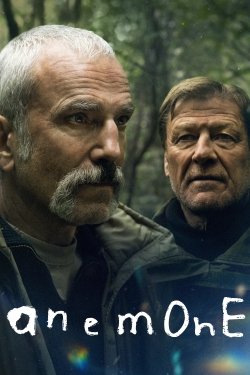
Anemone marks the long-awaited return of Daniel Day-Lewis. However, the film refuses to treat his comeback as spectacle. There is no dramatic entrance or self-aware reintroduction. Instead, he appears quietly as Ray Stoker, a man in isolation. From the first frame, his performance feels lived-in and authentic. He does not announce his return. He simply exists. That restraint immediately defines the film’s tone. Consequently, the comeback feels meaningful rather than flashy.
A Personal Film Directed by Ronan Day-Lewis
Ronan Day-Lewis directs and co-writes Anemone. Because he is Daniel Day-Lewis’s son, the story feels deeply personal. This does not feel like a studio prestige project. Instead, it feels intimate and spiritually necessary. The film carries emotional weight in every scene. Moreover, it feels crafted from lived experience rather than calculation. That family collaboration adds another emotional layer. As a result, the film feels vulnerable and uncompromising
A Story Rooted in Guilt, Silence, and Isolation
Ray Stoker lives alone in the woods of Northern England. He has removed himself from family, society, and accountability. His isolation feels heavy rather than peaceful. Soon, his brother Jem disrupts that fragile stillness. Sean Bean plays Jem with quiet intensity. His arrival feels both invasive and necessary.
The catalyst involves Ray’s estranged son Brian. Brian has gone AWOL and shows increasing instability. This revelation reframes Ray’s isolation as abandonment. The film slowly reveals why Ray withdrew from his family. Importantly, it avoids rushed exposition or dramatic twists. Instead, it lets silence build tension naturally.
Generational Trauma and Inherited Violence
Anemone treats violence as inherited damage. It connects abuse, war, and emotional absence across generations. Ray’s war crime confession unfolds gradually. When it surfaces, it feels inevitable rather than shocking.
The guilt fractured his family long ago. Consequently, Brian grows up inside that emotional void. Even when absent, Brian’s presence drives the narrative. Everything feels shaped by fear of repetition. Therefore, the film examines cycles rather than single events. It suggests trauma spreads when left unspoken.
Surreal Imagery and Dreamlike Symbolism
At first, Anemone feels grounded and realistic. However, it gradually shifts into dreamlike territory. Strange imagery begins to appear throughout the forest. A glowing water spirit drifts through the trees. Visions of lost lovers interrupt reality. An ancient fish glides through the river like myth.
These moments resist literal explanation. Instead, they represent guilt, memory, and decay. Reality and memory blur increasingly as the story progresses. As a result, the landscape feels emotionally reactive. A biblical hailstorm near the climax amplifies that tone. It feels emotionally true rather than physically realistic.
Performances That Carry the Emotional Weight
Daniel Day-Lewis delivers a restrained and physical performance. He communicates decades of guilt through posture alone. He avoids eye contact and moves with visible burden. When emotion finally erupts, it feels earned.
Meanwhile, Sean Bean offers a contrasting vulnerability. He plays Jem as fragile yet morally anchored. Their scenes together feel raw and authentic. They resemble wounded men struggling to communicate.
Samantha Morton adds grounding presence despite limited screen time. Samuel Bottomley portrays Brian as distant and opaque. That distance feels intentional rather than incomplete. He symbolizes what Ray abandoned and cannot repair.
Atmosphere, Landscape, and Visual Identity
The cinematography captures cold forests and empty fields. Nature feels isolating instead of comforting. The anemone fields operate symbolically throughout. They evoke fragility, memory, and mortality. The camera lingers patiently on still moments. Consequently, scenes feel meditative and immersive. Some viewers may find the pacing exhausting. However, that slowness deepens emotional immersion.
Personal Response: A Film You Endure and Absorb
In my opinion, Anemone demands emotional endurance. It moves slowly and refuses easy comfort. At times, the pacing feels punishing by design. The film wants you to sit with discomfort. I found it frustrating yet mesmerizing. Although imperfect, it never felt emotionally hollow. Even when symbolism dominated, emotional truth remained intact. The film prioritizes atmosphere over narrative momentum.
Final Verdict: A Meaningful and Uncompromising Return
Anemone feels reflective rather than consumable. It leaves emotional residue instead of tidy resolution. As Daniel Day-Lewis’s return, it feels purposeful and restrained. As Ronan Day-Lewis’s debut, it feels bold and intimate.
This is not conventional entertainment.
Instead, it explores guilt, inheritance, and impossible escape. While slow and imperfect, it remains deeply human. For viewers willing to embrace silence and symbolism, it offers something rare.
Ultimately, Anemone does not comfort its audience. Instead, it asks you to feel every buried wound.