Billie Eilish – Hit Me Hard and Soft: The Tour Movie (Live in 3D) Review
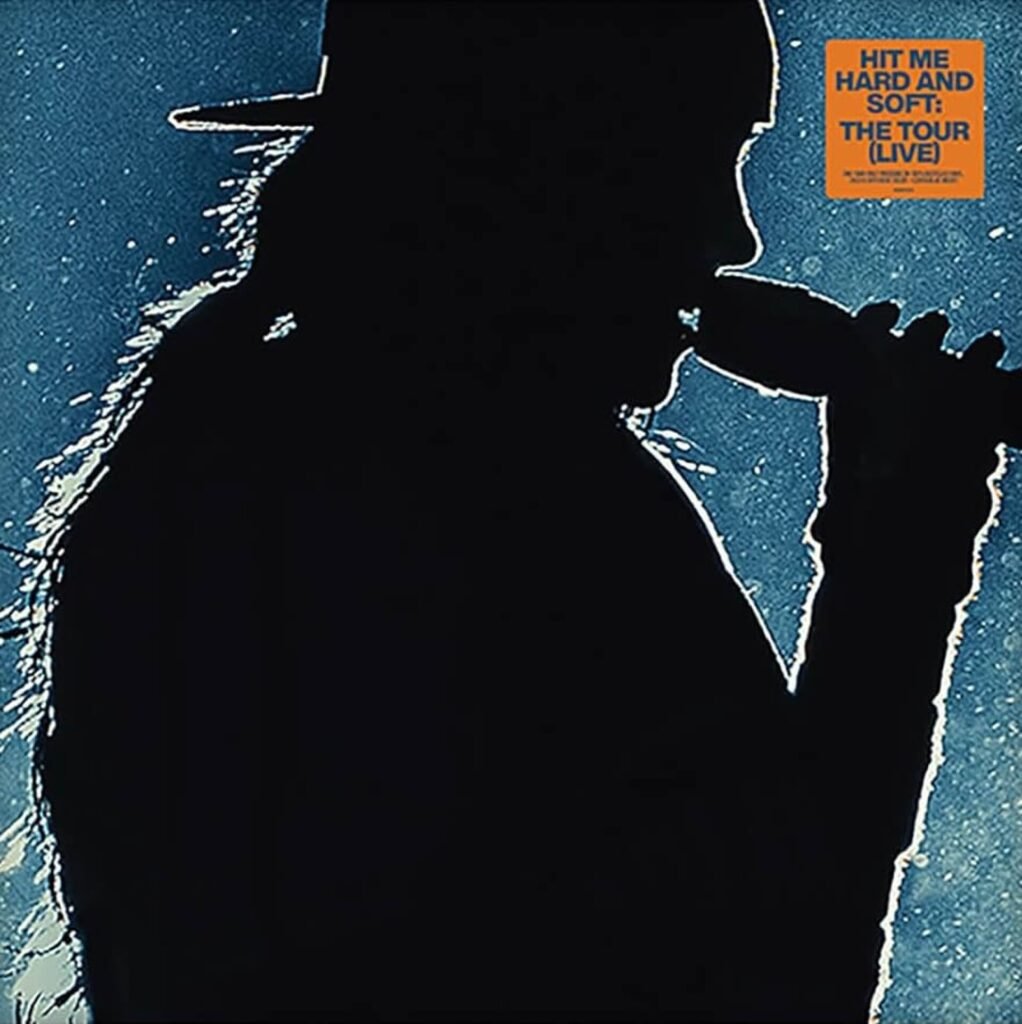
Billie Eilish Hit Me Hard And Soft Movie: A Concert Film With Bigger Ambitions
Billie Eilish The goal of Hit Me Hard And Soft movie is to make something special. Concert movies are rarely important outside of fan circles. They are typically mementos for the faithful. Some of them are simply ads for the tour. Billie Eilish – Hit Me Hard and Soft: The Tour (Live in 3D) strives for something more ambitious.
This becomes evident very quickly. The beginning scenes seem strangely reflective. The noise of the arena starts to get louder. Lights pierce through the darkness as searchlights. The camera moves through crowds unnervingly smoothly. The audience knows right away what the filmmakers are trying to do.
This is not a standard concert recording.
The film captures Billie Eilish’s performance during her world tour of 2025 in Manchester. Nevertheless, the film always transcends documentary purposes. All creative choices tend to push towards immersion. The visuals envelop the viewers. The sound rattles the movie theater. The editing tries to synchronize with the music emotionally.
The collaboration in itself was unique prior to the launch. The film was co-directed by both Billie Eilish and James Cameron. This is a combination that people raised an eyebrow about straightaway. James Cameron stands for big cinema. Billie Eilish stands for vulnerability and minimalism.
The movie often feels suspended between intimacy and enormity. That tension becomes its defining strength.
Why James Cameron Matters Here
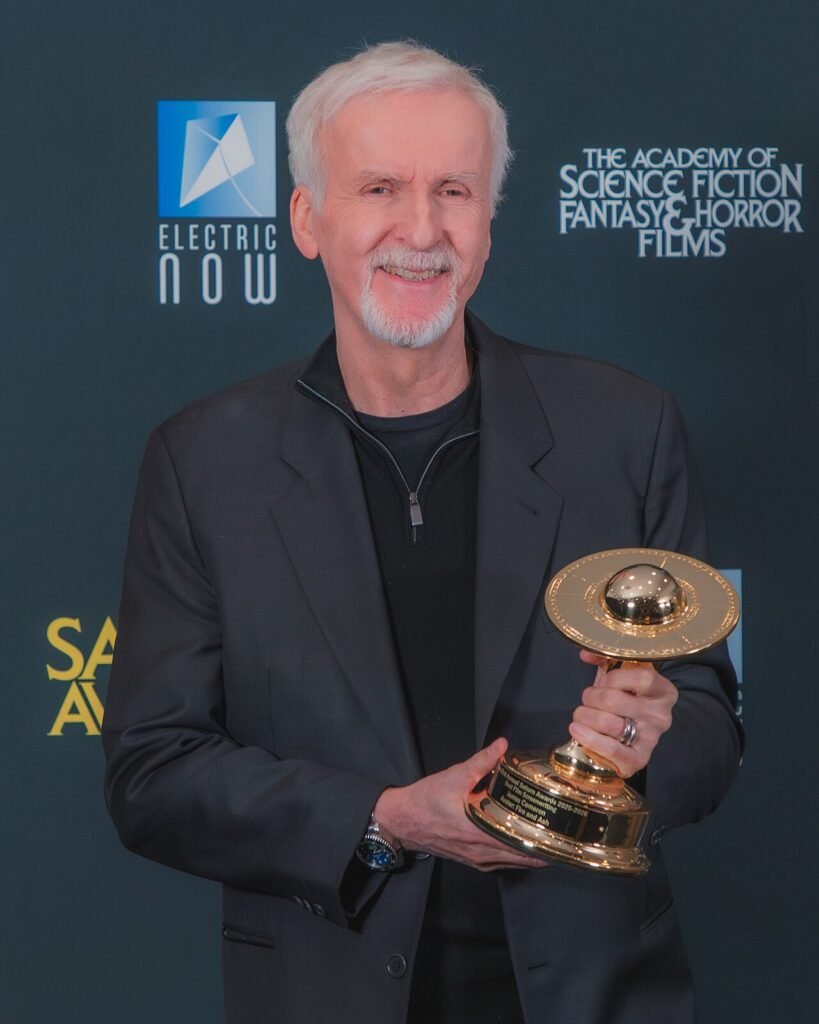
The participation of James Cameron was first seen to be an effort at marketing. However, Cameron’s presence is all over the film. Cameron has always been fascinated by technology that offers immersion. This can be seen in the films that Cameron makes.
That philosophy shapes every technical choice here.
There is no use of any gimmicks at all in the 3D presentation. Objects do not come flying towards the audience unnecessarily. Depth is created through the environment and the atmosphere. The smoke moves naturally in very large areas. The stage lights go into the darkness.
Camera movements also echo Cameron’s style. Most scenes are shot using float-tracking shots rather than frenzied editing. Camera floats through performance areas with ease. This kind of camera movement makes for a dream-like experience when the emotional songs play.
Cameron never overwhelms Billie Eilish’s artistic identity.
The movie still rings emotionally true to her music. The silence is still essential. The vulnerability is still key. Intimacy often trumps spectacle. Cameron just extends the same things visually. This dynamic rescues the movie time and again.
Billie Eilish’s Creative Presence

The role of Billie Eilish as director is equally vital. Many movies of concerts lack authenticity because of their sophisticated look. This film does not make such mistakes. Eilish maintains the emotional angle very personal.
Close-up angles prevail when Billie sings quiet songs. Even small gestures get much attention. The viewer can observe fatigue, focus, and emotional vulnerability at all times. These elements humanize her performances effectively.
The backstage material especially reflects Eilish’s perspective.
Artists tend to romanticize their tours a lot. This movie seems much more realistic. The backstage shots capture the tension and exhaustion that goes into it. Quiet dressing room scenes provide an interesting contrast against the roar of the crowd at the arenas.
It has a sense of loneliness and isolation at one time. Then there is a feeling of something being so publicly exposed in another instant. This pattern of switching continues throughout the film. It makes the movie psychologically deep for a concert documentary. And it is done very well.
Eilish is also adept at atmosphere. Many of her songs thrive on minimalism over maximalism. Whispers often carry a lot of emotion. Silence carries nearly as much significance as the sounds themselves. This theme is constantly portrayed visually throughout the film.
Eilish is also an expert in creating atmospheres. Her songs tend to work well when she practices restraint, not extravagance. The power of whispering voices is immense. Silence is just as important as noise. This film shows it all visually.
The darkness takes over in several scenes. The limited use of light creates an eerie atmosphere. White lights abruptly cut into the dark blue background. Shadows engulf large parts of the stage.
The Stunning Visual Style
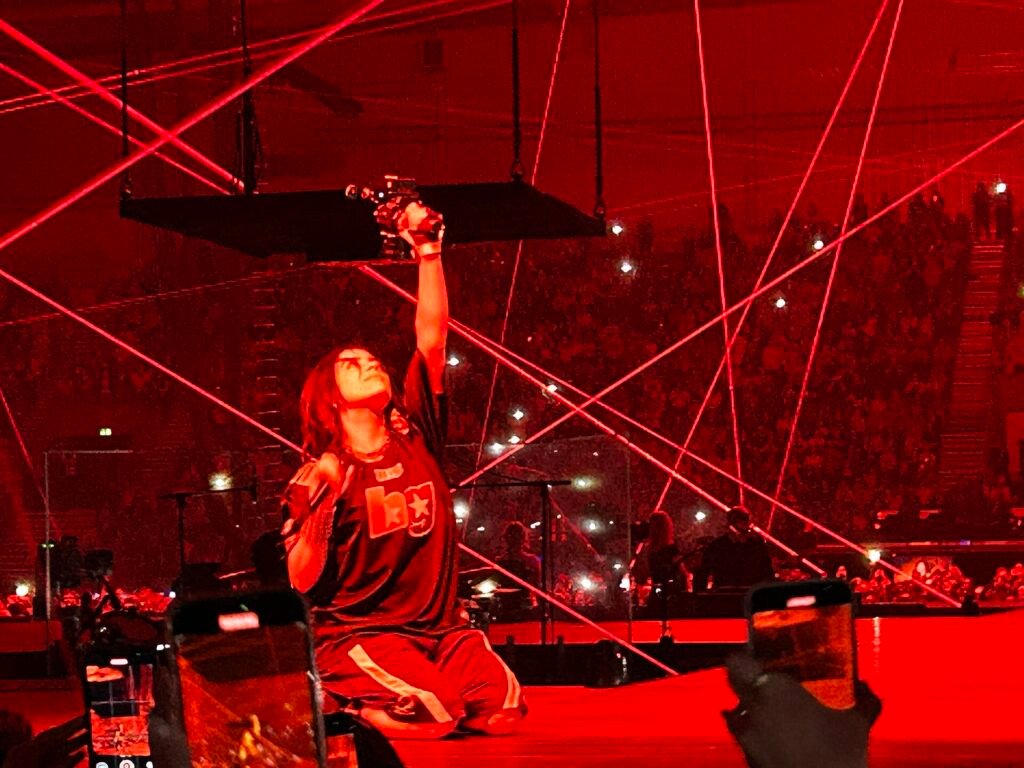
In terms of visuals, the film is mesmerizing and well-controlled. Each and every lighting effect seems to be motivated by emotion. Each and every camera angle seems to be striving for psychological immersion. Visual language always reflects musical tones.
Concert films tend to favor visual chaos over anything else. But not this film. This makes all the difference.
The staging is often surreal in nature. Fog moves endlessly between massive lighting systems. Lasers cut through the darkness like solid objects. Digital projections generate emotional environments for performances to take place within.
However, the visual effects remain surprisingly restrained.

The directors rarely employ effects simply for their own sake. Visual effects serve mostly to establish moods or to immerse the audience. This restraint ensures that the performances remain emotionally honest.
Certain scenes actually become quite beautiful. In quiet songs, the camera may revolve around Billie Eilish at a slow pace. Soft lights bathe her in isolation booths. The crowds vanish into darkness. This results in an odd emotional intimacy in the stadium settings.
They also seem equally awe-inspiring. Lights flash across huge crowds in time to music. The cameras move straight into smoke and laser displays. The use of 3D highlights the depth of the environment at all times.
There are several song transitions that merit commendation. Rather than using sudden cut transitions, scenes usually dissolve smoothly from one to another. The lighting mood slowly changes from one performance to the next. Crowd sounds merge smoothly into music transitions.
Those moments seem more like cinema than documentation. The way editing is done also deserves credit. Most music movies use too many exhausting cuts. This movie gives some breathing space to many shots. Long shots help create spatial and emotional involvement.
The audience actually understands physical stage geography. That clarity becomes surprisingly immersive in three dimensions.
Sound Design That Feels Physical
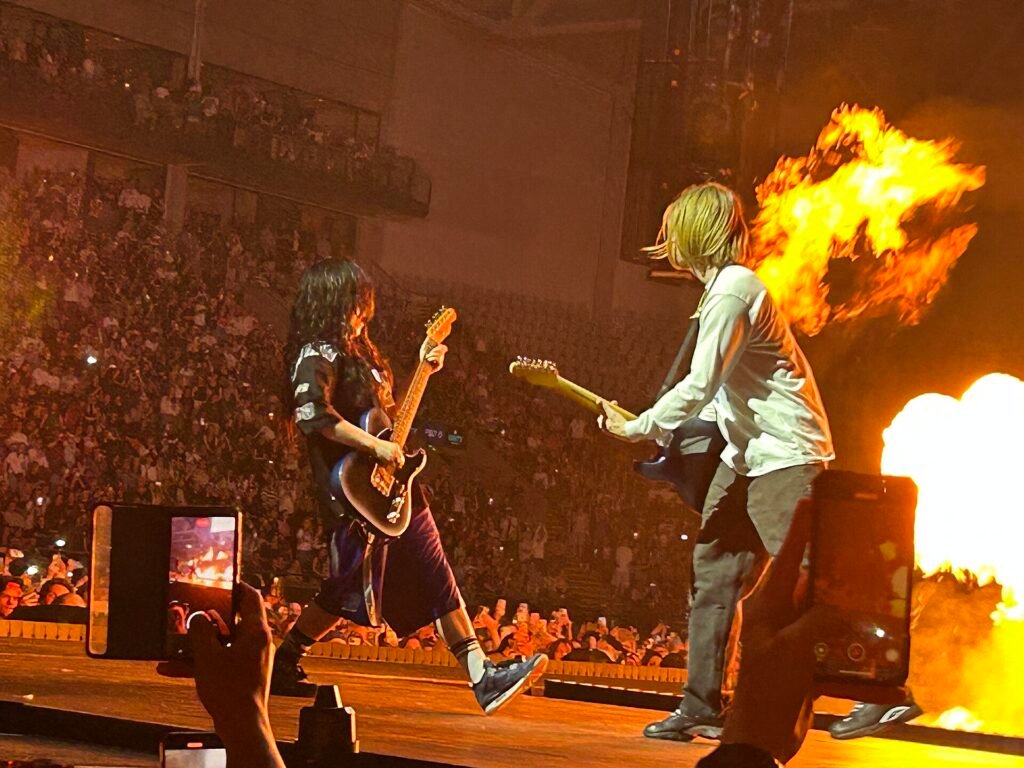
It is possible that the sound design is the most accomplished aspect of the film. There aren’t many concert films that know how to do sonic immersion so well. The audio always seems physical and atmospheric.
The audience noise definitely gets plenty of recognition here. Depending on where the camera is, there will be different reactions from the audience. Sounds of backstage become muffled and distant, while arena shots produce an onslaught of sounds.
In many instances, the crowd seems to become an additional character. The thousands of voices reverberate in the theater space continuously. Singing the lyrics collectively by the fans brings about an emotional experience that cannot be simulated.
The movie also understands dynamic contrast expertly. Silence frequently arrives before explosive musical moments. Quiet emotional scenes suddenly transition into deafening crowd reactions. That contrast recreates actual concert psychology convincingly. Real concerts constantly shift between intimacy and overwhelming chaos.
Stylization is achieved through the sound design at certain points. The echo sometimes lasts longer than it would have been realistically possible. Some of the ambient sounds merge in an unnatural way into the music. This makes the atmosphere more intense without taking away from the viewers’ experience.
Sound design does at times become stylized deliberately. Echoes persist beyond the limits set by natural acoustic principles. There are instances when background noises merge artificially with musical tones. These stylistic elements enhance the mood instead of distracting the viewer.
Themes Beyond Performance
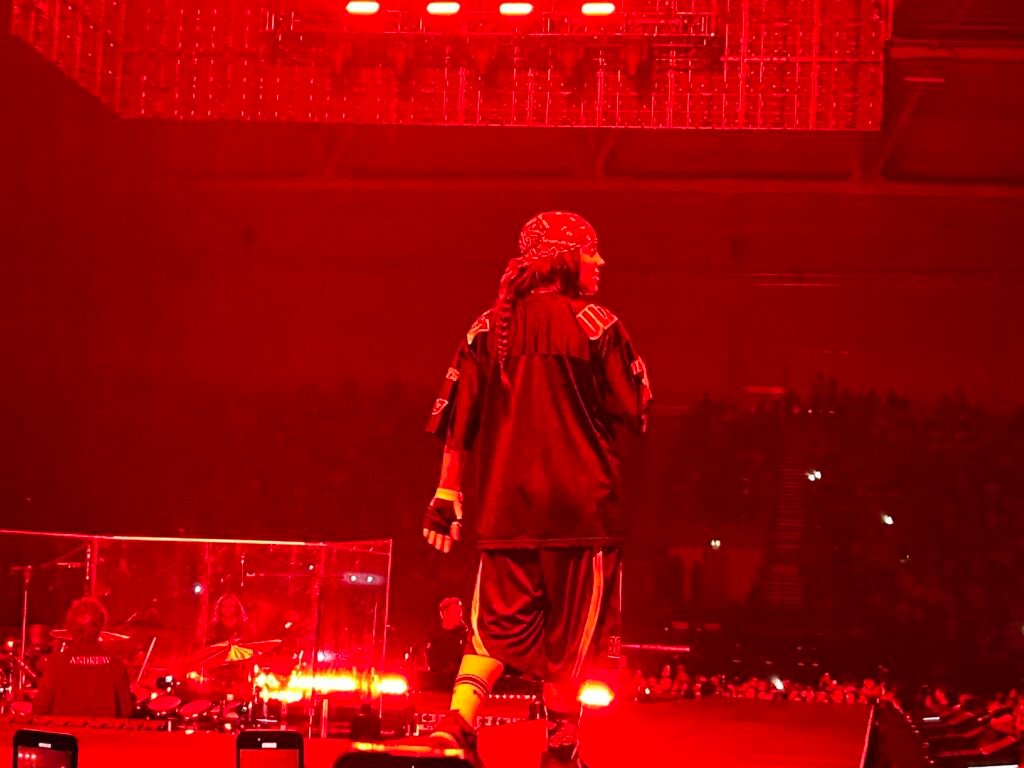
Behind the scenes, however, the film manages to delve into some very reflective themes. Backstage scenes particularly manage to heighten the level of emotion dramatically.
The first theme is that of emotional isolation. Billie Eilish entertains millions of fans each day. Yet, backstage scenes tend to focus on loneliness and emotional fatigue.
These types of hard questions are posed by the movie several times. What is the consequence of constant exposure? How does performance influence emotional identity? Is vulnerability compatible with such huge fame?
The scenes behind the scenes show an importance placed on craftsmanship constantly. Rehearsals get lots of coverage. There are conversations backstage that occur frequently in the film. Technical preparations acquire emotional significance.
The movie appreciates art rather than star-making culture. This viewpoint sets the movie apart from other music documentaries. The emphasis doesn’t become gossip-driven or sensationalism. Rather, it examines the process of artistic creation.
What Works Well
The film works because all of its technical elements work in service of emotion. Everything feels connected to the primary objective of immersion.
The cinematography is fantastic throughout. The hovering camera creates an incredible sense of space. Tracking shots have a distinctly cinematic feel, not a documentary one. Wide shots create an arena effect without sacrificing emotion.
Moreover, the 3D aspect of the film is very impressive. It should be said that many people tend to doubt about contemporary 3D films, since there are too many examples of abuse of this technique. However, this film makes a perfect use of spatial immersion.
The emotionally pacing has been done very effectively as well. Sequences that involve large spectacles get their own counterbalance in terms of emotions. The backstage scenes serve to be a breather between the intense performances.
Billie Eilish’s performance style makes a lot of difference here. Billie Eilish is not known for her theatrical performances on the stage. Rather, she is more of an emotional performer, which comes out well in the film.
Where The Movie Struggles
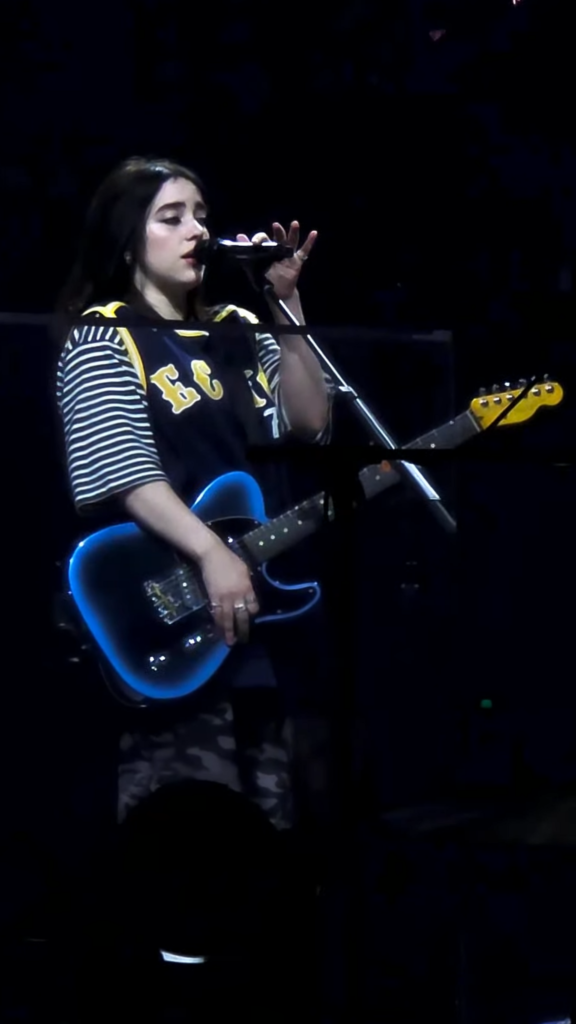
Though the film has an admirable sense of grandeur, at times it fails to find its balance. There are certain decisions that go overboard, both technically and emotionally.
The visual technique becomes too much at times, needlessly so. There are instances when lighting, projection, camera movement, and special effects occur together. This can result in the performances becoming secondary to the visuals.
The pacing is also a bit off at times.
There are moments where some scenes on the backstage are placed awkwardly after very emotional performances. There are some instances where the film’s pacing hinders the emotional flow.
The film is a bit indulgent at times. There are many instances where the film drags on longer than it needs to. Sometimes the film is just too enamored with its own atmosphere.
However, those flaws rarely destroy immersion completely. Even weaker sections remain technically impressive and emotionally sincere.
Did The Film Achieve Its Goal?
Does the film succeed in creating immersive concert cinema? In many ways, the answer to this question is affirmative. The film always manages to make viewers feel involved both physically and emotionally. Viewers hardly ever feel disconnected from the performances.
A few scenes seem incredibly immediate. Crowd sound reflections echo naturally through theatrical spaces. Lighting moves right before audiences’ eyes. The bass makes audiences experience the concert physically.
These details make all the difference. Most concert films are nothing more than documentation. This film is trying to transport the audience emotionally. The audience needs to feel physically there.
Generally, the film succeeds in doing just that rather impressively. More importantly, however, the film is not limited to only those who enjoy Billie Eilish’s music.
Even those who are unaware of her music can admire the technical prowess and the art of filmmaking in the movie. In its own right, the film succeeds as an experiment in cinema.
Could This Change Concert Films?
This film can potentially have a big impact on future concert filmmaking. Traditionally, concert films have not been respected as works of art. They were usually considered just commercial side products by most studios. This film definitely aims to gain more credibility from a cinematic perspective.
The potential impact of this ambition is obvious. The combination of Billie Eilish and James Cameron in one project appears to be groundbreaking from a conceptual perspective. One artist brought emotional sincerity and atmospheres into this film.
It created some very cinematic results. Other musicians are going to watch this experiment very carefully.
Audiences today look for an immersive entertainment experience. Streaming transformed the relationship of audiences with live performances. Modern concert films need strong artistic identity.
This movie captures that transition beautifully. Perhaps future artists will rely more and more on immersive technology, sophisticated sound, and filmic story telling. Concerts as they exist now may become increasingly outmoded by comparison.
Nonetheless, technical wizardry is not enough to ensure an emotionally satisfying result. This movie succeeds precisely because emotional honesty never goes away. Immersion serves to enhance rather than replace vulnerability. It will be tough to recreate that formula. Nonetheless, the film shows the great artistic possibilities of concert movies.
Final Verdict
Billie Eilish – Hit Me Hard and Soft: The Tour (Live in 3D) works because it recognizes how emotion involves itself fundamentally. The film is not content to document a live performance. Rather, it tries to fully immerse itself sensorially.
The pairing of Billie Eilish and James Cameron seemed odd at first. Yet their respective sensibilities actually make quite an effective combination. Eilish supplies emotionality and atmosphere. Cameron supplies scope and immersion.
And yet, this film accomplishes this feat more times than one might expect. Whether future filmmakers will be able to emulate such an approach is anyone’s guess. Nevertheless, Billie Eilish – Hit Me Hard and Soft: The Tour (Live in 3D) certainly raises the bar in this respect. This feat alone warrants viewing the film.