Cold Storage (2026) Review: A Chaotic Horror-Comedy About a Killer Fungus
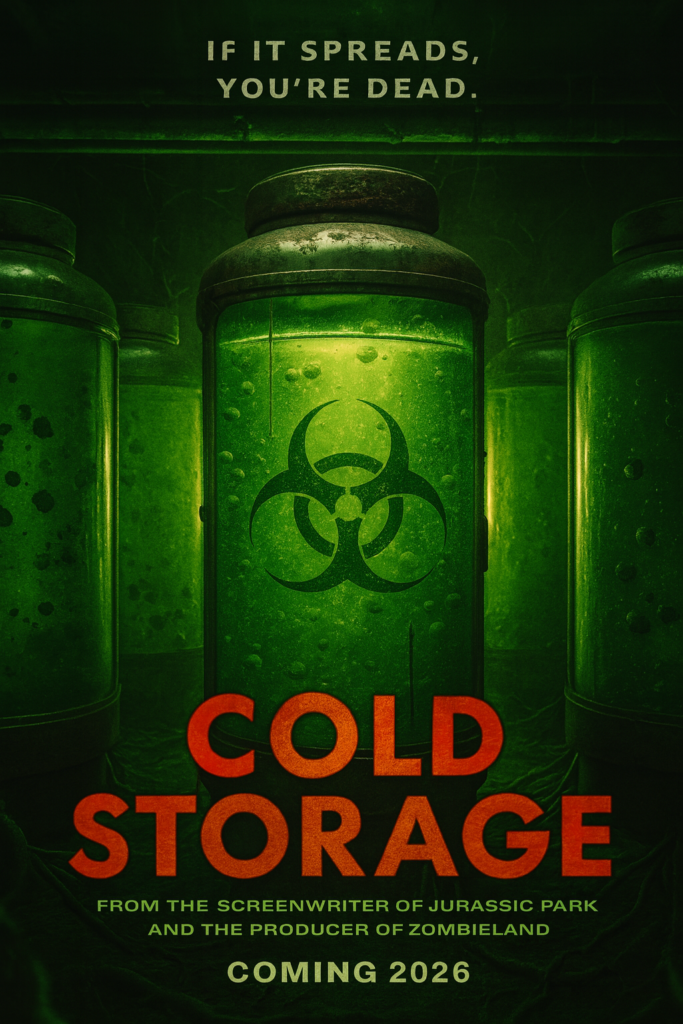
Introduction Cold Storage (Warning contains Spoilers)
Cold Storage (2026) delivers a chaotic blend of horror, science fiction, and dark comedy, and the film embraces its madness with bold confidence. Moreover, the movie benefits from David Koepp’s direct involvement, which gives the entire project a unified creative identity. Because Koepp adapts his own novel, the story moves with clear intention and sharp tonal focus. As a result, the film feels wild, energetic, and surprisingly charming.
Origins, Development, and Creative Foundation
David Koepp shapes Cold Storage from its earliest stages, and his long career influences every creative decision. Furthermore, his experience with Jurassic Park and Mission: Impossible gives him a strong understanding of tension, pacing, and spectacle. Because he adapts his 2019 novel himself, the film keeps the book’s voice without losing momentum. The story blends horror, science fiction, and absurd humour, and the mix feels deliberate rather than chaotic.
Koepp also produces the film with Gavin Polone, and their partnership strengthens the movie’s identity. Additionally, the France–United States co‑production with StudioCanal and Pariah gives the film international support and broader distribution. Consequently, the movie feels polished even when it leans into its B‑movie personality. The production design, casting choices, and tonal direction all reflect this confident mid‑budget approach.
The development process focuses on balancing spectacle with character, and the film benefits from that focus. Moreover, the adaptation trims unnecessary subplots from the novel, which keeps the story tight and accessible. The result feels streamlined yet still rich with personality.
Direction, Tone, and Stylistic Identity
Jonny Campbell directs the film with a playful and self‑aware approach. Instead of treating the killer fungus premise with heavy seriousness, he highlights the absurdity at every opportunity. Because of this choice, the movie balances grotesque body horror with sharp comedic timing. The actors commit fully, and their straight‑faced delivery makes the humour land with even more impact.
Campbell also shapes the tone with quick pacing and bold visual choices. Moreover, he embraces the ridiculous nature of the fungus outbreak, which gives the film a lively and unpredictable rhythm. The result feels chaotic yet controlled, and the tone stays consistent from start to finish. The direction never apologizes for the film’s weirdness, and that confidence becomes one of its strongest qualities.
Story, Structure, and Narrative Flow
The film runs a tight 99 minutes and focuses on a parasitic fungus that escapes a forgotten military bunker beneath a Kansas storage facility. Soon after the organism reactivates, it mutates rapidly and infects animals and humans. Because the infection spreads so aggressively, the characters face constant danger and rising tension.
The story follows three leads who collide during one chaotic night. Robert Quinn, played by Liam Neeson, understands the organism better than anyone, and he brings weary determination to every scene. Travis “Teacake” Meacham, played by Joe Keery, reacts with frantic humour and anxious charm, it’s similar to Steve, his famous Stranger Things character but that’s ok because it adds levity to the chaos. Naomi Williams, played by Georgina Campbell, stays calm and practical, and she grounds the story with steady focus.
Together, they navigate the maze‑like facility and race toward the original containment unit. Meanwhile, the fungus spreads through vents and corridors, which increases the stakes and keeps the tension high. The narrative uses tight spaces, rising threats, and shifting alliances to maintain momentum.
Furthermore, the story balances character development with action. Each character faces personal fears, and their reactions shape the film’s emotional core. The script uses humour to soften the horror, yet it never undermines the danger.
Visual Style, Cinematography, and Atmosphere
Cold Storage uses bright fluorescent lighting instead of traditional horror darkness. Because of this unusual choice, the horror feels clinical and surreal. The infected creatures remain fully visible, which turns many scenes into grotesque showcases rather than slow‑burn scares.
The cinematography uses overhead shots and tight corridors to emphasize the facility’s maze‑like structure. The camera moves through narrow hallways smoothly, creating a sense of claustrophobia. This when combined with the visual style, supports the story’s frantic energy and keeps the environment tense.
Several point‑of‑view sequences show the fungus spreading through tissue, and these moments feel unsettling and strangely creative. Additionally, the film uses colour and texture to highlight the infection’s growth, which gives the fungus a disturbing presence. The visual language blends scientific detail with pulpy exaggeration, and the combination feels unique.
Effects, Creature Design, and Technical Execution
The film blends practical effects with CGI, and the combination creates a vivid and slimy world. The practical makeup looks textured and disturbingly real, and it gives the infection a tactile presence. Moreover, the practical work enhances the horror by grounding the fungus in physical detail.
However, the CGI varies in quality. Some mutated animals and explosive growths look exaggerated, though the uneven visuals never break the film’s momentum. The digital effects support the story’s scale, yet the practical work delivers the strongest impact. The contrast between the two styles creates a strange charm that fits the film’s tone.
The creature design leans into fungal biology, and the infected hosts look unsettling and imaginative. Additionally, the film uses movement and sound to enhance the creatures’ presence, which increases the tension during chase scenes.
Music, Sound, and Tonal Contrast
The soundtrack uses upbeat songs during violent or chaotic scenes, and the contrast creates a pulpy, off‑kilter energy. Music from artists like The Beach Boys and Blondie plays over gore and explosions, and the cheerful tone enhances the film’s absurd personality. Additionally, the score uses sharp electronic pulses during tense moments, which keeps the pacing tight.
The sound design emphasizes squishy textures, echoing corridors, and sudden bursts of movement. Because of this approach, the environment feels alive and unpredictable. The audio work supports the film’s humour and horror with equal strength.
Themes, Subtext, and Underlying Ideas
Although the movie embraces silliness, it still explores several ideas. Government neglect creates the disaster, and climate shifts disturb the long‑buried organism. Ordinary workers show unexpected resilience, and scientific arrogance fuels the original experiment. Corporate indifference shapes the storage facility’s careless operations, and aging shapes Quinn’s emotional arc. Survival under pressure defines the group dynamic, and each theme adds texture without slowing the pace.
Lesley Manville and Vanessa Redgrave appear briefly, and their scenes add history, emotion, and unexpected humour. Their performances deepen the world without distracting from the main story. The supporting cast enhances the film’s tone by playing every moment with sincerity.
The chemistry between the leads becomes one of the film’s strongest elements. Their interactions feel natural, and their reactions shape the emotional rhythm of the story.
Adaptation Choices and Structural Changes
The film stays close to the novel, yet it removes Travis’s creepier traits and replaces them with a more sympathetic arc. Additionally, the movie simplifies some scientific details to maintain pace. The ending adds a small sequel tease involving an infected animal, which differs from the book and hints at future chaos.
The adaptation also trims several internal monologues and replaces them with visual storytelling. Because of this change, the film moves faster and feels more accessible. The structure remains faithful, yet the tone becomes lighter and more comedic.
Strengths
Cold Storage succeeds because the cast brings sharp energy and clear personality to every scene. Joe Keery and Georgina Campbell create lively chemistry, and their dynamic gives the film a strong emotional anchor. Liam Neeson adds dry humour and weary charm, which strengthens the movie’s balance between tension and comedy.
Moreover, the practical effects deliver vivid and unsettling visuals that enhance the horror without overwhelming the tone. The direction also embraces a playful style, and that confidence helps the film maintain momentum even during chaotic moments. Additionally, the bright visual design creates a unique atmosphere that separates the movie from darker creature features. These strengths work together and give the film a bold identity that feels memorable and entertaining.
Weaknesses
Cold Storage struggles with uneven CGI that occasionally distracts from the stronger practical effects. Some digital creatures look exaggerated, and that inconsistency interrupts the film’s visual rhythm. Furthermore, the pacing slows during the middle section, and those scenes reduce the tension built earlier.
The story also keeps its world small, and that limited scope prevents deeper exploration of the fungus and its origins. A few jokes land awkwardly, and those moments disrupt the film’s otherwise sharp comedic timing. Additionally, the ending arrives quickly, and the final scenes feel abrupt compared to the steady buildup. These weaknesses do not ruin the experience, yet they create noticeable bumps in an otherwise energetic film.
Final Thoughts
Cold Storage (2026) thrives when it embraces its identity as a chaotic creature feature. The film mixes horror, humour, and sci‑fi energy with surprising confidence, and the cast elevates every bizarre moment. Even though the pacing stumbles and the CGI varies, the movie delivers a memorable and entertaining ride. Fans of weird monsters, dark comedy, and pulpy genre films will find plenty to enjoy.