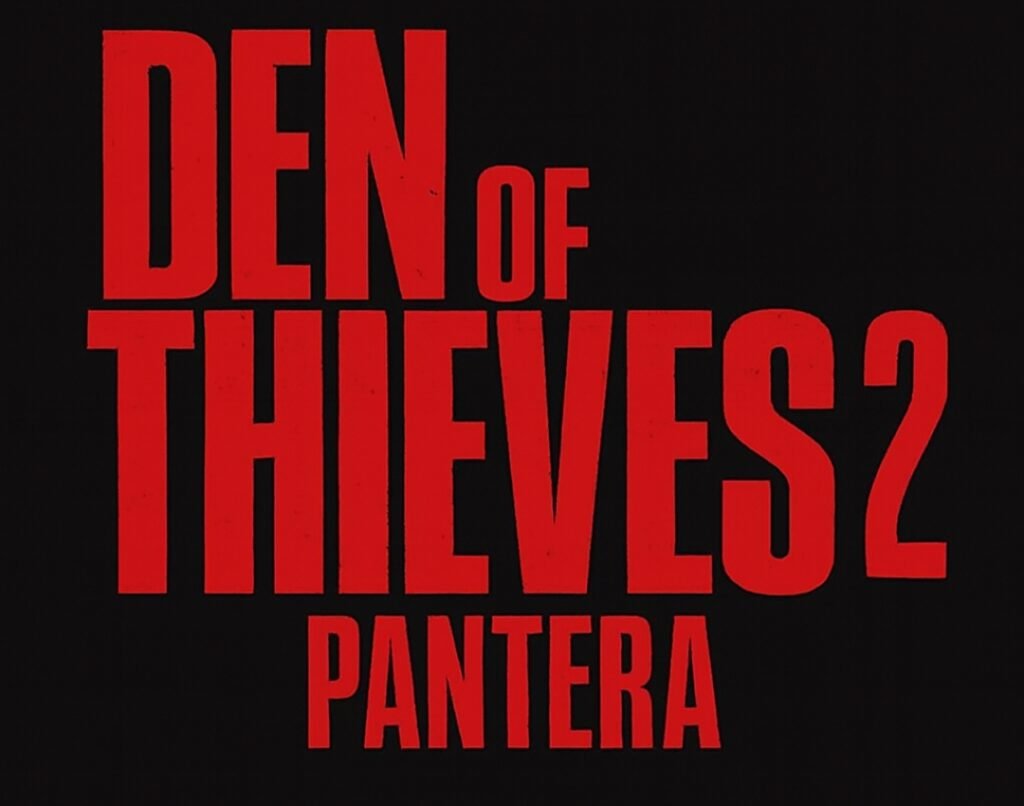
On paper, Gerard Butler and O’Shea Jackson’s Den of Thieves 2 sounds like the perfect escalation for a sequel. In execution? Well, let’s just say the results are more complicated than the heist itself.
Warning: Spoiler Alert
Den of Thieves 2: Pantera is a 2025 American heist film and the long-awaited sequel to 2018’s surprise hit Den of Thieves. Gerard Butler (300, Olympus Has Fallen) and O’Shea Jackson Jr. (Straight Outta Compton), return to reprise their roles, with Christian Gudegast back in the director’s chair and behind the screenplay.
The film draws inspiration from the 2003 Antwerp diamond heist—widely considered one of the most sophisticated robberies in history. This time around, the plot follows LASD Sheriff Big Nick O’Brien as he pursues suspected thief Donnie Wilson across the Atlantic to Europe. What starts as a pursuit evolves into an uneasy partnership as the two attempt to pull off an ambitious robbery targeting the world’s largest diamond exchange.
A European Vacation Gone Wrong. Or Right?
Gerard Butler returns as Big Nick O’Brien, and honestly, nobody else could play this character. He’s that perfect blend of rough-around-the-edges law enforcement and questionable ethics—a guy who bends (or outright breaks) the rules with such frequency that you wonder why he bothers wearing a badge at all. He’s got an appetite for walking the line between cop and criminal, and the kind of swagger that only comes from years of playing morally ambiguous tough guys.
A Bloated Runtime That Kills Momentum
At nearly two hours and twenty minutes, scenes that should crackle with tension instead meander. You’ll find yourself wondering which sequences could’ve been trimmed without sacrificing the story’s core. Add in some frustrating plot holes, and the film’s momentum suffers even more.
Once again, he’s paired with O’Shea Jackson Jr. as Donnie Wilson, the clever mastermind. Their dynamic was one of the highlights of the original, and I was curious to see how it would evolve in a sequel.
This time, the action moves from Los Angeles to the sophisticated, shadow-drenched underworld of European diamond thieves. It’s a tonal shift from Southern California swagger to Old World elegance, and the film certainly makes the most of its international locales. Their target? The world’s largest diamond exchange—a literal fortress of wealth and security that makes their previous Federal Reserve bank heist look like knocking over a corner convenience store.
Walking In With Reasonable Expectations
Sure, it borrows heavily—some might say shamelessly—from Michael Mann‘s 1995 masterpiece Heat. The DNA is unmistakable: the cat-and-mouse dynamic between cop and criminal, the sprawling ensemble, the operatic shootouts in broad daylight. Despite this, it was still a solid, genuinely entertaining ride that delivered exactly what it promised: gritty action, explosive set pieces, and the kind of testosterone-fueled mayhem that makes for a perfect Friday night watch.
The film knows what it is and leans into that identity without shame. It is an action-fueled heist thriller with aspirations of depth but smart enough to prioritize action and adrenaline. And that’s perfectly fine! Not every film needs to reinvent the genre.
The chemistry between Butler and O’Shea Jackson Jr. remains one of the film’s strongest assets, and honestly, it might be the main reason to watch Pantera at all. Jackson, in particular, continues to impress. He brings a cool, calculated intelligence to Donnie that serves as the perfect counterbalance to Nick’s brutish, bull-in-a-china-shop approach to problem-solving. Their back-and-forth has a rhythm to it, an easy banter that suggests these two have developed something resembling mutual respect—even if neither would ever admit it out loud.
A Massive Tonal Shift That Doesn’t Quite Land
Here’s where Pantera fundamentally stumbles, and it’s a big one: the film completely misunderstands what made the original work. The first Den of Thieves was an action-heavy thriller that delivered explosive set pieces, intense shootouts, and relentless forward momentum. Even when the plot occasionally meandered or the character development felt thin, you had the gunfights and heists to keep your pulse racing.
Fans coming to the sequel expecting more of the same high-octane mayhem—and let’s be honest, that’s most people buying tickets to a Gerard Butler action sequel—are going to be disappointed. The action beats you’re expecting? They’re few and far between.
It’s a deliberate pivot toward becoming a slow-burning, methodical heist film in the vein of the original Heist (2001). It wants to be cerebral rather than visceral, calculated rather than explosive.
The critical difference here is that those films were designed from the ground up to be that kind of movie. They built their worlds, established their tones, and set audience expectations accordingly. Pantera, on the other hand, is trying to transform an established action franchise into something it was never meant to be, and the result feels awkward and forced.
The film’s greatest and most frustrating irony is that when the heist finally unfolds in the third act, it’s genuinely thrilling, clever, and expertly choreographed. Suddenly, all the pieces click into place. The planning pays off. The character dynamics that have been building throughout the film reach their culmination. The tension that the movie has been promising for two hours finally arrives.
The sequence demonstrates exactly the kind of precision, timing, and escalating stakes that should have characterized more of the film. It’s exciting, visually dynamic, and genuinely nerve-wracking. You find yourself leaning forward in your seat, suddenly invested in whether they can pull it off, suddenly caring about the mechanics that had bored you thirty minutes earlier.
Den of Thieves 2: Pantera isn’t without merit—that needs to be said upfront. The lead performances are strong and committed. The actual heist, when we finally get there, delivers genuine thrills. There’s clear craftsmanship evident in the production design, cinematography, and the European locations. Christian Gudegast clearly cares about this world and these characters.
But ultimately, this is a textbook case of a sequel that fundamentally misunderstood what made its predecessor connect with audiences. It’s a film that second-guessed its own instincts and tried to be something it was never meant to be.
The most damning question is simple: Who is Pantera actually for?
If you’re a die-hard Gerard Butler fan or you genuinely loved the first film, Pantera might still be worth a viewing—but I’m telling you right now, you need to adjust your expectations dramatically.
If you decide to give it a shot anyway (and I respect the optimism), treat it as a patience exercise. Settle in for the long haul. Make peace with the fact that you’re watching an extended planning session for about ninety minutes. Accept that the movie you want doesn’t really start until the final act. Bring snacks. Maybe caffeine.