
Desert Warrior Movie Review: A Visually Ambitious Historical Epic
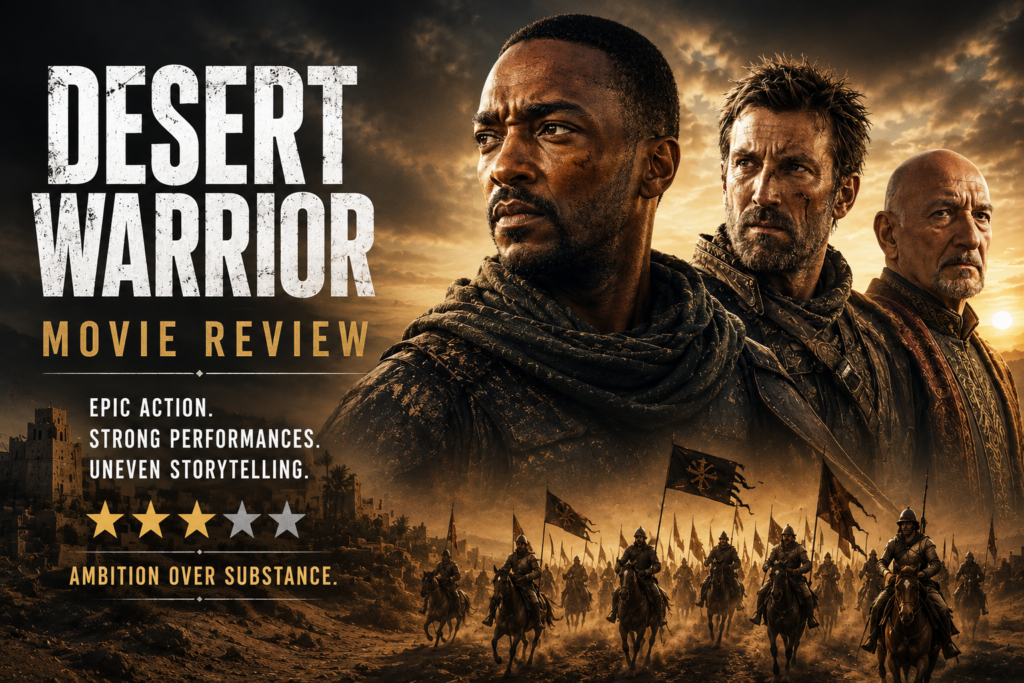
Introduction (Warning Contains Possible Spoilers)
Most historical movies are expected to have spectacular scenes of action and huge fights, but providing everything mentioned is not always easy to achieve. The Desert Warrior takes its place among other historical movies with obvious intentions.
Director Rupert Wyatt‘s film tries to make an adventure on the grand scale, which is placed in the framework of political conflicts and personal struggles of the main characters. It tells the tale of strange alliances, power struggles, and battles for liberty.
As a product, this film is definitely a success, as well as its ambitions. At the same time, some of its parts suffer from its own scope.
Storyline and Themes
Themes of struggle, survival, loyalty, and power form the basis of the movie. Such themes are present in the entire movie. The movie is built on the idea of conflict between power and freedom.
The movie is inspired by some facts and locations from real life. Yet at the same time, it pays more attention to telling the cinematic story rather than accurately representing history. This provides more opportunities but poses some restrictions as well.
A good basis is provided in terms of the plot. Firstly, political conflict creates sufficient stakes. Secondly, relations with people create emotional value. Thirdly, there is sufficient material for epic storytelling.
Even so, at times, the plot is not as thick as one would have hoped. Significant happenings occur fast. Some instances require more buildup. In other cases, emotionally charged scenes take place when audiences have not established an emotional connection with characters.
Characters’ motivations usually make sense. Nonetheless, further development could improve the dynamics of many characters. The rapid movement of the film leads to rushed character interactions.
It is obvious that the film is attempting to make people connect emotionally with it. In some cases, this causes actions to override reflections.
These themes themselves are easily relatable. Freedom and sacrifice are concepts that the audience can easily identify with. But they tend not to go much deeper into these themes.
As such, there is a definite imbalance here. The movie brings up interesting concepts. Yet it fails to fully explore them.
The plot itself is interesting enough to keep the viewer engaged. But better writing would lead to better immersion.
Directorial Decisions and Style
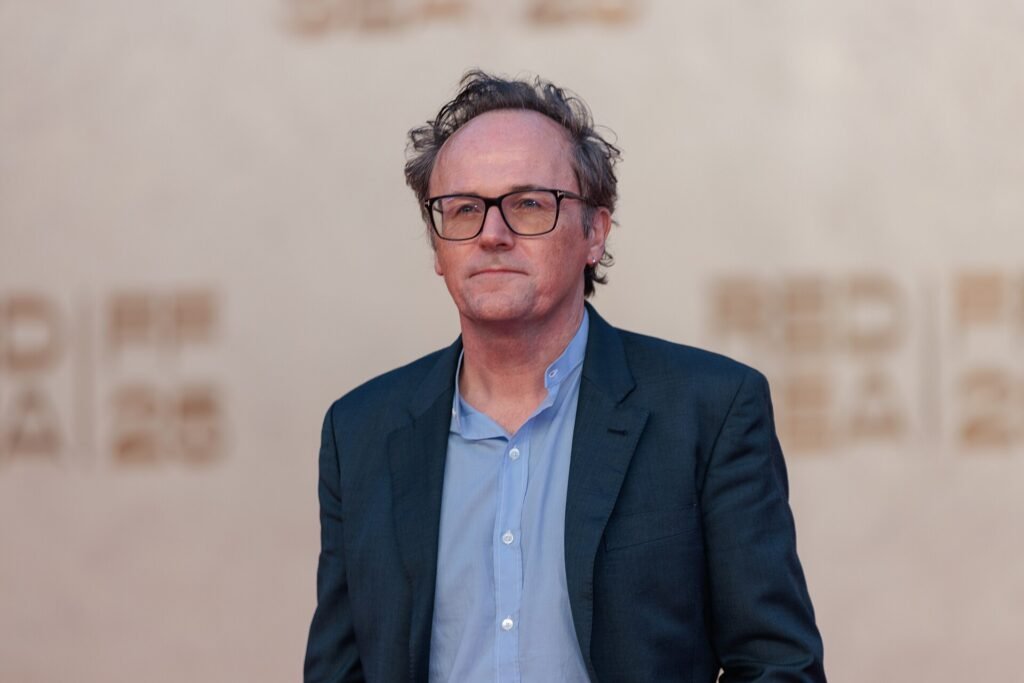
Wyatt directs the movie on a large scale. Every choice seems to contribute towards this end. The idea of scale permeates the movie.
The director is concerned about battle scenes in particular. Widescreen shots add to the scope of battles. The settings add to the realism of the world depicted. This fits with the epic nature of the film.
Wyatt’s style works best when there is a lot going on. The characters move deliberately. Big moments don’t look cluttered. Action scenes are easy to follow.
This becomes apparent in the way the movie is paced. Slowdowns are not common occurrences. Energy is a constant through most of the film.
This creates an advantage for Wyatt. He can prevent the movie from dragging. Energy is fairly consistent throughout. There are no long stretches of boredom.
This pace does have its shortcomings, however. It leaves little room for character moments. Emotionally heavy moments may not have time to breathe.
Certain events could use some slower paces to enhance their emotional power. The faster pace means that this is not possible to achieve.
Visually, Wyatt does his job very well. He creates atmosphere through landscapes. Big spaces emphasize danger and loneliness.
Wyatt is good when it comes to spectacle creation. The movie is visually ambitious. This seems intentional and not coincidental.
The poor parts occur during quiet moments. Certain emotional events are missing something. The lack of character interaction makes the scenes weak.
Generally speaking, Wyatt creates an ambitious movie visually. He handles spectacle nicely. Storytelling gets less attention.
Cinematography
Guillermo Garza‘s cinematography is one of the strong aspects of the film. The visuals consistently match the goals of the production. The big environments play an important part in telling the story.
The shots with wide landscapes occur often. They create scale in terms of environments. The desert looks rough and brutal.
The natural environments make the viewer feel immersed. The settings do not look artificial. The world looks big and treacherous.
The cinematography significantly enhances action scenes. Motion makes them energetic. Yet, they remain coherent despite being very chaotic.
The cinematography does not make the viewer confused. It allows for fast-paced scenes to be clear. It keeps the viewer involved.
Lighting contributes to the atmosphere of the film. The lighting of the desert emphasizes its danger. The dim light creates tension in the dramatic scenes.
Isolation is often emphasized by composition. The characters usually look tiny against the vast environment. It makes them look weak and struggling for survival.
There are some problems with the visuals of the movie. Sometimes the director values aesthetics above emotions. Beautiful shots can distract from the characters.
Nonetheless, the cinematography always manages to create an atmosphere. This makes the film seem lavish and ambitious in terms of its visual aesthetics. This aspect becomes significant for action movies that revolve around history.
Through Garza’s work, the weaker elements of the story are compensated for with visuals. Visuals keep viewers interested, even during moments when there is no narrative drive.
Cinematography ends up becoming one of the most of the film’s biggest strengths.
Visual Effects and Spectacle
The large historical epics require the use of many visual effects. This film uses such effects frequently. Such techniques make the production of large scale possible.
All the battle scenes use many visual effects for the enhancement. It makes the army look much larger. It also expands the environment very naturally.
The visual effects work perfectly in most cases. The viewer is not distracted completely by them. It keeps them immersed in the movie.
Environmental effects produce more atmosphere. Dust, weather conditions, and destruction provide realism. These elements enhance world-building.
It is evident that the movie tries to be big spectacle. Several shots are made specifically to impress. Some shots accomplish this objective.
Yet, spectacular elements may result in imbalance. Large shots can overpower emotional elements. Emotion gets lost to visuals.
Some scenes that make use of special effects seem to go on for too long. Less could be more here. Just because something is big doesn’t mean it’s good.
Some special effects contribute to the narrative process in a very organic manner. The other times, the effects are purely spectacular. The distinction is apparent after some time.
In spite of the problems mentioned, visual effects are successful. They contribute to making the audience immersed. They add to the cinematic ambition of the film. Without visual effects, there would be nothing much left to see.
Performances
The cast carries much of the film’s emotional responsibility. Strong performances become essential when storytelling moves quickly. Most actors handle this challenge effectively.
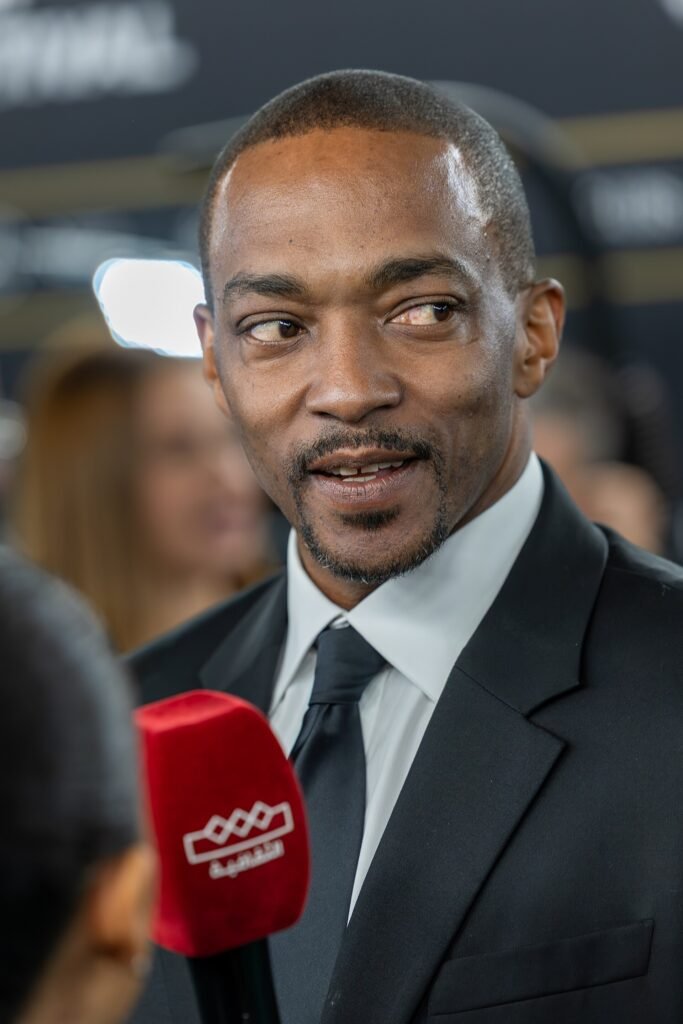
Anthony Mackie gives a performance based on charm and physicality. He seems to fit perfectly into the action scenes. His presence on-screen does not diminish.
Mackie is at his best when he plays scenes filled with emotions and conflicts. It gives him an opportunity to show more of his personality. However, the screenplay lacks such scenes.
Sometimes, the character of Mackie seems to be underdeveloped. The reason lies in the script and not in the performance of the actor.

Aiysha Hart serves as an emotional anchor. She portrays a mixture of determination and vulnerability. She keeps things personal. Hart shines in tense situations. She gives convincing emotional reactions. She is still among the better parts of the story.
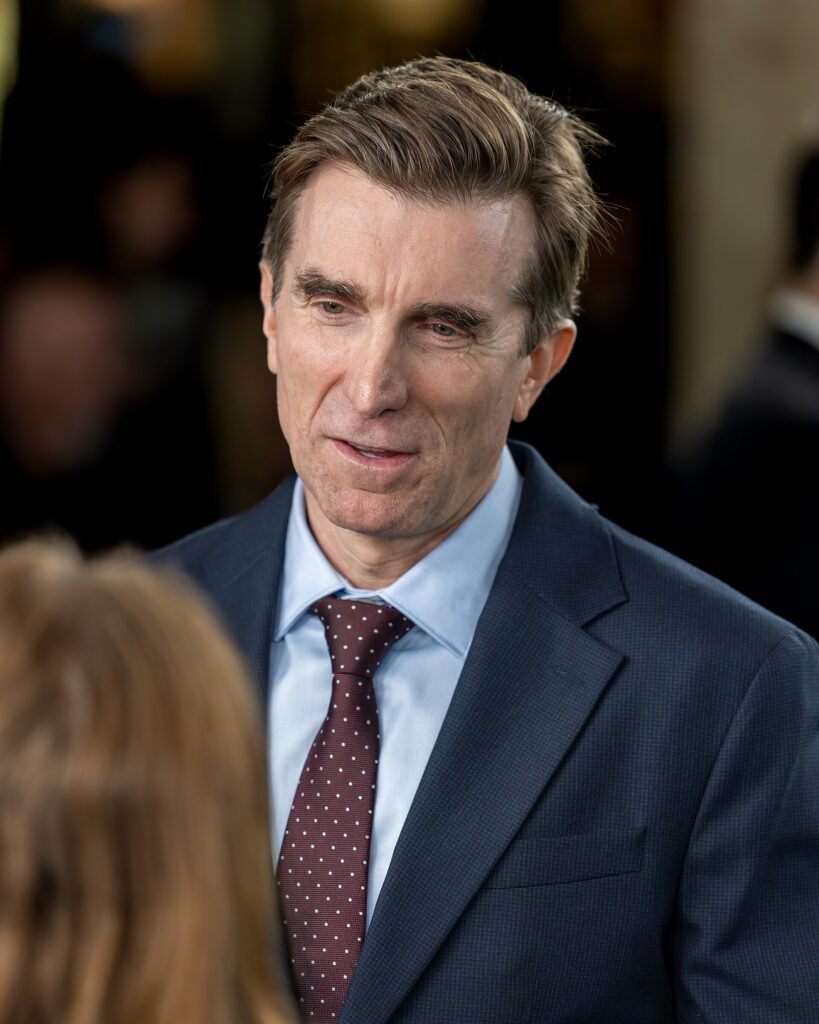
Sharlto Copley provides energy and unpredictability. Copley’s performance gives variety to the scenes. Copley’s performance keeps the movie engaging since he understands its dramatic essence. Copley’s character adds intensity that is needed in the movie.
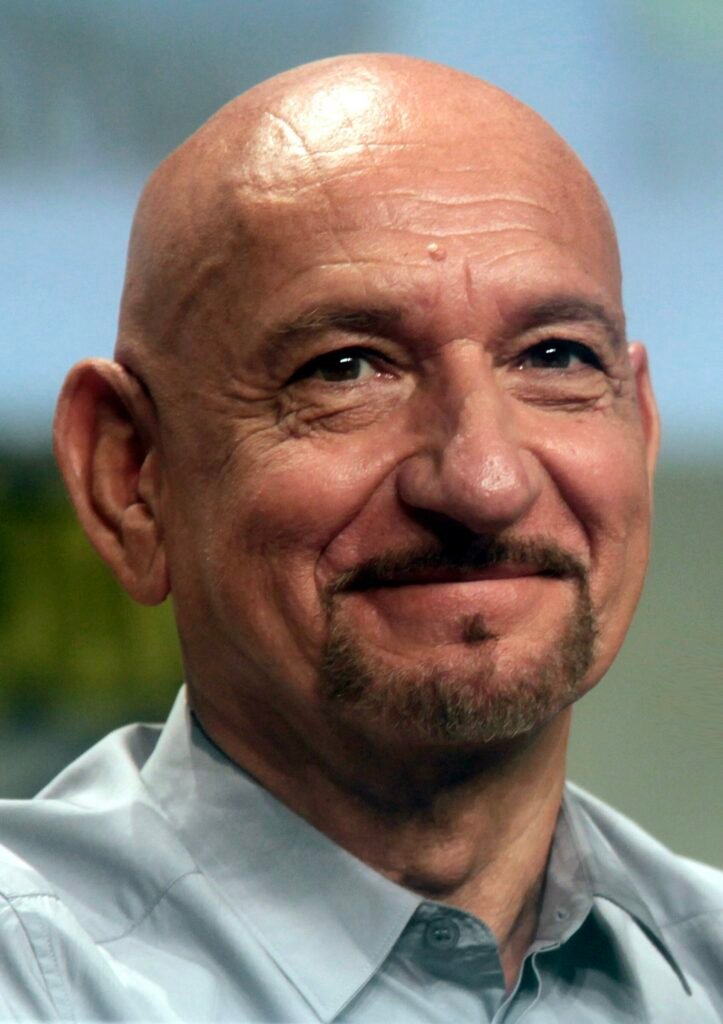
“Ben Kingsley has experience and authority, which is shown through his performance, adding credibility to significant scenes.” Ben Kingsley knows how to grab viewers’ attention. All scenes he appears in seem to carry more importance just because of him.
All acting is really good but could be better, if there was better writing. Often actors make up for the weak screenplay. In summary, acting plays an important role since it keeps viewers involved throughout the film.
What Worked
There are many strengths in Desert Warrior. For instance, visual delivery is still effective. The movie always looks like an ambitious production. Camera work is excellent in creating the appropriate mood. The landscapes used aid in building the necessary mood. Everything seems to be real and dangerous.
The action sequences continue to have high energy levels. Battles always look big and crucial. The movie retains good visuals in chaotic moments. Finally, the performances contribute a lot in improving the movie. Although the characters develop minimally, their interaction seems realistic.
Also, the film works well with its worldbuilding aspects. The setting is expansive. The political conflict brings about believable stakes. It is worth commending the film on its production design. Its costumes and locations help to build its historicity aspect.
The soundtrack also helps in building the sense of suspense within the movie. Music assists in creating the momentum. Above all, however, the most commendable aspect of this film is its ambition. It has ambitions, and they remain consistent.
What Did Not Work
It is pacing that poses the major issue in this film. The plot moves too fast, and there should be more pauses on some occasions to enhance certain events. There is not enough character development owing to the fast pace. Some relationships lack development, and emotional scenes miss their effect.
Additionally, there are issues with balancing the film. Spectacle often wins over narration and action over character development. Themes are present in this film, yet they require further development. The freedom and sacrifice are significant and emotional, yet they need more elaboration.
Certain shots are just made for their grandeur. Such shots may be considered impressive, but their narrative contribution is much less obvious. In addition, historical references present problems. Those who seek more intricate historic background will not be satisfied. The movie opts for entertainment rather than exploration of history.
The length of certain parts seems disproportionate. In some cases, the tempo is too fast. In others, things drag on too long. As far as narrative structure goes, it can appear somewhat random. There is too little emphasis placed on developing certain plot elements.
None of the above issues undermine the whole experience, but they prevent the film from attaining its full potential.
Final Verdict
Overall, Desert Warrior is a bold production, with several aspects of great strength, but also significant weaknesses. The visuals are always pleasing, with impressive cinematography and action sequences.
In addition, the actors’ performances are compelling. Anthony Mackie, Aiysha Hart, Sharlto Copley, and Ben Kingsley make up for the film’s weak spots.
Nevertheless, poor pacing makes things less engaging. Character growth is not sufficient. In addition, depth suffers from constant movement.
On one hand, the movie works well as entertainment but not as a historical drama. For those who value action and visual effects, the film is sure to please.
On the other hand, those looking for a more intricate story will be disappointed. Overall, although not perfect, the film is entertaining. Nevertheless, with better storytelling, Desert Warrior could become even better.

Pingback: Twisted Metal Season 2: A Wild And Chaotic Ride - Film Misfits