Five Nights at Freddy’s 2 (2025) Review – Bigger Lore, Smaller Scares
Introduction: Five Nights at Freddy’s 2
Five Nights at Freddy’s 2 arrives with higher expectations after the commercial success of Five Nights at Freddy’s. Once again directed by Emma Tammi and written alongside Scott Cawthon, the sequel expands the mythology. Returning cast members include Josh Hutcherson, Elizabeth Lail, Piper Rubio, and Matthew Lillard. Meanwhile, Skeet Ulrich, Wayne Knight, McKenna Grace, and Teo Briones join the ensemble.
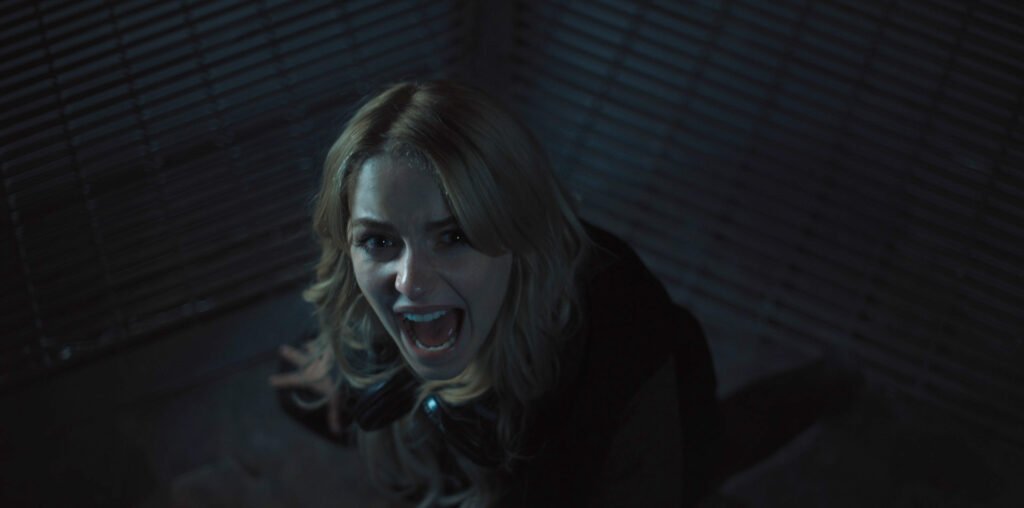
On paper, this sequel promises deeper lore and stronger horror. In execution, it delivers a mixed experience that never fully commits to its potential.
A Sequel That Expands the Mythology
Set one year after the first film, the story focuses heavily on Abby Schmidt. Her connection to the animatronics drives the emotional center. The opening introduces a festival celebrating the infamous pizzeria. That clever detail acknowledges the previous events without repeating them. Consequently, the sequel feels aware of its cultural footprint.
Initially, I felt intrigued. Trauma lingers over returning characters. However, the script rarely slows down to explore that trauma fully. Instead, it rushes toward lore reveals. While the film promises insight into Freddy Fazbear’s origins, it often delivers information through dense exposition. As a result, mystery turns into overload rather than suspense.
An Overstuffed and Uneven Narrative
Mike Schmidt attempts to shield Abby from the truth. Meanwhile, Abby seeks answers independently. Her curiosity triggers a deeper exploration of the franchise’s dark history. In theory, this direction works. Abby’s bond with the animatronics remains compelling. However, the storytelling feels cluttered.
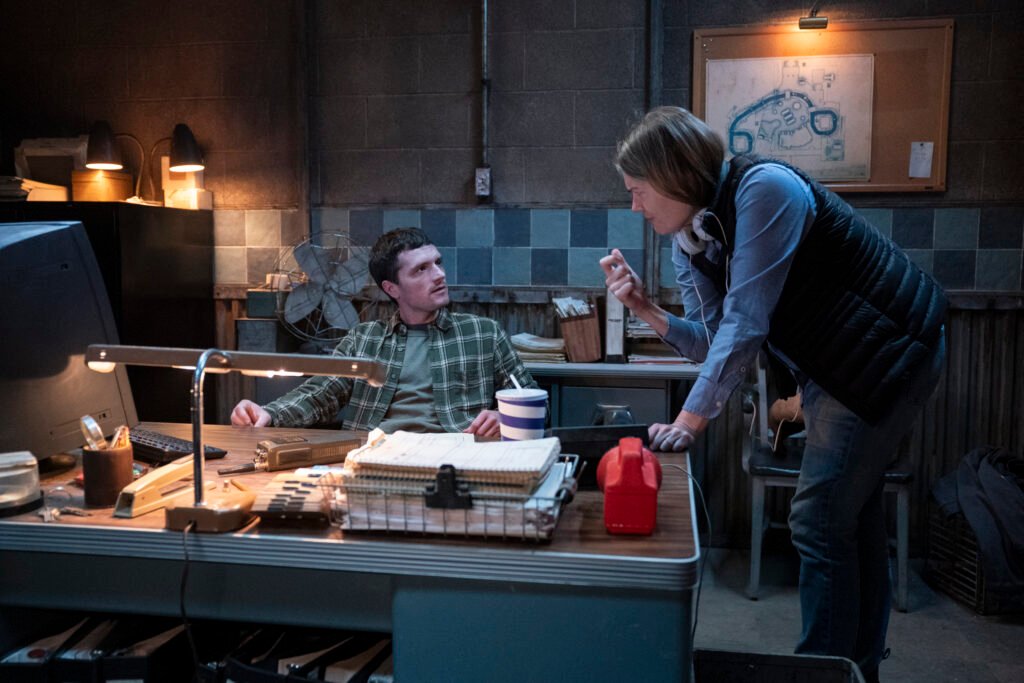
Scenes frequently begin with emotional weight. Then they pivot abruptly toward setup for future installments. Consequently, the narrative feels incomplete. The film jumps between mystery, horror, and franchise expansion. That tonal shifting weakens focus. Rather than building tension steadily, it scatters attention across too many threads.
By the third act, the story prioritizes sequel teasing over resolution. Therefore, the finale feels more like a prologue than a satisfying conclusion.
Horror Without True Threat
For a horror sequel, tension feels surprisingly mild. Jump scares appear often, yet most feel predictable. I anticipated each one long before it arrived. The PG-13 approach limits intensity. While gore alone does not guarantee fear, the animatronics rarely feel dangerous. Chase scenes lack urgency.
I never experienced sustained dread. Instead, moments that should unsettle feel sanitized. Consequently, the horror rarely lingers beyond the frame. One standout security office sequence briefly captures the franchise’s essence. It mirrors the gameplay mechanics effectively. During that scene, tension finally clicks. Unfortunately, the film does not sustain that energy.
Direction and Performances Struggle to Break Through
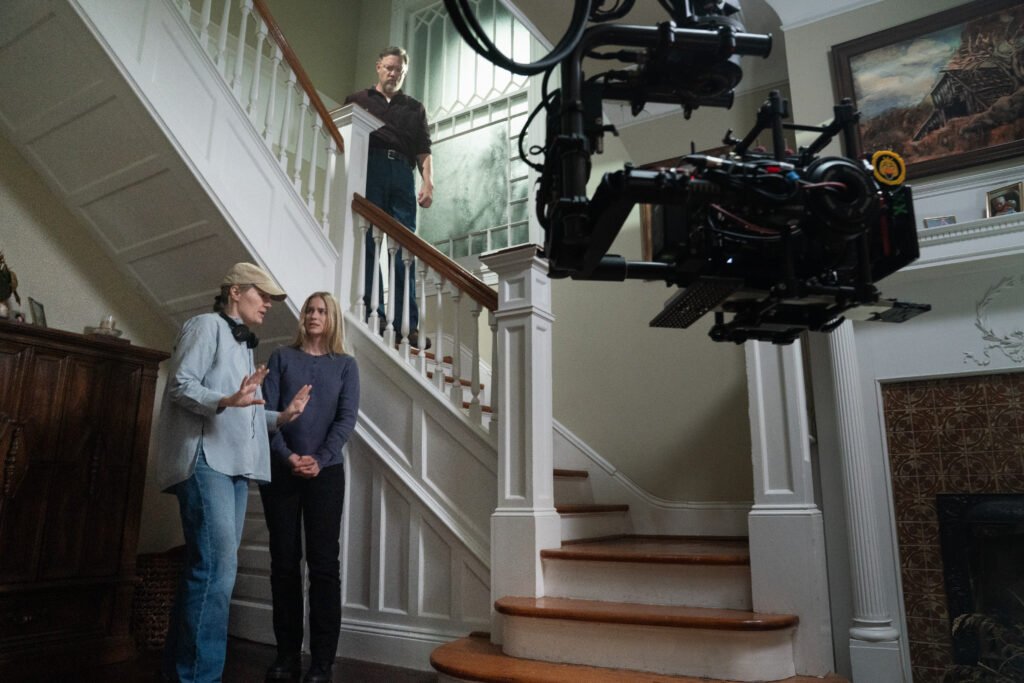
Emma Tammi directs with restraint. However, restraint sometimes becomes flatness. Visual compositions rarely push stylistic boundaries. Emotional beats often fade under quick edits. Josh Hutcherson delivers a steady performance. Piper Rubio anchors several scenes with sincerity. Yet the script gives them limited space to deepen their arcs.
Matthew Lillard injects energy when he appears. Meanwhile, Skeet Ulrich and Wayne Knight provide welcome bursts of charisma. Still, underwritten roles prevent lasting impact. The ensemble shows talent. The screenplay simply does not maximize it.
Fan Service Over Clarity
The sequel clearly targets dedicated fans. References and callbacks fill nearly every act. Longtime followers will spot countless nods. While I appreciated some of these details, the film leans heavily on insider knowledge. Consequently, casual viewers may struggle to follow certain developments. Instead of streamlining its mythology, the story layers on additional complexity. That choice narrows accessibility.
Craftsmanship That Deserves Praise
Despite narrative flaws, the production design impresses consistently. The updated Freddy Fazbear’s Pizza feels immersive and authentic. Most notably, the animatronics from Jim Henson’s Creature Shop look exceptional. Their practical presence enhances realism. Textures, movement, and detail surpass many CGI-heavy horror films. Visually, the film often excels. The craftsmanship stands as its strongest asset.
Final Verdict – Ambitious but Unfocused
Five Nights at Freddy’s 2 contains strong ideas and impressive practical effects. However, uneven pacing and scattered storytelling limit its impact. The sequel expands lore enthusiastically. Yet it sacrifices narrative cohesion in the process. Horror elements feel restrained when they should terrify.
Dedicated fans will likely appreciate the deeper mythology. Casual viewers may find the experience frustratingly dense. Ultimately, this sequel plays cautiously when bold risks were necessary. It flashes potential without fully realizing it. A visually polished but narratively messy sequel that prioritizes lore over lasting fear.