
Frankenstein (2025): Guillermo del Toro’s Emotional Gothic Masterpiece
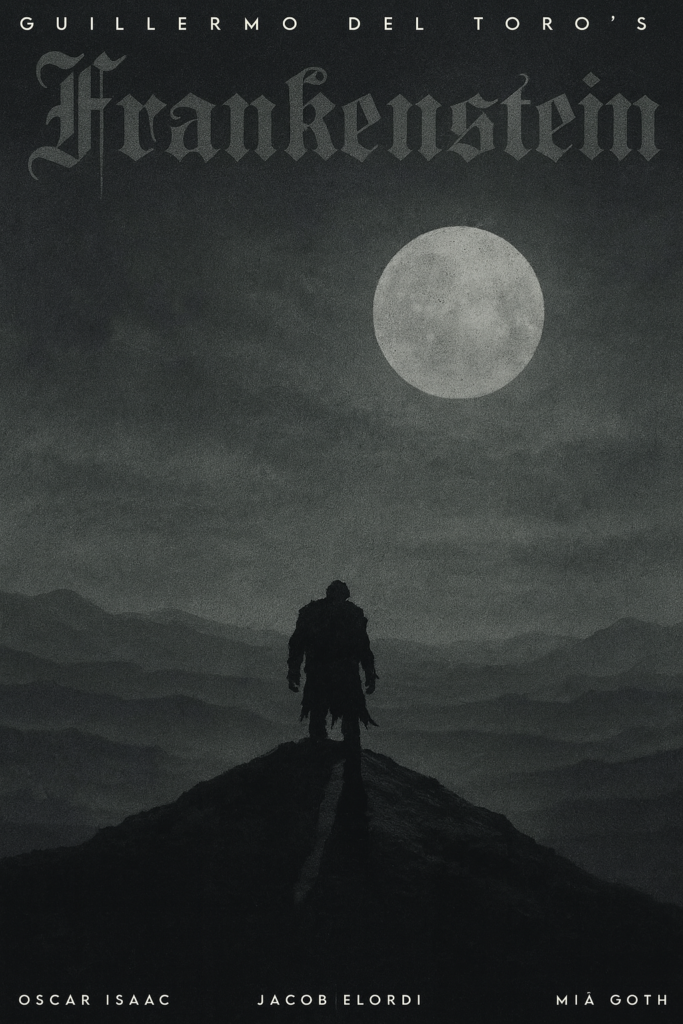
Frankenstein (2025) Introduction (Warning contains Spoilers)
Frankenstein (2025) stands as a deeply personal project for Guillermo del Toro. He transforms the classic monster tale into a tragic gothic drama. This version draws strong inspiration from Frankenstein by Mary Shelley. However, del Toro shifts the focus toward forgiveness and emotional healing.
Instead of delivering jump scares, the film explores loneliness and generational trauma. Therefore, it feels reflective rather than terrifying. From the opening scene, a heavy and deliberate tone dominates. Consequently, the film demands patience and emotional investment.
Story and Structure
The narrative follows Victor Frankenstein and his dangerous ambition. He creates life, but he refuses responsibility. That decision triggers suffering, guilt, and moral collapse. Meanwhile, the Creature searches for identity and belonging. The film uses a non linear structure. Arctic scenes frame the tragedy with isolation and inevitability.
Then the story moves through Victor’s childhood and scientific obsession. As a result, emotional context deepens before the central conflict explodes. The pacing moves slowly and deliberately. Sometimes that approach strengthens atmosphere. However, the long runtime creates repetition in the first half. Once the Creature takes focus, emotional momentum increases.
Visual Style and Atmosphere
Del Toro crafts a tactile and immersive world. Every set feels textured and lived in. Candlelight and firelight dominate interior scenes. Therefore, shadows feel thick and alive. Cold blue tones define the Arctic landscape.In contrast, green hues surround the Creature and nature.
The camera rarely sits still. Instead, it glides and circles characters with curiosity. That movement creates intimacy and emotional tension. Consequently, the film feels alive even in silence. The atmosphere builds dread through stillness and restraint. Rather than shock, it delivers quiet sorrow
The Creature as the Emotional Core
Jacob Elordi delivers a remarkable performance as the Creature. He communicates pain through subtle physical detail. His movements shift from awkward stiffness to controlled humanity. Therefore, his growth feels authentic and tragic. The Creature reads, learns language, and questions morality. He seeks connection instead of destruction.
When society rejects him, pain fuels his violence. Consequently, the audience understands his emotional fracture. This portrayal avoids caricature completely. Instead, it presents a wounded child in a terrifying body. Because of that nuance, the Creature becomes the film’s heart.
Victor Frankenstein as a Broken Father
Oscar Isaac portrays Victor with volatile intensity. He emphasizes ego, obsession, and insecurity. Victor seeks validation rather than scientific progress. As a result, his ambition feels selfish and destructive. At times, Isaac pushes the performance toward theatrical extremes. Sometimes that intensity strengthens the tragedy. Other moments feel overwhelming and repetitive. Nevertheless, Victor functions as a failed father figure. He creates life yet abandons responsibility. That abandonment defines the film’s emotional conflict.
Themes of Trauma and Forgiveness
Frankenstein (2025) centers on generational trauma. Victor mirrors the emotional cruelty he endured as a child. Pain passes from parent to creation without interruption.
Therefore, abandonment shapes every character.
Identity also drives the narrative forward.
The Creature struggles to define himself beyond society’s rejection. Unlike traditional adaptations, this version moves toward reconciliation. Forgiveness replaces pure punishment. That hopeful shift changes the story’s moral direction. Instead of warning about science, it examines accountability and healing.
Final Verdict: A Haunting and Thoughtful Adaptation
Frankenstein (2025) rejects mainstream horror expectations. It embraces slow burn storytelling and emotional introspection.
Guillermo del Toro crafts a sincere and visually rich adaptation. Jacob Elordi anchors the film with heartbreaking vulnerability.
Although the pacing feels uneven, the atmosphere remains powerful. Some character arcs feel underdeveloped, especially Elizabeth’s. Even so, the film leaves a lasting impression. It invites reflection rather than shock.
Ultimately, this adaptation asks viewers to understand the monster. For that reason, it stands as a haunting and emotionally resonant experience.