
H Is for Hawk Review: Grief and Quiet Healing
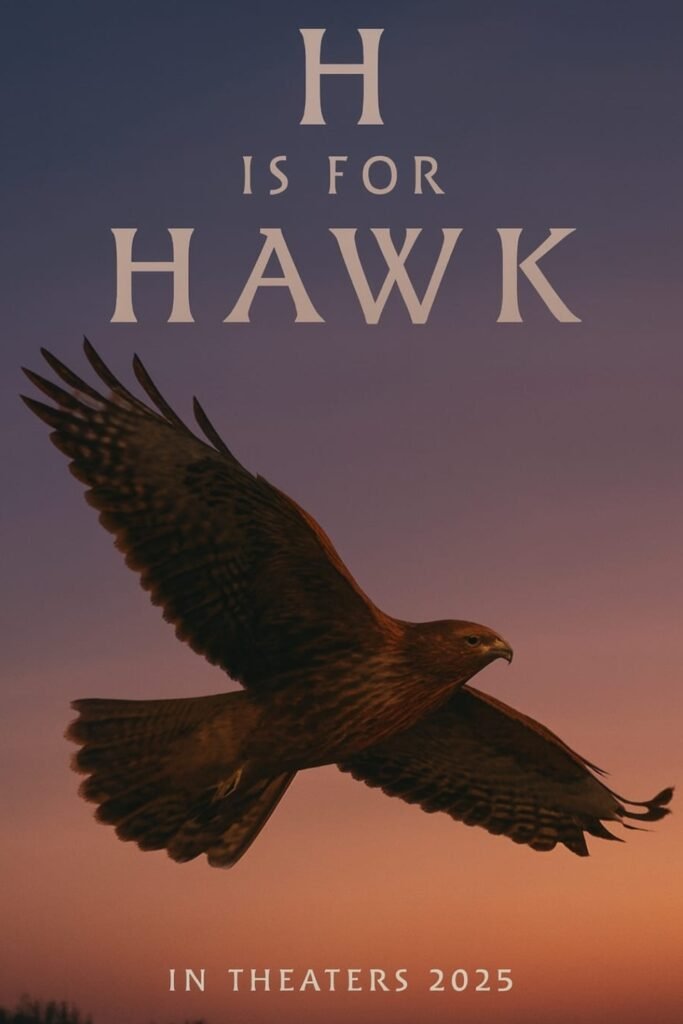
Introduction and First Impressions
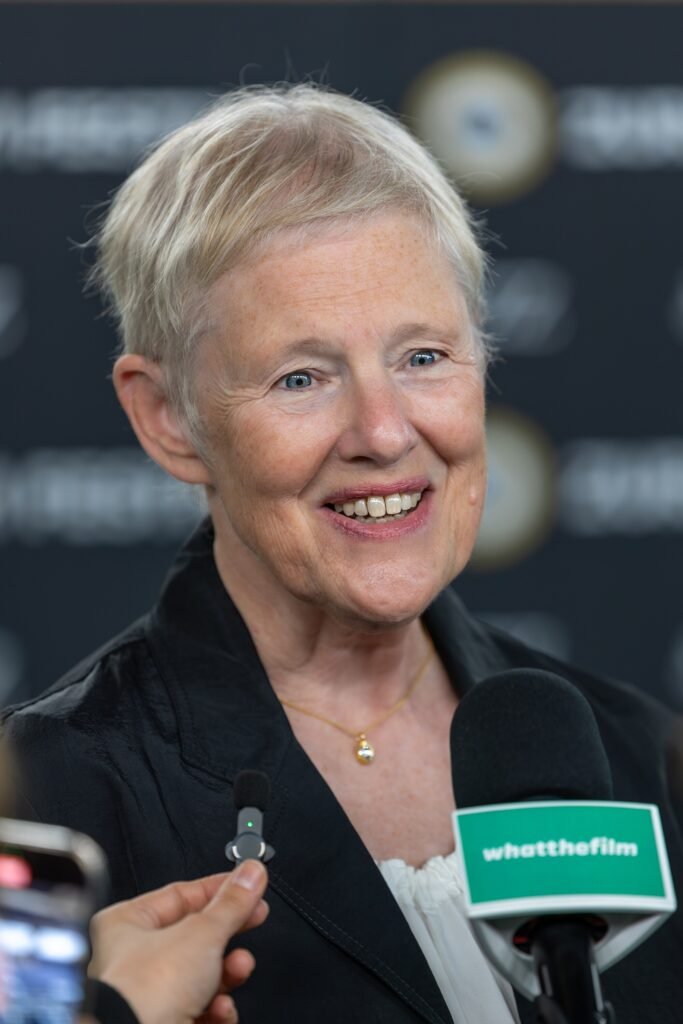
In this H Is for Hawk review, I examine a deeply reflective and emotionally immersive film. H Is for Hawk is a 2025 biographical drama directed by Philippa Lowthorpe.
She co-writes the screenplay with Emma Donoghue. Together, they adapt H Is for Hawk by Helen Macdonald.
Claire Foy leads the film with careful restraint. Additionally, Brendan Gleeson, Denise Gough, Sam Spruell, and Lindsay Duncan deliver grounded supporting performances.
From the opening, the film rejects a conventional structure. Instead, it builds a quiet and emotionally immersive atmosphere. Moreover, it prioritizes reflection over action. As a result, it avoids dramatic plot points and obvious resolutions.
The Story and Emotional Core
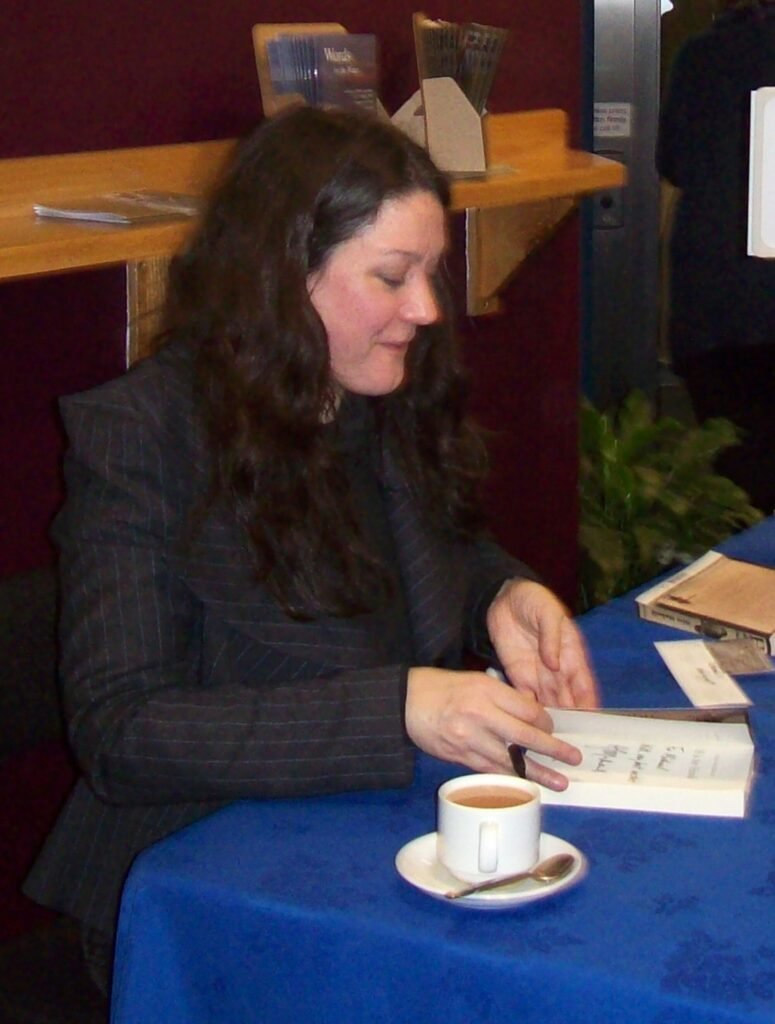
The narrative follows Helen Macdonald after her father’s sudden death. Their shared curiosity and love of nature shape her identity deeply. However, his death completely disrupts that foundation.
Consequently, Helen feels untethered and disoriented. She struggles to engage with everyday routines. Instead of seeking support, she withdraws from others. Then, she makes a radical and isolating decision.
She chooses to train a wild goshawk named Mabel. This decision creates distance from society and structure in her life.
Falconry demands precision, discipline, and total concentration. At the same time, it becomes a form of emotional escape.
Therefore, it both stabilizes and intensifies her internal struggle.
Importantly, the film refuses to label this choice clearly. It does not present falconry as healing or harmful. Instead, it presents a complex and unresolved process. Mabel resists control at every stage. As a result, the hawk never becomes a simple symbol.
Rather, it reflects unpredictability and emotional tension.
This resistance mirrors Helen’s internal state.
However, the film avoids direct explanation.
Consequently, viewers must interpret the connection themselves.
Why This Story Works on Screen
Philippa Lowthorpe avoids voice-over entirely. This decision strengthens the film’s visual storytelling. Instead, she relies on physical detail and silence. For example, Helen often watches, waits, and endures. These repeated actions create emotional rhythm. As a result, viewers feel her internal experience.
Moreover, the film trusts the audience completely. It avoids exposition and explanatory dialogue. Therefore, it creates a more immersive experience.
Additionally, silence shapes the film’s emotional tone. Scenes without dialogue feel tense and revealing. Because of this, absence becomes meaningful. The film also uses pacing deliberately. Long takes allow emotion to develop gradually. Consequently, the audience remains engaged through observation.
Visual Style and Cinematic Language
Visually, the film embraces naturalism and restraint. It relies heavily on natural light and muted colors. As a result, the environment feels grounded and realistic.
Forests, skies, and open fields dominate the imagery. However, the film avoids romanticizing these spaces. Instead, they appear vast, indifferent, and sometimes harsh.
A recurring theme of observation appears throughout. Helen frequently watches from a distance. She often uses lenses or tools to frame her view. This emphasis reflects both falconry and grief. Time feels stretched and uncertain. Therefore, observation replaces action.
Furthermore, the camera remains unobtrusive. Philippa Lowthorpe allows moments to unfold naturally. Because of this, the film avoids emotional exaggeration.
Real Hawks and Practical Filmmaking
The film uses real goshawks rather than digital effects. Trainers prepare multiple birds for specific behaviors. As a result, each interaction feels authentic. Flight sequences create intensity and unpredictability.
Drones and handheld cameras follow the hawk closely. Consequently, viewers feel physically present in each scene.
Moreover, editing reflects the hawk’s movement. It shifts between speed and stillness. Therefore, the rhythm feels organic and dynamic.
Importantly, these sequences serve emotional purpose. They reflect Helen’s internal instability and gradual change.Each flight carries emotional weight and tension. Additionally, the lack of CGI enhances realism. The hawk’s danger feels immediate and uncontrolled. As a result, the film maintains authenticity.
Grief as a Lived Experience
At its core, the film explores grief in a realistic way. However, it avoids conventional storytelling approaches. Instead, it presents grief as ongoing and unresolved.
Helen isolates herself and withdraws emotionally. She struggles to reconnect with others. At times, she appears distant and unapproachable. Importantly, the film does not soften her behavior. Because of this, her portrayal feels honest. Grief appears messy, repetitive, and inconsistent.
Progress occurs slowly and subtly.
There are no dramatic breakthroughs or resolutions. Instead, small changes signal movement. Over time, Helen begins to re-engage with the world. However, this process remains gradual and uncertain. Therefore, the film reflects real emotional experience.
Nature, Wildness, and Human Control
The relationship between Helen and Mabel drives the narrative. Mabel represents wildness and unpredictability. Meanwhile, Helen seeks structure and control.
However, the film complicates this dynamic.
Nature resists control consistently. Therefore, Helen must adapt her expectations. Additionally, the natural world remains indifferent. It does not respond to human emotion. This indifference creates a grounding effect.
As a result, Helen confronts her grief more directly. Nature does not provide comfort or resolution. Instead, it offers space for reflection.
Claire Foy’s Performance

Claire Foy delivers a controlled and nuanced performance. She expresses emotion through physical detail. For example, posture and hesitation reveal internal shifts.
Because the film avoids narration, her role becomes demanding. She carries emotional depth through subtle actions. Therefore, each move feels intentional.
Moreover, her interaction with the hawk feels genuine. Her training clearly informs her performance. As a result, the relationship feels believable.
Supporting actors remain understated throughout. They support the narrative without distraction. This approach maintains emotional focus.
Faithfulness to the Memoir
The film adapts H Is for Hawk thoughtfully.
It removes complex literary elements for clarity. However, it preserves the emotional essence. For example, it retains themes of grief and identity.
It also maintains the contemplative pacing.
Therefore, it feels faithful in tone and spirit.
Although some details change, the core remains intact. The adaptation prioritizes emotional truth. As a result, it translates effectively to film.
Final Thoughts
Overall, this H Is for Hawk review presents a quiet and demanding film. It challenges viewers with its pacing and emotional depth.
However, it rewards patience and reflection.
The direction and performances create a grounded experience.
Moreover, the film refuses to simplify grief.
Instead, it explores how people live with loss. Ultimately, the film stands out for its honesty. It values silence, observation, and emotional truth. Therefore, it leaves a lasting impression.
In conclusion, H Is for Hawk succeeds through restraint and authenticity. It embraces discomfort and reflection fully. As a result, it captures grief with rare depth and clarity.