Lilo & Stitch Live-Action Review: Finding The Heart Of Ohana
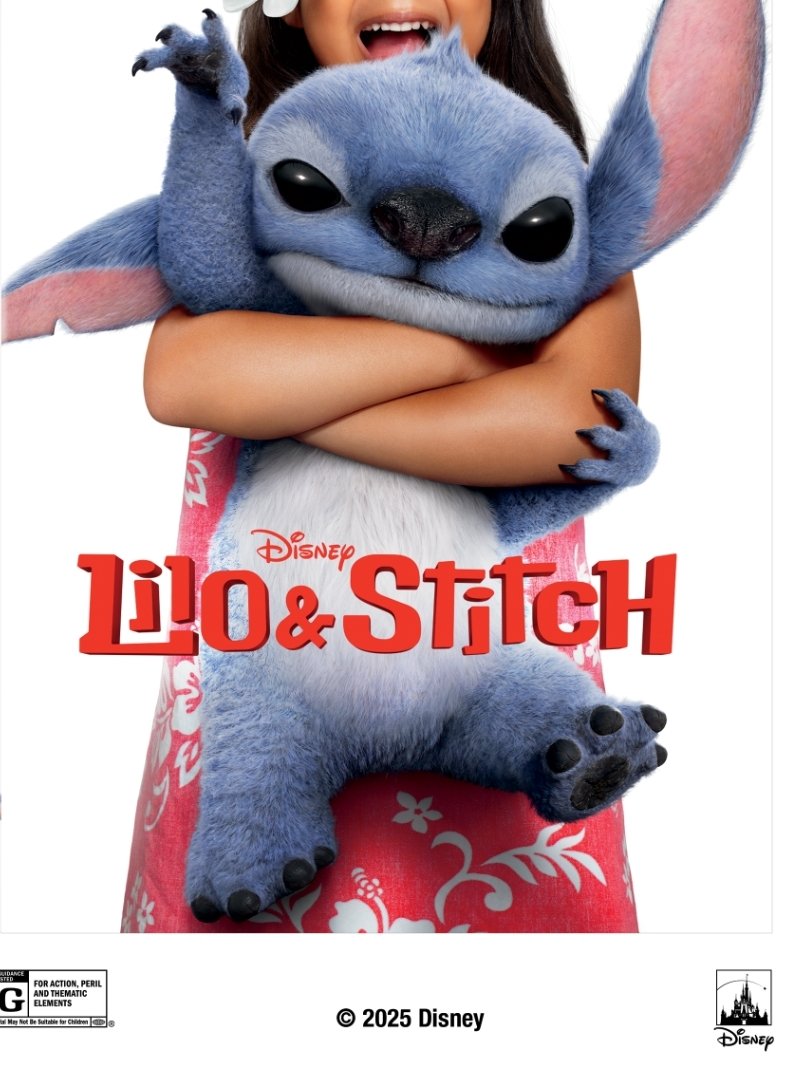
Lilo & Stitch stood apart from Disney’s usual fare. It drew from no beloved classic. Instead, it offered something refreshingly original and created its own legacy.
Warning: (Spoiler alert)
Lilo & Stitch: The Visual Approach
The live adaptation’s choice to preserve Stitch in animated form. Staying faithful to the original while transforming every other character into a human embodiment. Serves as a saddening testament to his profound isolation and displacement—a visual metaphor for how desperately he yearns to belong.
Director Dean Fleischer Camp astutely envisions Stitch as resembling a koala more than a conventional creature. The CGI work really nails this balance, adding layers of furry texture and intricate details that kids absolutely love. The digital artists didn’t just copy his animated look—they upgraded it. Every strand of his blue fur seems individually crafted, giving him this irresistibly soft, fluffy appearance that makes you want to reach through the screen and cuddle him, even though he’s technically an alien experiment gone rogue.
The Acting Performances
Maia Kealoha delivers an outstanding performance as Lilo, capturing the character’s innocence with remarkable authenticity while conveying the underlying pain of a child processing loss.
Sydney Agudong is enlightening as Nani, masterfully portraying the weight of sudden guardianship thrust upon a teenager. She navigates the delicate balance between being a sister and a parent figure with nuanced vulnerability. Agudong’s performance grounds the film in emotional reality—her exhaustion, desperation, and fierce protectiveness feel realistic in every scene. Whether confronting social workers or comforting Lilo, she brings raw honesty to her interactions, something we can look forward to in her future roles.
Their chemistry took the film beyond typical family entertainment, reminding audiences that grief, responsibility, and love are profound realities, regardless of the story’s whimsical surface.
Unfortunately, Jumba and Pleakley’s (Billy Magnussen Reunion) doesn’t have much to work with—no support from the script or visual effects, which made their acting seem lacking. Jumba’s character played by (Zach Galifianakis) is particularly disappointing because they mixed him with Gantu to save money. As a result, Jumba was made the main villain. While this change made room for other characters, such as Amy Hill’s (Tutu), it took substance away from the original story, as Gantu was a major character with an important role. Cobra Bubbles should have been cut entirely. His character bore no resemblance to the original, and the film already had one social worker—adding a second was redundant.
The Tonal Shift
The live-action adaptation follows the same basic structure as the original—propelled by Lilo and Stitch through their journey together—the filmmakers opted for a more grounded approach. The events that unfold feel more random and disconnected, and the few changes made shifted the tone. This version intentionally dials back the drama and emotional power, perhaps to make it more engaging for modern audiences or to fit the constraints of live-action storytelling.
The original surfing scene takes place after Nani loses her job at the luau. David takes her surfing to cheer her up. It’s an act of friendship that offers her a brief escape from her heavy stress. The ocean turns into a place where she can be skilled and free, rather than a struggling guardian.
Stitch watches from the beach, feeling left out and alone. He doesn’t want to surf because it looks fun—he wants to surf because they’re surfing. This is him learning what family means: shared experiences and inclusion. When he paddles out on an oversized board and keeps trying despite repeated failures, he’s reaching toward connection. His eventual success and their cheers represent acceptance into the ohana. The scene is fundamentally about loneliness, reaching out, and making room for each other.
The remake repositions the surfing scene around Nani’s new job as a surf instructor, which shifts the emotional framework. The remake grounds the scene in practical reality—Nani has found employment doing something she’s actually skilled at. While different from the original’s focus on emotional respite, this gives Nani hope from a new perspective.
However, this practical framing dilutes Stitch’s motivation for joining. Without the clear setup of him feeling excluded and desperately wanting to belong, his presence becomes more about chaos and comedy than emotional growth.
Removing the “Ugly Duckling” story entirely takes away the key scene where Stitch waits for his family in the forest. This would deny the audience an intimate moment that showcases his development of human emotions.
While the live adaptation successfully conveyed the struggle of keeping the family together in a lighter tone and a realistic depiction of parental absence, it sacrificed the deeper emotional journey, leaving the adaptation emotionally flat.
Children watching this version for the first time will enjoy the bond between Lilo and Stitch. The generation and fan base that grew up with the original will appreciate the changes made to the new version, as they can now understand the meaning of ohana from a more mature perspective. However, those seeking the emotional depth of the animated classic may find this adaptation playing it safe.