
Oscars 2026 Winners: Michael B. Jordan, Jessie Buckley, and Paul Thomas Anderson Lead Historic Night

Oscars 2026 Recap: Horror History, Big Wins, and the Night Hollywood Shifted
The Oscars 2026 winners brought surprises, historic wins, and unforgettable performances, including Michael B. Jordan, Jessie Buckley, Amy Madigan and Paul Thomas Anderson.
Two films dominated the conversation from start to finish: One Battle After Another and Sinners. Both projects helped define one of the most talked-about Oscar ceremonies in recent years.
One Battle After Another Leads the Night
One Battle After Another took home Best Picture and secured several major awards. Critics praised its ambitious storytelling and emotional performances. Therefore, its Oscar success felt like a natural continuation of its awards season momentum.
Another key moment arrived when Paul Thomas Anderson won Best Director for One Battle After Another. Anderson has long been considered one of Hollywood’s most respected directors. However, he had previously missed out on the directing Oscar despite several nominations.

Consequently, this win felt like long-overdue recognition.
During his speech, Anderson thanked the cast and crew while reflecting on the years spent developing the project. Many viewers described the moment as a celebration of his entire career.
Amy Madigan’s Long-Awaited Win

Another emotional highlight involved Amy Madigan. She won Best Supporting Actress for her role Weapons.
Madigan has spent decades delivering memorable performances across film and television. Yet she had never previously won an Oscar.
As a result, the audience responded warmly to the announcement.
Her acceptance speech carried both gratitude and humility. She thanked fellow actors, collaborators, and the filmmakers who supported her throughout her career.
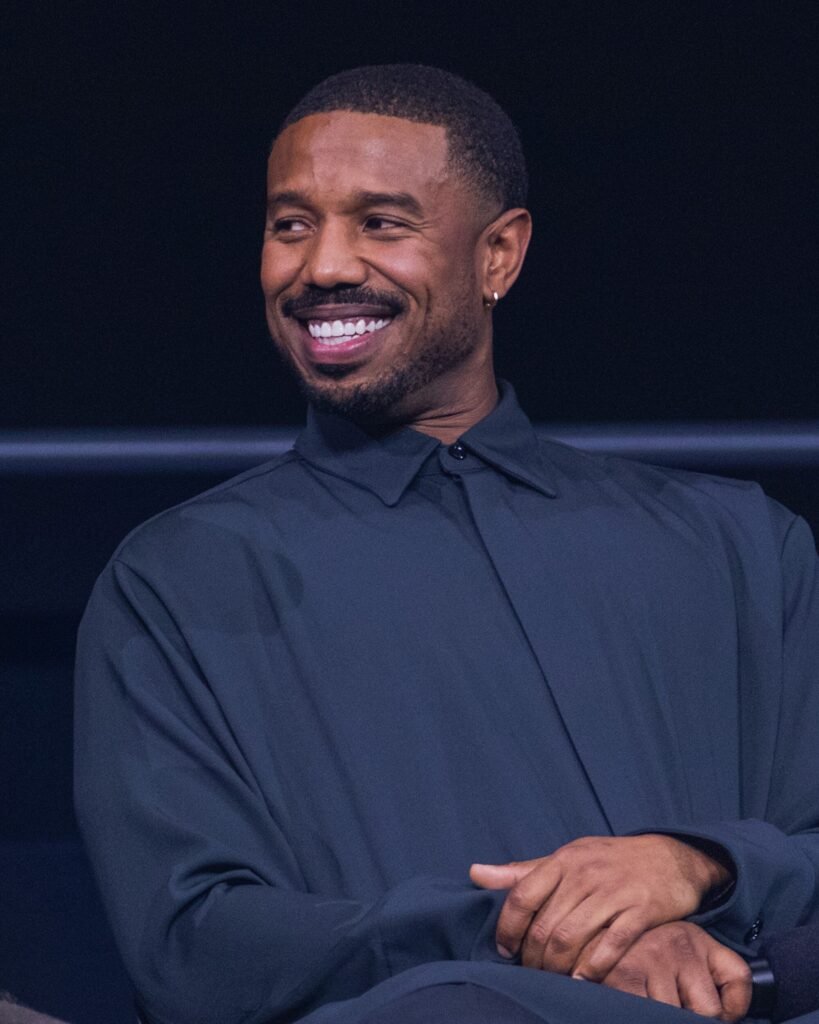
Michael B. Jordan Wins Best Actor at Oscars 2026
©Creative Commons Attribution 4.0
Meanwhile, one of the night’s biggest moments came from Michael B. Jordan.
Jordan won Best Actor for his performance in Sinners. The role required him to explore darker emotional territory while navigating the film’s intense horror themes.
The win excited both fans and critics. Jordan previously earned praise for roles in Creed and Black Panther. However, this Oscar confirmed his dramatic range on Hollywood’s biggest stage.
Even more importantly, the victory carried wider significance. Horror performances rarely win acting Oscars. Traditionally, the Academy favors historical dramas or biographical roles.
However, Jordan’s win suggests that attitudes toward genre films may finally be changing.
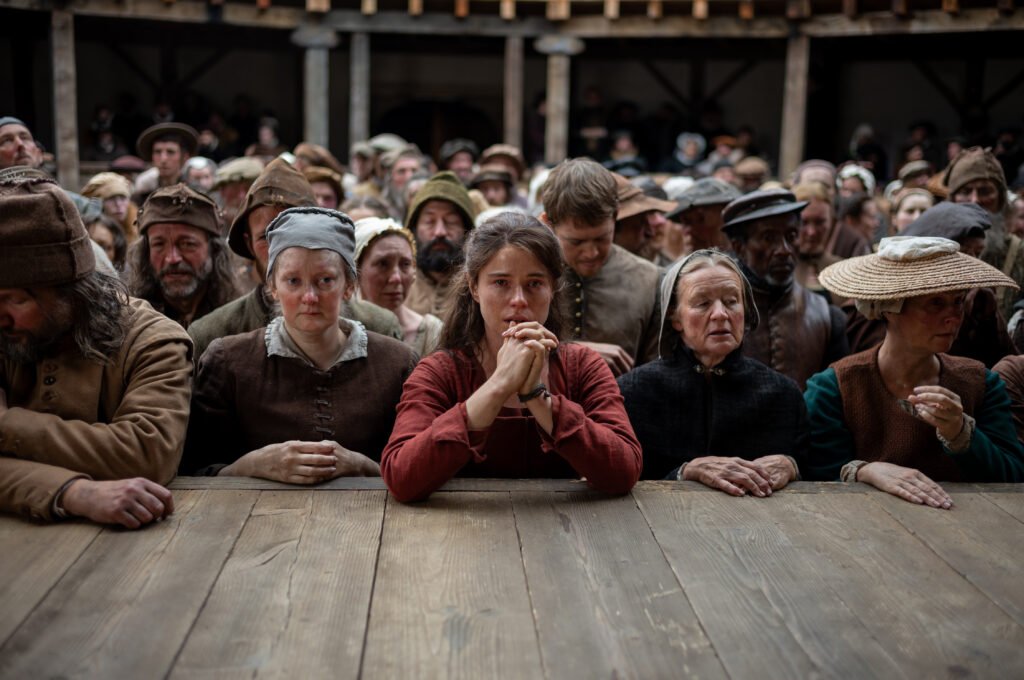
Jessie Buckley Wins Best Actress at Oscars 2026
Credit: Agata Grzybowska / © 2025 FOCUS FEATURES LLC
Another unforgettable highlight came from Jessie Buckley.
She won Best Actress for her performance in Hamnet. Her portrayal balanced grief, strength, and vulnerability.
Throughout the awards season, Buckley steadily built strong support among critics and industry voters. Therefore, many insiders predicted her eventual Oscar victory.
Still, the moment felt powerful when it finally happened.
During her speech, Buckley spoke about storytelling, creativity, and family. The audience responded with one of the longest standing ovations of the night.
International Cinema Takes the Spotlight

©Creative Commons Attribution-Share Alike 4.0
The Oscars also celebrated international filmmaking in a major way.
Sentimental Value won Best International Feature Film. Directed by Joachim Trier. Trier earned praise for his emotional storytelling and distinctive visual style, marking the Academy’s growing appreciation for global cinema.
Its victory reflects the Academy’s growing appreciation for global cinema.
In recent years, international films have gained more visibility among Oscar voters. Therefore, the success of Sentimental Value continues that trend.
The win also reminds audiences that some of the most compelling stories in cinema now come from filmmakers around the world.
The win also reminds audiences that some of the most compelling stories in cinema now come from filmmakers around the world.
The Timothée Chalamet Controversy Before the Oscars
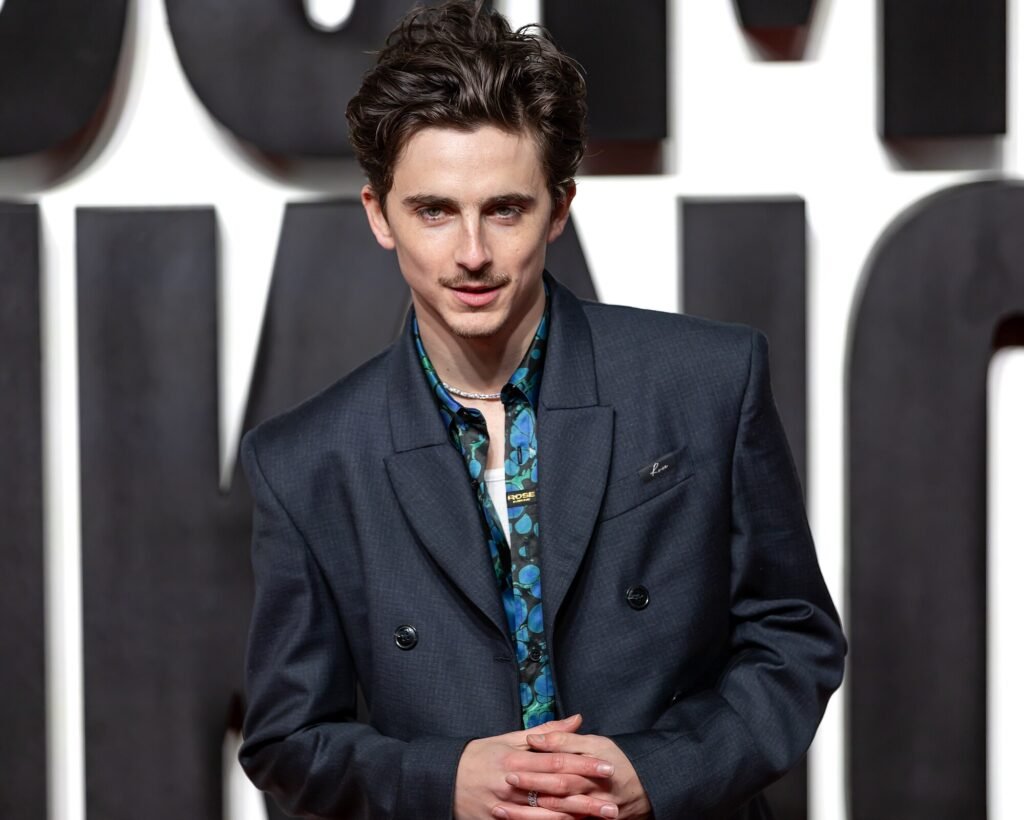
Before the ceremony even began, however, conversation surrounded Timothée Chalamet.
Chalamet received a Best Actor nomination for Marty Supreme. Early in the awards season, some analysts considered him a potential frontrunner.
However, debate began building in the weeks leading up to Oscar voting.
Some critics questioned the aggressive awards campaign behind the film. Others argued that the performance received stronger marketing attention than competing roles.
The discussion spread widely across film media and social platforms. Although the controversy never escalated into a major scandal, it shaped the narrative surrounding the category.
Why Timothée Chalamet Lost Best Actor
When the Best Actor category arrived, the award went to Michael B. Jordan instead.
Several factors likely influenced the result.
First, Sinners carried enormous cultural momentum heading into the ceremony. The film generated strong buzz and passionate support among voters.
Second, Jordan’s performance delivered a dramatic transformation. Oscar voters often reward roles that demonstrate emotional range and intensity.
Meanwhile, Chalamet delivered a charismatic and energetic performance. However, it lacked the emotional transformation that voters frequently prioritize.
Nevertheless, the nomination still reinforced Chalamet’s place among the most influential actors of his generation.
The Sinners Musical Performance Stole the Show
Of course, every Oscars ceremony includes memorable stage moments.
This year, the ceremony featured a dramatic musical performance inspired by Sinners. The staging blended powerful vocals, striking choreography, and cinematic lighting.
The performance recreated the film’s atmosphere and themes. As a result, many viewers immediately called it the night’s standout segment.
Clips from the performance quickly spread across social media after the broadcast.
What the 2026 Oscars Mean for Hollywood
Ultimately, the 2026 Oscars revealed a changing Academy.
First, the success of One Battle After Another confirmed that bold filmmaking still resonates with voters.
Second, Michael B. Jordan’s win showed that horror performances can finally compete in major acting categories.
Third, Jessie Buckley’s victory highlighted the continued rise of international talent within Hollywood.
Meanwhile, Sentimental Value winning Best International Feature demonstrated the growing importance of global cinema.
Finally, the debates surrounding Timothée Chalamet showed how awards races now unfold publicly across media and online communities.
Together, these moments suggest a broader shift within the industry.
The Academy now appears more open to genre films, global voices, and unexpected winners. If this trend continues, future Oscars may become even more diverse, competitive, and exciting.