Peter Medak Passes Away
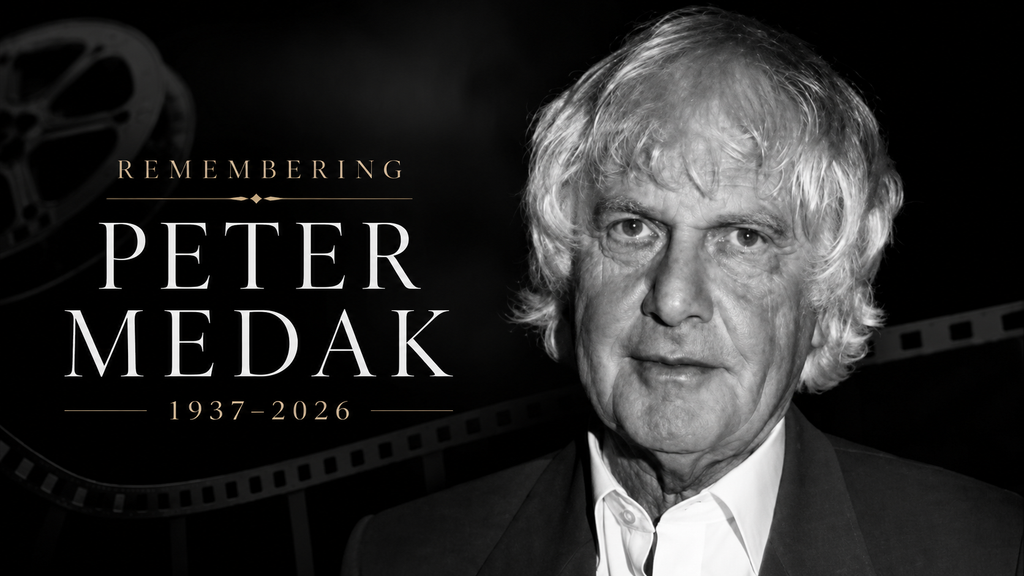
Hungarian-British director Peter Medak has died at the age of 88. It has been reported by his family that the legendary director passed away in Los Angeles on Tuesday, 27 October 2026.
He had a career which spanned over sixty years. He was famed for his skill in shifting from psychological horrors to black comedies and crime dramas.
Some of the best cinematic performances can be seen in his films. His body of work has also appeared on television via various acclaimed drama shows in America.
Since his death was announced, tributes have poured in acknowledging his immense talent and versatility. Medak will be remembered for his wonderful contributions to the world of cinema.
From Budapest to Britain: Peter Medak’s Early Life
Péter Medák, known professionally as Peter Medak, was born on 23 December 1937 in Budapest, Hungary.
Medak was brought up in a Jewish family, at a time when there was much political unrest in the country.
The communists in the country presented many hardships for his family, as his father was arrested while his mother had to work in a plastic factory to raise him.
Peter once described his childhood as being one filled with isolation and insecurity. However, Medak still managed to develop an interest in the outside world.
Medak was presented a hand-cranked 35mm film projector at age eight by an aunt. The gift was one of the inspirations of his life’s passion.
It got even worse for Peter when he reached his teenage years as he could not attend classes because of political reasons, thus spending most of his time observing his surroundings.
Things would take a drastic turn in 1956, when the Hungarians revolted against their Soviet overlords. Medak left Hungary and went into exile in the UK.
Returning to his work from scratch in a new country was not easy. Although he didn’t have connections in the film industry nor spoke English, he still worked on establishing a film career.
He first worked at Associated British studios where he learned everything from the beginning. It enabled him to rise from being just a trainee to becoming a director.
A Filmmaker Who Refused to Be Pigeonholed
Negatives, produced by Medak in 1968, was Medak’s first feature film production. The movie starred Glenda Jackson, a very talented British actress.
A Day in the Death of Joe Egg followed Negatives in 1972. The drama starred Alan Bates and Janet Suzman in a film adaptation of the stage play by Peter Nichols.
Also in 1972, Medak made The Ruling Class, a comedy-drama focusing on the life of Britain’s aristocracy. In the film, Peter O’Toole played a peculiar nobleman who believed himself to be Jesus Christ.
The Ruling Class showcased Medak’s ability to take up unique topics and his openness to experimentation with the material.
Peter O’Toole’s remarkable performance in the movie gave him an Academy Award nomination in the category of best actor.
Continuing experimentation with various genres and types of films rather than specializing in one filmmaking style became one of the hallmarks of Medak’s work.
In 1990, Medak made The Krays, a criminal drama about London’s gangster brothers. Real-life brothers Gary and Martin Kemp played the main characters.
This helped Medak earn his stripes as a director and increase his reputation in British films. He went on to direct Romeo Is Bleeding, a cool crime thriller that was released in 1993.
It starred Gary Oldman and delved into issues of corruption, obsession, and organized crime. This is yet another example of Medak’s talent at creating suspense through good story telling.
The Changeling: Peter Medak’s Lasting Horror Legacy
For horror enthusiasts, the name of Medak will always be synonymous to The Changeling, the ghostly movie made in 1980.
It features George C. Scott as John Russell, a composer who is still mourning the tragic loss of his entire family. John moves into a haunted house where strange things start happening to him.
This chilling mystery revolves around grief, secrets and inexplicable happenings. The movie was appreciated by many critics for its haunting mood and pacing.
In contrast to many other horror movies, Medak’s The Changeling does not depend solely on jolts and startles. He uses silence, well-framed images and the architecture of the building to generate fear.
There are frequent gliding shots in empty rooms and dark corridors. It gives an eerie feeling that someone or something may be watching from behind the scenes.
Frightening elements can also be found in everyday objects used in the movie. The elements are such as a bouncing ball and an empty wheelchair.
Medak succeeds in endowing the house with its own characteristics. Huge rooms and silent corridors emphasize the loneliness of the protagonist and growing anxiety.
As a result, Medak creates a horror movie which is still interesting for viewers today. Its effect can be traced in supernatural movies, especially those with haunted houses as their plot.
The movie was highly appreciated by the Canadian Genie Awards. Its reputation has granted Medak a place in horror history.
Peter Medak’s Impressive Television Career
While Medak earned fame for his features, he was equally busy working for television, and directing episodes of several famous TV series during his career.
He has to his credit such TV series as The Wire, Breaking Bad, and Homicide: Life on the Street. In addition, Medak has done some episodes of Law & Order: SVU, Hannibal, and House.
Thus, moving between cinema and television, Medak managed to address audiences from different generations. This experience enabled him to cope with changing forms of filmmaking.
TV also enabled Medak to participate in creating dramas set in a known universe. Medak’s contribution became one of many in an ongoing career spanning several decades.
In particular, his scope was quite wide as he worked on both psychological thrillers, period dramas, and crime dramas. Such variety is not common for filmmakers.
Remembering Peter Medak’s Extraordinary Contribution to Cinema
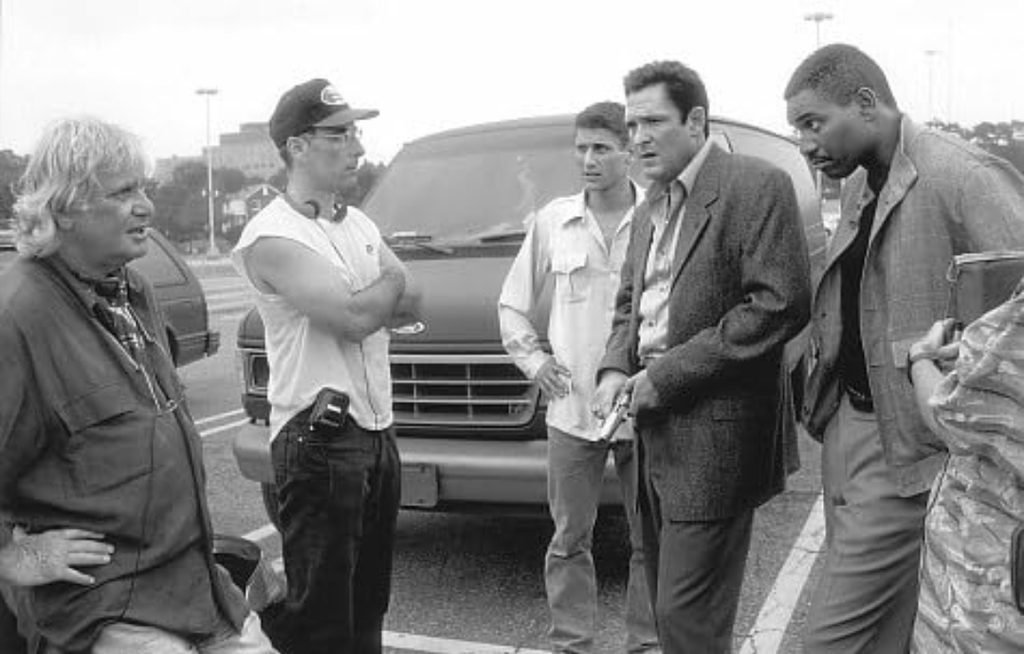
It would appear that Medak’s path was one from childhood hardships in Budapest to a renowned and acclaimed filmmaker with an extensive list of productions and a reputation to boot.
Indeed, Medak’s filmography is marked by an ability to switch between genres in ways few filmmakers have ever managed to do.
The satirical tone of The Ruling Class contrasts sharply with the eeriness of The Changeling, and no one formula describes his work well.
More evidence of Medak’s skills at producing tense and character-filled stories came from The Krays and Romeo Is Bleeding.
His television productions brought Medak’s directorial skills to wider audiences, in some of the most beloved series on television.
Peter Medak dies, but his body of work is not going to be forgotten anytime soon. Medak’s movies will continue to spark discussions, admiration and fear long after their initial screenings.
Audiences that are seeing Medak’s movies for the first time now get to see a great journey through decades of movies from a filmmaker who never stopped surprising and delighting audiences.
His legacy is secured by his work on film and television and his contributions to the history of both mediums.