
Predator: Badlands (2025) Review – A Bold Evolution That Redefines the Hunter
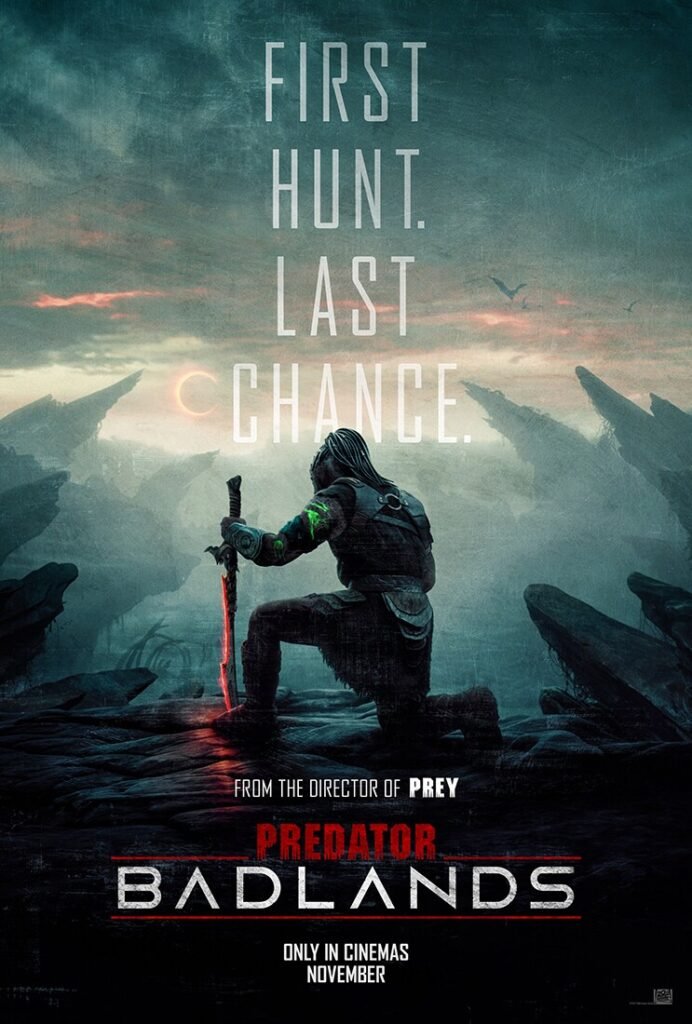
Introduction and Context Predator: Badlands (Warning contains Spoilers)
Predator: Badlands pushes the franchise into unfamiliar territory. Director Dan Trachtenberg returns after revitalizing the series with Prey. This time, he makes a daring creative shift. He places the Predator at the center of the story. Written by Patrick Aison, the film serves as the seventh entry in the long-running saga. Elle Fanning and Dimitrius Schuster-Koloamatangi lead the cast.
However, the real protagonist surprises longtime fans. Instead of human soldiers, we follow Dek (Koloamatangi), a young Yautja exile. From the beginning, the film signals major change. Set on the hostile planet Genna, the story tracks Dek’s quest for redemption. After his clan deems him weak, he must hunt a legendary apex predator.
Along the way, he forms an uneasy alliance with Thia (Fanning), a damaged Weyland-Yutani android. Right away, Badlands separates itself from formula. That difference becomes both its greatest strength and its most divisive element.
My Expectations Going In
Before watching, I felt skeptical. I love Predator and Predator 2. I also enjoyed Prey. However, several later sequels disappointed me. When I heard the Predator would lead the story, I hesitated. The concept sounded risky. Early trailers did not reassure me. Dek’s updated design looked noticeably different.
In some shots, he appeared less intimidating than previous versions. Therefore, I worried the film might soften the franchise’s brutal edge. I feared modern blockbuster tropes would replace primal tension. Going in, I prepared for disappointment. Instead, I found something far more thoughtful.
A Bold Creative Direction
After watching the film, I recognized the intention behind every creative choice. Trachtenberg avoids repeating the franchise’s slasher blueprint. Instead, he crafts a character-driven survival adventure. He frames Dek as an underdog from the opening act.
Dek appears smaller and less imposing than other Yautja. Consequently, the audience naturally sympathizes with him. This shift proves crucial. Rather than portraying an unstoppable monster, the film builds emotional investment.
Importantly, the story never abandons Yautja brutality. Dek still hunts, fights, and kills with ferocity. However, the narrative adds vulnerability and internal conflict. That emotional layer gives the film unexpected depth. Another bold choice involves the absence of traditional human leads.
Instead of soldiers or mercenaries, we get Thia. As a Weyland-Yutani android, she provides perspective without dominating the story. Her presence keeps the focus on alien viewpoints. Because of that, the world feels larger and more cohesive. The franchise finally steps beyond Earth-bound repetition.
Language, Performance, and Physicality
One standout element involves the Yautja language. The filmmakers developed a fully structured alien dialect. Dek communicates almost entirely in that language. This commitment enhances immersion immediately.
Dimitrius Schuster-Koloamatangi delivers an impressive physical performance. He wears a practical suit enhanced by motion capture. Despite limited facial mobility, he conveys complex emotion. His posture and movement express pride, shame, and determination.
At no point did I feel disconnected from Dek. Instead, I found myself rooting for him. Elle Fanning plays twin androids, Thia and Tessa. She differentiates them with subtle precision. Thia feels curious and emotionally open. Tessa feels cold and calculating. Watching Fanning shift between them adds tension. Her performance strengthens the film’s emotional core.
Themes That Stayed With Me
At its heart, Badlands explores identity and expectation. Dek struggles under his father’s rigid standards. His clan equates strength with dominance and physical power. However, Dek challenges that definition. Meanwhile, Thia grapples with corporate programming. She questions the purpose imposed on her. Together, they confront systems that define worth narrowly.
Therefore, the film redefines power. Rather than glorifying brutality, the story celebrates adaptability and empathy. That shift marks a significant departure from franchise tradition. Yet it never feels forced. Instead, it emerges naturally from Dek’s journey. The theme of found family also resonates strongly. Dek and Thia bond through survival. Their connection grows gradually. It never feels manufactured. Although some moments lean warmer than expected, most emotional beats land effectively.
Visual Effects and Creature Design
Technically, the film aims high. The hybrid use of practical effects and CGI works well overall. Dek feels physically present in every frame. Digital enhancements allow subtle facial expression. His leaner design initially surprised me. I missed the hulking menace of earlier Predators. However, the design reflects his outsider status. Over time, it grew on me.
The Kalisk, the film’s apex creature, stands out visually. Its regenerative abilities raise the stakes significantly. Fight sequences involving the Kalisk rank among the film’s strongest moments. They feel tense, brutal, and inventive. However, some large-scale CGI environments appear less convincing. Fast-paced scenes occasionally reveal digital seams. Even so, character focus keeps the experience grounded.
What Worked for Me
Making the Predator the hero represents the film’s boldest decision. In my opinion, that gamble pays off. Dek’s journey from exile to self-acceptance carries genuine emotional weight. Few franchise entries attempt that level of character growth. The dynamic between Dek and Thia also impressed me. Their partnership blends humor and sincerity naturally.
Additionally, the action remains intense despite the PG-13 rating. The film maintains creative combat and impactful confrontations. Most importantly, the story feels purposeful. It expands the mythology instead of recycling it.
What Didn’t Fully Work
Despite its strengths, the film occasionally softens its edge. Certain lighter moments undercut the Predator’s menace. Additionally, the coming-of-age structure feels familiar. At times, the script states its themes too directly. I also missed the raw horror atmosphere of earlier entries. The shift toward emotional storytelling sacrifices some primal fear. While I admired the ambition, not every risk succeeds completely.
Final Thoughts
By the end of Predator: Badlands, I felt genuinely surprised. The film exceeded my cautious expectations. It transforms the Predator into a layered character. At the same time, it preserves core franchise elements. This evolution will divide fans. Some will prefer the unstoppable hunter archetype.
However, I appreciated the willingness to innovate. The story proves the franchise still holds untapped potential. Badlands is not perfect. Nevertheless, it feels fresh and heartfelt.
Ultimately, it shows that even a creature defined by violence can anchor an emotional story. For me, that boldness made the journey worthwhile.