Rooster HBO Series Review: Greg Russo Goes To College
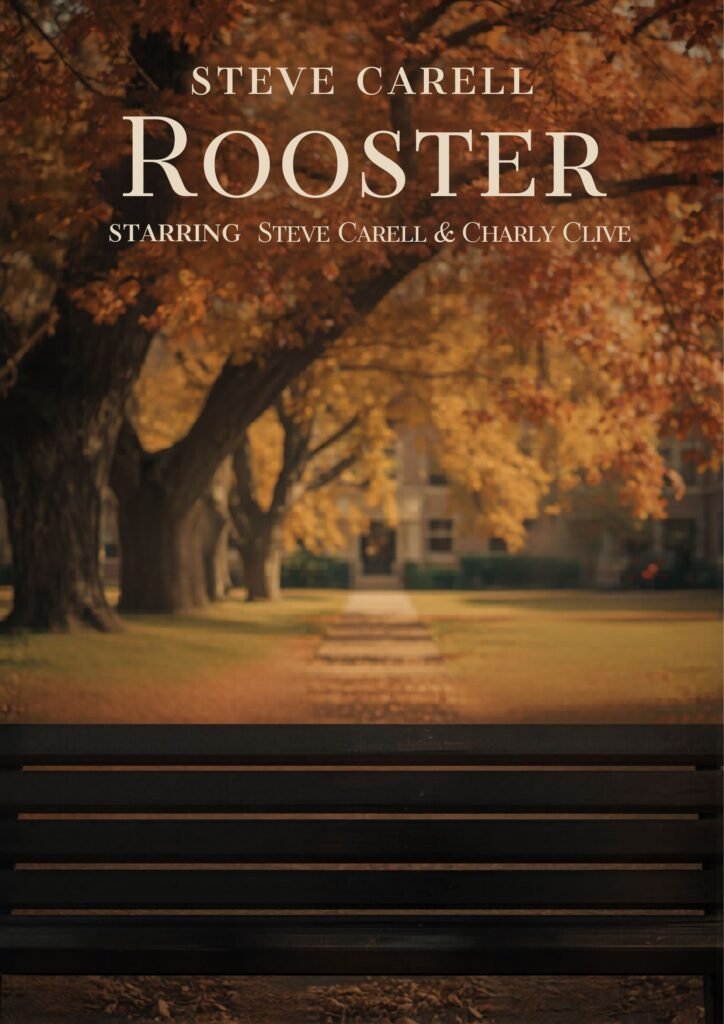
Rooster may seem, on the surface, like a warm and funny sitcom-type comedy, but that impression is deceptive. The HBO series, co-created by Bill Lawrence and Matt Tarses, is more carefully written than it initially lets on. The writing is unblemished from episode one and only becomes more complex, layered, and accomplished as the series develops. The hallmark of its writing is the comic-relief style: staging genuinely serious, even catastrophic, moments, then releasing the emotional weight through sharp comedic dialogue immediately afterward.
One of the clearest examples of this is the scene in which Katie accidentally burns down Archie’s home. Ordinarily this kind event would render a character irredeemable, leaving an audience reluctant to root for them. But Charly Clive’s performance as Katie has such presence that her character avoids that.
The exchange between her, Greg, and Officer Mullins, which follows what might have been an unforgivable disaster is transformed into something comedic. The audience finds itself disarmed by the comedy, genuinely appreciating the well-timed dynamic between her and Greg. Which is now, no doubt, incredible casting. That dual effect — authentic feeling and genuine laughter occupying the same moment — is far more difficult to execute than it appears, and it is precisely what makes Lawrence’s and Tarse’s writing worth paying close attention to.
Loneliness is the core engine of the series, and each character suffers from it in one way or another. It closely mirrors the isolation that audiences recognise in the real world, and Bill and Mark, alongside their director, do a brilliant job of creating an environment where that suffering registers both directly and indirectly. Greg Russo (Steve Carell), a middle-aged novelist, is consumed by grief and a broken father-daughter connection he constantly tries to repair. Katie moves through her personal and social struggles in isolation. Her loneliness is only made worse by contrast with Archie, a male professor who faces none of the differential treatment.
Dylan (Danielle Deadwyler) makes her isolation plain to Greg in the first episode, admitting she feels deeply alone at the college, which also serves as a metaphor for being a Black woman within academic spaces. Walt, lonely in both his marriage and at work, channels that quiet ache into a strange and consuming obsession with Greg. By weaving this ensemble together, the writers transform loneliness into a collective problem that runs through every storyline. Each character is coping with their issue in their own way, which pushes their subplots deeper, adding more to their arc. The actors bring that shared suffering to life in every scene, making the loneliness feel as real and recognisable as the world outside the screen.
Ludlow College works as a brilliant medium through which power dynamics and reinvention are woven naturally into the drama and comedy without losing freshness. There are hints of sitcom tradition and classic styles, but nothing here is exaggerated or carelessly written. It is warm and relatable, grounded in a kind of honesty that audiences immediately recognise. Bill and Mark find that delicate tonal balance and hold it with remarkable consistency throughout.
Greg, an author who never attended college, is thrown into an environment he must navigate alone while fighting to reconnect with his daughter. He is forced to reinvent his identity, confronting the gaps in his past and adjusting to college in a modern society. This is where the writing of Bill and Mark shows its real depth and complexity, tracking both Greg’s personal adjustment and the quiet way power dynamics shape the women around him. The scene where Greg lands the live-in writer position captures this perfectly — Walt uses institutional power to install Greg as Dylan’s companion, then casually dismisses her book as not being good anyway.
The writers handle this sensitive subject with a light comedic touch that never dulls the underlying sting. In some ways, the series carries clear similarities to Bill’s earlier work in Shrinking and Scrubs. Shrinking has the same father-daughter dynamic formed by grief and leans more into the drama genre. Scrubs has a lighter atmosphere, but it still has traces of the emotional DNA. Rooster comes with a richer and more layered narrative, and with a cast this talented bringing every scene to life, the argument for a second season practically makes itself. There is very little doubt that Ludlow will be returning.