The Ballad of Wallis Island: Review
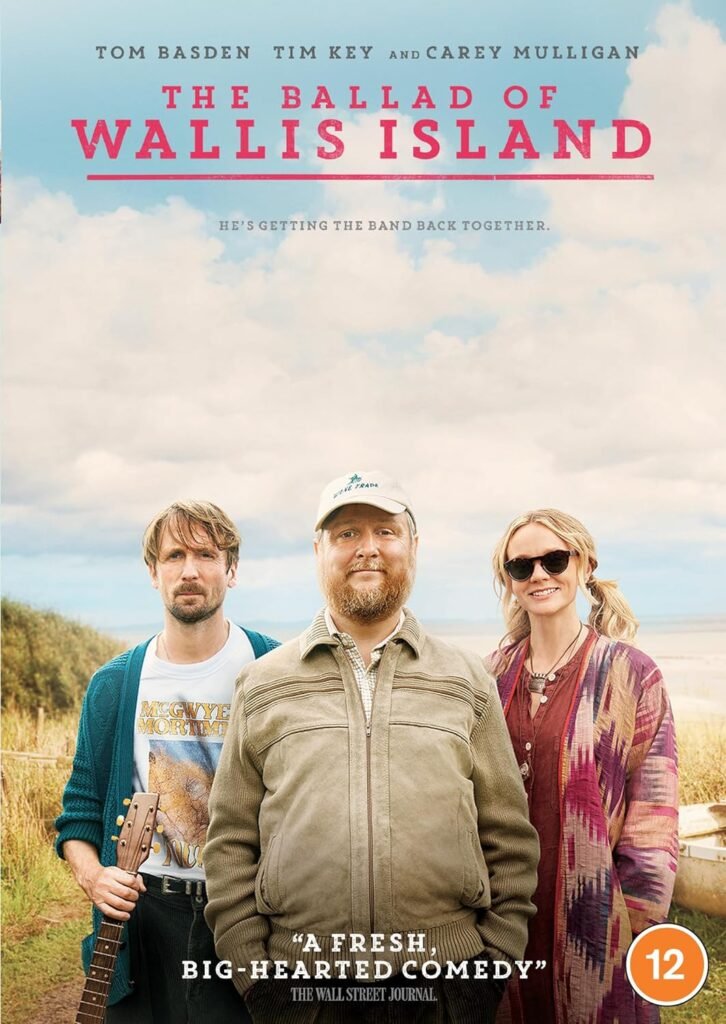
The Ballad Of Wallis Island, First Impressions
I went into The Ballad of Wallis Island with fairly modest expectations. The premise sounded small, even slightly gimmicky. An eccentric millionaire, a remote island, and a long-broken folk duo forced back together for one last performance. It felt like the sort of idea that might work better as a short film rather than a feature.
By the time the credits rolled. I was surprised by how emotionally grounded and affecting the film turned out to be. What begins as an offbeat setup gradually reveals itself as a deeply human story about regret. And the complicated ways people carry their pasts with them.
This isn’t a loud or flashy film. It’s restrained, patient, and often understated — and in my opinion, that’s exactly why it works.
A Small Story With Real Emotional Weight
Set almost entirely on the isolated Wallis Island. The film follows Charles (Tim Key), a socially awkward lottery winner who has retreated from the world. He has poured his emotional energy into his love for the music of McGwyer Mortimer. A folk duo that broke up years earlier. His dream is simple, if wildly impractical: reunite the band for a private concert, just for him.
When Herb McGwyer (Tom Basden) and Nell Mortimer (Carey Mulligan) arrive on the island. It becomes clear that this reunion is about more than music. These are two people with a shared history full of love, resentment, unfinished conversations, and emotional scar tissue. The island becomes a pressure cooker where old wounds are reopened and long-buried feelings are forced to the surface.
What struck me most is how the film resists turning this setup into something overly sentimental or neat. The story understands that emotional closure is rarely clean or cinematic. Sometimes it’s awkward, uncomfortable, and unresolved — and The Ballad of Wallis Island isn’t afraid to sit in that discomfort.
Tone: Gentle, Melancholy, and Surprisingly Honest
One of the film’s greatest strengths, in my opinion, is its tone. It walks a careful line between melancholy and warmth without tipping too far in either direction. There are moments of genuine humor — often awkward, sometimes painful — but the comedy never undercuts the emotional stakes.
Instead of pushing for big dramatic confrontations, the film allows tension to build quietly through small gestures, half-finished sentences, and long pauses. You can feel the weight of history between Herb and Nell in the way they look at each other, or in how carefully they choose their words. The film trusts the audience to notice these details, and that trust pays off.
There’s also a pervasive sense of loneliness running through the film. Charles’s isolation is obvious, but Herb and Nell feel just as alone in different ways. Each having moved on with life while never fully escaping the emotional shadow of their shared past.
Performances That Feel Lived-In
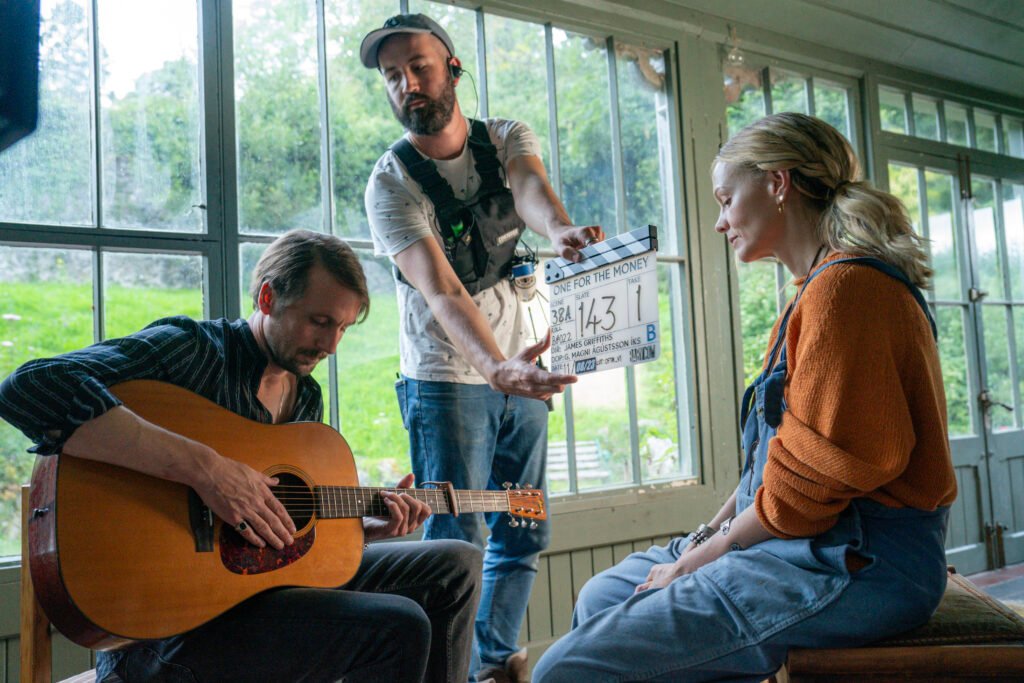
The performances are absolutely central to why the film works. Tom Basden brings a fragile defensiveness to Herb that feels painfully real. He’s a man who’s clearly tried to compartmentalize his past, only to realize that he’s never truly dealt with it. There’s bitterness there, but also vulnerability, and Basden makes those contradictions feel natural rather than performative.
Carey Mulligan gives Nell a quiet complexity that deepens the entire film. On the surface, she appears more settled — married, stable, seemingly at peace. However Mulligan subtly suggests the emotional compromises that come with moving on. Her performance never leans into melodrama; instead, she conveys years of suppressed feeling with restraint and precision.
Tim Key’s Charles could easily have become an irritating eccentric. Instead he ends up being one of the film’s most poignant figures. Beneath the odd behavior and social missteps is a deep yearning for connection and beauty. In my opinion, Charles represents the audience in many ways. He is someone who believes art can hold people together, even when real life falls apart.
The chemistry between the three leads feels organic and unforced. This helps ground the film’s more unusual premise in emotional reality.
Writing That Trusts Silence as Much as Dialogue
The screenplay, written by Key and Basden, deserves a lot of credit for its restraint. The dialogue feels natural, often imperfect, and refreshingly free of self-importance. Characters stumble over their words. They avoid saying what they mean, or say the wrong thing entirely. Which feels far more honest than polished, overly articulate exchanges.
The humor that does appear comes organically from character rather than from forced jokes, which keeps the emotional tone intact.
Equally important is what the script leaves unsaid. Long stretches of silence carry just as much meaning as the spoken lines. Allowing the actors and the setting to do a great deal of emotional work. I appreciated that the film doesn’t rush to explain everything or spell out every feeling.
Music as Memory, Wound, and Healing
Music isn’t just an accessory here — it’s the emotional backbone of the film. The folk songs performed by Herb and Nell feel authentic, intimate, and emotionally charged. They don’t exist simply to entertain; they serve as emotional time capsules. They carry the weight of shared memories and unresolved feelings.
Watching the characters perform together again is quietly devastating. In my opinion, the film captures something very real about creative partnerships. How they can be both fulfilling and deeply damaging. How hard it is to separate the art from the relationship that created it.
The music lingers long after the film ends. Not because it’s flashy, but because it feels tied to something deeply personal.
Setting and Direction
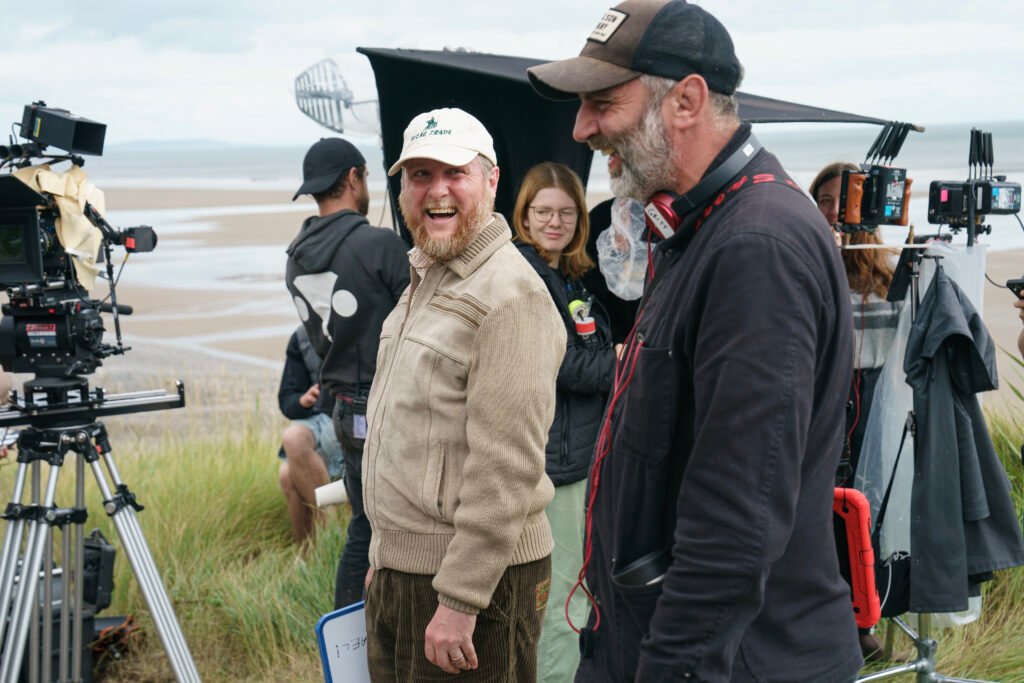
The Welsh island setting is used beautifully. The wide, windswept landscapes reinforce the film’s themes of isolation and emotional exposure. There’s nowhere to hide on Wallis Island — physically or emotionally — and the film uses that to its advantage.
Director James Griffiths keeps the visual style understated and intimate. The camera doesn’t call attention to itself, allowing performances and atmosphere to take center stage. The result is a film that feels both small in scale and emotionally expansive.
Where the Film Stumbles
That said, the film isn’t flawless. Certain story beats are predictable, especially if you’re familiar with films about estranged artists or former lovers reuniting. While the execution is strong, the structure itself doesn’t always surprise.
The weakest element, in my opinion, is the handling of Michael, Nell’s husband. He feels underdeveloped and exists largely to create tension before conveniently stepping aside. His role in the story feels more functional than emotionally grounded. The film might have benefited from either giving him more depth or removing the character altogether.
Final Thoughts
The Ballad of Wallis Island isn’t trying to reinvent the genre, and it doesn’t need to. What it offers instead is something quieter. More meaningful: an emotionally sincere exploration of love, regret, and the fragile hope that comes with revisiting the past.
It’s the kind of film that doesn’t rush you out of the theater with a big emotional release. Instead, it lingers — in the songs, in the silences, and in the uncomfortable truths it raises about the people we once were and the people we might still be.
For me, this was a surprisingly moving experience — a gentle, melancholy film that understands how complicated human connection really is.