The Bride! 2026 Movie Review: Maggie Gyllenhaal’s Bold New Take on the Frankenstein Bride!
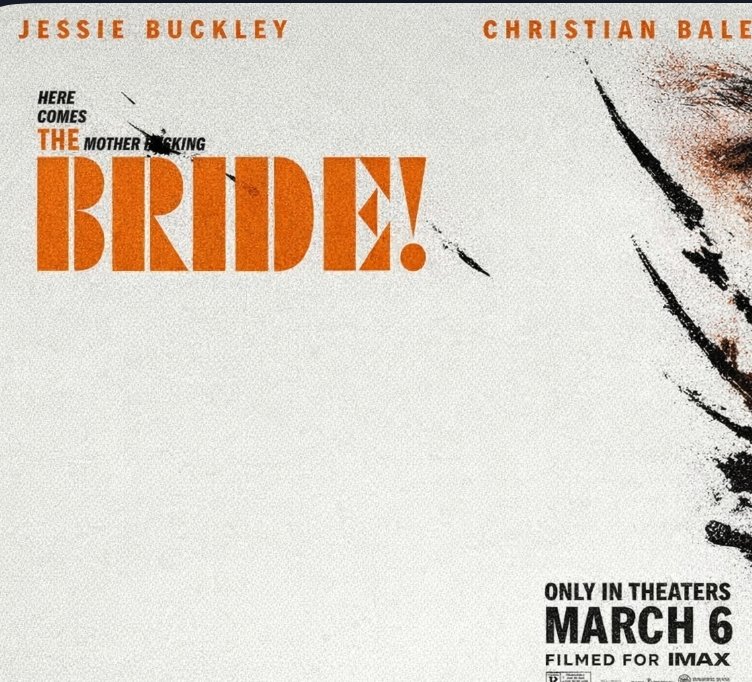
Introduction The Bride! (Warning contains Spoilers)
The 2026 film The Bride! builds on the legacy of the Bride of Frankenstein in horror cinema. The character first appeared in the 1818 novel Frankenstein; or, The Modern Prometheus by Mary Shelley. In the novel, Victor Frankenstein begins creating a female companion but destroys her before life begins. Later, the character appeared visually in the classic horror movie Bride of Frankenstein.
The Bride appears only briefly in that film, yet her lightning-streaked hair became iconic in horror film history. However, the character lacked a real story, personality, or voice. This absence created space for reinterpretation in modern horror storytelling. The Bride! explores that gap and reimagines the character with agency and emotional depth. Instead of serving as spectacle, the Bride drives the narrative forward.
The film reframes the classic monster movie through the perspective of the Bride herself. At the same time, the story draws heavily from gothic horror traditions. Yet it also explores gender expectations, identity, and autonomy. Because of this approach, the Bride becomes more than an image from horror history. She becomes a character capable of reflection, defiance, and transformation.
Maggie Gyllenhaal’s Vision
Director Maggie Gyllenhaal wrote and directed The Bride! as a reinterpretation of the Frankenstein myth. After directing The Lost Daughter, she turned toward classic literature and horror cinema. She focused especially on characters who lacked narrative agency in earlier stories.
For example, the Bride historically existed only as a creation designed for the monster. Gyllenhaal asked a different question. What happens when that character develops her own identity and moral choices? This question shapes the entire film.
Instead of a straightforward remake, the director blends genres. The Bride! mixes gothic horror, romance, musical sequences, crime drama, and dark comedy. As a result, the film constantly shifts tone and mood. One scene may feel grotesque and comedic. Another scene may feel romantic, dramatic, or surreal.
This approach highlights the Bride’s emotional disorientation. She enters a world she does not understand. Yet she gradually learns how to define herself. Through this lens, the film becomes a story about autonomy and identity.
Gyllenhaal often describes the Bride as a reclaimed figure from horror mythology. Therefore, the film emphasizes perspective. The audience experiences events primarily through the Bride’s emotions and decisions.
Setting and Visual Style
The Bride! takes place in 1930s Chicago during the Great Depression. This choice moves the Frankenstein myth from gothic castles to urban America. Consequently, the film blends gothic horror with film noir and gangster imagery.
Chicago becomes a living environment within the story. Neon signs, crowded streets, and smoky nightclubs dominate the visual landscape. These locations reflect themes of reinvention, survival, and social instability.
Furthermore, the film uses theatrical production design. Streets and interiors appear stylized rather than historically realistic. Lighting, costumes, and camera framing create dreamlike environments.
This visual approach emphasizes emotional storytelling rather than realism. Scenes often resemble stage performances or surreal fantasies. Because of this, the film feels both timeless and visually distinctive.
Direction and Genre Experimentation
Maggie Gyllenhaal directs the film with bold stylistic choices. She moves between horror, musical spectacle, romance, and crime drama. Consequently, the film often feels unpredictable and intense.
For example, a darkly comedic moment may suddenly transition into emotional confrontation. Musical performances sometimes replace dialogue during key emotional moments. These scenes communicate feeling through movement, music, and visual imagery.
As a result, the Bride’s psychological journey becomes central. The shifting genres mirror her confusion, curiosity, and anger.
Additionally, the director emphasizes theatrical staging. Actors move through carefully choreographed scenes. Lighting and costume design heighten emotional tension. This stylistic approach reinforces the story’s fairy-tale quality.
Themes of Identity and Autonomy
Identity forms the central theme of The Bride! and its reinterpretation of the Frankenstein story. The Bride enters existence without memory, history, or identity. Others expect her to fulfill a predetermined role.
However, she resists those expectations. Instead, she explores independence and self-definition. Her anger and confusion gradually become tools for autonomy.
Meanwhile, the monster experiences his own loneliness and alienation. He desires companionship but struggles with rejection and misunderstanding. Their relationship becomes emotionally complicated and morally ambiguous.
Because of this dynamic, the film explores broader themes of outsider identity. Both characters confront social judgment and fear. They struggle to define themselves beyond labels imposed by society.
Ultimately, the story explores self-determination. It asks whether identity comes from creation or from personal experience.
Feminist Symbolism
The Bride! also explores feminist symbolism within the horror genre. Traditionally, the Bride exists as an object created for male desire. However, this film transforms her into an autonomous protagonist.
She speaks, acts, and challenges authority. As a result, the narrative rejects passive female archetypes from earlier horror films.
Casting Annette Bening as the scientist adds another layer to the story. Traditionally, Frankenstein’s creator role belongs to a male scientist. Here, a woman performs the act of creation.
This change complicates the themes of power and responsibility. Creation becomes intellectual exploration rather than domination. The relationship between creator and creation gains emotional complexity.
Central Performances
Jessie Buckley delivers an extraordinary performance as the Bride. At first, she portrays curiosity and confusion through gestures and expressions. Her physical performance echoes the silent acting style of classic horror cinema.
Gradually, Buckley introduces emotion, frustration, and determination. The Bride transforms from an innocent figure into a defiant individual. Her evolving voice and posture reflect growing self-awareness.
Christian Bale portrays the monster with physical intensity and emotional vulnerability. His slow movements and heavy posture emphasize the creature’s tragic nature. At the same time, Bale conveys longing for connection and recognition.
The contrast between Buckley and Bale drives the emotional tension. Their performances highlight themes of loneliness, desire, and misunderstanding.
Annette Bening plays the scientist with calm authority and intellectual curiosity. She balances ambition with moral uncertainty. This layered portrayal deepens the film’s exploration of creation and responsibility.
Penélope Cruz portrays the detective’s secretary with quiet intelligence. Initially, others underestimate her. However, she gradually demonstrates strong observational skills and insight. Her character reflects the film’s theme of overlooked voices gaining recognition.
Peter Sarsgaard plays the detective investigating the strange events surrounding the Bride and monster. His restrained performance grounds the narrative in realism. Gradually, his character learns to respect Cruz’s observations.
Jake Gyllenhaal appears briefly as a glamorous movie star admired by the monster. Despite limited screen time, he creates a memorable presence. His character represents fame, admiration, and unattainable ideals.
Strengths and Weaknesses
The Bride! succeeds in many areas, especially ambition, performances, and visual imagination. Maggie Gyllenhaal clearly approaches the film with bold creative goals. She refuses to make a conventional monster movie. Instead, she combines horror, romance, crime drama, musical spectacle, and social commentary. As a result, the film feels visually rich and emotionally intense.
However, this ambition also creates one of the film’s biggest challenges. At times the movie feels like it tries to do too much at once. Several themes, tones, and storylines compete for attention. Because of this, some viewers may struggle to absorb everything during a single viewing.
For example, the narrative includes crime investigation elements, musical performance scenes, and philosophical reflections about creation. While each element feels interesting on its own, the combination occasionally overwhelms the central narrative. The audience sometimes processes spectacle instead of story.
Dual Role Confusion
Another complicated element involves Jessie Buckley’s dual role. At first, the idea feels fascinating. The film suggests that Mary Shelley might use the Bride as a vessel for storytelling. This concept introduces a meta-narrative layer about authorship and imagination.
However, the execution sometimes creates confusion. Certain scenes blur the line between the Bride and Mary Shelley. As a result, viewers may struggle to understand whether events occur within the story world or inside Shelley’s imagination. The concept remains intellectually interesting, yet it occasionally disrupts narrative clarity.
Another weakness involves the Bride’s backstory. The film deliberately presents her as a character without history. While this choice supports the identity theme, it also limits emotional context. The audience receives only fragments of her past experiences and relationships.
This limitation becomes especially noticeable in her interactions with the detective played by Peter Sarsgaard. The film hints at a deeper connection between them. However, the story never fully explores their shared history. As a result, some emotional beats feel underdeveloped.
Similarly, the film briefly references other women connected to the Bride’s past. These characters appear important to her identity and motivations. Yet the narrative only touches on their stories. Because of this, viewers may feel that part of the Bride’s world remains unexplored.
Despite these weaknesses, the film remains compelling because of its artistic ambition. The performances keep the emotional core grounded even when the narrative becomes dense. Jessie Buckley and Christian Bale provide intensity and vulnerability that sustain audience investment.
Ultimately, The Bride! may not achieve perfect narrative balance. However, its ambition and creativity make it memorable. The film invites discussion, interpretation, and repeated viewing. In that sense, its imperfections become part of its artistic identity.
Conclusion
The Bride! stands as one of the most ambitious modern reinterpretations of the Frankenstein myth. Maggie Gyllenhaal approaches the material with clear artistic confidence and creative curiosity. She refuses to repeat familiar monster movie formulas. Instead, she explores identity, autonomy, and creation through an unusual mix of horror, romance, crime drama, and musical storytelling.
At times, this ambition pushes the film in too many directions. The story introduces complex ideas and stylistic experiments that occasionally compete for attention. The dual role involving Mary Shelley sometimes creates confusion, and the Bride’s limited backstory leaves certain emotional threads underdeveloped.
However, the film still succeeds because of its imagination and its performances. Jessie Buckley delivers a striking and unpredictable portrayal of the Bride. Christian Bale provides emotional depth and tragic vulnerability as the monster. Meanwhile, the supporting cast adds texture and perspective to the story’s exploration of outsider identity.
Most importantly, the film gives the Bride something she rarely had before. It gives her agency, voice, and narrative importance. Instead of appearing as a brief horror icon, she becomes a character searching for meaning in a complicated world.
For that reason, The Bride! may not feel perfectly balanced, yet it remains fascinating to watch and discuss. Maggie Gyllenhaal clearly takes risks as a director, and those risks make the film memorable. Even when the story becomes complicated, the film invites viewers to think about creation, identity, and the power of defining oneself.
Ultimately, The Bride! transforms a famous horror image into a fully realized character story. That transformation alone makes the film an ambitious and worthwhile addition to modern gothic cinema.