The Christophers Legacy And Deception Gripping Soderbergh
The Christophers Legacy And Deception: Introduction (Warning Contains Spoilers)
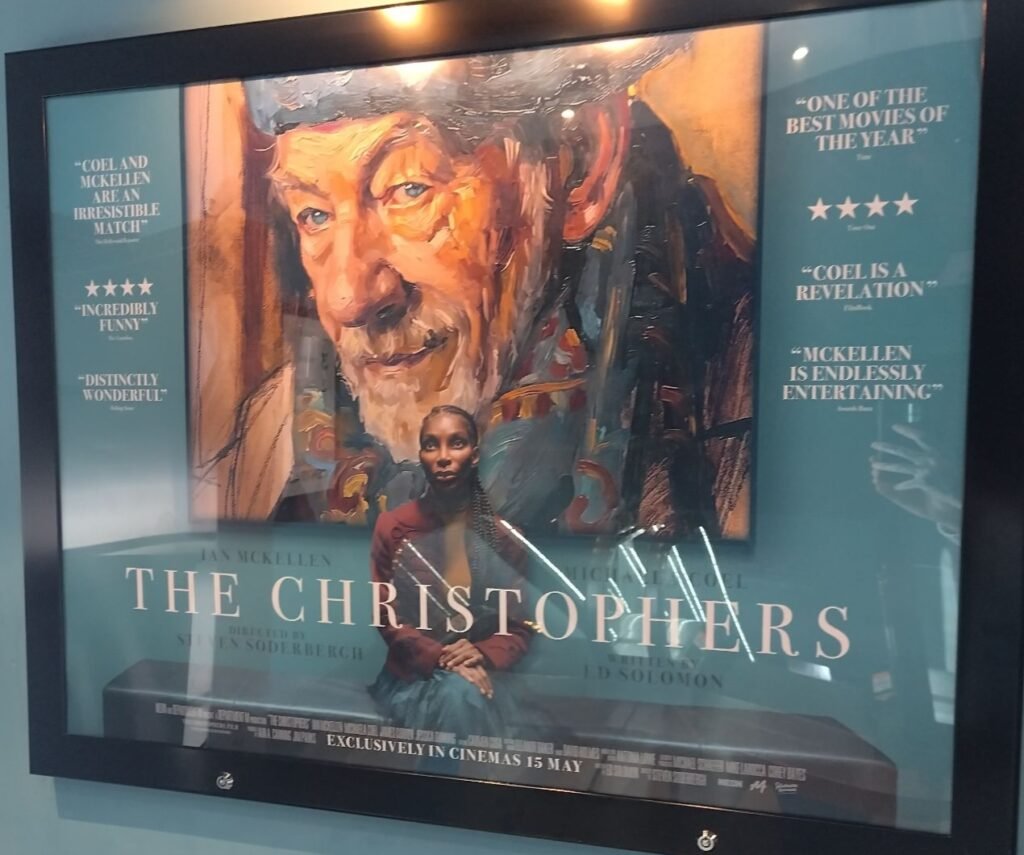
The Christophers is a dark comedy that shows how big it wants to be right from the start. Steven Soderbergh is the director. Ed Solomon wrote the screenplay. The movie has some actors like Ian McKellen, Michaela Coel, Jessica Gunning and James Corden.
On paper, it sounds simple. The children of a once-famous artist hire a forger. Her job is to complete their father’s abandoned paintings. The goal is securing their inheritance before he dies.
Steven Soderbergh does not want to tell a simple story. What starts out as a basic plan quickly gets more complicated. The Christophers movie turns into a look, at what’s really valuable what people leave behind and when it is okay to bend the rules. The Christophers is not about one thing it is about a lot of big ideas.
Story and Narrative Construction
The story is really about deception. This deception is not about lying or doing something bad. It is about people fooling themselves and others on a personal level.
The family tells themselves they are doing something to protect what they have.. Really they are just trying to keep their money safe. This difference between what they say and what they do is a part of the story.
The forger, played by Michaela Coel is a turning point in the movie. She knows what she is doing.. She keeps doing it because she is good at it. She can.
What makes the story work is that it does not try to do much. There are no surprises or shocking moments. Instead the story gets more tense because of all the things that happen. Each decision that people make slowly makes things worse.
The movie does not try to make anyone look like a guy or a bad guy. Everyone has their reasons for what they do. They think they are right even if they are not telling the truth. This uncertainty is what the whole story is, about.
Direction and Tone

Steven Soderbergh as the director does a great job. He does not go for scenes or try to make people feel too much. Steven Soderbergh makes sure everything is simple. We can see what is happening.
Sometimes the scenes are very quiet. They go on for a long time. The people talking are not interrupted. We laugh because the situation is uncomfortable not because someone said something. Steven Soderbergh makes this work well.
Cinematography (Peter Andrews)
Soderbergh shoots under the name “Peter Andrews” again. This helps to create a look. The camera movements are calm and careful. Indoor scenes use natural light. The colours used are soft and earthy.
The way the scenes are framed often keeps the characters separate from each other. The rooms in the movie feel like they are closing in on the people in them. This is similar, to how the family’s feeling inside. When people move it is very quiet. You do not really notice it. The camera does not try to get your attention. It just watches what is happening with the characters in time like the family is really living their lives.
Reactions are really important in this movie. They mean more to me than what’s actually happening. Little things that people do can make a difference in how I feel. The way the movie looks is sometimes of weird.
It feels like the people who made it did not want us to get close. This makes the movie feel like it is keeping me at a distance. The whole thing is very calm and simple. That is, on purpose. They did not want to show off or make a deal out of anything.
Soundtrack and Atmosphere
The score, composed by David Holmes, is restrained. David Holmes did not try to make people feel sad or happy, with the music. What David Holmes did was make the music feel like something is going on you know by using sounds in a specific way to the scenes.
Electronic elements sit almost beneath the dialogue. They do not overwhelm the rhythm of scenes. It supports the mood without forcing interpretations.
This kind of restraint ties into Soderbergh’s overall philosophy. Emotions are not created by him; they are found. The soundtrack helps with pacing without being too obvious.
It bridges gaps from one tone to another. It does not lead emotions; it follows them. This helps the movie’s ambiguity.
Themes and Interpretation
The predominant theme is that of legacy. But it is not a sentimental one. It is a commercial one. Art ceases to be emotional truth and becomes value.
The film also questions the notion of authenticity. If something cannot be distinguished from another thing, should it even matter where it came from?
Family relationships also play an equal role. There is love mixed with fear of finances. There is affection mixed with fear of inheritance. It leads to constant moral dilemma. None of the characters completely lacks self-centeredness.
Emotional suppression plays another vital role. Truth is usually hidden by silence. Communication is always indirect and regulated. This leads to the creation of a very secretive family framework. Soderbergh does not provide any solutions. He just presents the problem.
Performances
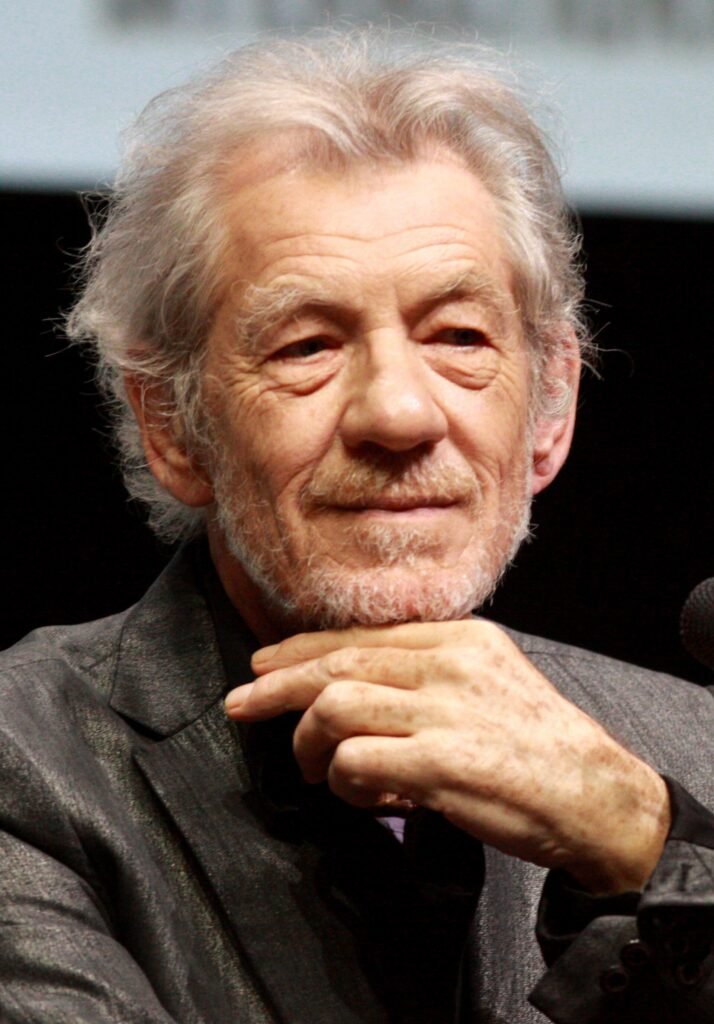
The actor Sir Ian McKellen gives a performance that is powerful and multi-faceted. He personifies the artist in an intellectual way. Sometimes, his dialogues seem poetic.
There are some metaphorical statements as well. Such lines require your attention. They don’t allow you to draw conclusions immediately. He never overacts.

Michaela Coel gives a lot of emotionality. Her acting style is subtle yet exact. It is expressed via timing and pauses. She gives a strong performance. And is believable in the role.
Gunning brings instability and tension to the film. Her role works well in creating an uncomfortable atmosphere in a family. Corden offers his toned down performance. He doesn’t use any broad facial expressions.
The ensemble works because balance is maintained. No single performance dominates the film.

Chemistry Between Leads
The core of this dynamic revolves around the use of contrasts. While McKellen and Coel interpret scenes differently, his approach is contemplative and philosophical. Hers, on the other hand, is grounded and direct.
This leads to an interesting intellectual conflict. The two characters do not resonate emotionally. Their interaction depends on the underlying subtext. The meaning may be found below the surface of their dialogue.
Silence becomes an essential element of their interaction. This is what makes their scenes so fascinating. The nature of their relationship is ambiguous. This contributes greatly to the quality of the movie.
Pacing and Structure
Pacing is slow and observational. Soderbergh emphasizes realism over narrative urgency. This results in a contemplative pacing overall. At times, however, the pacing may seem stretched out.
There are some instances where scenes deal with similar emotions. A tighter pacing may have helped the film flow better. But then again, pacing enhances tone.
The simplicity of plot becomes more visible over time. Still, thematic depth sustains engagement. Viewer patience becomes a key factor.
Strengths and Weaknesses
The movie shines when it comes to its tone and performances. The direction is very assured and always in control. The themes are cleverly developed. The comedy is witty. The visuals are cohesive and not excessive.
Nonetheless, pacing sometimes slows down the story’s momentum. Sometimes emotional distance is too much for some viewers. Some scenes drag on a little longer than necessary. Nonetheless, the movie is entertaining. It deals with serious topics.
Overall Opinion
The Christophers is an intelligent, controlled black comedy. It favours ideas over accessibility. Soderbergh offers a tight, controlled movie. It deals with art, greed, and inheritance with intelligence.
The performances enhance the material throughout. Particularly McKellen and Coel in the lead roles. Pacing might be an issue for some viewers. However, the film’s thematic scope is commendable.
It is not meant to be enjoyed easily.
It is meant to provoke thought and unease. In that regard, it succeeds in its own way. It is subtle, confident, and underplayed.
A gripping exploration of The Christophers legacy and deception.