The Devils Movie Review
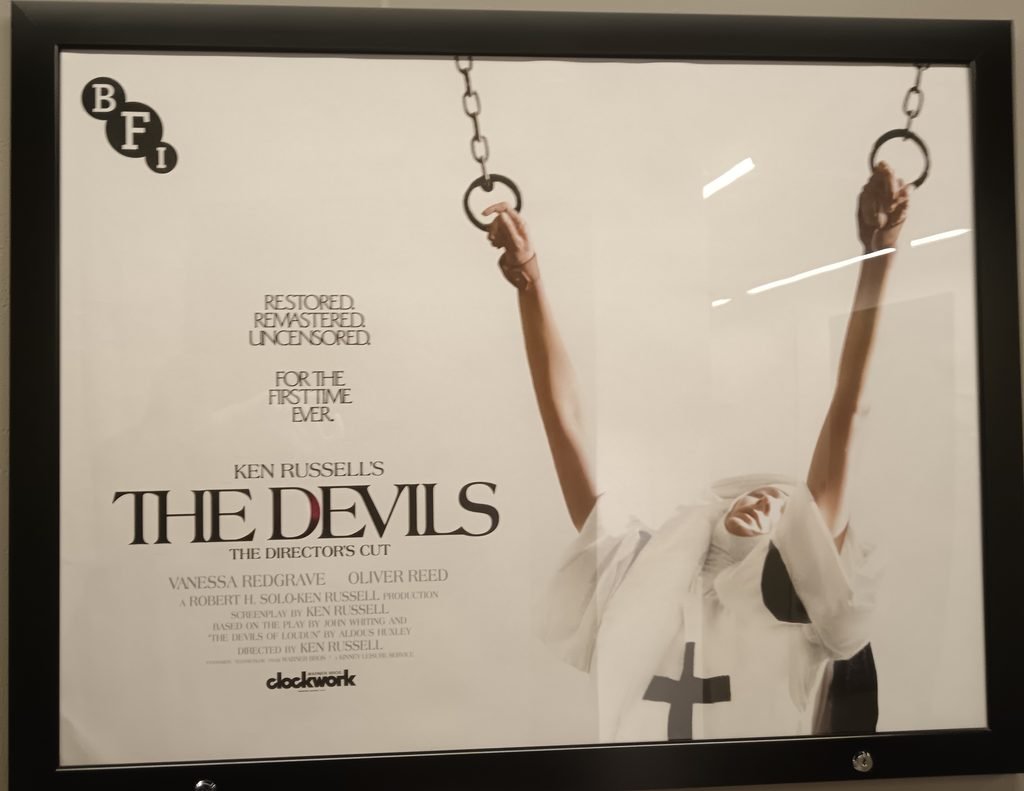
Few films are as controversial, shocking and fascinating as The Devils. This no-nonsense historical drama, from Ken Russell, is absolutely packed full of stimulation, sex, politics and sheer madness.
Over half a decade later, the film still feels like an intense shock to the system. The film was recently released back to the cinema after being put on a longer run due to increased interest.
The Devils, starring Oliver Reed and Vanessa Redgrave, certainly is not an easy watch. Ken Russell intentionally ramps the content up to its highest level possible.
This gives us a world where religion is madness, the political world is driven by chaos and the very system meant to protect society becomes the worst.
Although this is quite a harsh and often gross film, there is a surprisingly relevant story of power abuse hidden beneath all the absurdity.
A Story of Faith, Power and Mass Hysteria
Set in 17 th century France, this film follows Father Urbain Grandier played by Oliver Reed, a charismatic man who doesn’t take kindly to his authority being undermined by Cardinal Richelieu (Christopher Logue) and the French Monarchy. This causes Grandier to be targeted.
Sister Jeanne des Anges (Vanessa Redgrave) is a repressed and handicapped Mother Superior of a local Ursuline convent.
She is obsessed with Grandier after he rejects her advances. Her jealousy and frustration leads to accusations that Grandier has bewitched the convent due to her relationship with Madeleine de Brou.
Grandier is put on trial with a series of ridiculous exorcism rituals. The religious authorities use the nuns increasingly extreme actions to try and prove Grandier guilty.
However the political figures are using the situation to get rid of someone who is getting in their way.
Eventually Grandier is tortured and executed, showing the horrifying reality that truth isn’t as important as keeping power in this society.
This film by Russell is based on historical events from Aldous Huxleys non-fiction book The Devils of Loudun and John Whiting‘s play.
The story focuses on some very modern themes. The use of faith as a weapon, manipulating those in vulnerable situations and how easily authoritarian institutions can use peoples fears.
Ken Russell’s Extraordinary Visual Imagination
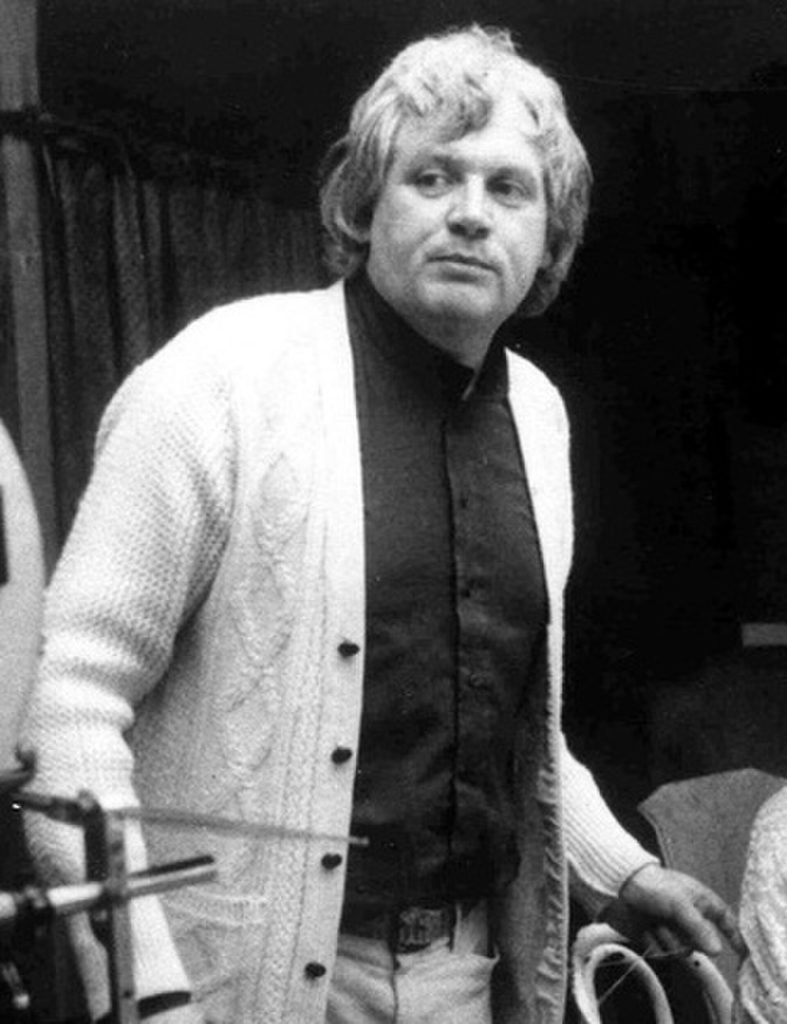
One of the first things that stand out about the cinematography in the film was how it is incredibly unique.
Russell was not interested in making a typical ‘muddy’ historical piece, instead working alongside production designer Derek Jarman to create a vivid and stylised vision of 17 th century France.
Loudun itself appears to be almost futuristic with its sleek lines, expansive areas and grand architecture leaving the city feeling very sterile and ominous.
The massive convents with their white tiled floors are unforgettable. As everything feels so clinical, it leaves a sterile feeling and with the nuns becoming more and more disturbing, it gives the impression of a mental asylum.
David Watkin does an incredible job at using the set design created by Jarman. The camera rarely stands still and there is a drunk-like energy when navigating around the intricate set design.
Everything has a real theatrical feel to it which gives the film more the feel of a dramatic fever dream than a typical historical piece.
Whilst the cinematography can appear quite confusing, this is exactly what Russell wants. He wants the audience to feel like they are stuck in this increasing madness.
The contrast between the bright white convent and the dark torture scenes work really well. The film constantly moves between the clean, orderly look of an authoritative institution and the unpleasant violence. This style has stood the test of time and over fifty years later is still incredibly unique.
Performances That Push Everything to the Limit
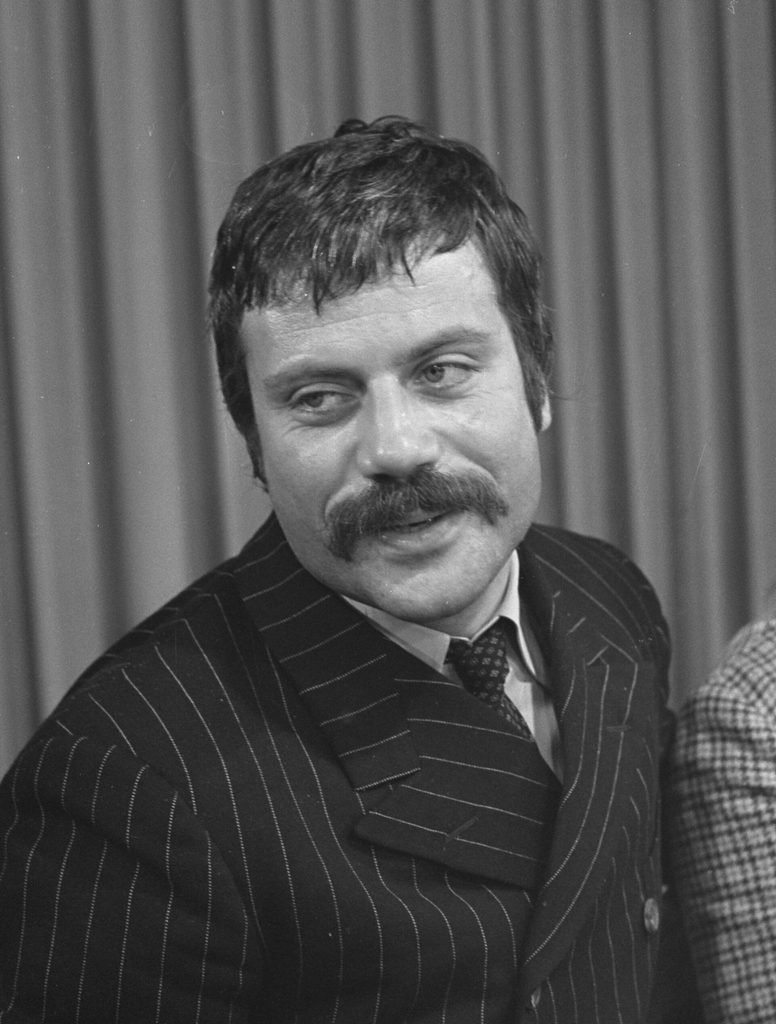
Central to the film is the two wonderful performances given by Oliver Reed. He plays Grandier brilliantly. Throughout the film we see the transition from a confident character to one who suffers.
Oliver Reed brings his usual charm to the character, showing him to be very much enjoying his position of power.
However Reed also shows how Grandier becomes a quiet and dignified character as he is persecuted. The final scenes leave you feeling moved.
Vanessa Redgrave also delivers a stunning performance as Sister Jeanne. She is terrifying to watch throughout, bringing a very dark element to the character.
She displays such a range in her performance, bouncing between devout, frustrated, jealous and possessed.
Throughout the film she is never easy to watch but brings an element of horror. She is a complex character who is obsessed with herself but also vulnerable and taken advantage of.
The rest of the cast add to the oppressive feel of the film. Michael Gothard plays Father Barre brilliantly as a very intense and terrifying character.
Dudley Sutton brings a very cold and sinister feel to Baron de Laubardemont. Christopher Logue plays Cardinal Richelieu who brings a very political feel to the religious elements of the film.
This reminds us that this isn’t really about fighting evil but instead is a struggle for control.
Peter Maxwell Davies’ score plays an important role within the film. It has an abrasive and dissonant feel which doesn’t allow the viewer to feel any comfort within the film.
This increases the unstable feel of the film, making the religious ceremonies and horrific events feel like they are nightmares.
Controversy, Censorship and a Long-Awaited Return
You simply can’t talk about The Devils without mentioning the incredible censorship the movie faced.
When it was released in 1971 it caused a huge amount of controversy due to its sexual nature, use of religious imagery, blasphemy and extreme violence.
The infamous nuns defiling the crucifix scene was particularly controversial for many religious groups and film censors.
The film underwent heavy editing in order to be shown in various areas of the world with several of the most explicit scenes cut out.
The film has had quite a complicated journey when it comes to being seen by audiences over the years.
However, recently the 4K restoration of the film has brought it back into the spotlight. This has become very important as the preferred cut of Russell has been restored meaning that we can get a true understanding of how grand his vision was.
The film has definitely resonated with people after returning to the big screen with the screening now being extended.
Watching the film in a cinema is the perfect way to view it. The scale of the sets, the constant camera movement, the deafening sounds and the operatic feel means that the visuals and soundtrack should take over completely. This isn’t a film that will politely welcome you in; it will engulf you.
A Masterpiece That Can Be Exhausting
However, despite its many amazing moments, there are many elements that don’t work well. Russell is so intense throughout that the film can feel tiring.
Every scene almost feels like they’re trying to shock or amaze you, making it difficult to reflect. There isn’t much time to really think due to the constant build up.
The films camp, satirical and grotesque nature can sometimes make it feel like the story isn’t taken seriously.
One of the most obvious examples of this is the strange scene with King Louis XIII hunting Protestants (playing as blackbirds). Whilst this is certainly an unforgettable scene, it can feel slightly ridiculous.
The changing tones of the film may not be for everyone. Russell jumps from a historical drama to a psychological horror and dark comedy, with very little regard to keeping things tame.
This can give the film an intentionally messy feel. Some scenes can feel like they’re trying to shock you, rather than actually developing the story.
This has also caused some versions to feel quite disjointed as the film has a long and complicated censorship history.
However, many of these points are linked to why the film is so unique. Russell wasn’t looking to keep things tame and simple with regards to telling the story of the Loudun possessions.
She intentionally went overboard with everything and this is what makes the film so enduring.
Final Verdict
One of the boldest and most confrontational films ever made in British cinema, The Devils has stood the test of time over 50 years later.
With brilliant direction from Ken Russell, stunning production design by Derek Jarman, brilliant cinematography from David Watkin and a haunting score from Peter Maxwell Davies; this is an experience like no other.
Oliver Reed and Vanessa Redgrave deliver incredible performances. They provide both physical and psychological performances, with their contrasting energies providing the emotional core of the film.
The political manipulation, religious fanaticism and institutionalised abuse still makes this film incredibly relevant.
Despite being an inconsistent and tiring watch at times with some moments being a little too much and going the whole hog, there is rarely a dull moment. This film is incredibly confident and shows Russell pushing cinema to uncomfortable places.
Therefore, it’s a great thing that this film has been released in cinemas recently. It should be seen on the largest screen possible as this is an incredible visual piece of cinema.
Despite being quite a shocking, controversial, beautiful and very bold film it really does make you think.