Transformers: The Movie 40th Anniversary Review
Introduction (Warning Contains Spoilers)
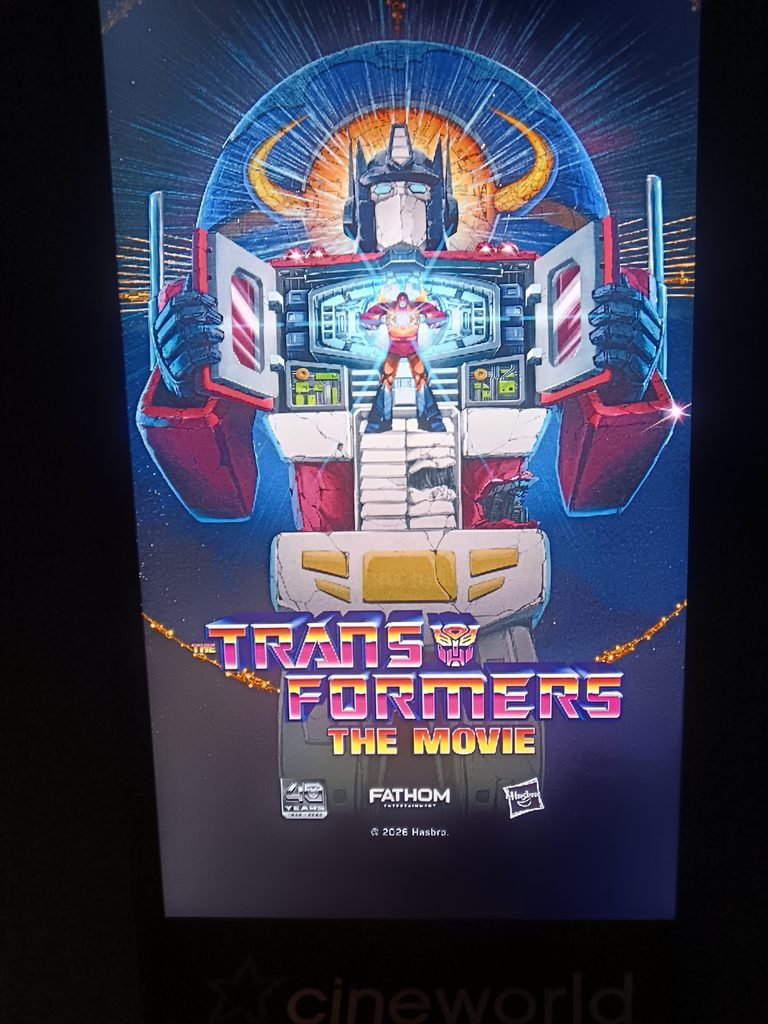
Forty years after its original release, The Transformers: The Movie has returned to cinemas. For longtime fans, this is more than another anniversary screening.
It is an opportunity to experience one of the most important Transformers stories on the big screen again.
Produced in 1986 and despite its initial theatrical performance failing to impress many moviegoers, the animated film has gained quite the reputation in the years that followed.
The movie, which initially had a limited theater run, has become a cult hit among Transformers enthusiasts.
However, it is now getting the chance to be seen in a new and improved version in 4K presentation.
Though initially getting a limited theatrical run, the popularity of the movie among the fans saw its run extended until 7 October in theaters taking part.
The film will even be available for viewing in the special versions such as 4DX in some territories. So, does this film that was produced over forty years ago deserve a trip to the theaters?
Having now seen it again, I think the answer is yes. But not simply because it is nostalgic. There is something surprisingly ambitious about The Transformers: The Movie.
It is colourful, loud and unapologetically eighties. It is also darker than many people might remember. Most importantly, it takes its characters seriously.
Returning to 1986
Under the direction of Nelson Shin, The Transformers: The Movie was the first Transformers motion picture.
Shin had already worked considerably on the animated TV series. The movie is set in the futuristic world of 2005.
That world seems delightfully dated now. A future that seemed distant is now almost 20 years behind us.
But the plot still holds up rather nicely. The Autobots and Decepticons continue their struggle. Decepticons have managed to conquer Cybertron.
Autobots are planning an offensive operation. And then, the Decepticons attack the city of Autobots.
The result is perhaps the most iconic opening battle in the history of animation. It all looks so much bigger than the TV series right off the bat.
There are more characters. There are bigger explosions. There is more danger. Most importantly, there are consequences.
The film quickly establishes that this is not simply another episode. Something has changed. The audience just does not realise how much until it is too late.
The Battle for Autobot City
The Battle for Autobot City is undoubtedly one of the film’s best scenes. The Decepticons strike with immense power.
The Autobots retaliate with everything they’ve got. Everything moves very quickly between characters.
Cars turn into robots. Robots turn into weapons. Cities turn into battlegrounds. The animation in the scene is very dynamic.
There is something very physically present about everything in the scene.
However, the most pivotal moment of the scene is probably the duel between Optimus Prime and Megatron.
The final battle is incredibly well done. It is not just a generic battle between hero and villain. Their past together gives it significance.
Optimus is fighting for the safety of his people. Megatron fights because he won’t admit defeat.
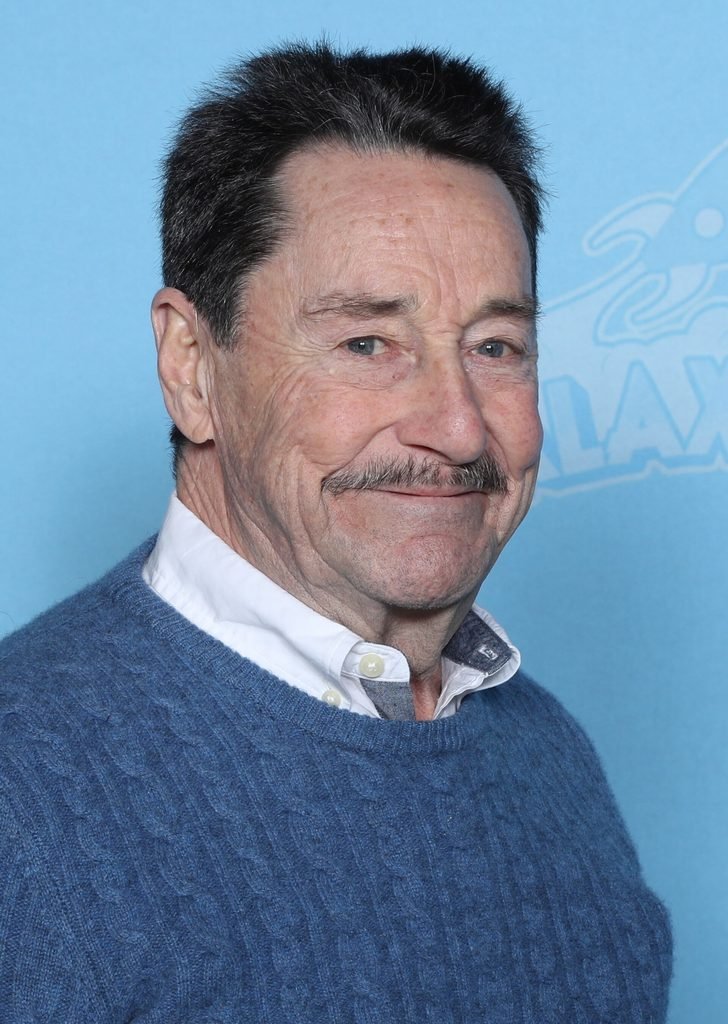
The outcome is brutal. Optimus Prime is fatally injured. It is a very moving moment. The voice acting by Peter Cullen is an integral element of it.
His Optimus Prime is a very stoic and noble character. Taking that voice away from the audience creates an immediate sense of loss.
The Death That Changed Transformers
One cannot talk about this movie without mentioning the death of Optimus Prime.
In fact, the death of the character became one of the most controversial things that had ever happened in the series.
Indeed, it was devastating for children who saw it in 1986. This character was the symbol of indestructibility for them.
And he was dead. He did not just fade out. Audiences could witness his last moments on the screen.
This made the scene quite touching. Also, there is a more tragic background behind this decision.
This movie was made during the time when Hasbro released a new line of Transformers toys. Many characters were taken out of the plot, while new characters were included.
This was a way of commercializing the characters’ deaths. This is one of the aspects which made the movie controversial from its very beginning.
According to the contemporary reviews and retrospectives about the movie’s creation, it was done to introduce a new line of toys.
It is rather easy to criticize this decision now.
But it would be rather unfair to say that filmmakers did not take any efforts in making these deaths tragic and meaningful.
Optimus Prime’s death changes the emotional direction of the entire film. The Autobots are suddenly without their leader.
The audience is forced to confront the idea of change. That is why the sequence still works.
A New Generation
The demise of Optimus Prime does not signify the end of the movie.Rather, it is the beginning of something else.
Hot Rod’s importance increases with time. He is a youth compared to Optimus and he is much more impulsive and less experienced than him.
That makes him an interesting choice as a successor.
So, the movie is not just about the fight against the Decepticons. It is about the acceptance of the new generation.
The Matrix of Leadership is passed onto Ultra Magnus. But, he is unable to live up to his responsibilities.
In the meantime, Hot Rod learns about himself through experience that leadership could be his calling.
This works well since it is ultimately a coming of age movie. The story starts off with Hot Rod being an impatient young Autobot.
He ends up becoming Rodimus Prime.
It is not just a physical change but an indication of the responsibility of taking over the mantle from the predecessor.
It is the difficult journey of maturation that every generation faces.
Enter Unicron
And then there’s Unicron. Even after forty years, it’s still an incredibly fantastical idea.
Unicron is a planet-sized robot who wanders the universe eating up worlds. It’s an idea so fantastically huge.
But the movie treats him seriously all the same. This is what makes it so great. There’s nothing really villainous about Unicron.
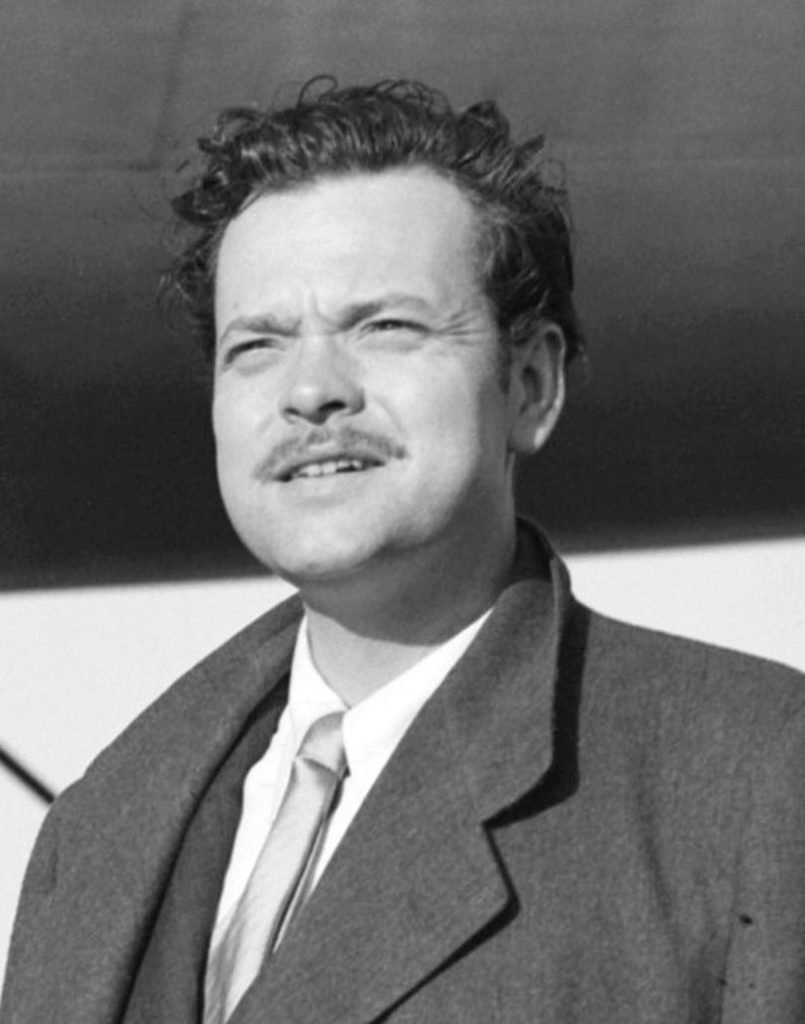
He comes off more like a force of nature. His voice is provided by Orson Welles. Welles was already one of the most famous voices on the screen at the time.
It really gives Unicron a grandiose and alien quality. It is impressive to hear the voice of Citizen Kane in the body of a gigantic planet-eating robot.
The anniversary screening made those scenes all the more incredible. Unicron’s gigantic size really works wonders in the big screen.
His gigantic robotic form fills the frame. It really feels like an epic space opera.
Galvatron and the Decepticons
Megatron’s transformation into Galvatron is another major part of the story. After the Battle of Autobot City, Megatron is dying.
Unicron finds him and offers him another chance. However, the price is transformation. Megatron becomes Galvatron.
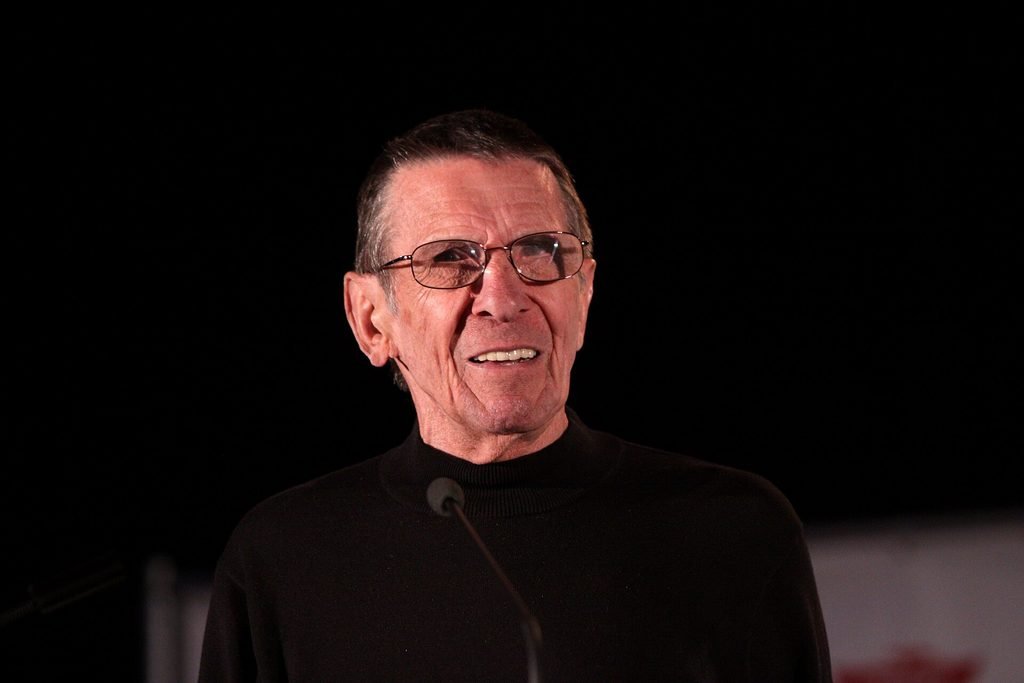
The late Leonard Nimoy takes over the voice. It is difficult to imagine a better casting choice. Nimoy was famous for playing the logical and controlled Mr Spock.
Here, he gets to do something very different. His Galvatron is cold, commanding and increasingly unstable.
The contrast is part of the fun. It also adds another layer to the film’s extraordinary voice cast.
A Hollywood Voice Cast
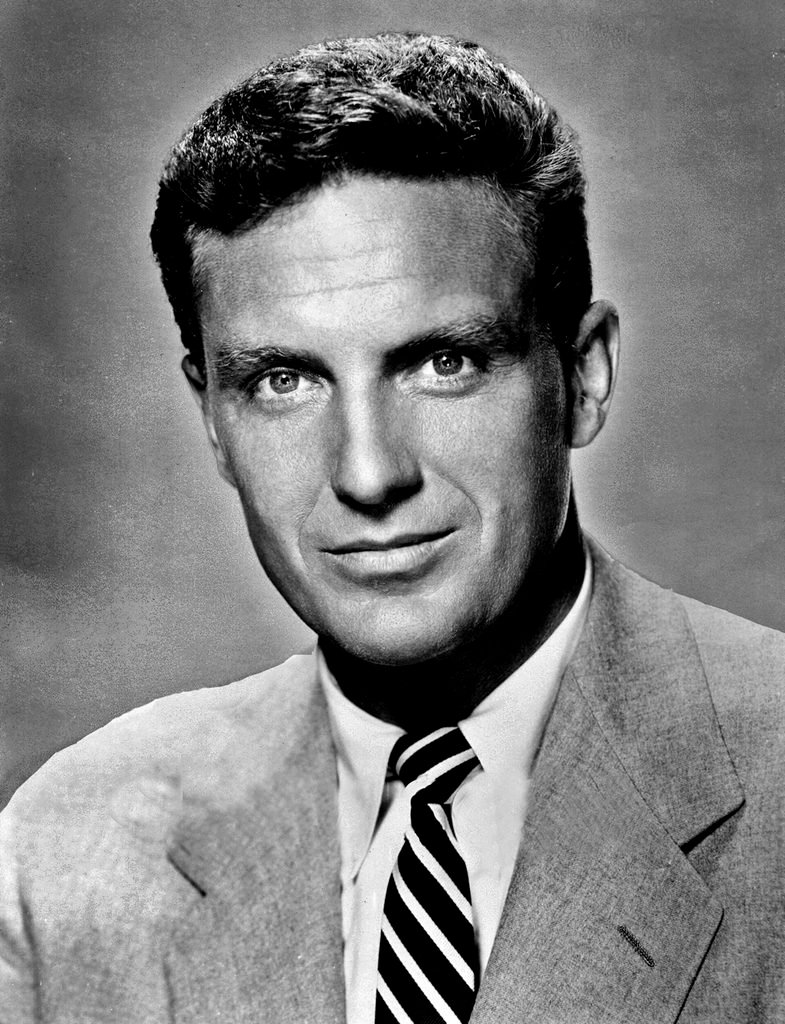
One of the most revolutionary aspects about this film was the choice to cast Hollywood celebrities in the voice acting roles for their cartoon film.
Orson Welles voices Unicron. Leonard Nimoy voices Galvatron. Judd Nelson voices Hot Rod. Robert Stack voices Ultra Magnus. Eric Idle voices Wreck-Gar.
All of this voice work takes place alongside longtime voice actors from the Transformers franchise like Peter Cullen and Frank Welker.
What you get is a combination of famous actors and professional voice actors. It lends itself to this idea of the significance of the project.
Not just some normal TV special. It made everything about this film big. The story, the voice acting, the soundtrack.
It wanted to be an actual movie.
Does the Animation Still Look Good?
That must have been the most prominent question I had going into the anniversary screening. Would 1986 animation still look impressive on a big screen?
And the answer is actually quite surprising.
Yes.
The 4K screening makes a noticeable impact. The colors look richer. The lines are sharper. The details are a lot easier to see.
Animation gets an added boost from the fact that it’s shown on a big screen. There is scale to the art. The mechanical designs are still amazing.
The Autobots and Decepticons have their own distinct shapes. You can easily recognize the character based on its silhouette.
Something that modern animated movies often have trouble with. The animation is also full of personality.
It’s not polished too well. There are flaws. There are moments where movement feels somewhat restricted.
But that is exactly what gives it its personality. The 4K restoration doesn’t make the movie look modern.
Instead, it simply makes its original art look nicer. That’s the point of restoration. It should accentuate the original film.
The Cinema Experience
Seeing The Transformers: The Movie at home is one thing. Seeing it in a packed cinema is something else. The audience reaction becomes part of the experience.
There were moments when people laughed at familiar lines. There were moments when the music kicked in and the atmosphere changed.
And there was a very different response when Optimus Prime died. That communal reaction matters.
This is a film that was created for a generation of children. Forty years later, many of those children are now adults.
They are returning with their own memories. Some are bringing younger fans with them. That gives the anniversary screening an interesting sense of continuity.
The film has survived because people did not simply remember it. They passed it on. The 4K presentation makes that experience even more worthwhile.
The visual upgrade gives the animation renewed clarity. The larger screen makes the battles feel bigger.
The sound gives the soundtrack room to breathe. And 4DX adds another level in selected cinemas. Whether the additional physical effects are essential is debatable.
For some viewers, they may enhance the spectacle. For others, the original animation already provides enough sensory impact.
Either way, the availability of premium formats makes this re-release feel like a genuine cinema event.
Do The Themes Still Hold Up
What really shocked me was just how relevant some of its themes were. The whole plot was clearly divided into good and evil.
But there’s more going on underneath all that. This movie is about death. It is about leadership. It is about coming of age.
It is about embracing change. The development of Hot Rod is especially relevant. The hero starts off as a young character who doesn’t quite realize his responsibilities yet.
Then he becomes the one who can lead others. This is an eternal theme. Moreover, this movie understands that the heroes can die.
This may seem rather obvious now. In 1986, when it was created for children’s animated franchise, this was far from the case.
The deaths give the sense of consequences. The characters aren’t protected from any harm because they are heroes.
This makes the conflict more serious. It is also the reason why this film had such an impact on children.
The Corporate Shadow
There is an uncomfortable paradox inherent within The Transformers: The Movie. This film is a story about loss and transformation.
It happened in circumstances when this transformation was very much tied into the requirements of a toy company that needed a new line of toys.
And this context is undeniable. Autobots and Decepticons like Ironhide, Prowl, and Wheeljack die.
Other Autobots and Decepticons vanish. And new characters enter the narrative. From a business standpoint, it is understandable.
New 1986 toys needed space. But from an audience standpoint, it was a tragedy. It doesn’t mean that the movie doesn’t have a storyline.
On the contrary, it gives additional intrigue to the movie. The commercial choice has led to the creation of a very moving story about how new generation came.
And this story proved to be a good one beyond all expectations. So much, in fact, that Optimus Prime had to come back to the animated series.
And his rebirth became the part of the franchise’s further story. This movie can be described as both a daring artistic and a risky business venture.
These two notions can be true at once.
Does It Still Work for Modern Audiences?
And here is where I think that the movie becomes fascinating. A contemporary viewer may consider some elements of the plot rather simplistic.
Sometimes the dialogue may seem outdated. Not all jokes have stood the test of time. The tempo of the movie is also a lot quicker compared to a majority of the modern cartoons.
There is no time to explain everything in detail. Characters come. Characters go. New threats emerge. The story continues.
That may be considered a nice change. The modern animation has rather long durations and complex mythology.
Transformers: The Movie manages to narrate an enormous story in about 85 minutes.
No time is wasted.
But this simplicity also gives it quite a straightforward emotional core. When Optimus dies, there is no need for 20 minutes of explanations.
The viewer knows what happened. When Hot Rod assumes the responsibility, the meaning is just as obvious.
The movie speaks through actions. That is why it is so understandable.
What Worked for Me
The presentation in 4K is the main reason to watch the movie in the cinemas once again. Animation has never looked so good before.
Colors have gained extra freshness. Mechanical designs are still fabulous. Scale of the battles works perfectly for the big screen.
Voice cast is still incredible. Peter Cullen is still the most authoritative Optimus Prime. Frank Welker plays energetic Megatron as always.
Unicron sounds memorable with Orson Welles. Galvatron sounds menacing with Leonard Nimoy.
Hot Rod has an impressive attitude provided by Judd Nelson during his transformation.
Soundtrack is still one of the best features of the movie.
But first of all, the movie still evokes emotions. This impressed me more than anything else.
Knowing about what is going to happen doesn’t make the death of Optimus Prime less painful.
On the contrary, sometimes it makes it even more touching.
What Has Not Aged Quite As Well
The film is not perfect. Some of its dialogue is very much rooted in its era. The story can also feel rushed.
There are so many characters that some receive little development. The constant movement between locations can occasionally make the narrative feel compressed.
Modern viewers may also find some of the violence surprisingly graphic for a film associated with children’s television.
That was part of its original shock. It remains part of its identity. There are also moments when the commercial origins of the story become obvious.
New characters arrive with remarkable speed. Established characters disappear just as quickly.
The narrative sometimes feels like it is clearing the board. However, those weaknesses do not outweigh the film’s strengths.
They are part of what makes the film such a fascinating product of its time.
Final Thoughts
Transformers: The Movie ought not to be as good as it is four decades later. It was produced partly as a way to sell toys to a newer generation.
It kills off beloved characters. It was made for children. Somehow, though, it transcends its roots. It tells a tale about change, loss and responsibility.
It explores the question of what happens when the old generation is gone. It raises the question of whether the younger generation is ready to replace them.
These ideas remain relevant. The business goals underlying the movie are difficult to ignore. But the creators managed to turn this corporate vision into something truly emotional.
The 4K restoration brings this movie back to life in theaters. It is colorful. It is spectacular. The music is powerfully moving.
And the voice talent remains the best part of the film.
Its ending seems to hold even more weight today than it did at first. Hot Rod’s transformation is not merely the process of becoming stronger.
It is the acceptance of responsibility. It is the willingness to move forward despite loss.
It makes the movie a bit more than a nostalgic memory.
It becomes a story about generations.
Forty years later, The Transformers: The Movie remains messy, loud, occasionally strange and wonderfully ambitious.
It also remains capable of surprising emotional impact.
If you remember watching it as a child, the 40th anniversary screening offers a chance to experience those memories differently.
If you have never seen it on the big screen, the 4K presentation makes this a particularly good opportunity.
This is not simply a film that has survived for forty years.
It is a film that has transformed with its audience.
And, much like the Transformers themselves, it has proved remarkably difficult to keep down.