Tuner Gripping Crime Thriller Movie Review Neo-Noir
Tuner Crime Thriller Movie Review (Warning May Contain Spoilers)
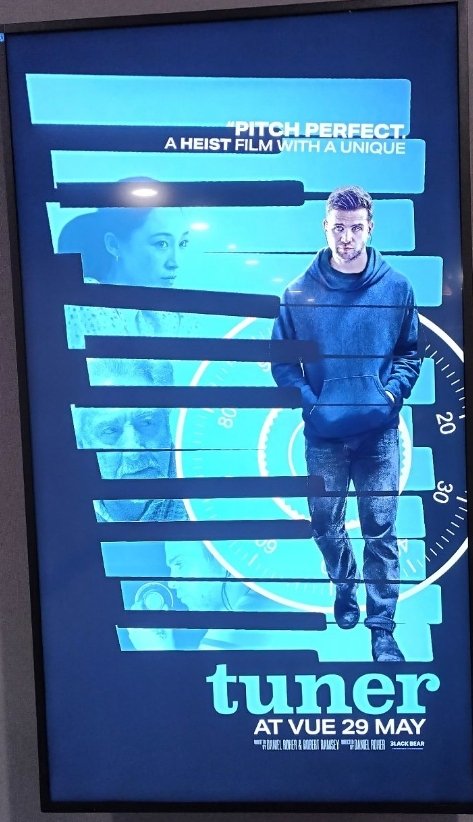
In this Tuner crime thriller movie review, we look at this new release and see if it is as good as it’s cracked up to be. Typically, crime thrillers rely heavily on established formulas. Speed, violence, and constant twists tend to characterize the genre. Not so in Tuner. This film opts for restraint rather than chaos and mood rather than spectacle.
Tuner, which is directed by Daniel Roher, brings together the neo-noir genre with characterization. This movie tells the story of Niki White who is a highly talented pianist suffering from hyperacusis. This condition affects his every move in life as well as the audience’s perception of the story.
With his mentor facing monetary disaster, Niki learns that he has some hidden criminal skills. His perfect pitch has now become relevant in ways other than tuning.
The basic concept might be odd from an initial perspective. In many instances, the concept can sound completely ridiculous. However, this film is a success because it embraces its odd premise wholeheartedly.
Daniel Roher’s Direction and Style
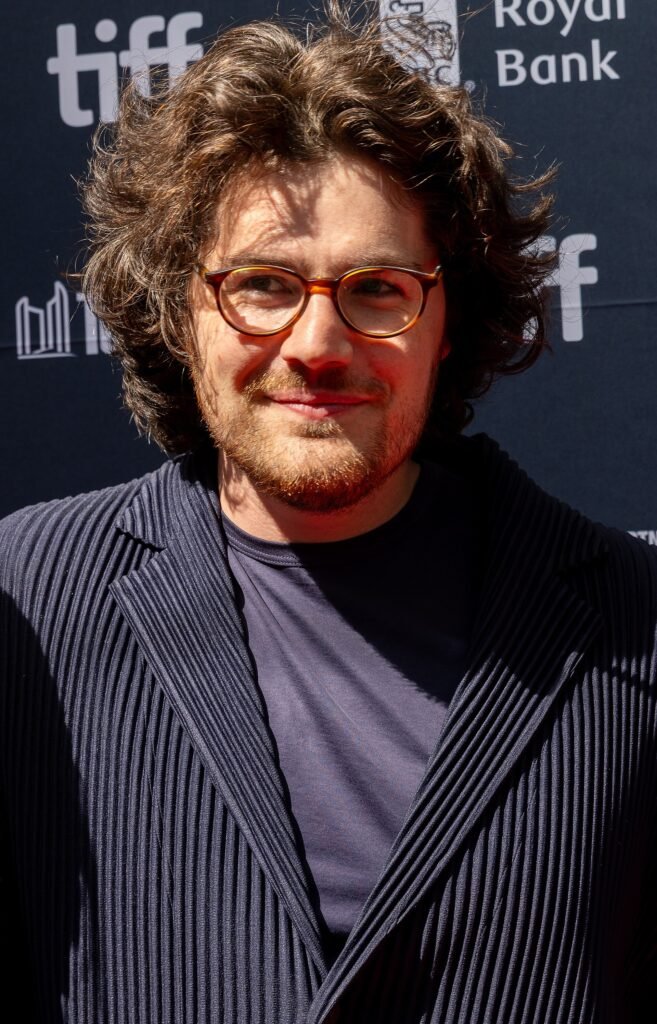
Patience and confidence characterize the directing style of Daniel Roher. Tension is seldom built by the means of abrupt and loud sequences, nor is it constructed using action.
There is a sense that the movie is influenced greatly by neo-noir conventions. Darkness seems to permeate almost all scenes. Interiors are cramped and claustrophobic.
References can also be drawn from Steven Soderbergh‘s movies on crimes. Roher is obsessed with process and ritualistic activities. Repetition takes on a suspenseful dimension. Attention is paid to the safe-cracking episodes. The smallest gestures take on significance. Minor errors assume a monumental importance.
Roher does have an appreciation for self-control as well. Melodramas are not something that one sees much of in Roher’s films. In fact, there is more silence used to express ideas than anything else.
Such an approach will undoubtedly bore some people. However, the slow process helps create the anxiety felt in the movie. But most importantly, Roher is able to create immersion within his work. The viewer feels everything the way Niki feels it.
Cinematography and Visual Identity
Lowell A. Meyer’s cinematography quietly carries much of the film’s emotional weight. His visual choices consistently reinforce discomfort and isolation. Many shots feel intentionally restrictive. Characters appear trapped inside rooms, corridors, and narrow spaces. Even ordinary environments feel oppressive.
Close framing becomes especially effective. The camera frequently stays near Niki. Audiences rarely receive distance from his experiences. Lighting also plays an important role. Dark interiors dominate much of the film. Shadows create uncertainty and visual tension.
The cinematography avoids flashy techniques. Instead, Meyer prioritises precision and mood. That restraint works in the film’s favour. Certain moments again recall Steven Soderbergh’s style. The camera lingers during procedural sequences. Repetition becomes hypnotic.
Piano tuning scenes come across visually in an especially powerful way. Hands, tools, and minute actions are captured carefully. The routine becomes cinematic. What makes Meyer’s film stand out is that it never calls attention to itself. Instead, it backs up the narrative without being obtrusive.
Soundtrack and Sound Design
Music is at the heart of Turner. It is natural to have that happen when one considers the main character’s profession and his illness. The music does not dominate in scenes. Rather, it creeps into the background of the scene to create tension.
Once more, comparisons between this film and Steven Soderbergh become relevant. There is a sense of chill and control with the music. Silence takes equal prominence here. In fact, many scenes lack the presence of music altogether. These scenes can create an even stronger sense of discomfort.
It is perhaps the sound design that stands out most from a technical perspective. Normal sounds are now seen as intimidating. Simple sounds take on new meaning here. Closing doors have an aggressive tone. Crowded places exude hostility. Background sounds become emotionally draining.
With hyperacusis, Niki listens to stories through sound. Listeners share his emotional distress. Rarely do films accomplish this sense of sensory connection. The film score and sound design blend together nicely. They do not vie for attention; rather, they combine into one cohesive sensory experience.
Themes and Storytelling
Tuner delves into various themes within its criminal context. Themes such as obsession and isolation are prevalent in the entire film. Niki has a unique talent that makes him different from other people. Niki’s talent isolates him from others.
Exploitation is another issue addressed in the film. The characters exploit Niki for his talents. Themes exist regarding aging and mentorship as well. Harry embodies traditionalism and stability, while his deterioration leads Niki to make difficult decisions.
The main concept is highly controversial as well. Tuning pianos is considered an odd introduction into a life of crime by some viewers. I found myself wondering about the actual demand for piano tuners. It sounds like an unconventional job.
However, it would be wrong to state that reality is essential for the movie. The profession only serves a symbolic purpose here. Accuracy and patience prevail over practicality. It is the emotional aspect of relationships that matters most in the film rather than criminal mechanics.
As a thriller, the story occasionally stretches credibility. As a character study, it feels much stronger.
Performances

The casting is aware of the restraint in t usehe film. There are no scenes where anyone is overacting. This works really well for the atmosphere.
Leo Woodall does everything by himself in the movie. It takes a lot of subtle acting to deliver the right result. Even small faces can show great internal drama. It would be easy to make Niki a very hard character to sympathize with. Most of the movie he is closed up and alone. Woodall makes sure not to let him come across as emotionally aloof.
Physical acting should be complimented for the character. Just changing posture can make it clear something is wrong. The hyperacusis is dealt with appropriately by Woodall, too. He does not resort to exaggeration at all. The condition seems exhausting instead of being theatrical.
Scenes of intense focus stand out the most. Whether Woodall tunes pianos or cracks safes, his dedication always sounds authentic. Above all, he manages to make unethical decisions understandable for audiences. The characters become more daring, but people still stay interested in what they do.
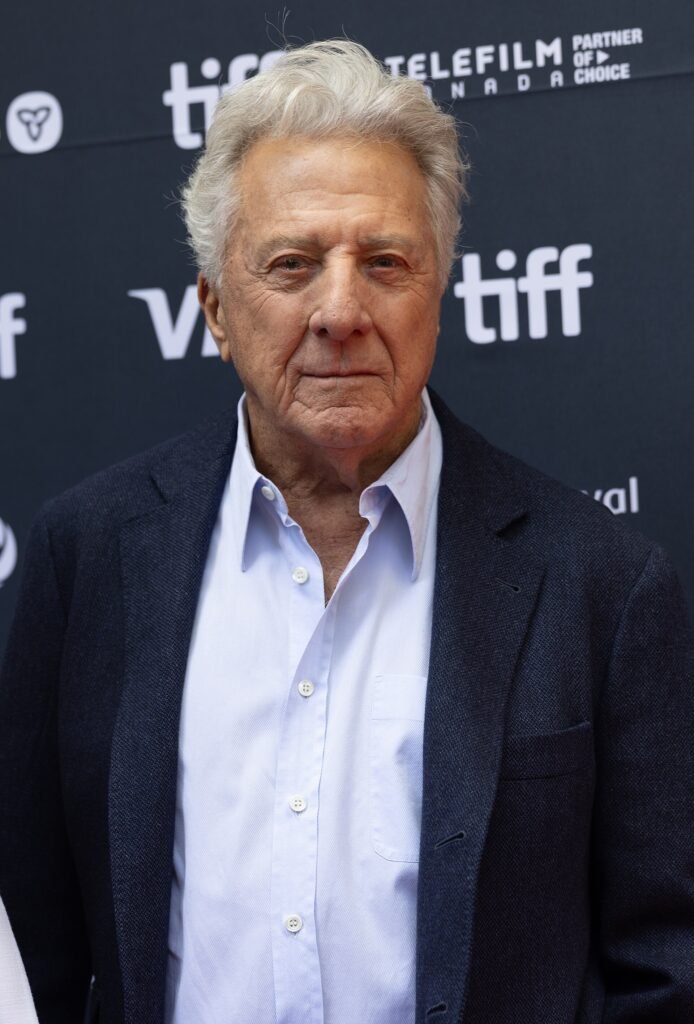
Dustin Hoffman brings the warmth of emotion to Harry Horowitz, and he gives the film its grounding during dark times. The connection between the two creates the emotional heart of the movie, and their interactions feel so real that they increase the tension.

Havana Rose Liu provides unpredictability and dynamism. Her role in the movie ensures that the film doesn’t turn into an emotionally cold one. Moreover, she displays good chemistry with Woodall. Their interaction leads to moments of vulnerability. Making the relationship between them credible
Jean Reno projects authority with subtlety. He avoids making his character overbearing. This approach fits perfectly into the film.
Similarly, Lior Raz exhibits this same quality in his acting. He performs his role with experience and restraint. He knows exactly what is required of him. Finally, while Tovah Feldshuh may not be in as many scenes, she leaves lasting impressions on the audience.
What Works and What Doesn’t
Tuner relies on its ability to create an atmosphere much more than its narrative mechanics. Pretty much every department backs up this advantage. The sound design appears outstanding. The cinematography keeps remaining very immersive. The music builds up great suspense.
Also, the acting turns around the weak aspects of the movie. Woodall is especially preventing ridiculous scenes from ruining the movie. Nonetheless, the story itself demands a certain suspension of disbelief. Certain connections appear more symbolic rather than realistic.
Piano Tuning presents many issues. For instance, financial struggles sometimes seem underdeveloped. Some elements in the plot occur very conveniently. The pace is another issue that may alienate viewers. The movie is slow from beginning to end. Some parts become sluggish.
Clearly, Roher values the process over the speed. This often creates some problems. This may create redundancies at times. However, these defects do not spoil the movie. They just make it imperfect.
Final Verdict
Tuner is a unique crime thriller. It focuses on atmosphere, sound and psychology rather than the usual expectations of the genre.
Daniel Roher directs with assurance and restraint. Lowell A. Meyer produces a creepy atmosphere. There is a constant soundtrack adding to the tension.
Leo Woodall offers the best feature of the movie. He ties everything in his performance. Without it, the whole idea would fail.
Not all decisions made by the makers of the movie are perfect. Some story jumps seem awkward. Other parts of the movie are too slow.
However, Tuner stands out due to its dedication. It knows what experience it needs to deliver. This is not a heist film like many others. This is a character study that tries to hide under such title.
Perhaps, Tuner is not for everybody. But those who accept its rhythm will have no problems enjoying it. At times, being able to hear everything turns into a penalty. Tuner grasps this very well.