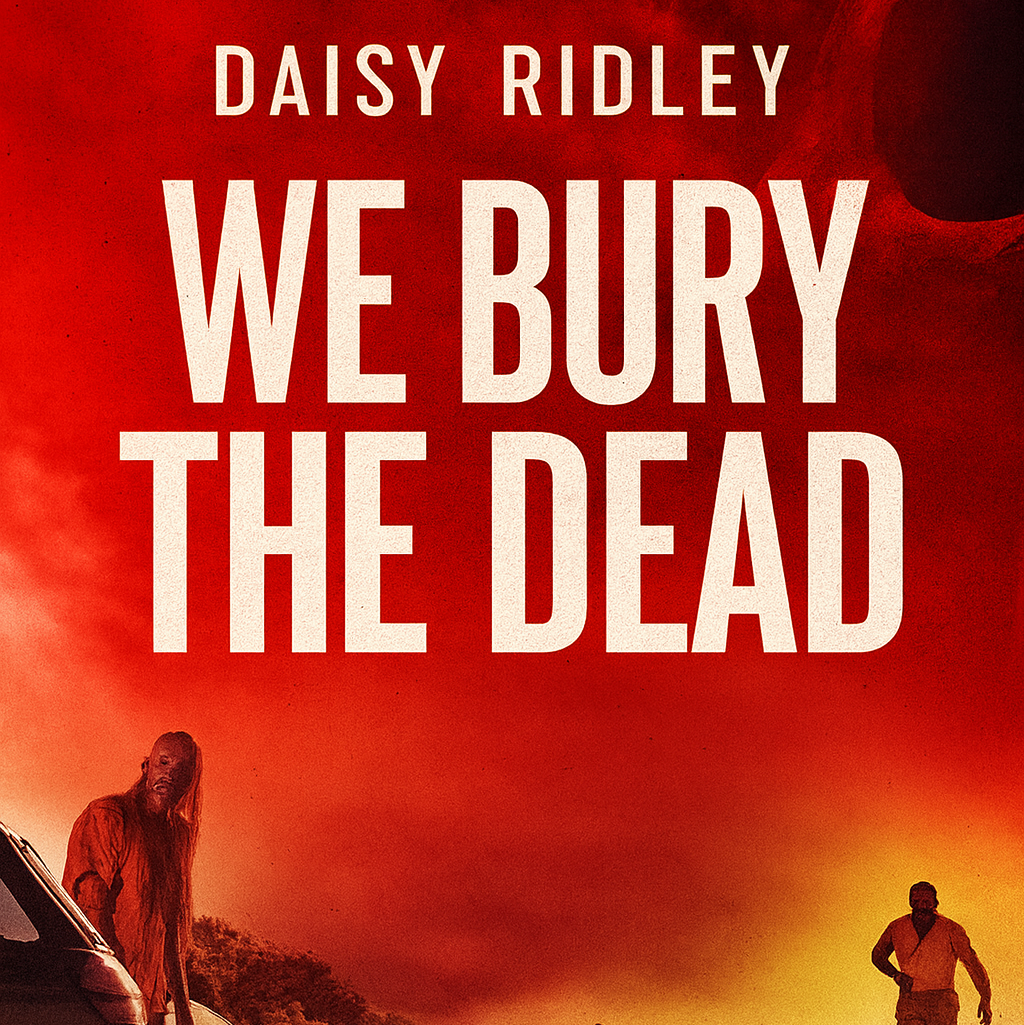
We Bury The Dead: Review
Introduction We Bury the Dead (Warning contains Spoilers)
We Bury the Dead delivers a slow-burning, emotionally intense zombie survival drama. Zak Hilditch writes and directs this haunting story. Hilditch previously directed These Final Hours. The film stars Daisy Ridley, Mark Coles Smith, and Brenton Thwaites. Although the story uses zombies, it prioritizes grief over gore. Instead of cheap scares, it explores trauma, loss, and emotional survival.
From the opening scene, the film rejects conventional horror tropes. Rather than chase jump scares, it builds quiet psychological dread. Consequently, tension grows through atmosphere instead of spectacle. Moreover, the story raises questions about responsibility and endurance.
The Story: A Journey Through Loss
The plot follows Ava, played by Daisy Ridley. She joins a military body-retrieval unit in Tasmania. A disastrous experiment killed thousands across the region. Officially, Ava assists with corpse recovery and burial. However, she secretly searches for her missing husband. She needs answers about his fate. As the story unfolds, the dead begin to rise.
However, the film avoids traditional monster portrayals. Instead, the reanimated appear confused and tragically human. Most notably, they grind their teeth in a disturbing rhythm. That sound lingers long after each scene ends. Therefore, every encounter feels deeply unsettling.
The narrative unfolds like a bleak road trip. Ava travels through isolated towns and military checkpoints. Along the way, she meets survivors, soldiers, and civilians. Importantly, the script avoids heavy exposition. Instead, characters reveal themselves through tension and interaction.
As a result, isolation and exhaustion dominate the tone.
Direction and Tone: A Contemplative Slow Burn
Zak Hilditch embraces a restrained, meditative style. He keeps horror elements at the frame’s edges. Meanwhile, grief and moral tension take center stage.
His deliberate pacing demands patience.
Nevertheless, the emotional payoff feels significant.
The film highlights the cost of constant death. Ava buries bodies under pressure and fatigue. Therefore, burial becomes duty rather than ceremony. Consequently, reflection carries haunting weight.
Visual Storytelling: Isolation and Devastation
Cinematographer Steve Annis crafts stark, immersive visuals. Sweeping aerial shots reveal desolate Tasmanian landscapes.
In contrast, tight close-ups expose fragile emotions. Thus, the film balances scale with vulnerability.
Muted colors dominate the screen.
Ashy tones create bleak realism.
Furthermore, the camera avoids graphic violence. Instead, it suggests chaos through distance and obstruction. As a result, imagination intensifies the horror.
Sound Design: Uneasy Silence and Sonic Terror
Sound design plays a crucial role.
The undead’s teeth-grinding becomes the film’s signature sound. It creates tension even during still moments. Additionally, it reinforces their tragic humanity.
Practical effects enhance realism.
Pale skin and vacant stares emphasize vulnerability. Rather than glorify attacks, the film presents moral conflict. Therefore, each confrontation feels tragic instead of thrilling.
Central Themes: Grief and Moral Fatigue
At its core, the film examines grief.
Ava’s journey reflects a universal need for closure. She seeks confirmation, goodbye, or even painful hope.
Simultaneously, the story explores desensitization to tragedy. The military treats death as routine procedure. They move from body to body with mechanical focus.
Consequently, emotional fatigue becomes unavoidable.
Performances
Daisy Ridley
Daisy Ridley carries the film with restraint.
She conveys grief, denial, and determination with subtle control. Her performance feels grounded and relatable. Even minor accent slips never distract from her presence.
Mark Coles Smith
Mark Coles Smith delivers emotional intensity. He portrays a soldier facing psychological collapse. His morally complex scenes leave lasting impact.
Brenton Thwaites
Brenton Thwaites provides brief levity.
His humor contrasts sharply with the somber tone. However, those tonal shifts occasionally disrupt momentum.
Supporting Cast
Matt Whelan appears in flashbacks as Ava’s husband. His scenes add emotional context.
Kingsley Judd delivers a brief but poignant performance. Together, the supporting cast deepens the narrative’s sense of loss.
What Worked for Me
First, the film prioritizes atmosphere over cheap thrills. Second, Daisy Ridley delivers a quietly devastating performance. Additionally, the sound design heightens emotional tension. Moreover, the film treats zombies as tragic casualties. Finally, isolation strengthens the emotional stakes.
What Didn’t Fully Work for Me
Occasional tonal shifts disrupt immersion.
The slow pacing may challenge some viewers. Furthermore, the ambiguous ending limits narrative closure.
Final Thoughts
We Bury the Dead avoids conventional zombie storytelling. Instead, it offers a somber meditation on grief and resilience.
It favors emotional truth over adrenaline.
If you appreciate reflective horror like Maggie, A Ghost Story, or The Road, this film deserves attention. However, fans of fast-paced horror like 28 Days Later or World War Z may find it subdued.
Ultimately, We Bury the Dead lingers long after viewing. It confronts loss, responsibility, and human endurance. Above all, it mourns a world that has already lost too much.