X-Men ’97 Season 2 Review
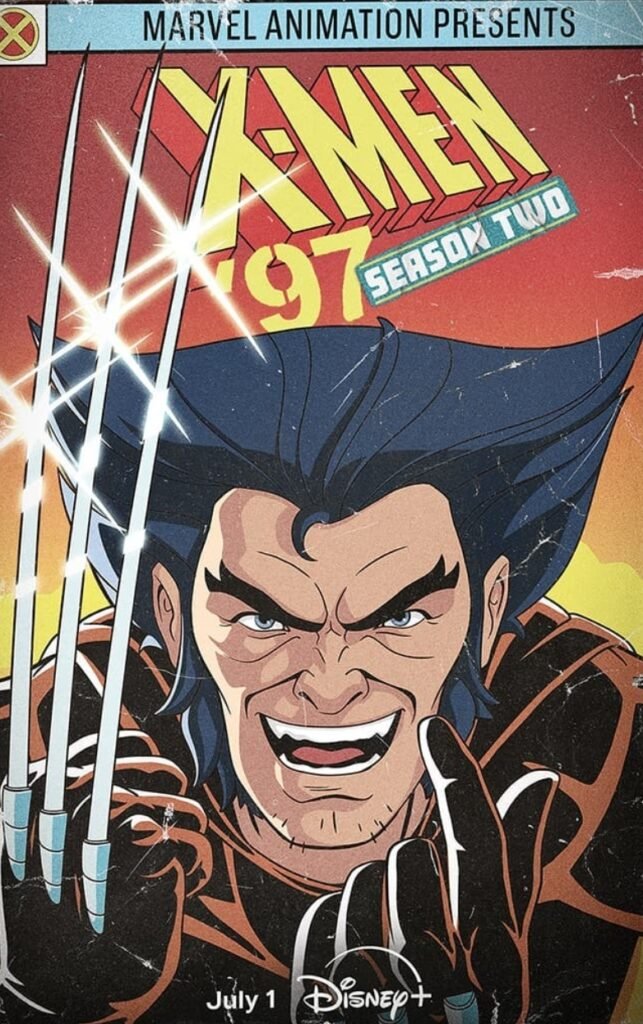
© 2026 Marvel / Disney.
Introduction (Warning Contains Spoilers)
X-Men ’97 Season 2 had an enormous challenge waiting for it. Its predecessor became one of Marvel Animation’s most celebrated achievements.
Season 1 combined nostalgia with mature storytelling, complex characters and spectacular superhero action.
It also demonstrated that a revival could respect its past without becoming trapped by it. That success created enormous expectations for the second season.
Season 2 premiered on Disney+ on July 1, 2026. It concluded its nine-episode run on August 12. The new season immediately takes a much more ambitious approach to its storytelling.
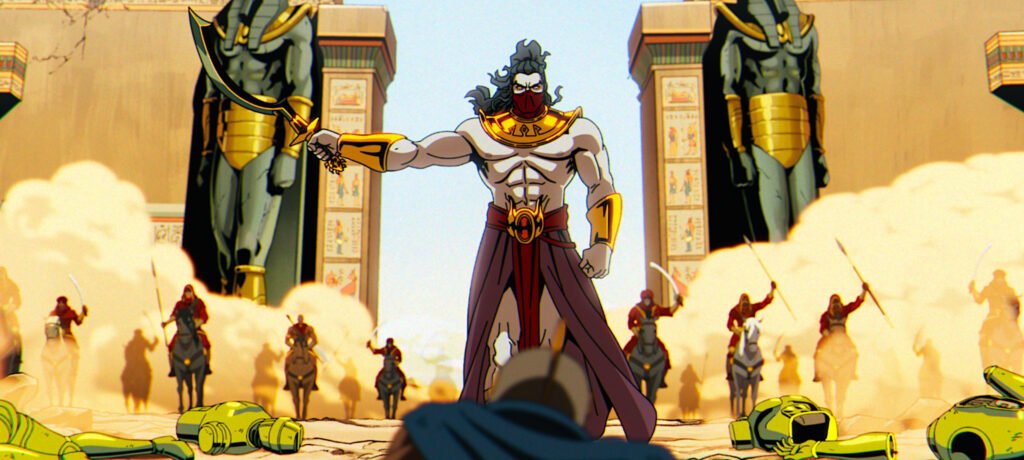
The X-Men are now placed at various stages in history, following the catastrophic events that took place in Season 1.
Egyptian times, the 1990s, and far into the future play crucial roles in the story. Apocalypse himself becomes an important part of the larger mythology of the season.
All of this makes Season 2 a much grander season compared to the previous one. But is bigger necessarily better?
The season brings to life several exceptional character arcs and fantastic animation. It also brings along quite a few storylines that never get enough recognition.
The result is an ambitious season that reaches remarkable emotional and visual heights. It also occasionally becomes overwhelmed by its own ideas.
Building On Season 1
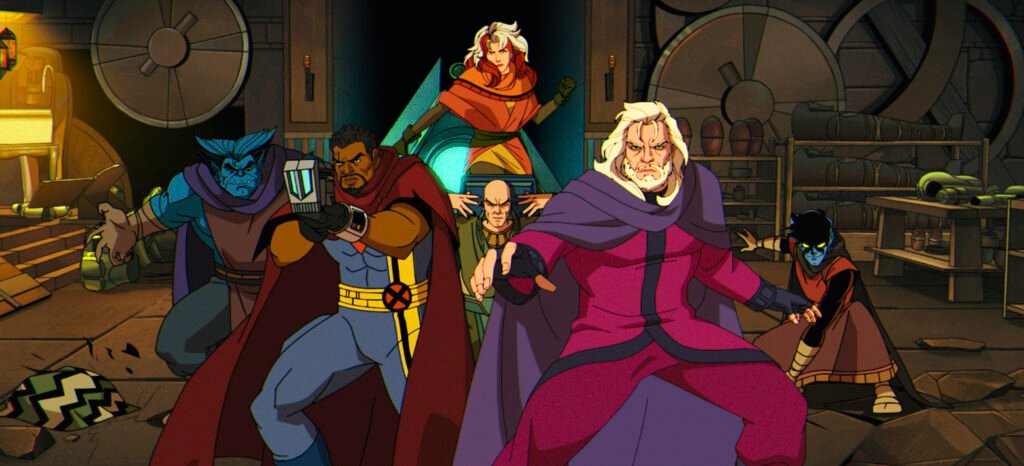
What works best about Season 2 is that it capitalizes on what happened during Season 1. The writers have chosen not to simply repeat themselves.
Rather, they utilize the ramifications of the prior storyline to put the characters into new and strange territory.
The X-Men are no longer just fighting for their survival in the place where they have always known.
They must now contend with time changes, different futures, and even greater threats. This means that the familiar themes can now be explored in new ways.
Identity is still key, but what identity means gets complicated.
The characters need to figure out who they are without the comfort of their familiar environment. The theme of family is also more prominent throughout the season.
The bond between Cyclops and Jean with Nathan is the best example of that. They do not just learn about their future son.
They are provided with a chance to raise him. It forms an emotional connection, which makes their parting even more difficult.
The season also explores the themes of sacrifice, responsibility and the consequences of altering history.
These themes make the plot of time travel more meaningful. At the same time, sometimes the complex nature of the structure leads to some inconsistencies.
Sometimes there are shifts between different eras so fast that they confuse the viewer. At times, one may feel that an event took place between episodes.
It is a valid point against the season’s narrative style. There is a difference between fast pace and confusion. Sometimes Season 2 crosses that line.
A shocking Death and The Grief That Followed
One of the most emotionally powerful storylines of the season centers on the death of Magneto.
This becomes perhaps one of the clearest demonstrations of how powerful this show can be emotionally.
Magneto has never been just another superhero in the series. The friendship with Xavier has been at the core of this show’s emotional nature.
Despite all the ideological conflicts, betrayals and other complications, their friendship continues to prevail.
The friendship itself became one of the most complicated in the X-Men universe. That is why the death of Magneto becomes extremely emotional.
However, the way Xavier reacts adds an extra layer of emotions here. Indeed, Xavier may be considered as the most powerful mutant of the story.
However, he cannot protect the one he loves. This creates an emotional contradiction.
The character who can connect to thousands of minds becomes utterly powerless before the death of his friend.
The animation receives great praise here for its ability to convey the emotions. The expressions, framing and movement communicate grief without relying heavily on dialogue.
The sequence shows the strength that storytelling in animation can achieve.
At the same time, it shows that the theory of “no emotional drama in animation” could not be more wrong.
Even when it comes to animation, there is something highly human about it. It is perhaps one of the most important moments of the whole season.
Not only is there a tragic moment, but it influences the emotions of the X-Men as well. There is something truly missing when Magneto is gone.
It changes Xavier and everyone around him.
Gambit’s Return
Gambit’s resurrection represents an interesting counterpoint to Magneto’s death.
While Magneto’s storyline represents the emotional maturation of the season, the resurrection of Gambit allows the show to revel in its comic-book DNA.
One of the most emotional character arcs in Season 1 was Gambit. His death represented a profound loss for both Rogue and the entire team.
Therefore, his resurrection carries huge amounts of baggage. Gambit’s resurrection showcases how X-Men ’97 knows how to play to the strengths of its audience.
The show knows that the viewers have formed emotional attachments to these characters. It also knows about the anticipation generated by big comic book events.
However, the power of Gambit’s resurrection comes from the fact that it carries emotional weight.
His resurrection does not undo anything that happened previously. Emotional consequences of his death depend on the emotional weight of his return.
This is especially true for Rogue who has experienced a lot of trauma because of the losses she had to experience.
Gambit’s resurrection thus plays into her overall emotional arc. In addition, this storyline reveals one of the biggest dilemmas of the season.
X-Men ’97 wants its deaths to mean something.
It also wants the freedom associated with decades of comic book lore. These are conflicting ideas which make it hard to find the right balance between them.
While some parts of Season 2 manage to do that, others allow comic book nature of the show to undermine the permanence of certain events.
Nevertheless, Gambit’s resurrection remains an entertaining example of the series embracing its source material.
Character Development
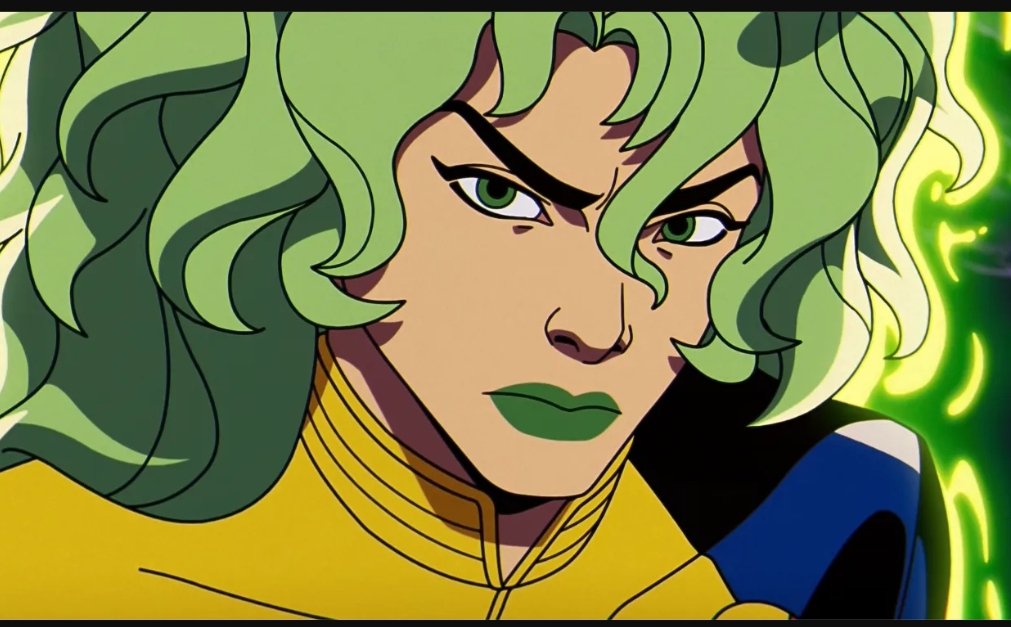
Character development is one of Season 2’s strengths. It is also one of its biggest weaknesses.
While many characters get story arcs that affect their relationships and motivations, others get great story arcs but do not have enough time to finish them.
Lorna Dane, or Polaris, is one of the more welcome additions to the wider cast. Her relation to Magneto adds immediate emotional weight to her appearance.
It feels very fitting to see Magneto’s daughter joining Xavier’s X-Men. This move bridges two major factions of the franchise’s history.
At the same time, Polaris moves past just being Magneto’s daughter. Her interaction with Bishop in particular is quite entertaining.
Bishop starts to feel like he belongs to the team. His relationship with Polaris provides yet another angle to the mutant war.
These interactions give more depth to both characters in the larger context of the ensemble.
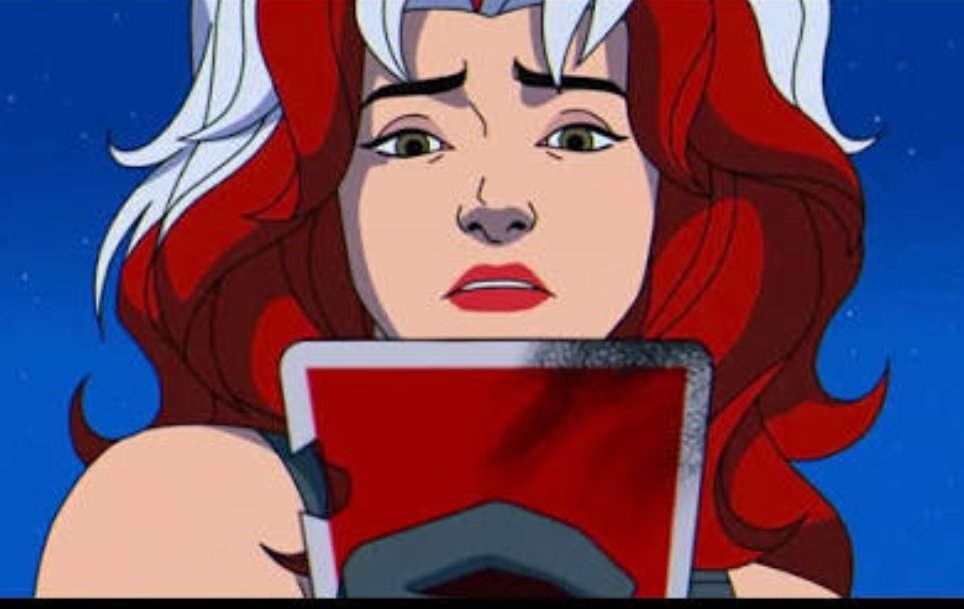
Rogue gets an interesting arc of her own. Her experiences over the course of the season influence her emotional development positively.
She gets more powerful without losing the vulnerability that made her such a good character. The finale in particular demonstrates her increased power in a very fitting manner.
What Rogue does at the end feels like the result of her experience, and not just a heroic gesture.
Storm gets an incredible showcase. Recovery of her abilities lets the show demonstrate her massive power.
Some of her abilities even feel nearly godlike. However, Storm is more important than just her action moments.
She becomes an indispensable tactical leader of the fractured team. Her presence helps to give some stability amid the growing crisis.
Wolverine gets an interesting arc as well. His loss of adamantium changed him physically and mentally.
The season focuses on the increasing feral side of Logan. His partnership with Morph provides some light-hearted moments.
It also serves to ground Logan a little bit. The relationship works perfectly since it is not there just to be funny.
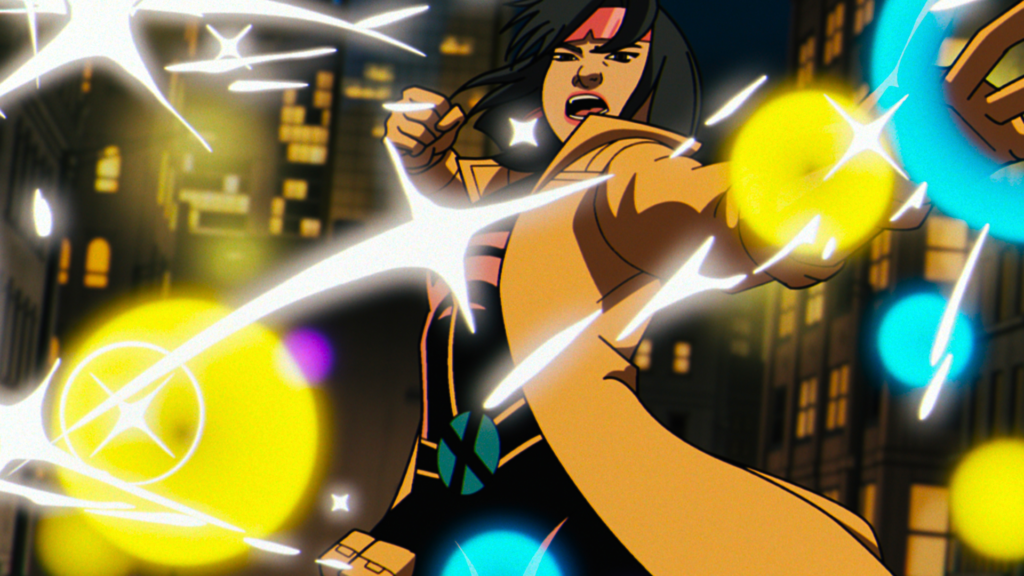
Roberto and Jubilee finally start developing past their younger selves. They were not simply observing what was going on in the team before.
The season throws them into real danger. They fight against human-created technology and rival organizations of mutants.
© 2026 Marvel / Disney.
Cyclops, Jean and Cable
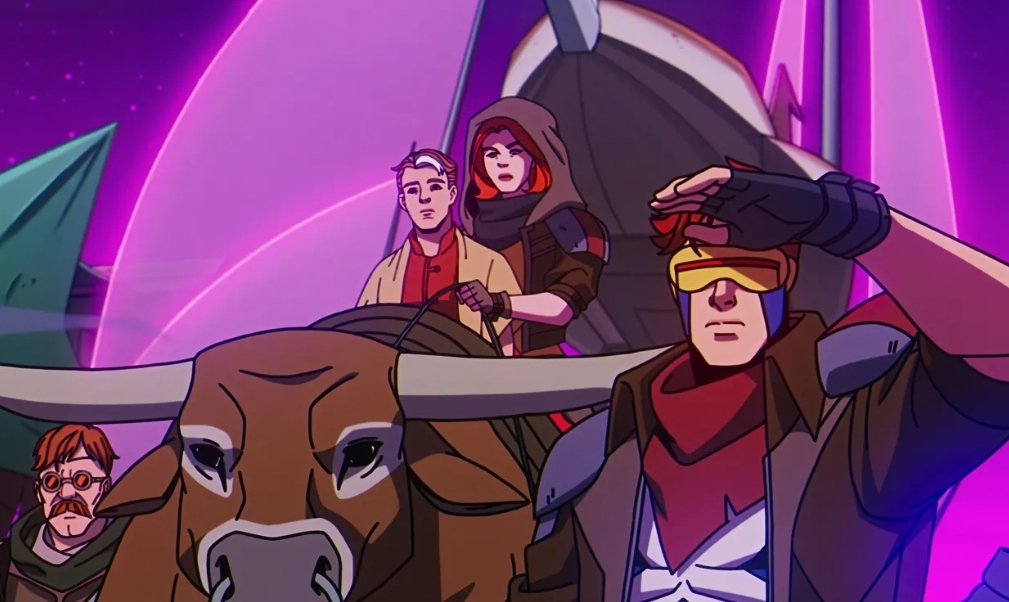
The plot concerning Cyclops, Jean and Nathan represents one of the most ambitious concepts of the whole season.
Scott and Jean have to go through an experience they have never expected. They turn out to be the parents of their future son.
In such a way, they change their relations with Cable entirely. Now, he is not a future soldier for them anymore but their child.
As a consequence, the future parting becomes particularly tragic. Jean helps Nathan cope with his growing abilities.
Besides, she knows about the awful future that awaits him. The act of leaving him becomes the sacrifice for them.
The concept of parenthood becomes the core of this storyline under the unique angle of time traveling.
The question whether saving the future could mean destroying the present becomes particularly interesting from the emotional point of view.
The conflict between Cable and Cyclops continues this line. Cable became obsessed with stopping Apocalypse whatever the price it will cost.
Such an attitude does not fit the values of his parents. For this reason, the conflict becomes personal rather than just a strategy.
When Cable starts fighting against Cyclops, it becomes obvious. He understands the future differently because he knew the price of his parents’ decisions.
Scott and Jean see their son. Cable sees people whose actions led to his sufferings. This conflict becomes the most intriguing development of characters in the season.
The Animation
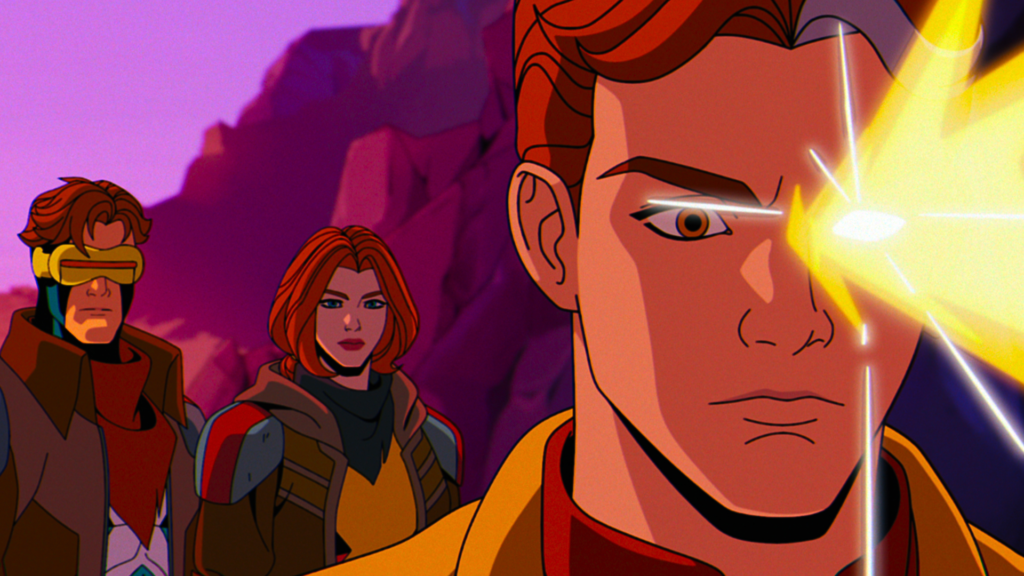
Animation is another area where Season 2 confidently builds on what came before it. The series still maintains its unique 1990s inspired look.
The series is not going to abandon its visual style that helped define the first season. Instead, it is pushing that look even further and exploring all its potential.
Different timelines offer opportunities to create new environments and visual styles. Ancient Egypt allows for a mythological look.
The far future offers the sci-fi visual style. The well-known 1990s world offers continuity with the original series.
These different environments give the season a varied look. The action scenes are also looking more ambitious.
The animators are making more use of movement, scale and dynamic staging. Battles can become much more cinematic.
Mutant powers become more impactful as well. There are some especially cool visuals when it comes to Storm’s powers.
Cyclops’ optic blasts remain unique. Other mutant powers are being worked into the environments of the show.
The experience with anime from Studio Mir is still useful in such sequences. However, the show does not turn into an anime rip-off.
Instead, anime elements are incorporated into the existing Western animation style. It is important.
The show can become very kinetic in its action sequences. And then go back to its more flat and restrained visual style.
Such contrast makes the action moments more special. Animation thus becomes an evolution of the existing visual language.
Season 1 showed that the old visual style still works. Season 2 shows that it can be expanded even further.
The Directing
The same with the direction in season 2 Jake Castorena again makes excellent visual continuations.
Episodic directors returning again ensure the continuation of the identity of the show. This season does not seem like an entirely new production.
On the contrary, the filmmakers look much more assured in the previously formed visual language. There is much more room for experiment in the bigger story they can tell.
Time travel opens up an opportunity to create a unique visual setting. The big battles offer a chance to make even more dynamic compositions.
When it is called for, the emotional moments get the right amount of visual attention. This especially applies to the moment where Xavier reacts to the death of Magneto.
The directing knows that the spectacle is not always needed. Sometimes a closer emotional attention will make a stronger impression than yet another big battle.
What Worked
The most impressive accomplishment is the season’s willingness to take risks. It could have relied on the proven formula from Season 1.
But it develops the mythology in an expansive way. Time travel adds an ambitious twist. The Apocalypse storyline ups the ante in terms of scope.
The character arcs add emotional depth. The animation brings more possibilities visually to the table.
The most powerful emotional beats also serve the story well. The death of Magneto ranks among the series’ best dramatic moments.
The development of Rogue brings more depth to her emotionally. Polaris and Bishop fit better into the ensemble.
Cyclops and Jean get one of the most ambitious storylines of the season. Storm shows just how powerful a character she is.
Gambit’s return serves its own emotional and nostalgic purpose.
All of these are proof of how much there is left to do with this version of the X-Men.
What Did Not Work
The largest drawback is that sometimes the season tries to do too much. Only nine episodes create little room for a big cast.
The jumps in time can make the storyline hard to track. At times the transitions between plot lines are insufficiently explained.
Some character arcs are not completed.
Some plot points are seemingly introductions to subsequent seasons as opposed to their own stories.
It is not inherently bad television. But it can sometimes make each individual episode unsatisfying.
The season progresses without giving time to develop emotionally. It happens especially when there is competition between plot lines in a single episode.
The viewer gets drawn into one group of characters only to switch immediately after. When the storyline comes back, some of the emotional progress has been lost.
The season is thus a combination of both crowded and underdeveloped. There is always something happening.
But at times some developments seem to have had not enough time. This is the primary flaw of Season 2.
Sometimes the season’s ambitions outweigh its allotted time.
Overall Verdict
X-Men ’97 Season 2 may not have quite the balance of its predecessor. But it can be argued to be much more ambitious.
While building on the mythos, it maintains the emotional groundwork of the original. It presents new challenges for its characters rather than just retreading old ones.
Its animation is among Marvel Animation’s best qualities. Its action is more grandiose and cinematic.
Its new settings offer new visual variety. Finally, some of its strongest character moments are emotionally resonant.
The death of Magneto and Xavier’s reaction show its emotional confidence. Gambit’s introduction shows its willingness to indulge in comic book spectacle.
Rogue, Polaris, Bishop, and Storm get stronger characterization. Cyclops and Jean undergo an especially bold analysis of family and sacrifice.
Of course, the season has its problems.
Its time travel plot gets very convoluted.
Some storylines are rushed.
Some seem to be building toward something else.
An enormous cast means that it is near impossible to give each character the same level of development across just nine episodes.
That said, this season’s ambitions should not be overlooked. Season 2 doesn’t try to play it safe. It takes everything introduced in Season 1 and pushes it in new directions.
At times, it does that with spectacular results. At other times, it ends up overwhelming the narrative.
The result is an ambitious season with its incredible peaks and obvious flaws. Where Season 1 is the stronger, more consistently solid effort,
Season 2 represents a much more ambitious, experimental and visually exciting season. On one hand, its strength lies in its ambition, which refuses to repeat old formulas.
On the other, it is hard for such a season to make each of its ideas to receive enough attention. What saves Season 2 in the end is that it still knows how to make characters compelling.
While the spectacle is important, the characters should remain central to the narrative. And whenever this season keeps its eye on that principle, it can be incredibly powerful.
Whenever it focuses too much on the mythos, the storytelling falls apart a little bit. Despite all its problems, Season 2 is an excellent sequel to Marvel’s X-Men series.
It shows that the series has moved past just nostalgia and that there are still huge amounts of potential here. Unfortunately, Season 2 might not surpass its predecessor in terms of consistency.
Nevertheless, it builds on the scope of X-Men ’97 in ways that may come to mean a lot for the future of the show.
Despite its flaws and sometimes choppy narrative pace, it’s an emotionally satisfying and aesthetically pleasing season of television.
The high points are some of the best writing from Marvel Animation. In light of this, the flaws are more tolerable.
X-Men ‘97 Season 2 is about more than just advancing the plot.
Rather, it sets the stage for a broader universe. The trick will be figuring out how to let this universe have the space it needs.