Supergirl (2026) Review
Introduction (Warning May Contain Spoilers)
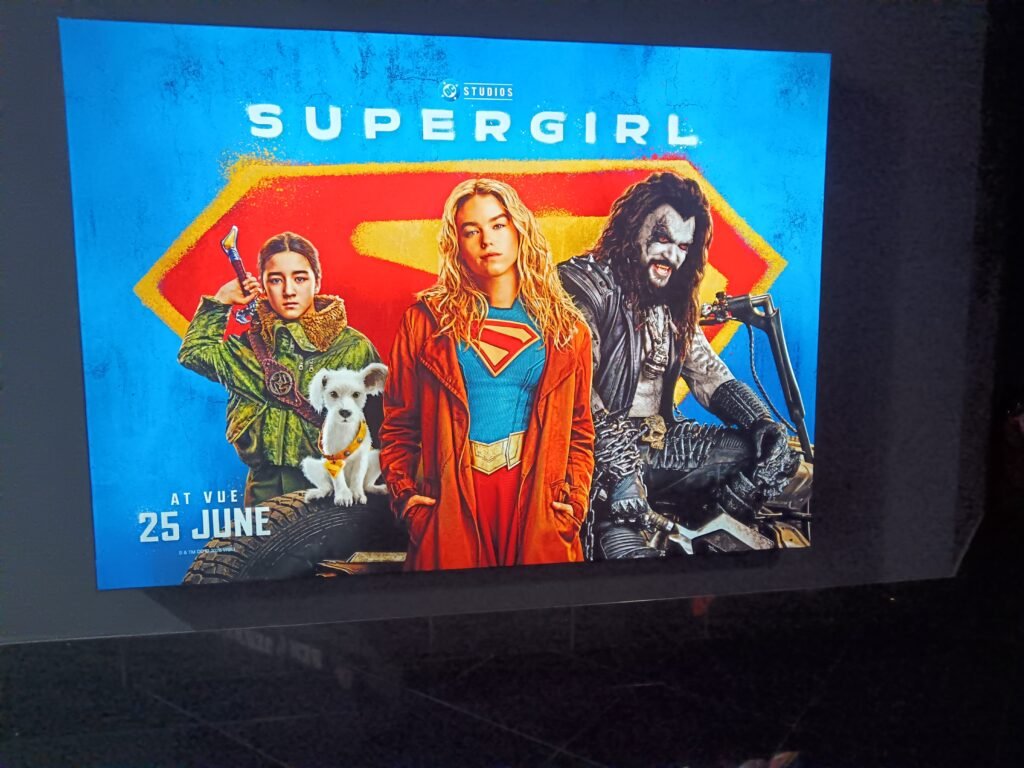
Supergirl (2026) is the second movie from DC Studios’ brand-new DC Universe after Superman. It is directed by Craig Gillespie, written by Ana Nogueira, and produced by James Gunn and Peter Safran.
The film is set to take the viewer away from the idealistic approach presented in the Superman movie and offer a much more emotional story centered around Kara Zor-El.
Instead of saving the planet from its doom, the plot deals with issues such as grief, vengeance, and self-discovery in a sci-fi journey across the worlds.
With Milly Alcock as Supergirl, the movie stars Matthias Schoenaerts, Eve Ridley, David Krumholtz, Emily Beecham, David Corenswet, and Jason Momoa. It is through their efforts that a narrative is crafted which strives to merge personal character evolution and action with epic world building.
It would never have been easy following Superman. There were high expectations placed on it, especially since it was written in part by the man behind Guardians of the Galaxy.
Thankfully, Supergirl does not attempt to emulate the first movie at all but rather takes a very different route with a very flawed protagonist who drives the film forward emotionally.
Such a goal should be appreciated. Yet although the movie succeeds in many regards, sometimes it fails to break free from the shadow cast by other successful series. The end product is an entertaining superhero adventure that manages to be emotional, visually exciting, and well-acted.
Direction and James Gunn’s Influence
Supergirl is made with a certain vision by Craig Gillespie. Unlike most superhero films which are just about action and show, here, each and every aspect of the movie seems to revolve around the emotions that Kara goes through.
In this way, the film is differentiated from Superman right from the beginning, giving Kara a separate identity in the universe of DC Comics.
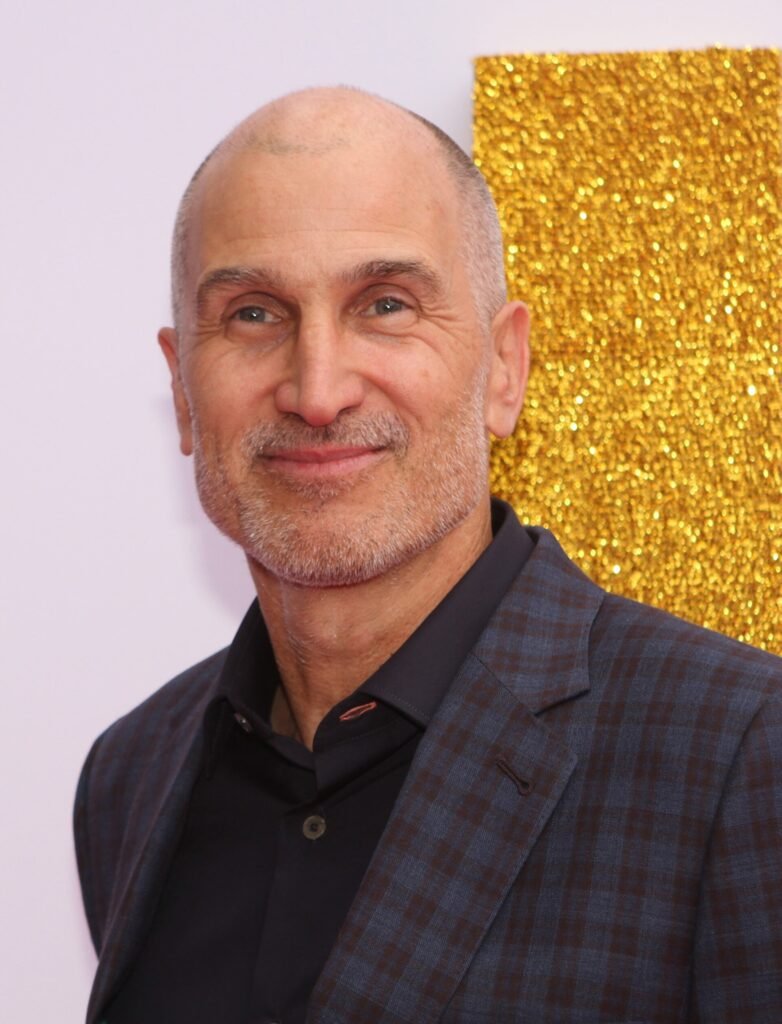
One of the best qualities of Gillespie lies in his capability to maintain emotional narrative along with entertaining the audience in big ways.
Character moments are allowed to take place before the movie comes back to exciting moments. Such pacing helps the audience connect with the character before seeing the result of their actions.
The pace of the movie never lags behind as new planets, bizarre characters, and hazardous settings are always introduced visually in order to keep the audience excited and engaged.
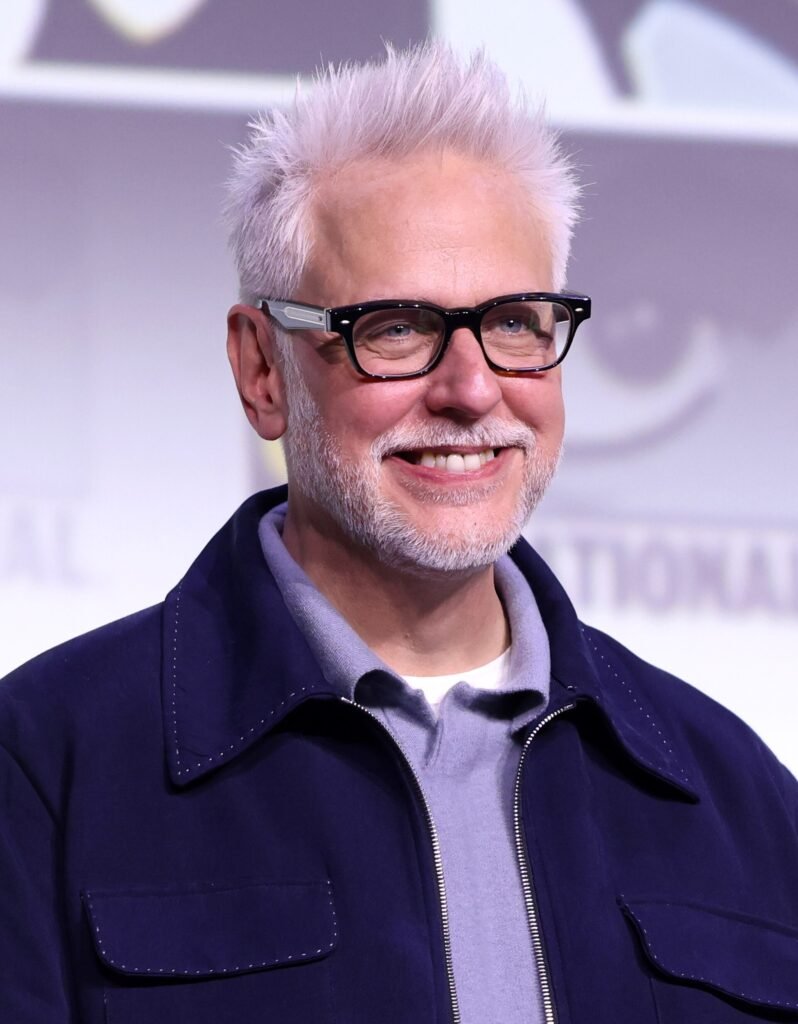
There are also traces of Gunn’s involvement in the production of the film. Even though Gunn has not directed Supergirl himself, there definitely are some hints at his involvement with the creation of the whole DC Universe.
Bright alien worlds, weird supporting characters, witty humor and combination of emotion and grandiose action make one think of Guardians of the Galaxy trilogy and its distinctive atmosphere.
At times, however, Gunn’s impact becomes too distinctive. There are certain scenes which remind more of his other films than of the work of Gillespie and thus might overwhelm his voice.
Instead of being inspired by the director’s vision of the world, some scenes seem like an excerpt from another movie from the Guardians of the Galaxy franchise.
The film can be also compared with the movies from other film franchises. Kara’s constant journey through the inhospitable landscape reminds one of Mad Max: Fury Road or Furiosa: A Mad Max Saga and all their characteristics: chase-based plot, desert lands and weird villains.
Some big action sequences remind one of Fast & Furious franchise in their tendency to exaggeration and spectacular scenes.
It is normal for filmmakers to draw inspiration from successful films. In fact, most directors tend to get their inspirations from previous work by other artists.
The problem in this case is that the inspirations can be very conspicuous and distract from the true identity of Supergirl.
Fortunately, Gillespie does not forget about the girl in question. In fact, the heroine becomes the base for all of his creative decisions which makes the film unique.
In summary, Gillespie manages to fulfill most of his goals successfully. He manages to make a superhero film which carries emotions of the characters more profoundly than Superman but at the same time satisfies the expectations from the genre.
Despite the influences that he cannot avoid, his directorial skills give enough character to the film to stand on its own feet in DC Universe.
Story and Themes
Supergirl is not just another superhero tale, but rather a tale about sorrow, vengeance, forgiveness, and finding oneself following tremendous loss. These themes form the basis for everything else that happens in the film.
While Superman relies on hope and empathy to navigate life, Kara, at the beginning of the story, is motivated by anger.
Her need for vengeance affects much of what she does, pushing her into circumstances where she loses her sense of right and wrong. It adds an extra layer of emotion to the film in comparison to many recent superhero films.
The film’s writer, Ana Nogueira, makes sure that Kara makes mistakes. She is far from perfect and not instantly inspirational. Rather, she acts as a person with loads of sorrow inside who needs to find her place in life.
There are other quiet moments that become equally significant as the thrilling action scenes. The conversations between the characters show Kara’s vulnerability and help undermine her thirst for revenge. Thus, there is no emotional monotony and character development becomes possible.
Family choice and trust are other issues that become essential to the plot of the film. Along her way, Kara meets people who make her rethink her principles and motivation. As time passes, these relationships become equally important as the main conflict of the movie.
Still, despite all of these elements, the overall plot structure remains familiar. It contains all the clichés typical for an ordinary movie – the revenge quest, the perilous journey through other worlds, colourful characters, and eventually, emotional transformation of Kara.
In many ways, there are some similarities with such movies as Guardians of the Galaxy, Mad Max: Fury Road, Furisoa and Logan.
The similarities mentioned above do not ruin the whole watching experience. Still, sometimes they make certain things predictable.
Nevertheless, clichéd storytelling doesn’t automatically make bad storytelling. In the end, what matters is whether Kara’s emotional journey resonates, rather than being totally original all the way through.
While the screenplay may lack creativity in the superhero genre, it successfully manages to create an emotional journey that will be good for Kara in the DC Universe.
Cinematography
One of the best technical aspects of Supergirl is cinematography done by Rob Hardy. His cinematography endows the movie with an image that is clearly distinct from Superman yet still belonging to the same cinematic universe.
Wide shots become one of the key stylistic devices that Rob Hardy applies in order to stress the huge dimensions of the galaxy.
Supergirl is often depicted against the background of huge alien landscapes, which stresses not only her loneliness but also the vastness of her journey.
Wide shots convey successfully the idea that Kara is moving through the dangerous universe where there is no place for her.
Lighting becomes another aspect worth mentioning. Scenes that have darker colors stay visible without any visual confusion whereas more vivid scenes have a great variety of colors in them.
Action scenes are filmed clearly. Although the fights occur very fast, viewers still manage to catch the choreography without getting confused.
Hardy does not use the unnecessary movements of the camera that characterize most contemporary action movies, thus ensuring the coherence of each of the scenes.
Hardy’s camerawork also pays off well for more emotional and quiet scenes. Close-ups make it possible for the viewer to enjoy the acting skills of Milly Alcock especially at those scenes when she feels sad and thoughtful. It is nice that such scenes balance the overall spectacularness.
At times, however, the visual effects somewhat diminish the power of cinematography since there are several artificial backgrounds that look not as good as the director’s work.
Visual Effects
In Supergirl, visual effects play an essential role. There are alien worlds, spaceships, large creatures, and even superheroes who possess unbelievable strength. Overall, visual effects play an integral role in storytelling.
Many environments look very imaginative and large. Visual effects combined with the production design help create an impressive and realistic cosmic world which seems to be much bigger than the DC Universe that was shown before.
Nevertheless, some visual effects in Supergirl are of a poor quality. Sequences where there is an intensive use of CGI look quite unrealistic.
Sometimes, the characters seem to be detached from their CGI surroundings, making the action scenes less real.
Moreover, the action scenes are often affected by the same issue. Even though it is clear to viewers that Supergirl has unbelievable strength, some fight scenes look unrealistic.
Interestingly, this issue becomes less noticeable when Jason Momoa’s Lobo enters the action. His physical presence immediately adds greater realism to the combat.
Every punch and movement feels heavier and more believable, making those scenes especially satisfying.
Fortunately, these technical inconsistencies never completely undermine the film. The visual effects remain ambitious throughout, even if they do not consistently reach the highest standards established by the very best superhero productions.
Overall, Supergirl delivers an impressive visual spectacle that occasionally falls short of perfection but still succeeds in bringing its ambitious universe convincingly to life.
Performances

German Comic Con ©Creative Commons Attribution 3.0
It is obvious that Milly Alcock holds the movie in her hands. She succeeds in playing Kara as a person who has been wounded by grief but still wants to go on living.
The actress shows vulnerability in her emotions but does not make Kara look weaker. She does not play her character as if Kara was invincible or cold-hearted.
Alcock plays the best during her calm conversations, but not in action scenes. In this way she shows the character’s feelings of frustration, despair and determination using her facial expressions and careful words.
There is one flaw associated with Kara, but it is not related to Alcock’s performance. It is about some action choreography scenes. Even if people know about the superpowers of Supergirl, some scenes seem unconvincing and the fights do not look really exciting.

Matthias Schoenaerts plays his role of antagonist with dedication. This is a man who radiates confidence, power, and threat. It only takes moments for him to prove his credibility as a dangerous and threatening opponent.
Unfortunately, the screenplay fails to provide more substance for the actor’s work. As a result, the lack of back-story prevents him from leaving any trace in the minds of viewers.
Although Schoenaerts does a good job, he fails to rise above the script. Sometimes he seems like one of the many villains from movies such as Mad Max.

Eve Ridley delivers the least convincing performance among the principal cast. Her character has potential, yet the emotional delivery rarely matches the intensity of surrounding scenes.
Some dialogue feels overly rehearsed, making it difficult to connect with the character. While she has occasional effective moments, the performance lacks the consistency displayed by her co-stars.
David Krumholtz is a reliable supporting actor. Playing Supergirl’s father in the movie he does well.bThough he does not get a lot to do, David always adds realism wherever he appears on screen. The experience that David has enables him to make the most of any scene he is in.
Another good actress that did a good job in her performance is Emily Beecham as Supergirl’s mother. Though the screenplay is poor at developing the character she plays, she succeeds in making herself realistic.
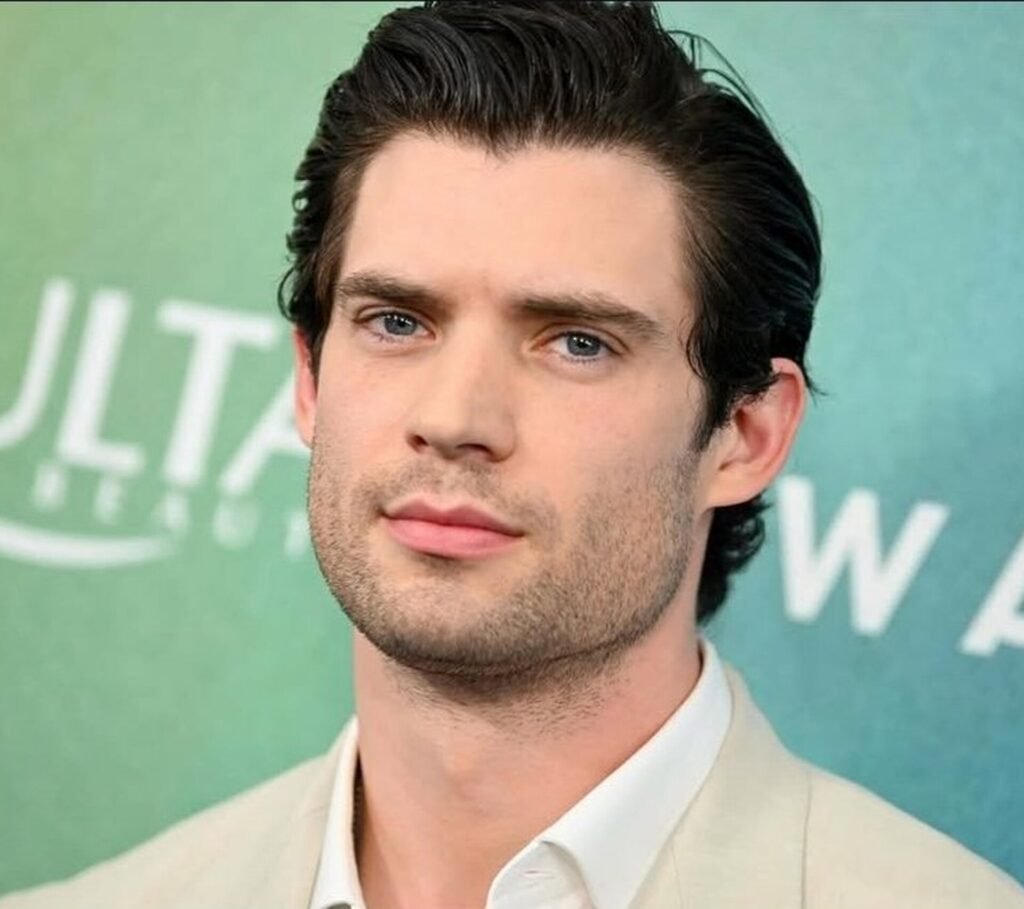
The appearance of David Corenswet as superman is brief but enjoyable to see. The actor’s performance plays an important role in keeping consistency with Superman and reminding viewers of the fact that the two movies are part of the same world.
Superman’s appearance also serves an important narrative purpose beyond simply connecting the film to the wider DC Universe. He represents hope, compassion, and restraint, while Kara is driven by grief, anger, and a desire for revenge.
This contrast highlights how differently the two Kryptonians have been shaped by their experiences. Although they share the same extraordinary abilities, their emotional journeys are very different.
Superman inspires through optimism, whereas Kara must first confront her pain before she can truly become the hero she is capable of being.
Their brief interactions reinforce this distinction and add greater emotional depth to Kara’s character arc.

Jason Momoa nearly upstages the movie with his minimal screen time. The character of Lobo played by Momoa is charismatic, energetic and fun right from the very start.
Momoa seems extremely comfortable playing the character and is able to combine humor with an impressive physical presence.
Action sequences of his are realistic and convincing compared to some other action scenes in the movie that don’t seem quite real.
Every move of his looks strong and convincing. The natural charisma of Momoa makes Lobo instantly appealing. It is hard not to wish for him to appear sooner and stay longer.
Overall, the cast acts convincingly with Milly Alcock doing an excellent job at being the emotional anchor of the movie and Jason Momoa delivering the most memorable supporting performance in the movie.
What Worked
The most successful part of this movie is the fact that Kara herself has become a hero. This film offers the viewer to see a hero who is not perfect and can have emotions like other heroes.
Secondly, I would like to highlight Craig Gillespie who managed to give his own color to this film. Although this film relates to Superman, it still dares to take a deeper insight into dark emotions.
Also, Rob Hardy managed to use his cinematography very well. In many cases, locations were amazing even though there was some lack of visual effects.
Lastly, one of the most exciting parts of the movie was Jason Momoa who appeared as Lobo.
What Did Not Work
Sometimes the movie relies too much on its influences. Some of the shots look like Guardians of the Galaxy, Mad Max: Fury Road, and Fast & Furious movies. This diminishes the originality of some scenes.
Some visual effects are not up to par with the scale of the production. There are a few moments that look obviously fake.
The character of the villain is not given enough depth and emotional background. Matthias Schoenaerts delivers a good performance, but he is not given enough screen time.
Some other secondary characters could have received more screen time and development.
Lastly, there are a few scenes where the fight choreography looks unrealistic for a superhero movie. However, it is justified by the abilities of Supergirl.
Final Verdict
The success of Supergirl lies in the fact that it prioritizes character over spectacle. Kara Zor-El gets a very engaging storyline that sets her apart from Superman while enriching the newly established DC Universe.
Of course, the movie has certain flaws. Its familiar elements occasionally seem to undermine the originality of the production. The special effects are uneven and some of the side characters need to be better developed.
That being said, director Craig Gillespie offers a captivating superhero movie which actually possesses some emotional depth. Milly Alcock shows herself as a competent actress playing the lead role and Jason Momoa makes you crave for more Lobo.
Supergirl may not have revolutionized the genre but it has firmly found its place in the DC Universe. It is a promising, entertaining and emotionally satisfying adventure that bodes well for both Kara Zor-El and DC Studios.