The Last Viking Review: A Dark Comedy with Unexpected Heart
Introduction
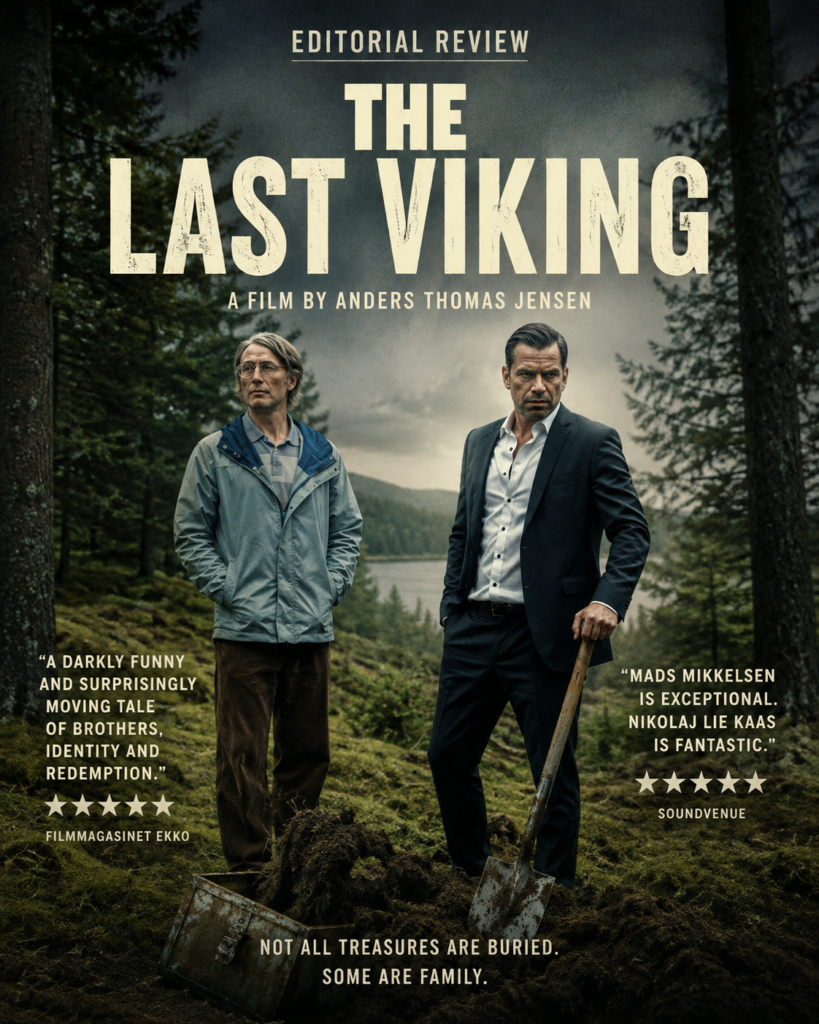
Den sidste viking or The Last Viking is a Danish black comedy film. The movie was both scripted and directed by Anders Thomas Jensen.
This is the sixth time that the director has collaborated with actors Mads Mikkelsen and Nikolaj Lie Kaas in a movie.
The movie blends crime, family drama, and black humor. In the beginning, the plot seems like it is all about the hidden treasure.
But soon enough, it becomes a movie about family, identity, redemption, and healing.
The plot of the movie revolves around Anker, who comes out of jail after spending fifteen years in jail for robbing banks.
All he wants to do is find back the treasure he had buried. The person who knows about the buried treasure is his brother named Manfred. Unfortunately, Manfred is having serious mental issues because he thinks he is John Lennon.
This unique premise is cleverly turned into a great character analysis by Jensen. Humor in the movie is never just funny. It always uncovers some truth about the characters. It adds emotion to the story alongside crime.
Anders Thomas Jensen’s Creative Vision
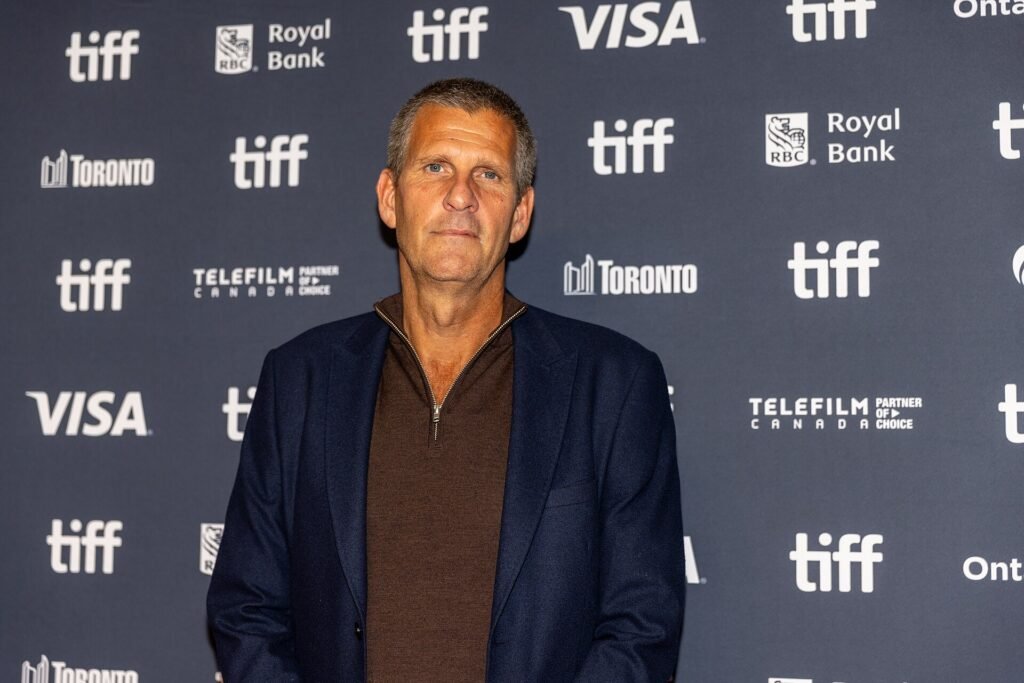
A key strength of the movie is that it is created by Anders Thomas Jensen who is at the same time the screenwriter and director of the movie.
Such an approach allows creating a unique vision of the film that is present throughout all the scenes, which are emotionally linked to the overall plot.
The script presents unusual circumstances but does not make them confusing. The director builds all the scenes using dialogue, silence, and acting.
Combining comedy with more serious elements can prove problematic for some directors. Jensen, however, manages to do so because he does not let one genre overshadow the other.
Comedy flows from the actors and does not depend on low-grade jokes. Emotional scenes also occur without being too sentimental.
As the result of Jensen’s skillful work behind the camera, all the difficult topics come out naturally. The issues such as mental illness, trauma, loyalty, and redemption are all carefully addressed. None of these topics seems imposed on the story.
Jensen also believes in his viewers. He does not provide explanations of characters’ feelings through long speeches but shows everything through expressions and reactions.
Cinematography by Sebastian Blenkov
Sebastian Blenkov‘s cinematographic work works well with Jensen’s narration. His technique is understated at all times in the movie. There are no scenes that distract the audience from the emotional process.
Natural light creates authenticity in the film. Everyday locations in Denmark add to the realism of the story, which could be quite far-fetched because of its black humor nature.
In emotional scenes, the camera is generally static. Such decisions enable the audience to solely pay attention to the performance by the actors.
Close-up shots capture tiny facial movements that convey much more than words can ever do.
Dull colors enhance the emotions of the scene. Nothing is excessively refined or manufactured. Everything looks like it has been inhabited, lending authenticity to the brothers’ journey.
There are good examples of framing from Blenkov too. People are often shown separately in the frame in scenes of emotional detachment. As people grow close, the camera moves them together.
Themes and Emotional Depth
Several important themes run through the movie. Among them, family turns out to be the most important.
Despite the fact that finding the hidden money serves as the driving force of the movie, healing the wounded relations becomes very important as well.
Identity turns out to be another central theme of the film. Manfred’s idea that he is actually John Lennon is not merely a joke; rather, his psychological state is a great example of how trauma could change a person’s identity. This topic is handled very seriously.
Finally, forgiveness turns out to be another important theme in the movie. Initially, Anker was interested in finding hidden money purely for financial benefits.
Later, however, his priorities shift; he starts thinking more about the wellbeing of his brother.
Loyalty is another theme in the story. Family members stay close even after years of being apart and fighting. The connection does not appear perfect but rather complicated.
Redemption becomes an organic theme in the story. Characters get chances to make up for their wrongdoings without making them perfect characters. Their improvement seems well-earned because it happens step by step.
Some themes do not get enough development. Mental problems and trauma sometimes go in the background while searching for money.
It is a pity because the themes might be discussed further, although they are still important for the general plot.
Character Development
Character growth acts as an emotional foundation of the movie. Each step taken affects the connections between the characters involved.
Such strategy provides an emotional involvement that is not associated with the criminal plot.
Among all the characters, Anker (Nikolaj Lie Kaas) changes the most. At first, he seems to be focused on retrieving the money.
His frustration becomes much more powerful than his sympathy. But gradually, his values start changing.
Manfred (Mads Mikkelsen) is quite unique in that he develops in a slightly different way. The development of his emotional state is mainly concerned not with changing anything, but with gaining knowledge about things. The truth about his pain is discovered by the audience slowly.
Secondary characters play vital roles at different times in the story. They are rarely unnecessary since all of them affect the brothers’ relationship. While some are not well developed, they all add to the story.
The love between the brothers forms the core of the movie. The relationship seems realistic since the two have flaws but love each other.
Performances
The actors make every element of the film better. They all realize the unique tone of the film and commit themselves entirely to their roles. It is what saves the story from being implausible.
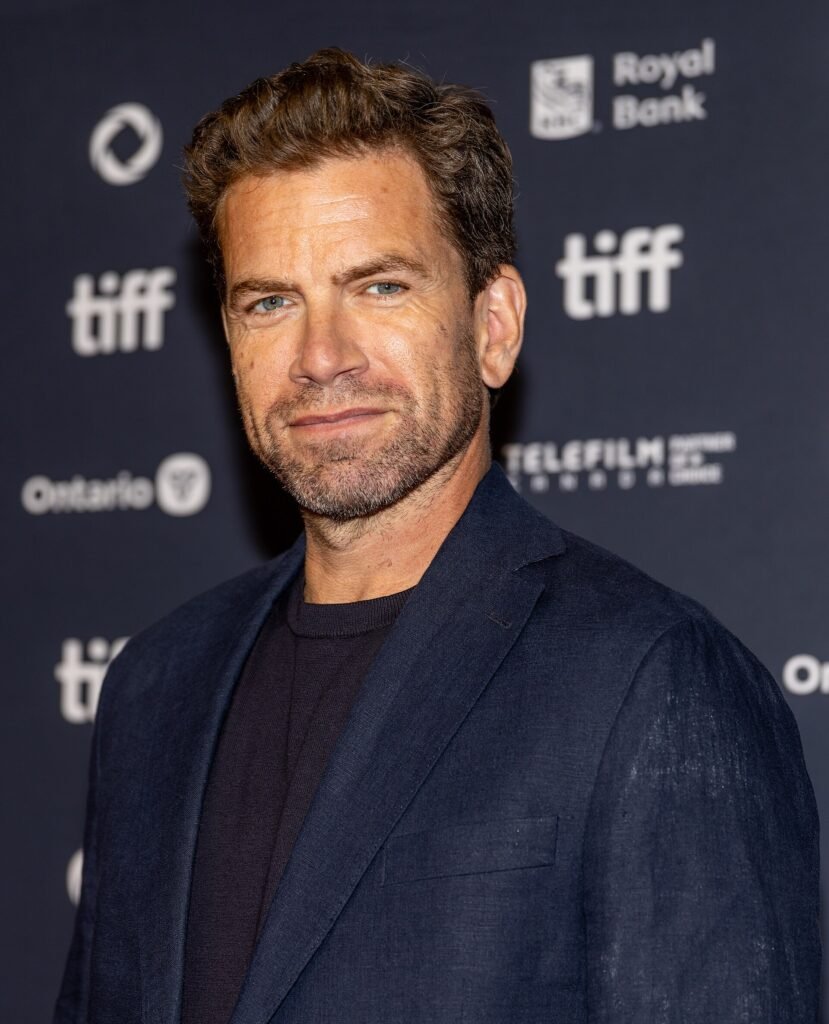
The performance of Nikolaj Lie Kaas is perfect for the character of Anker as he shows his determination and vulnerability at the same time. The small variations in his facial expressions show how the character evolves emotionally.
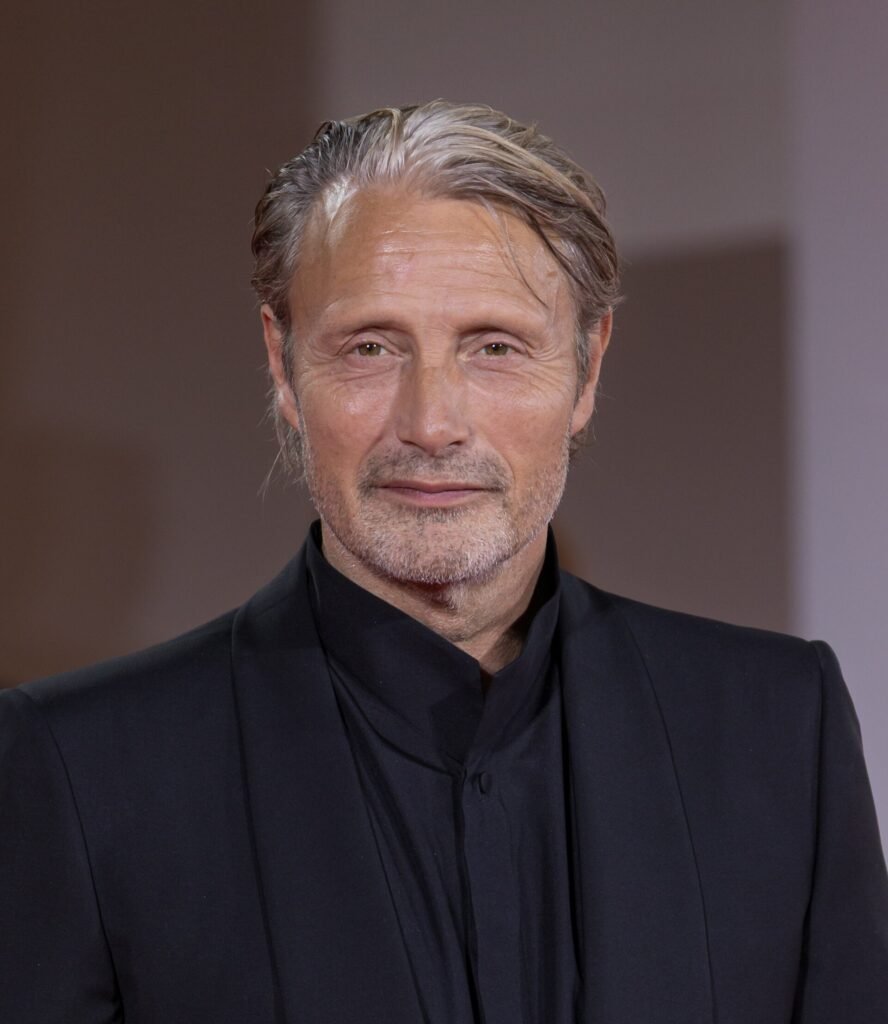
Mads Mikkelsen delivers what I think may be the finest acting job in the movie. It takes much discipline to play someone who believes that he is John Lennon. Mads does not overact at all. In fact, he plays Manfred with sincerity and sadness.
Sofie Gråbøl is an actor that shows emotional maturity in any scene that she participates in. The performance of the actress brings balance into tense and uncertain scenes by providing realistic emotional reactions.
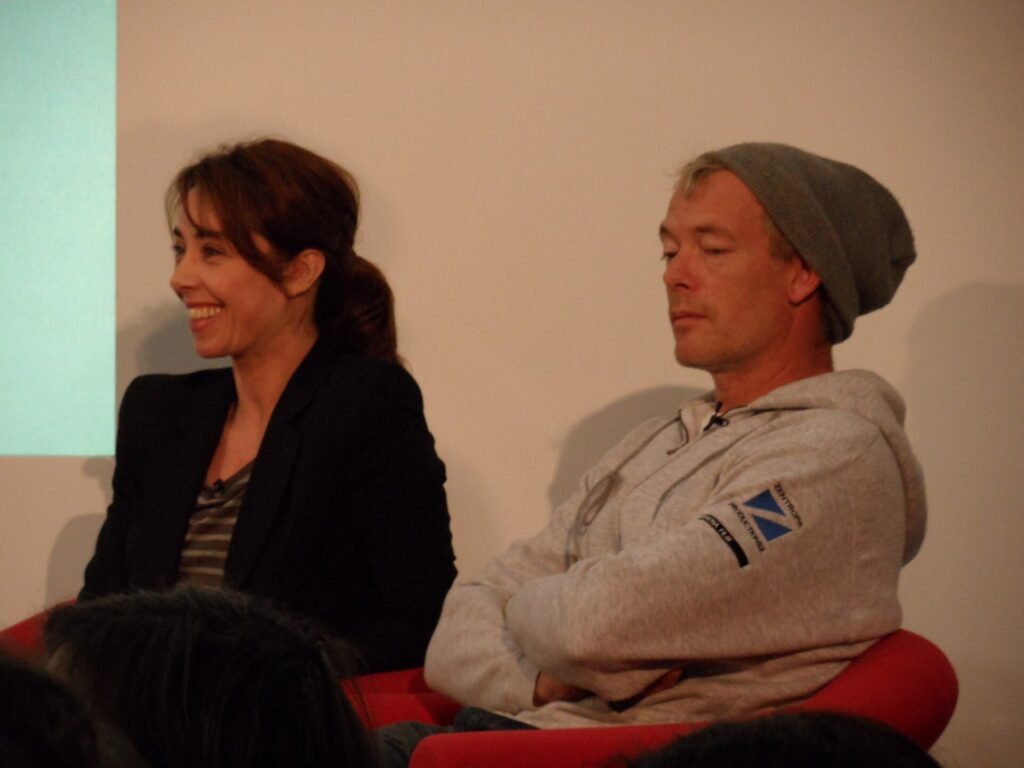
Søren Malling is an actor that provides authority and subtle humor to his performance. He makes a strong supporting character without taking all the attention from the main story. His performance is realistic in the unique environment of the film.
Bodil Jørgensen provides the feeling of warmth and emotional authenticity to the film. She enriches some quiet scenes with her restrained performance.
Lars Brygmann also plays well. His character makes the story richer and supports it at the same time. Small amount of screen time does not stop him from creating a strong performance.
Special attention should be paid to the chemistry between Lie Kaas and Mikkelsen. They show a realistic sibling relationship based on history, confrontation, frustration, and love.
Pacing and Storytelling
The pacing does serve the story nicely overall. It sets up the main conflict without any unnecessary delays. Key characters have plenty of development before the plot opens up.
The middle part manages to balance humour and emotion nicely. There are no scenes that drag on too long. Each scene brings something new to the story or relationship between characters.
There is more of a sense of progression towards the end of the story. This gives the story a great dramatic buildup.
However, sometimes the faster pacing makes it difficult to explore emotions further. Some supporting characters get left behind at this point and never get developed fully.
In addition, some themes also get ignored towards the end of the story. The theme of finding the secret money starts taking over the story.
What Worked Well
Numerous creative choices add up to the success of the film. The screenplay by Jensen is imaginative while keeping it emotional. The directing skillfully makes sure that all acting serves the bigger story.
Cinematography by Sebastian Blenkov adds to the emotional environment but does not dominate the story. The most basic visual choices work wonders.
The acting choices always amaze us. Everyone who acts adds something important to the story. The emotional connection between the two leading actors turns out to be the biggest asset of the movie.
There is a good combination of humor and drama. There is no dominating genre but both complement each other in the story.
Identity, forgiveness, and family are emotionally charged themes that give more depth to the story than just a crime story. This keeps the movie from turning into an ordinary comedy.
What Could Have Been Better
It can be observed that the movie brings in many elements that are not completely explained. Issues related to trauma and identity at times appear to be insufficiently elaborated. Scenes could add to the emotionality of those themes.
Supporting characters could have received additional development. It is interesting how they are introduced at the beginning and then are forgotten. They deserve much more attention in order to increase the emotional depth.
The accelerated pace of the final chapter limits reflection. Emotional moments could have been shown in a more detailed way. It could have added to the resolution.
The unique sense of humor may not work for all viewers. Some people find it difficult to accept jokes in combination with emotional problems. Others will enjoy this difference.
Those drawbacks are rather insignificant. They do not really harm the quality of the movie.
Final Verdict
The Last Viking is successful in that it is much more than just a unique crime story. Behind the eccentric plot, one can find an interesting insight into such notions as family, identity, loyalty, and forgiveness.
Anders Thomas Jensen appears to be completely at ease when writing and directing the movie.
Cinematography by Sebastian Blenkov subtly adds up to all emotional moments in the movie. The performances of Nikolaj Lie Kaas and Mads Mikkelsen add up to the realism of the movie.
It could have been explored a bit more, but still, even though there were a few themes which could have had their share of attention, the movie has never lost sight of emotions.
The Last Viking is a great example of modern Danish cinema. It manages to blend darkness with humor while being entertaining all the time. The movie is worth watching for those who are ready to accept it the way it is.