
Wuthering Heights 2026 Review: Emerald Fennell’s Bold and Emotional Adaptation
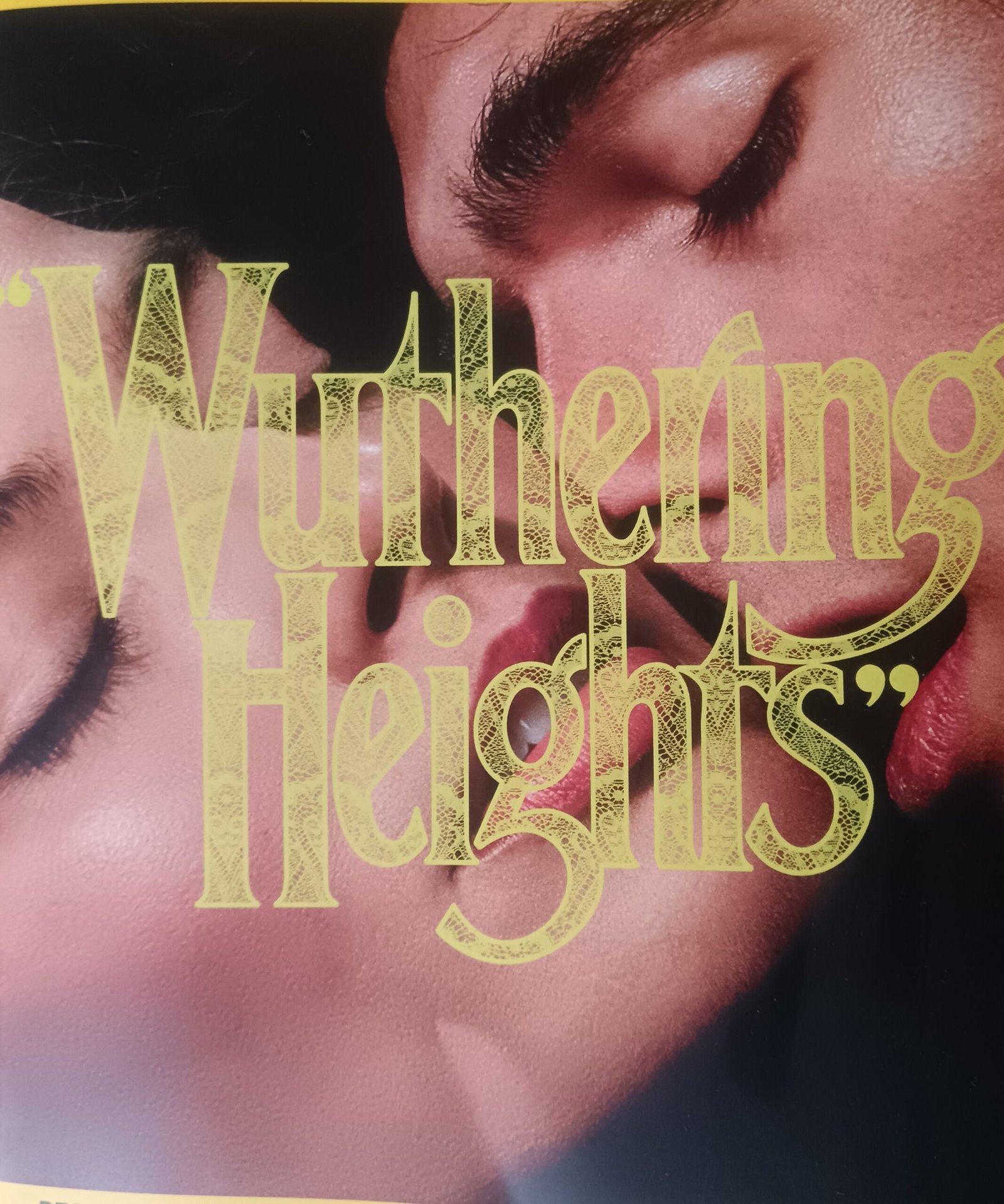
Review of the 2026 Film “Wuthering Heights” Directed by Emerald Fennell (Warning Contains Spoilers)
Before watching the 2026 adaptation of “Wuthering Heights,” I watched an interview with director Emerald Fennell. The interviewer asked why the film title appears in quotation marks.
Fennell explained the choice clearly. The quotation marks signal her interpretation of Wuthering Heights by Emily Brontë. Therefore, the film does not attempt a literal page-by-page adaptation. Instead, Fennell presents her own cinematic response to the novel.
After watching the film, her explanation makes perfect sense. This version captures emotion rather than strict narrative fidelity. As a result, the film feels personal, stylised, and deliberately interpretive.
Background and Production
Wuthering Heights” is a 2026 period romantic drama written and directed by Emerald Fennell. The film stars Margot Robbie as Catherine Earnshaw and Jacob Elordi as Heathcliff. The supporting cast includes Hong Chau, Shazad Latif, Alison Oliver, Martin Clunes, and Ewan Mitchell.
The project first appeared publicly in 2024. Soon after, production gained attention due to Fennell’s previous films. Margot Robbie also produced the film through LuckyChap Entertainment. A production company that supports bold and unconventional films. And this project matched its creative reputation.
Eventually, Warner Bros. secured distribution rights and planned a theatrical release.
Importantly, Fennell and Robbie previously collaborated on Promising Young Woman and Saltburn. Both films display Fennell’s striking visual style and dark psychological storytelling. Therefore, I expected a similarly distinctive approach in this adaptation.
Emerald Fennell’s Personal Connection to the Novel
Fennell first came across the book when she was a teenager. The novel found its place in Fennell’s life when she was fourteen. The story made a strong emotional impact on Fennell, as can be seen from her interviews. This feeling remained with her for many years. When she started to write the screenplay,
Instead of reproducing the novel literally, she managed to recreate the emotions provoked by the novel. In my view, this artistic decision influences the whole movie. The film seems to be driven by the memories of emotion, not literary conventions. Therefore, much attention is paid to the deep bond between Catherine and Heathcliff.
Narrative Structure and Adaptation Choices
The original book by Emily Brontë has an intricate narrative structure. This means that the narrative is presented by different narrators and in different generations. In the first place, the external narrator Lockwood introduces the place of action. Second, the housekeeper Nelly Dean tells the story of two generations.
Nevertheless, Fennell makes the plot structure more simple. Firstly, she cuts down a lot from the framing narrative. Secondly, she gets rid of the majority of the story about the second generation. So, the movie concentrates almost solely on Catherine and Heathcliff. In this way, the adaptation turns into pure tragic love story.
I believe that this plot alteration shifts the whole scale of the narration. While the novel discusses generational traumas and social mechanisms, the movie highlights obsession and tragic love.
Tone and Emotional Emphasis
The tone in Emily Bronte’s novel is rather dark and emotionally detached. There is certainly an element of obsession in the love between Catherine and Heathcliff. But the novel doesn’t romanticize the obsession to any extent.
Whereas the author maintains an emotional detachment while portraying her characters, Fennell chooses another path. She forces the viewers right into the world of emotions of her characters.
As a result, passion, desire, and intensity are key in the film. And I can definitely say that the emotionality comes through vividly. The camera frequently dwells on touch, breathing, and eye contact.
Some viewers may prefer the novel’s colder tone. However, others may appreciate the film’s emotional immersion.
Visual Style and Cinematic Language
Another striking aspect of this movie is its visual style. Indeed, Emerald Fennell is known to employ visual symbols and artistic cinematography. In a similar manner, other works by this director can be viewed from this perspective.
“Wuthering Heights” makes use of cinematography that resembles a painting. There is a great difference in lighting and coloring used for interior and exterior scenes. The interiors tend to be dark.
In contrast, the moors are expansive, wild, and uninhabited. This setting is representative of emotional liberation and wildness. Nature features heavily in this. The wind, the rain, and the expanse of blue sky reflect the emotional states of the characters.
Performance and Character Portrayals
The acting defines the film’s intensity. Robbie plays Catherine Earnshaw as someone who is torn within herself. She has to choose between what her feelings tell her and what society expects from her. On one hand, Catherine connects with Heathcliff in an animalistic way. But on the other hand, she desires social acceptance.
At the same time, Jacob Elordi portrays Heathcliff as attractive yet scarred. The acting style of Jacob Elordi highlights the outsider nature of Heathcliff. This character is an outsider within the society where the story takes place. In my view, there is great emotional chemistry between the characters.
Heathcliff is still a highly enigmatic character. The author purposely makes his background ambiguous. Consequently, there are numerous discussions regarding the racial and cultural origin of Heathcliff. The film directed by Fennell emphasizes Heathcliff’s alienation.
He is shunned socially and emotionally by society.
As such, Heathcliff becomes an embodiment of alienation and rejection. His love for Catherine is symbolic of taboo love. In my view, the movie still does justice to the theme of alienation. Nevertheless, the wider critique of classes is not sufficiently highlighted.
Symbolism and Visual Motifs
Symbolism is extensively used throughout the movie. Firstly, the moors represent freedom and honesty. Here, Catherine and Heathcliff can connect freely. But, the luxurious rooms stand for society’s restrictions.
Moreover, the weather always portrays inner conflict as well. Weather storms come with rage and emotional explosions while peaceful settings come with suppression or separation. Mirrors have been used all through the movie too. The mirrors portray the split personality of Catherine.
She is at war within herself between her desires and ambitions.
Comparison With Earlier Adaptations
Many filmmakers have adapted “Wuthering Heights.” One famous version appeared in 1939. That film starred Laurence Olivier as Heathcliff. The 1939 version focused mainly on the romantic storyline.
It also made the structure of the novel much simpler. Fennell’s version is another example of such a reinterpretation of the book. But in this case, she has opted for stylistic visualizations and deep psychological effects.
The Ending and Emotional Resolution
The end ensures the tragic essence of the narrative remains intact. The relationship between Catherine and Heathcliff appears all-consuming and destructive. Yet, their union is restricted by societal barriers, resulting in an intense yet doomed love affair.
The movie highlights the mythic aspect of the relationship. Death and memories are bound up with their relationship. The finale of the movie highlights the emotional aspect of the movie, and the narrative turns into an exploration of passion and death.
Final Thoughts
The director of the film, Emerald Fennell, offers her own take on the classic novel. By creating a romantic tragedy from Emily Brontë’s highly intricate plot, she has created an engaging adaptation. The film thus emphasizes emotions more than plot accuracy.
Some viewers may prefer a faithful literary adaptation. However, others may appreciate this bold reinterpretation. Ultimately, this version stands as a distinctive cinematic response to a literary classic.