
Keeper (2025) Review – A Slow-Burn Folk Horror That Never Fully Ignites
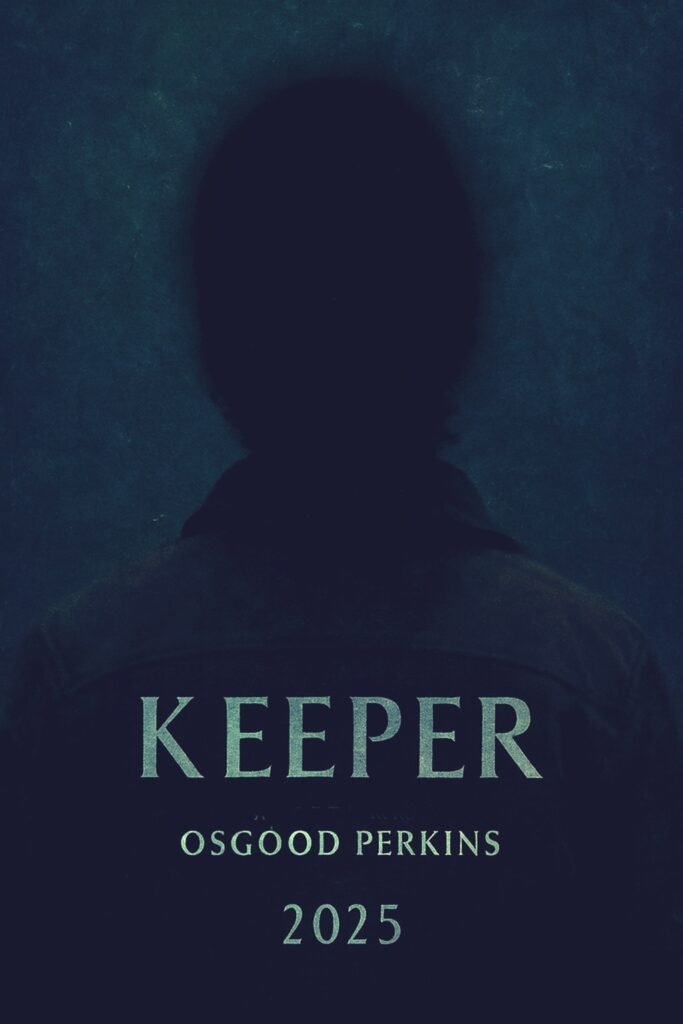
Introduction: Keeper
Keeper is a 2025 American folk horror film directed by Osgood Perkins, following his earlier work on Longlegs. Written by Nick Lepard, the film stars Tatiana Maslany and Rossif Sutherland, with Birkett Turton and Eden Weiss in supporting roles. At first glance, the premise feels familiar yet promising. A couple retreats to a remote cabin to celebrate their anniversary. However, unsettling behavior and unexplained disturbances quickly disrupt their escape. Moreover, the surrounding land feels oppressive, as if it guards something ancient and wrong.
Going in, I expected a slow descent into psychological and supernatural horror. After all, Perkins has built a reputation for crafting mood-heavy dread. Therefore, I anticipated something immersive and deeply unnerving. Instead, while Keeper shows flashes of potential, it ultimately hesitates when it should escalate.
A Return to Familiar Horror Territory
On the surface, Keeper signals a return to Perkins’ restrained and somber style. After tonal experimentation in The Monkey, this project feels more aligned with his earlier sensibilities. Consequently, marketing positioned the film as a tense, nerve-shredding experience. Initially, the atmosphere delivers. Perkins lingers on empty corridors, creaking wood, and dense forest shadows. Furthermore, the camera frequently frames the cabin as if it were alive and observant. These choices create a steady undercurrent of unease.
However, as the runtime unfolds, that unease rarely intensifies. Instead, the film stretches its tension without deepening it. As a result, anticipation gradually turns into impatience. Rather than building toward something inevitable, the narrative feels suspended in hesitation.
Atmosphere That Carries — and Then Stalls
Undeniably, atmosphere remains the film’s greatest strength. From the very beginning, isolation dominates every frame. Wide exterior shots emphasize vulnerability. Meanwhile, tight interior compositions trap the characters visually. In addition, the muted color palette reinforces emotional coldness. Natural lighting in outdoor scenes contrasts with shadow-heavy interiors. Sound design relies on subtle creaks and distant noises instead of loud shocks. Consequently, the film sustains a quiet but persistent discomfort.
Nevertheless, atmosphere alone cannot sustain a feature-length horror film. Scenes often linger without narrative progression. Instead of layering new revelations, the story revisits the same emotional beats. Therefore, tension begins to plateau rather than climb. Eventually, I found myself waiting for
Performances That Elevate Thin Material
Even so, the performances deserve genuine praise. Tatiana Maslany anchors the film with emotional credibility. From her first appearance, she conveys Liz’s unease with restraint and nuance.Importantly, Maslany avoids melodrama. Instead, she allows anxiety to simmer beneath the surface. Through subtle glances and hesitant pauses, she reveals Liz’s growing instability. Consequently, her performance adds emotional texture the script often lacks.
Similarly, Rossif Sutherland brings controlled ambiguity to Malcolm. At first, he appears steady and reassuring. However, small tonal shifts suggest something withheld. Sutherland avoids obvious signals, which maintains tension longer than the screenplay alone might manage.
Moreover, their chemistry feels authentic. Conversations crackle with suppressed frustration. Yet, despite their strong dynamic, the narrative never pushes their arc far enough. Emotional revelations arrive late and resolve quickly. As a result, the characters feel partially explored rather than fully realized.
Pacing Problems and a Predictable Script
Unfortunately, pacing becomes the film’s most significant obstacle. Slow-burn horror demands escalation. However, Keeper frequently drifts instead of tightening its grip. Long stretches pass with minimal development. Consequently, the central mystery becomes clear too early. Once that realization sets in, the remaining runtime feels like a prolonged confirmation rather than a discovery.
Furthermore, when explanations finally surface, they feel rushed and incomplete. Key ideas appear abruptly and disappear just as quickly. Instead of deliberate ambiguity, the ending feels underdeveloped. In addition, editing inconsistencies weaken impact. Certain transitions feel abrupt in a distracting way. Moments meant to unsettle sometimes land awkwardly. Therefore, technical missteps undercut the carefully constructed mood.
Final Thoughts
Ultimately, Keeper feels like a missed opportunity. All the ingredients exist for powerful folk horror: isolation, emotional fracture, and ominous landscape. Moreover, the performances remain consistently strong. However, the execution never fully coheres. While Perkins crafts moments of genuine unease, those moments never accumulate into something transformative. Instead, the film promises a chilling descent yet delivers a restrained murmur.
By the end, I felt more detached than disturbed. Keeper is not without merit, and it certainly is not incompetent. Nevertheless, it remains frustrating precisely because of its visible potential. In the end, it lingers less as a haunting experience and more as a quiet disappointment — a film that almost finds its voice but ultimately retreats into hesitation rather than horror.

Pingback: Longlegs Sequel News: Perkins & Cage Return