Michael Biopic Movie Review: Fuqua’s King Of Pop Film
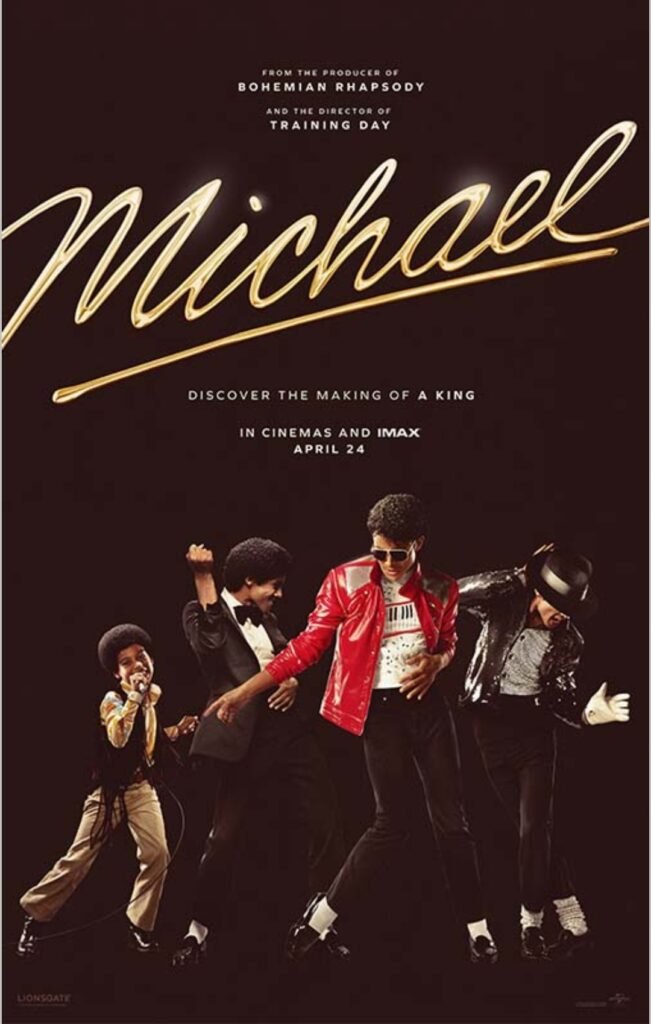
The Arrival of the Michael biopic (Warning Contains Spoilers)
Over recent years, music biopics have surged in popularity. Films like A Complete Unknown and Springsteen: Deliver Me from Nowhere prove this trend. Audiences now expect major icons to receive cinematic treatment and a film about the King of Pop will be inevitable. Now, Michael biopic explores Antoine Fuqua’s new take on this legacy.
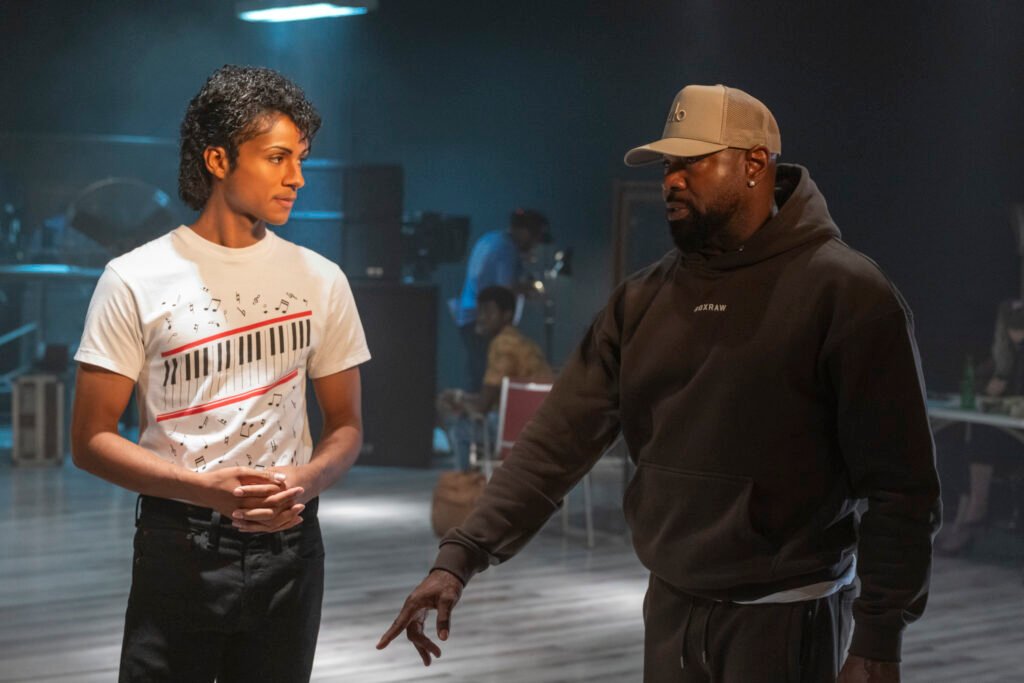
Fuqua, known for Training Day, directs the project. And, John Logan, writer of Gladiator, shapes the screenplay, raising expectations due to their strong reputations. A combination That raises questions about tone and intent.
Controversy Surrounding the Michael biopic review
There is quite a bit of controversy surrounding the Michael Jackson legacy. This was definitely a factor which influenced the initial responses toward the movie before its release. In particular, there were reports about massive reshoots for the film, along with Janet Jackson‘s refusal to participate in it.
Attention returned to past allegations surrounding Jackson’s later career. New documentaries, including the BBC’s Michael Jackson: An American Tragedy, reignited debate before the film’s release.
First Impressions in the Michael biopic review
I approached the viewing of Michael Biopic with an open mind because I was already aware that the movie would be based on Michael Jackson’s younger days. Michael rises through the ranks from a child actor to a worldwide phenomenon but stops just before he gets into trouble.
When it comes to visuals, Michael Biopic succeeds quite nicely. Antoine Fuqua offers up a slick and performer-centric approach to filming that culminates with set pieces.
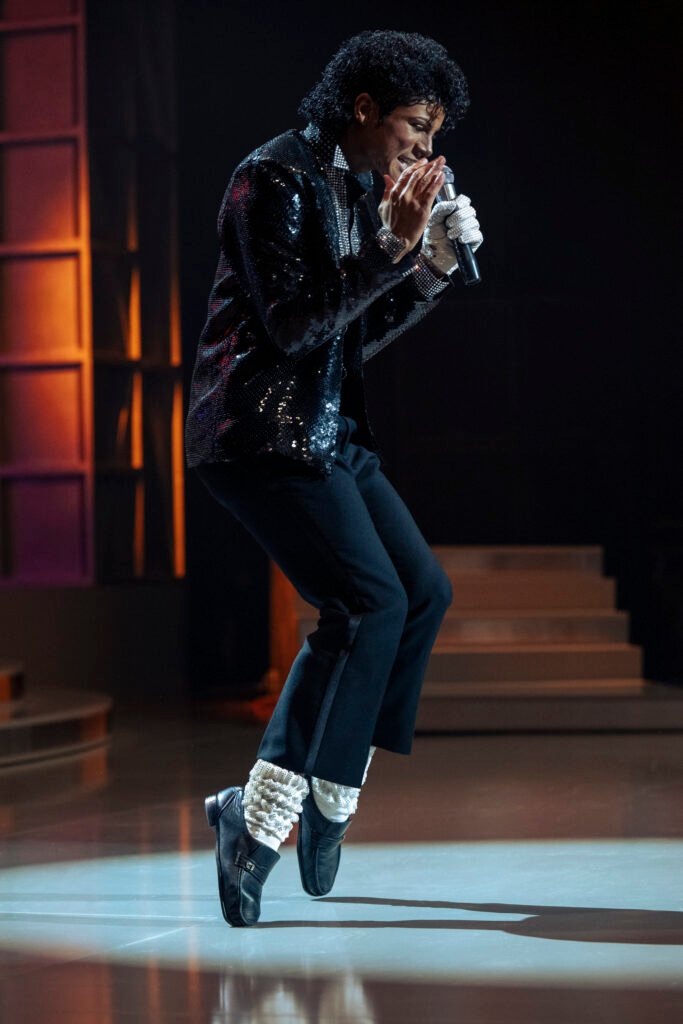
The camera moves along with the rhythm and the stage is always tightly choreographed. Combined, these help give off the energy that Jackson injected into his live shows.
Antoine Fuqua’s Vision
Fuqua’s style is more divisive because of narrative constraints. Since he tells the story of how Michael Jackson rose to fame, the film has a classic story arc. There is an emphasis in the film on success and ambition rather than complicated characterizations.
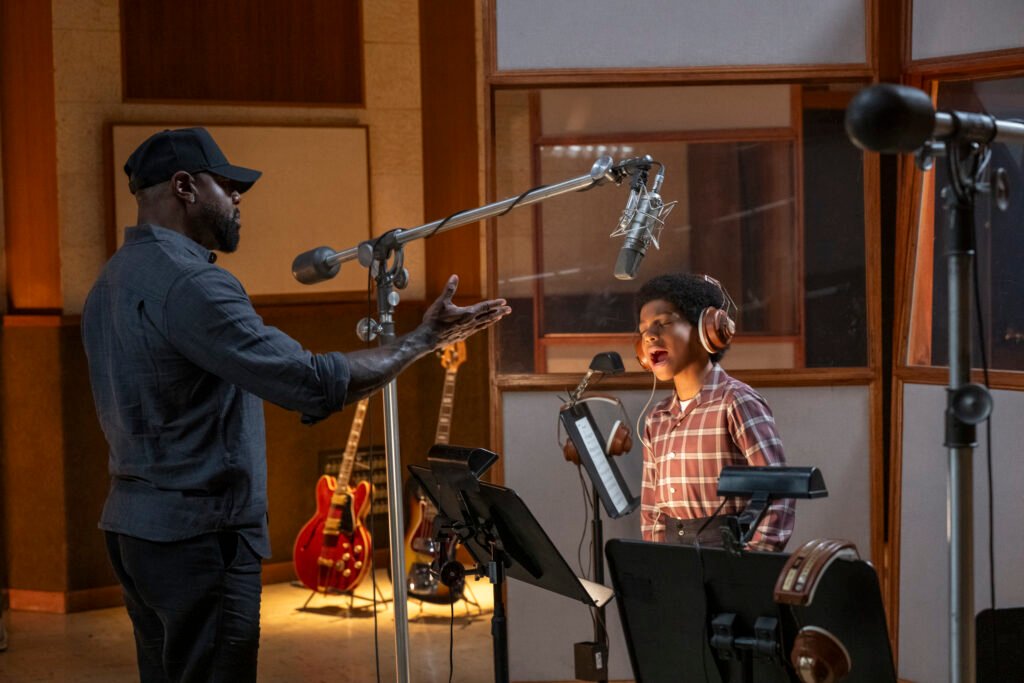
There is no mention made of any difficult or questionable elements in his life. Consequently, the narrative ends up having a selective and worshipful nature. From a stylistic standpoint, the movie embraces an immaculate style. Each shot serves to reinforce the significance of the imagery in the film. This includes the depiction of performances or important moments in his life.
In his previous movies Fuqua dealt with moral ambiguity and complex characters. However the director focuses on simplicity and reverence here. So the movie comes across more as an homage than as a character analysis. This is what makes Michael a spectacle rather than a complex character in the movie. On one hand, the movie succeeds when it comes to scope and culture. On the other hand, the story itself lacks depth.
Concert Highlights
The concert scenes are undoubtedly the highlight of the movie, and in these moments, Antoine Fuqua really shines through as a director, directing each scene flawlessly and confidently. Everything about his visual style influences how he edits and shoots each scene.
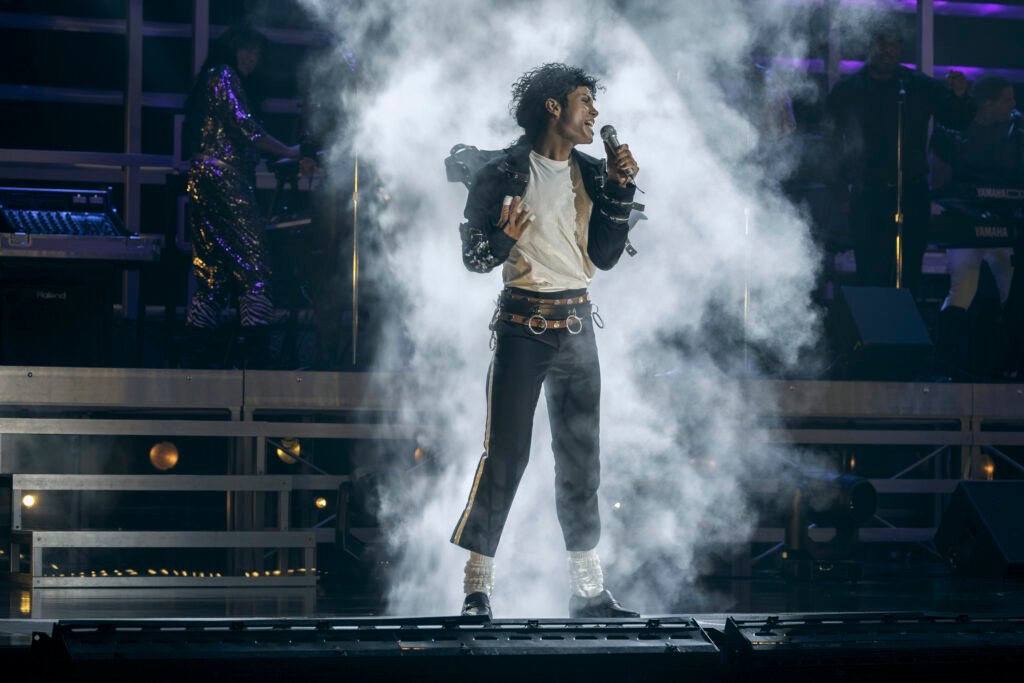
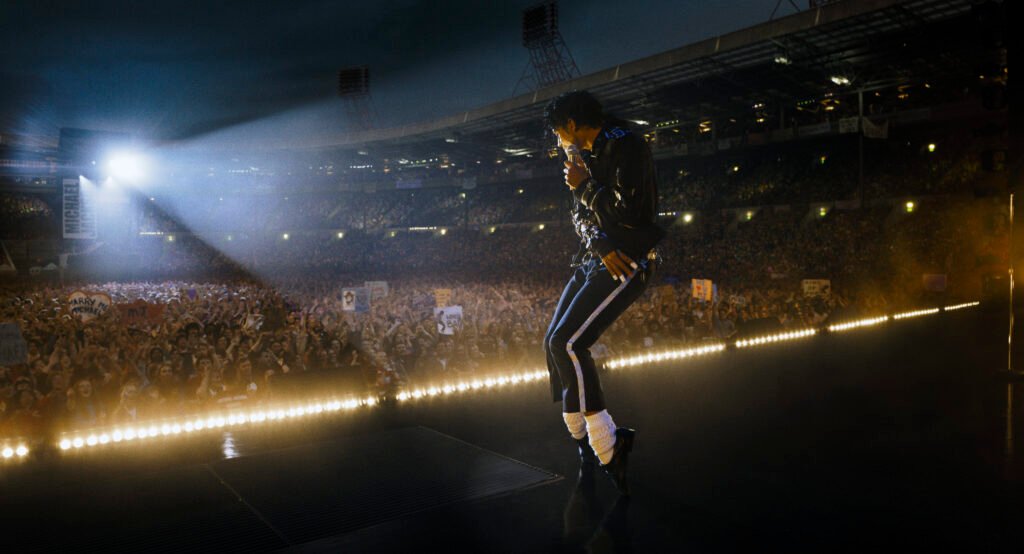
Everything is natural and deliberate in all performances. There are no too many cuts; scenes have the time to breathe when necessary, making an impression of live performance. The camera itself acts like an actor, moving around, following the actions. Sometimes, it takes the viewer into the midst of the audience.
Here comes the transition to iconic and mythic modes of representation. It is effective to combine the elements of intimacy and spectacle in this way since it works well with the lighting, costuming, and staging. Performances look highly stylized, calculated and not improvised; they look as Michael Jackson used to perform live on stage.
Themes and Meaning
The ideas within the movie Michael Biopic seem quite evident and clear. But it should be noted that the film expresses them with optimism. Therefore, these ideas seem to be formulated rather than analyzed. Within the framework of this movie, directed by Antoine Fuqua, we can observe ideas concerning ambition and artistry.
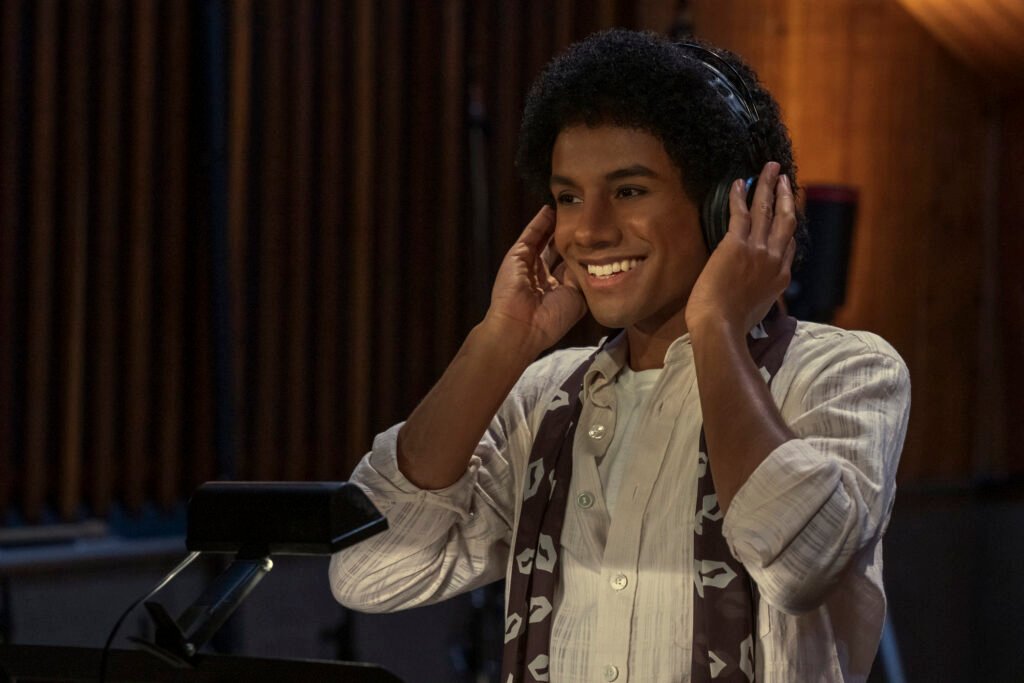
This notion is evident even in his childhood and family life. Control, expectation, and performance are always interconnected. The movie focuses on transformation, and how Jackson transformed from a child star into an international icon.
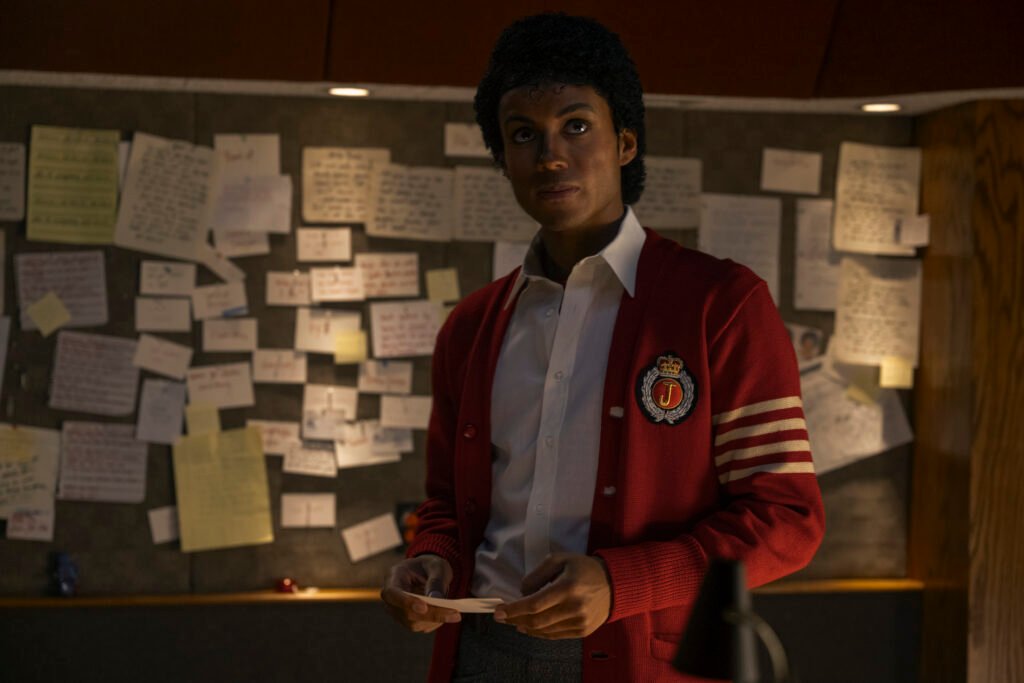
The movie shows indications of loneliness and the price of fame. It is apparent how success isolates Jackson from the rest of the world. But such instances are temporary and well-managed to prevent Fuqua from getting out of his comfort zone.
Performances in the Michael biopic
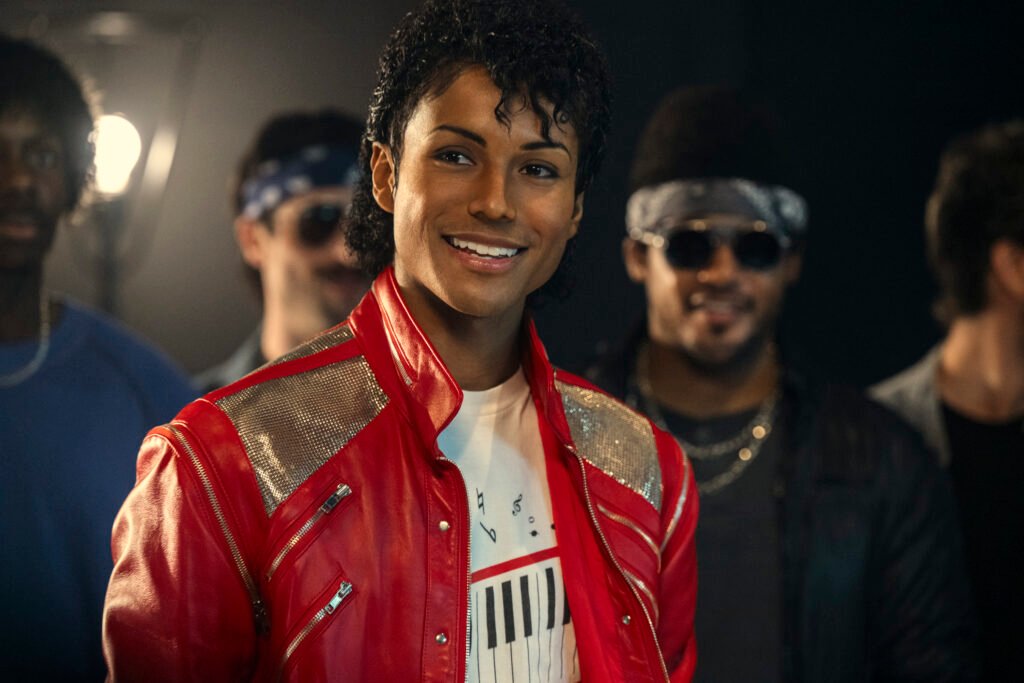
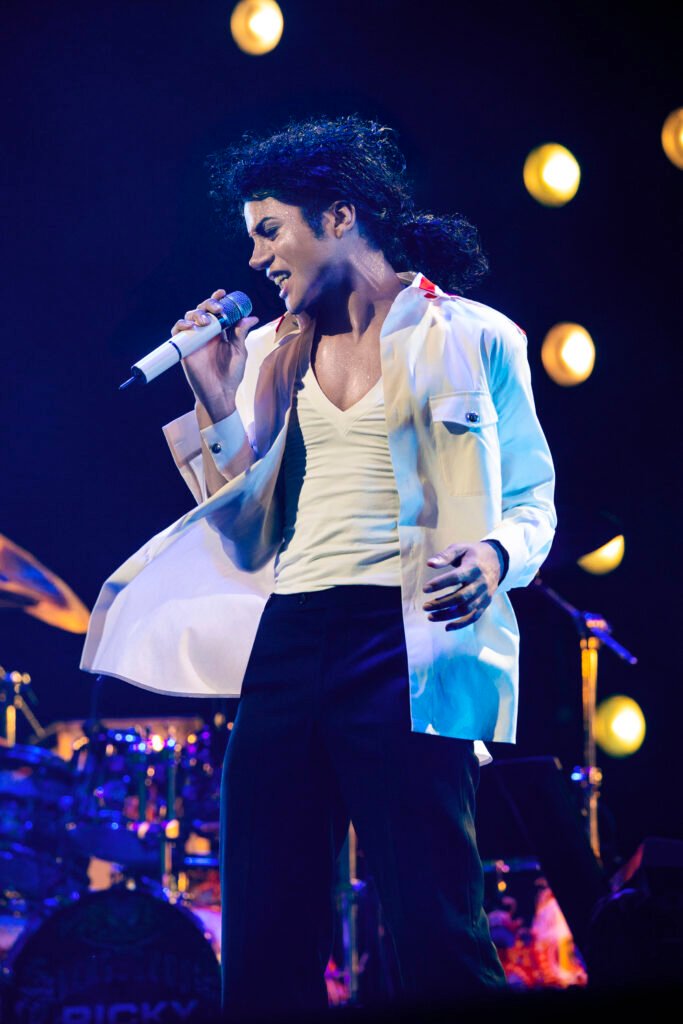
The performances are significant in the movie, Michael. The casting of Jaafar Jackson is particularly brilliant in this film. While at first it can be seen as being a mere gimmick, it soon turns out to be one of the cleverest things about the movie. He moves around so naturally that his performance appears to be realistic.
On the contrary, the scenes come out more reserved- following the style of the director Antoine Fuqua. In his style, Antoine Fuqua displays Michael as someone who is in control of himself and is quite introspective. For that reason, Jaafar Jackson uses understatement rather than big emotions.
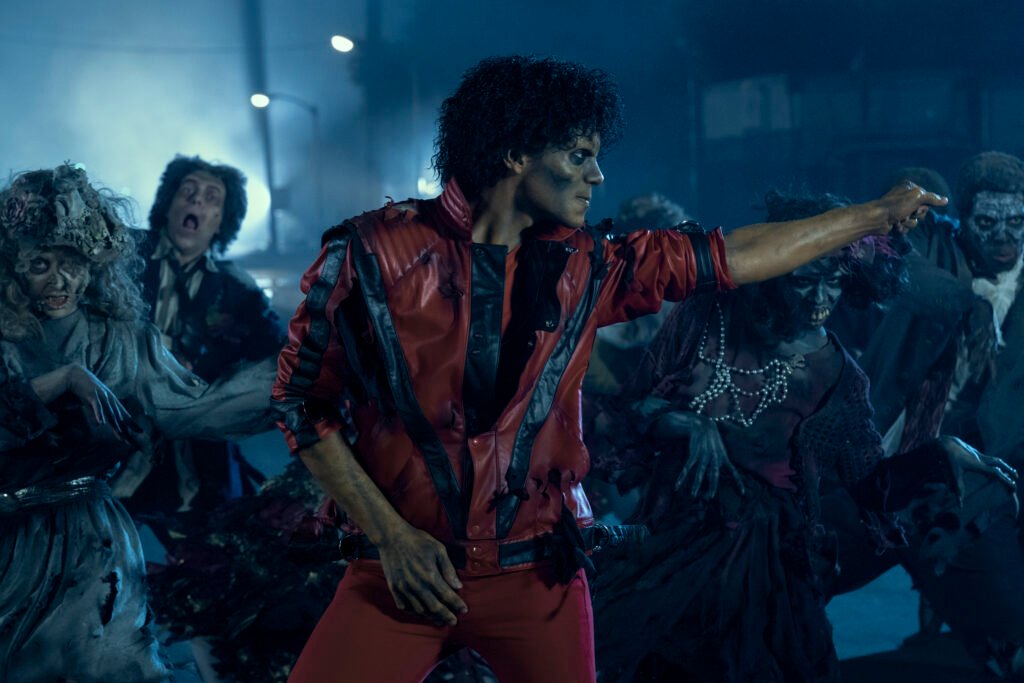
The connection to reality serves as an additional level. It may help in making particular scenes more intimate and symbolic. Family scenes become even more emotional, for instance. The connection never interferes with the performance itself. He achieves success on his own merit in the film.
In conclusion, the performance is one of the strong points of this movie. Instead of merely resembling, presence plays a key role. The movie becomes more realistic when it emphasizes acting.
Supporting Cast in the Michael biopic
The secondary characters add vital textures to Michael’s story. Among these characters is Colman Domingo who plays the character of Joe Jackson in his impressive way. He plays the character of the dominating and difficult father here.
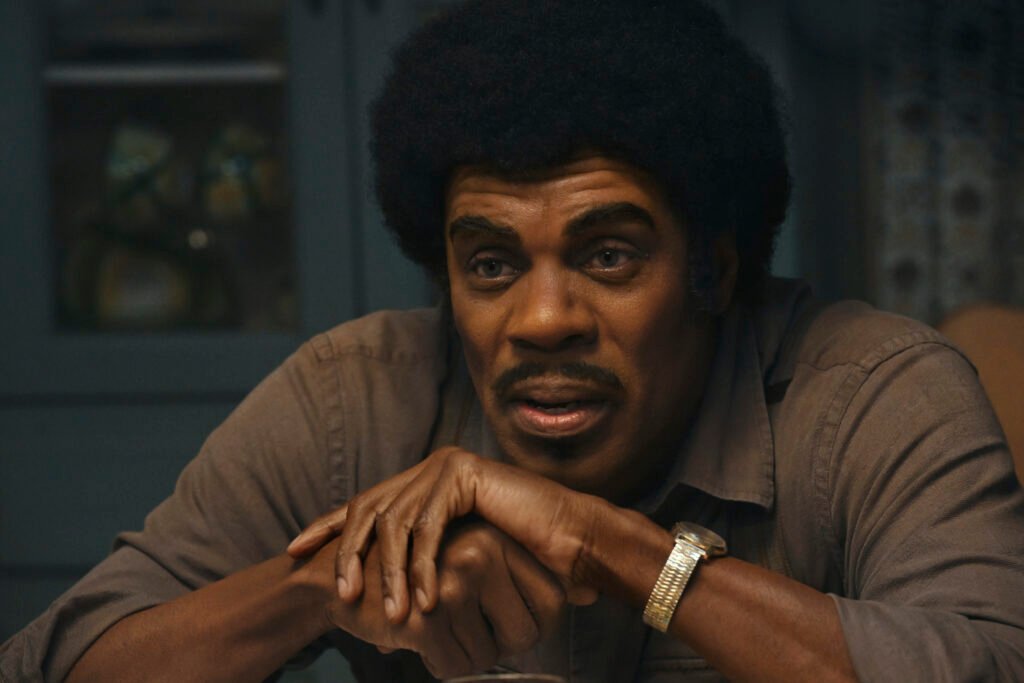
Instead of making Joe an unadulterated villain, he brings about some balance. In addition to his controlled performance, there is an element of intimidation and control associated with his character that gives him a realistic feel.
Instead, he opts for quietness and use of his voice rather than being aggressive. Through pauses, gestures, and facial expressions, he exudes control. His approach is reminiscent of Antoine Fuqua’s methodical direction style.
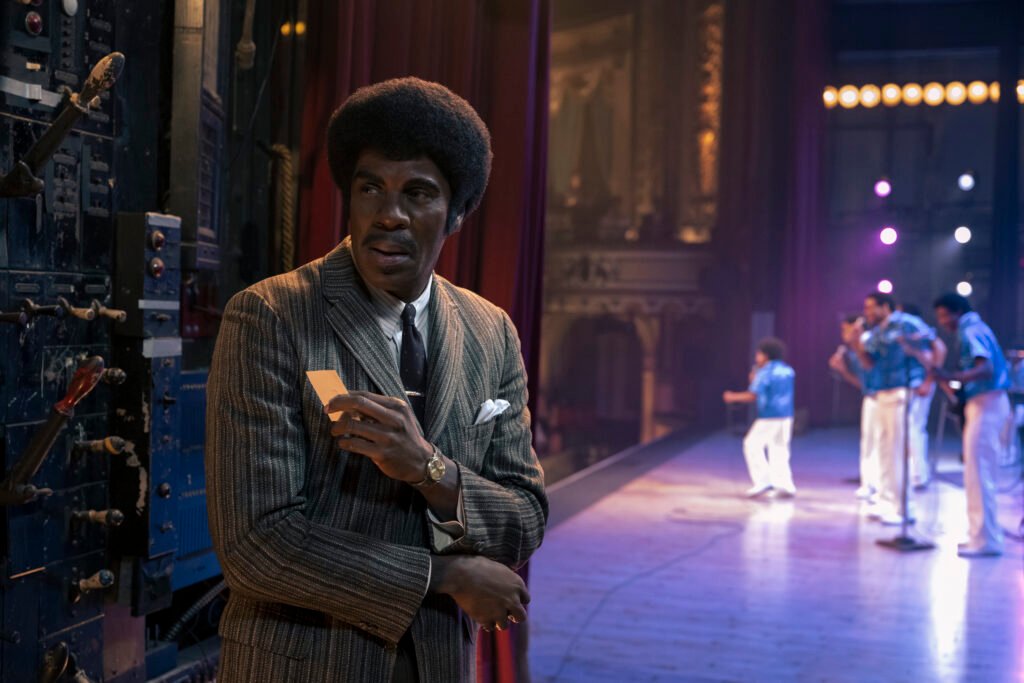
Michael Biopic prevents further analysis of characters. There is only some suggestion made about the nature of Joe’s character, such as his ambition and survival instinct. These traits never come into full play during the course of the movie.
However, Domingo draws an obvious parallel between Michael and Jaafar Jackson’s Michael. The latter’s Michael is a silent character with his feelings inside him. On the other hand, Joe is stern and authoritative.
Supporting Cast: Limitations
In Michael Biopic, the secondary characters function in relation to the main storyline. Nevertheless, the majority of the characters are undeveloped. Antoine Fuqua is concentrated on the success story of Michael. Other actors come into play whenever it is necessary for the storyline; however, they do not create an indelible impression on the audience.
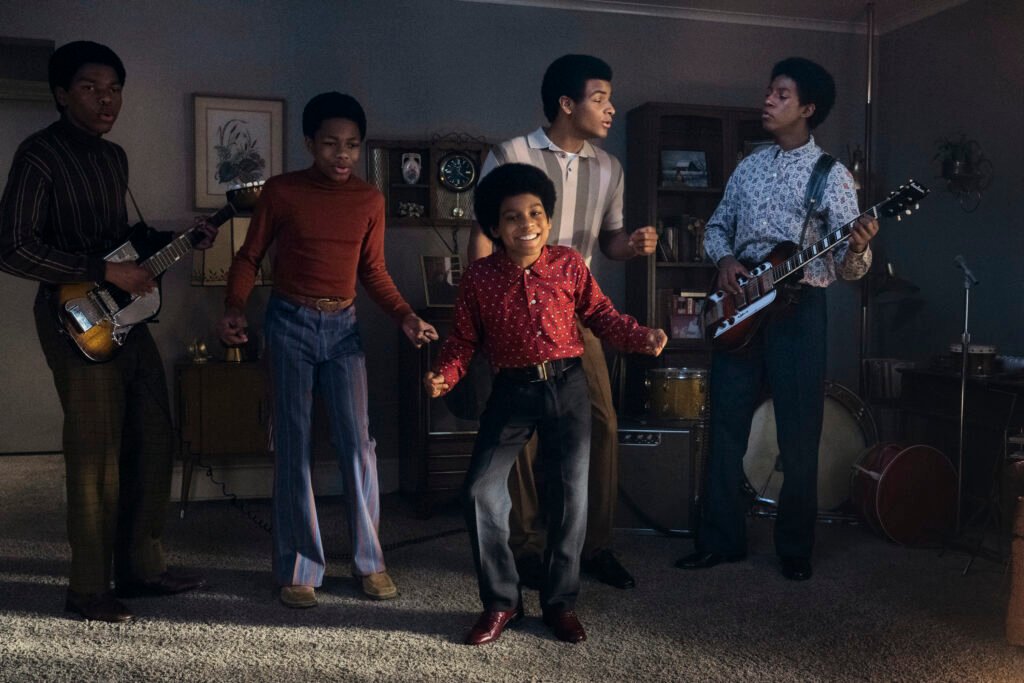
The problem is connected with the plot structure of the movie. The plot develops according to a simple pattern of rise to fame. Consequently, there is no room for subplots or development of characters. There is no room left for complications.
As a consequence, the outside world is thin.
It is due to the fact that there are people who have faces to be recognized. However, what matters is not the people but the script that confines them.
Pacing Issues
However, the pace in Michael Biopic is uneven and conflicting. In some instances, Antoine Fuqua successfully juggles two different tasks. Firstly, he provides ample time for important musical events. They frequently benefit from prolonged attention and elaboration.
The other problem is that it hastens more complicated aspects. Some emotionally charged and psychologically heavy scenes get passed over. Overall, the story is inconsistent in mood and content. But more than just being a problem of total duration, it is about how the film spends its time.
There is plenty of focus on performances and visual spectacles. They serve as elements that contribute to the atmosphere of celebrations in the movie. Nevertheless, the underlying themes get hardly any recognition at all. It can be said that the film is too long while at the same time being too underdeveloped.
Tone and Tension
In other instances, Michael Biopic seems to have an underlying element of darkness. Antoine Fuqua creates a sense of tension in both the family and industry contexts. There is always a feeling of tension, control, and ambition. The implication here is that success comes at a very high price emotionally.
Nevertheless, the movie fails to maintain this element of suspense. It soon shifts back into a much lighter mood. Music is usually used to depict unity. Consequently, conflict in such films is usually resolved through performances. This results in an extremely polished environment.
In this way, Michael Biopic creates a divided personality. In one respect, it alludes to more profound undertones. On the other hand, it favors simplicity and glorification. In doing so, Michael Biopic fails to follow either course entirely.
It is clear when analyzing important scenes.
For instance, the “Beat It” scene establishes the possibility of conflict. The presence of a gang creates an element of risk and uncertainty. But the problem gets sorted out in a swift manner.
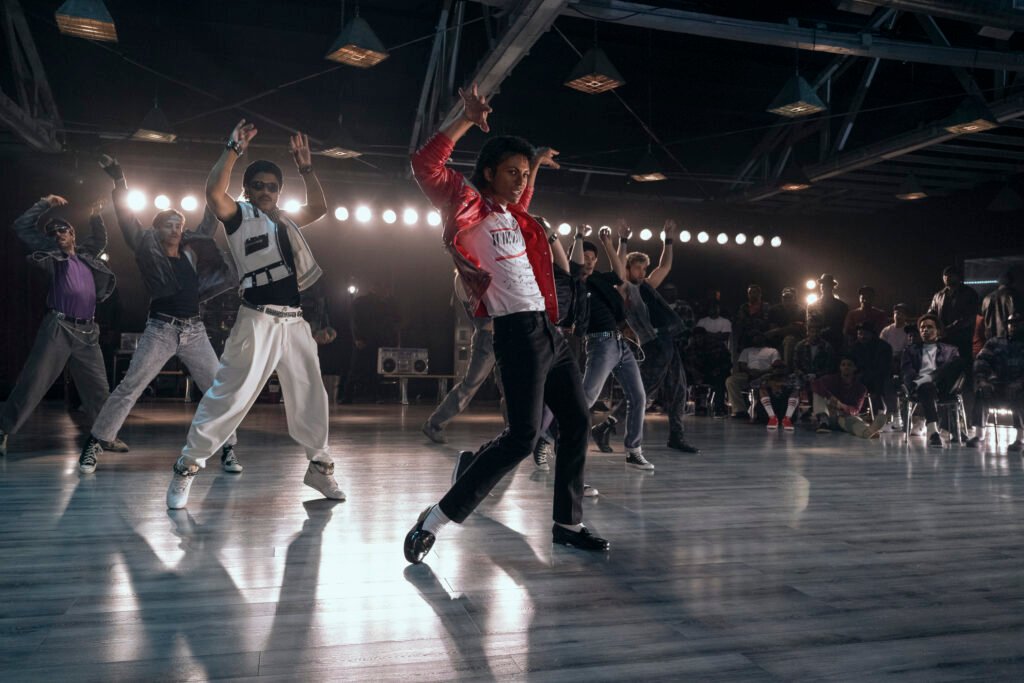
Fuqua takes advantage of this occasion to emphasize music as an agent of connection. Performance brings different parties into contact with one another. In that regard, the message concentrates on harmony instead of discord. Nevertheless, this makes the story less compelling.
Story-wise, this scene seems to be quite simple. The story does not move towards exploring the aspects of fear or conflict. Rather, it stays focused on reinforcing the themes of the movie. The music helps resolve conflicts all along.
This approach gives a particular tone throughout the film. It makes the entire plot positive and unified. But it deprives the audience of unpredictability and depth. Thus, the film proves that symbolism can replace conflict.
Strengths and Weaknesses in the Michael biopic
Strengths and weaknesses of Michael’s biography are highly related to one another. It is evident that director Antoine Fuqua strives for making his biopic flawless and heroic. Nevertheless, at the same time he deliberately refrains from creating a psychologically deep film.
Problems arise when it comes to structure and depth. The story is paced rather poorly, with some sequences appearing unnecessarily elongated. In contrast, the emotional moments are not explored enough.
The story often circles key themes without fully exploring them. These include family pressure, identity, and isolation.
However, the film keeps focusing on moments of performance. Thus, emotional growth is somewhat restricted.
In general, my reaction to Michael Biopic is quite conflicting. To begin with, Michael Biopic is successful as a performance-based biography since it features highly entertaining scenes. Most notably, the songs are exceptionally good.
However, as a character study, Michael does not work very well. This is because it refrains from delving into emotions more deeply, besides ignoring several important aspects of its subject matter.
On the other hand, Michael: The Biopic is a successful tribute to legacy. This movie focuses on performance and artistic achievements, but it gives us less knowledge about the man behind the mask.