Wicked: For Good (2025) Review – A Visually Grand but Emotionally Uneven Finale
Introduction: Wicked For Good (Warning contains Spoilers)
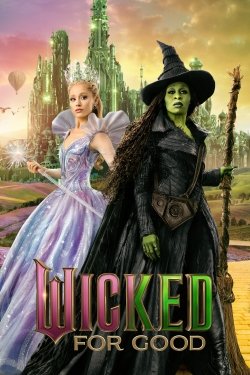
Wicked: For Good arrives as the long-awaited conclusion to the two-part adaptation of the Broadway phenomenon. Directed by Jon M. Chu, the film continues the story established in Wicked. After more than a year of anticipation, expectations ran high. The first installment delivered spectacle and emotional power. Therefore, this finale carried enormous pressure.
Unfortunately, while Wicked: For Good contains moments of beauty and ambition, it struggles to recapture the same magic. Instead of soaring, it often drifts. By the end, I felt thoughtful rather than moved.
Picking Up in a Darker Oz
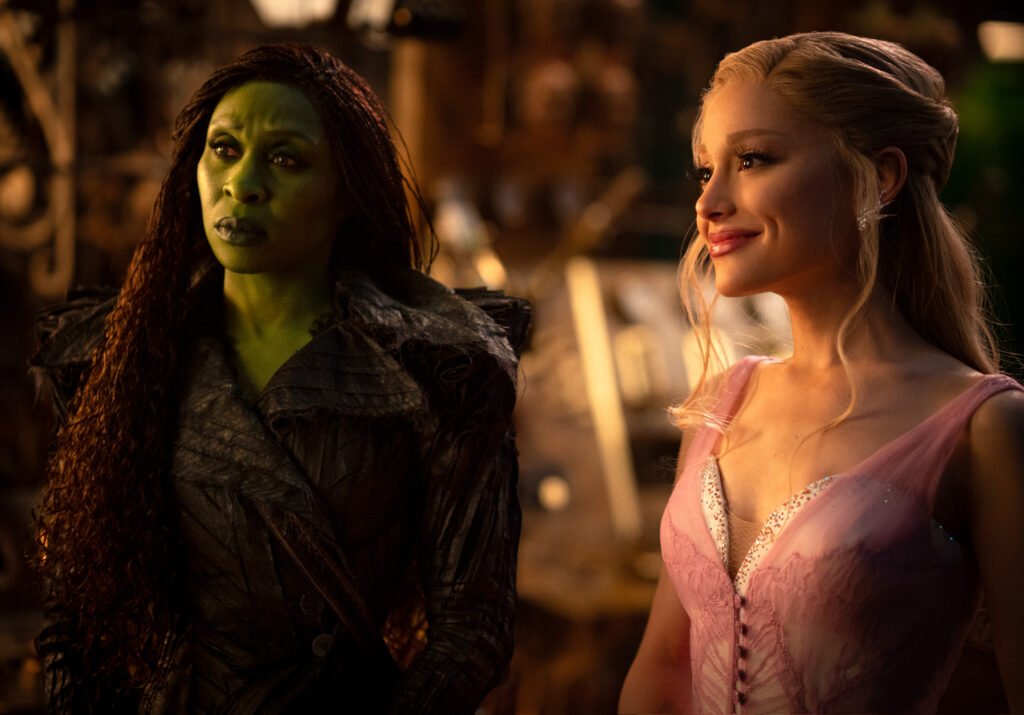
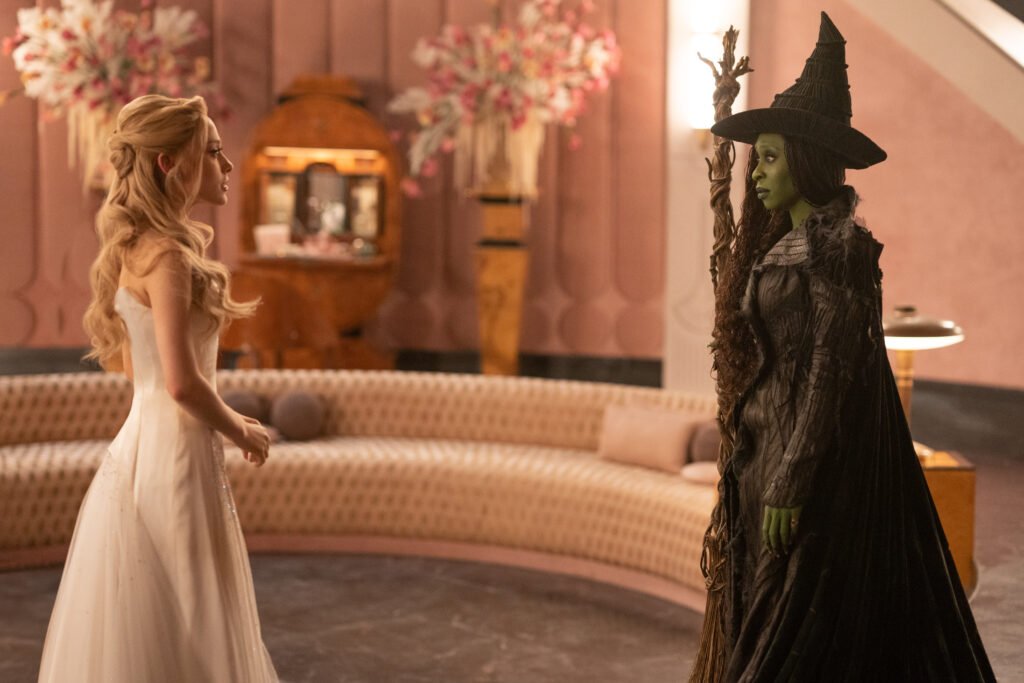
The story resumes immediately after Elphaba’s public fall from grace. Now branded the Wicked Witch of the West, she lives in exile. Meanwhile, Glinda embraces her new role as Glinda the Good. However, that transformation feels hollow beneath the glitter. Glinda smiles for cheering crowds. Yet she quietly supports a corrupt regime. Consequently, the emotional tension between the former friends becomes the film’s central conflict
At its core, this sequel explores love divided by ideology. That premise remains powerful. When the film slows down to examine their fractured bond, it works beautifully. Unfortunately, those quiet moments rarely last long enough. The pacing often interrupts emotional build-up. As a result, the film feels distant during scenes that should devastate.
A Shift in Focus That Alters the Emotional Core
One major change defines this sequel. The narrative shifts heavily toward Glinda. While that choice makes structural sense, it weakens the emotional balance. In the first film, Cynthia Erivo commanded the screen as Elphaba. Her intensity and vocal power shaped every scene. Here, her presence feels fragmented.
Elphaba still delivers strong moments. However, they appear less frequently. Consequently, her arc feels reactive rather than driving. Ariana Grande commits fully to Glinda’s internal conflict. She handles the vocals confidently. Moreover, she conveys subtle anxiety beneath polished charm.
Nevertheless, the material rarely grants her a show-stopping moment. None of the musical numbers match the cultural impact of earlier songs like “Defying Gravity.” Therefore, the emotional crescendo never quite arrives.
Performances That Shine and Falter
The ensemble returns with impressive talent. Jonathan Bailey, Ethan Slater, Bowen Yang, and Marissa Bode each contribute meaningful presence. However, several arcs feel underdeveloped. Nessarose’s transformation unfolds abruptly. Boq’s journey lacks sufficient buildup. Consequently, emotional transitions feel rushed rather than earned.
Most notably, Michelle Yeoh as Madame Morrible fails to convince. Her performance feels restrained and oddly disconnected. Madame Morrible should radiate manipulation and menace. Instead, she often appears flat. Because the villain lacks theatrical weight, the political tension weakens. As a result, the stakes feel less urgent than intended.
Spectacle That Overwhelms Substance
Visually, the film spares no expense. Elaborate sets and digital environments dominate the screen. At times, the scale impresses. However, heavy CGI creates artificial smoothness. The talking animals appear visually detached from their surroundings. Consequently, immersion suffers.
Editing choices further complicate matters. Musical numbers feature frequent cuts. Rather than allowing performances to breathe, the camera shifts constantly. This disrupts rhythm and emotional momentum. For a story rooted in musical theater, that approach feels misguided. Songs should anchor emotion. Instead, they sometimes feel abbreviated and fragmented.
Dorothy’s Absence and Structural Gaps
The decision to keep Dorothy largely off-screen mirrors the stage version. In theory, this technique preserves perspective. In practice, it creates narrative gaps. The film frequently references major events happening elsewhere in Oz. Yet it rarely shows them. Consequently, viewers must rely on prior knowledge of The Wizard of Oz.
That reliance feels limiting. Instead of expanding the cinematic world, the story leans on familiarity. As a result, the climax lacks momentum. When the narrative overlaps directly with the events of The Wizard of Oz, focus shifts away from Elphaba’s emotional arc. Therefore, the finale feels structurally uneven.
A Darker Tone That Never Fully Settles
This sequel embraces a darker aesthetic. Lighting grows dimmer. Themes explore oppression and moral compromise. While thematically logical, this tonal shift clashes with Oz’s inherent whimsy. At times, the film feels divided. One half pursues political allegory.
The other half clings to fantasy spectacle. Consequently, tonal consistency suffers. The pacing mirrors this imbalance. The first half lingers excessively. Meanwhile, the second half rushes through pivotal revelations. By the end, the conclusion feels more like an extended epilogue than a triumphant finale.
Final Verdict – Beautiful but Emotionally Muted
Wicked: For Good does not collapse under its ambition. However, it never reaches the heights of its predecessor. Strong performances, lavish production, and heartfelt intentions remain visible throughout. Yet pacing issues, uneven focus, and underdeveloped arcs dilute the impact.
Cynthia Erivo continues to ground the story with quiet strength. Ariana Grande brings sincerity to Glinda’s conflict. Still, the screenplay struggles to balance spectacle with intimacy. In conclusion, this finale closes the story respectfully but not powerfully. Fans invested in these characters will appreciate the resolution. However, the emotional electricity that once defined the journey feels subdued. The magic still flickers. It simply does not blaze.