GOAT: Redefining Greatness Through Heart, Humor, and High-Impact Animation
Introduction: GOAT (Warning contains Spoilers)
I entered the cinema unsure of what to expect. Furthermore the premise sounded risky and potentially gimmicky. However I expected something light and forgettable. Instead, the film delivered emotional depth and visual ambition. Additionally it blended sports drama, humor, and anime-inspired spectacle confidently. More importantly, it treated its story seriously.
From the opening scenes, the film establishes confidence. The world feels deliberate and fully realized. For example the characters pursue dreams with sincerity. As a result, the concept transforms into something powerful and grounded.
An Underdog Story That Earns Its Impact
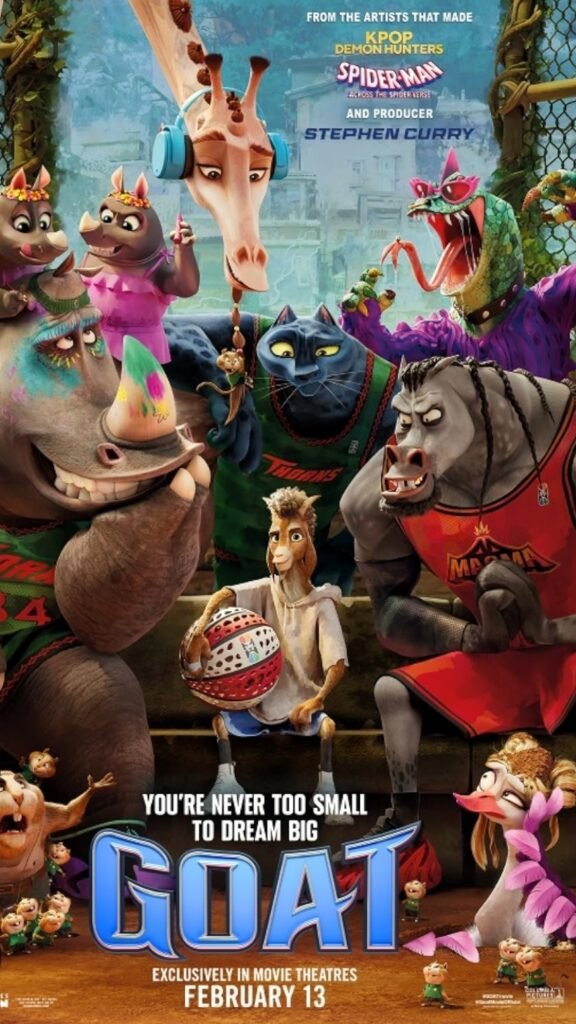
The story centers on Will Harris, a determined young goat. He dreams of becoming a professional roarball player.
Roarball combines basketball, rugby, and anime-style intensity. The sport feels chaotic, physical, and overwhelming. Will appears smaller and weaker than everyone around him. However, the film refuses to ignore those limitations.
Instead, it builds the narrative around them.
Will does not gain sudden strength or unrealistic dominance. He adapts, studies, and fails repeatedly. Consequently, his growth feels authentic and earned.
He joins the Vineland Thorns through persistence and awareness. Thus he earns respect through effort rather than spectacle.
Pressure, Self-Doubt, and Emotional Growth
The film explores Will’s internal conflict carefully. How he fears disappointment and rejection. He struggles with being viewed as a novelty. These insecurities ground the story emotionally. They make his arc relatable beyond sports.
Additionally, the pacing strengthens the emotional rhythm. High-energy matches alternate with quiet character moments.
These scenes allow reflection and development. Therefore, each success carries weight and meaning.
A Supporting Cast That Elevates the Story
The supporting characters strengthen the narrative significantly. Each teammate feels purposeful and distinct.
Lenny Williamson, voiced by Stephen Curry, offers mentorship and humor. He provides guidance without solving Will’s problems. His presence adds warmth and perspective.
Caleb McLaughlin delivers a nuanced vocal performance as Will. He captures vulnerability and gradual confidence convincingly. His voice work supports the character’s steady evolution.
Jett Fillmore, voiced by Gabrielle Union, commands authority and intensity.
She challenges Will instead of protecting him. Her strength enhances his development
Archie Everhardt, voiced by David Harbour, adds grounded realism. He begins as intimidating and distant. He gradually recognizes Will’s value through earned respect.
Together, the team dynamic feels authentic and emotionally cohesive.
Humor That Strengthens the Narrative
The film balances comedy and emotional stakes effectively. The humor arises from character interactions and physical exaggeration. It never undercuts meaningful moments. Younger audiences enjoy slapstick sequences. Older viewers notice commentary on sports culture. The film uses humor to enhance tension rather than distract from it.
Originality in a Franchise Era
The film stands out in a sequel-driven landscape. For instance it takes creative risks confidently. It blends sports storytelling with bold visual experimentation. The title works both literally and metaphorically. Will is a goat, yet the film questions greatness itself.
It reframes greatness as resilience and teamwork. Thus, the story challenges conventional sports narratives.
Animation and Visual Storytelling
Visually, the film embraces anime influence.
Directors Tyree Dillihay and Adam Rosette push stylistic boundaries. They use exaggerated motion and dynamic framing.
The camera moves aggressively during roarball sequences. Slow-motion shots emphasize emotional stakes.
Scale functions as a storytelling device.
Early scenes dwarf Will within massive arenas. Later framing moves with him confidently. This visual progression mirrors his emotional growth clearly.
Roarball as Narrative Engine
Roarball feels inventive and expressive.
It reflects players’ emotions and personalities. Every movement carries narrative significance. For example one sequence features a gravity-defying leap and precise pass. Hence suspense and humor coexist seamlessly. The sport never feels decorative or hollow.Instead, it drives character development consistently.
Themes That Resonate
The film examines greatness thoughtfully.
It critiques obsession with dominance and labels. For example it values resilience over perfection. Also it explores mental pressure and identity. And It emphasizes teamwork over ego. Additionally it celebrates incremental progress. Most importantly, it honors perseverance. By suggesting that greatness begins with effort and belief.
Music, Pacing, and Worldbuilding
The soundtrack reinforces emotional tone effectively. Energetic tracks elevate match intensity. And softer themes highlight introspection. The pacing balances adrenaline and reflection carefully. Making this world feel lived-in and coherent. Every element supports character and theme.
Final Verdict: A Confident and Memorable Achievement
GOAT exceeds expectations confidently.
For instance it combines humor, spectacle, and emotional sincerity. And delivers a meaningful underdog narrative. While minor pacing adjustments could tighten transitions, the film succeeds overall. Even more so it redefines greatness through heart and persistence. Thus leaving a lasting emotional impression.
Ultimately, the film proves that originality and sincerity still matter. Furthermore it stands as one of the most refreshing animated sports stories in recent years.