Paradise Season 2 Review: Bold but Uneven Sci-Fi

A Bolder Direction for Paradise Season 2 (Warning Contains Spoilers)
The second season of Paradise is like nothing that has come before, and that is no understatement. While season one was a tense thriller that played out in the confines of a bunker, season two has definitely been something else entirely.
This season, however, focuses primarily on sci-fi. This approach leads to an exchange of realism for wilder and more interesting concepts. In turn, this makes the entire season feel less contained and much more unpredictable. On the other hand, this does represent a definite risk.
Expanding the Story and Raising the Stakes
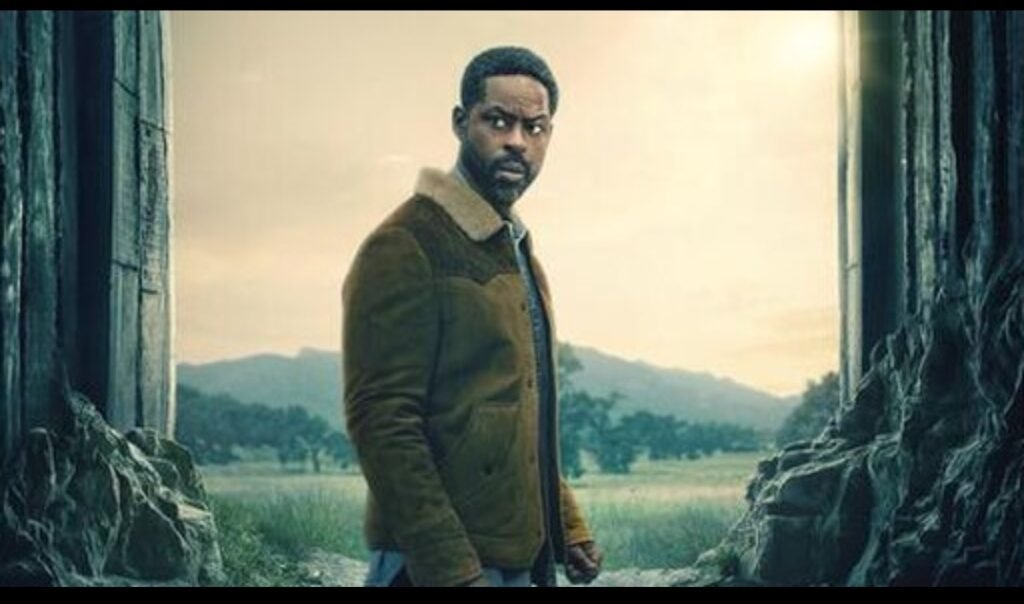
Season 1 was all about mystery and restraint. However, Paradise Season 2 is a game changer that shifts the whole series. The plot becomes more grandiose and complicated in its nature. Moreover, some aspects of the story make it high concept.
Survival-related themes become irrelevant, as the audience has to consider how to reverse apocalypse. Thus, the whole atmosphere changes, becoming more bold and occasionally even messy. Nonetheless, boredom is hardly an option.
This is clear from the success which has already been attained in its first season. Thus, the show has become more daring in its story-telling methods. All the ideas do not end up being successful. Nonetheless, it has aspirations for much loftier things than mere repetition.
A More Cinematic and Experimental Style
Paradise Season 2 is an intentional progression. Instead of carrying on in the previous style, it creates its own visual identity. In the past, Paradise was tight, restrictive, and small. Now, it expands visually and thematically.
The cinematography takes a cinematic approach to filming. For instance, it has expanded locations and more creative camera angles. Moreover, the environments have become more diverse, creating a sense of growth in the world.
Tone-wise, there is also an alteration of the series. In Season 1, the theme revolved around tense situations and politics. However, in Season 2, the series takes up a stylised tone of sci-fi. The series has been slowed down with more reflection being added into the larger picture.
The episodes have become more layered, just like putting together a puzzle.
Character Focus and Emotional Depth
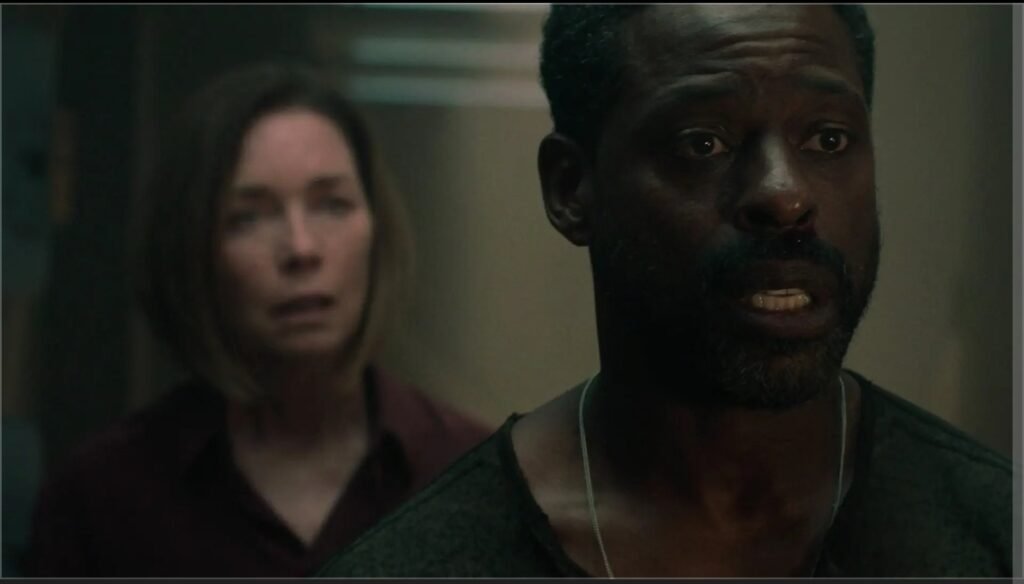
Moreover, character-based moments are a priority. Specifically, moments will be prolonged emotionally. It helps to create an internal atmosphere. Meanwhile, the plot is being developed outside the main events.
Nonlinearity comes into play. Consequently, the plot manipulates time and point of view. All these contribute to making the new season more adventurous. Nevertheless, it sacri
Storylines: Ambitious but Uneven
Both the storylines are deep but at the same time, they are rushed too. Firstly, the show digs into the themes and characters to great depths. This involves looking into motivations, back stories and emotional impacts of events. This makes some plot lines more developed.
As a result, the slowing down of the story allows it to move to greater depths. But this causes issues since it becomes difficult for the show to explore so many ideas.
Some plot twists come too fast and are just as soon forgotten. Thus, some stories do not develop properly. Furthermore, some plots have been devised to be explored in later seasons. All this makes the pacing uneven.
The writing feels like an overstretch, rather than bad. When it is good, it is great. When it is bad, it feels rushed.
Performances and Character Development
Backstory for characters enhances the show greatly. Hence, decision-making becomes emotionally heavier.
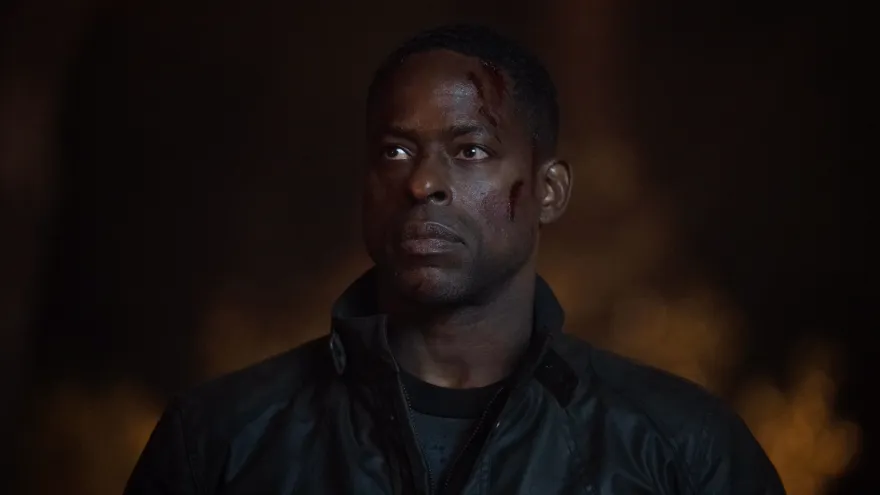
Sterling K. Brown continues to be the emotional center of the show. In addition, playing the character of Xavier adds an extra layer to his performance. He acts out conflict in a subtle manner.
Julianne Nicholson is also helped by better writing. She understands what her characterization of Sinatra entails. Hence, Sinatra seems like a man rather than an enigma. It helps explain her erratic behavior because there is more to her character.
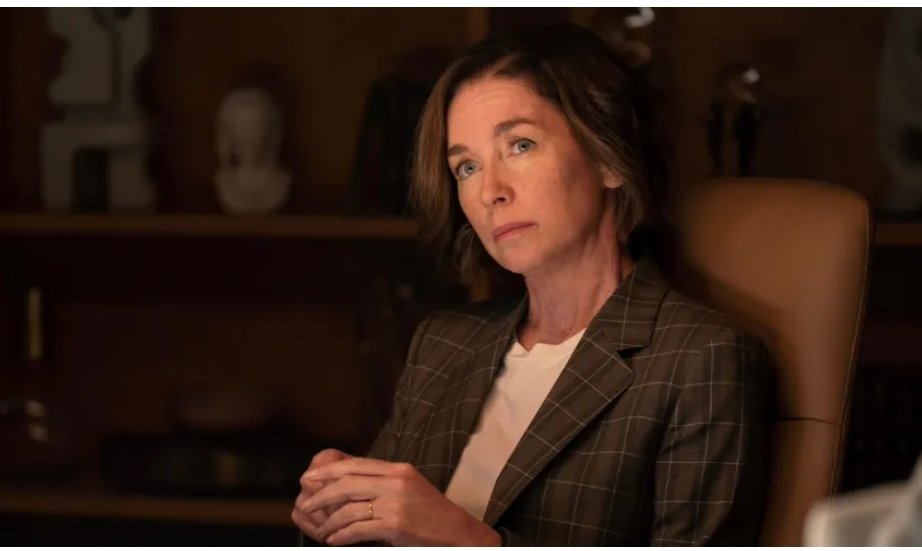
Enuka Okuma provides a strong counterbalance. Her dynamic with Xavier adds grounded energy. Their interactions create some of the most human moments. Especially when the plot leans heavily into sci-fi ideas.

Notably, character-focused episodes feel more complete. Therefore, pacing issues become less noticeable in those moments.
What Works and What Doesn’t
But the most powerful aspect is still the development of characters. More precisely, the additional back stories make the scenes more emotionally compelling. The acting remains good throughout. Thus, the series retains credibility despite the abstraction.
The most distinctive feature of the series is its ambition. It is evident that the series avoids any repetitions. However, such ambition disrupts balance. This is because as the scope increases, so does the pace of narration. Some story lines progress rapidly, while others take longer.
Additionally, the heavier sci-fi tone may divide viewers. For some, it feels exciting. For others, it removes the grounded tension.
Final Verdict on Paradise Season 2
Season 2 seems to be an ambitious, yet somewhat flawed, move forward. While it broadens the scope and builds on its character development, it lacks balance and pacing at times.
The development of the characters certainly stands out, especially considering how well they are portrayed by Sterling K. Brown, Julianne Nicholson, and Enuka Okuma.
Meanwhile, the larger narrative sometimes feels overstretched.
In conclusion, the season still manages to be intriguing. The success of this season is different from that of Season 1 in many ways. While it is not as refined, it is far more ambitious. Though lacking a few peaks, it creates a more complex world.
Ultimately, it leaves one wanting to know more.