Ready or Not 2 review
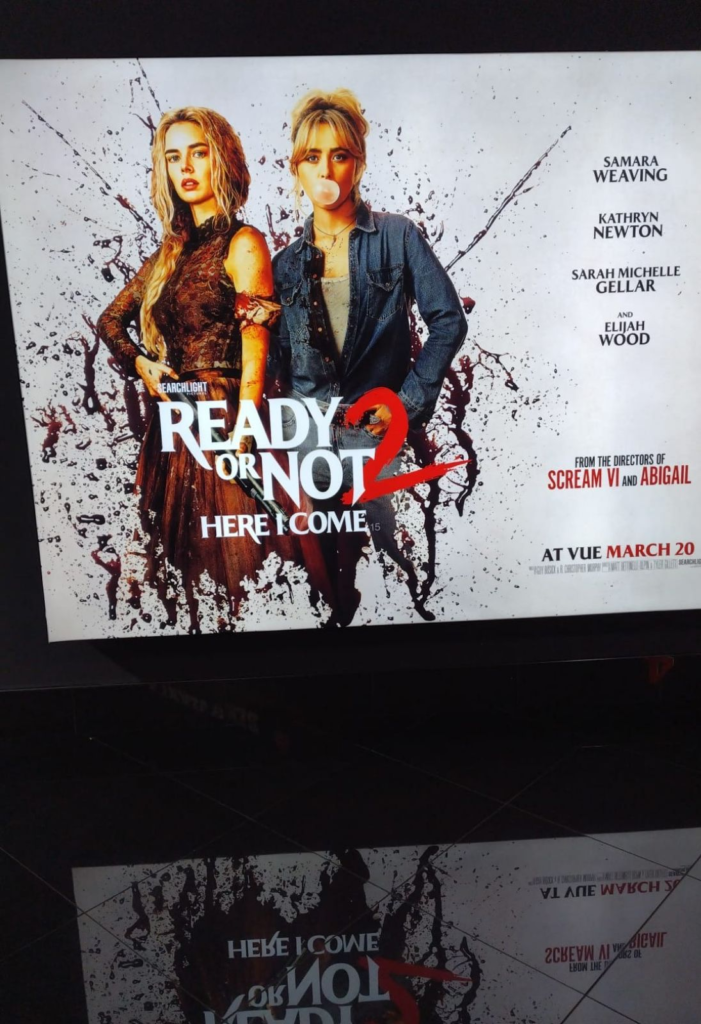
Introduction Ready or Not 2 review (Warning Contains Spoilers)
The following review of the Ready or Not sequel examines whether the sequel deserves its status due to the success that the first movie enjoyed. The idea behind Ready or Not sequel, known commonly as Ready or Not 2, seems logical when taking into account how well the first film did. The 2019 film, Ready or Not, did not turn out just any horror film but became a cult classic thanks to dark humor, satirical social commentary, and Samara Weaving‘s brilliant performance.
The movie did well commercially when considering its limited budget. In addition to that, due to positive word of mouth, the film enjoyed a long stay on streaming platforms, indicating that the audience still had interest in it. This is why the studios were sure about the viability of the franchise even though the plot was independent.
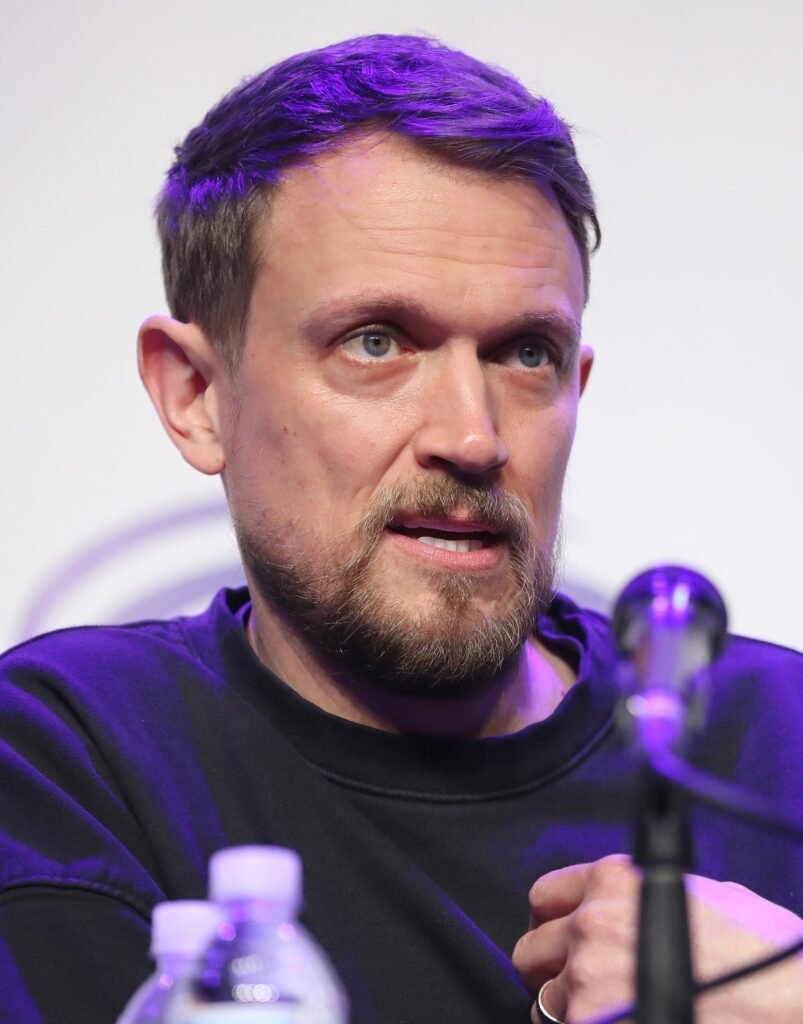
Creatively speaking, the directors Matt Bettinelli-Olpin and Tyler Gillett made things easier for the future. In the case of the ending to the first film, Grace is delivered a proper finale; however, the mythology was left unaddressed. Families being cursed, strange pacts, and money involved with rituals created potential for more films.
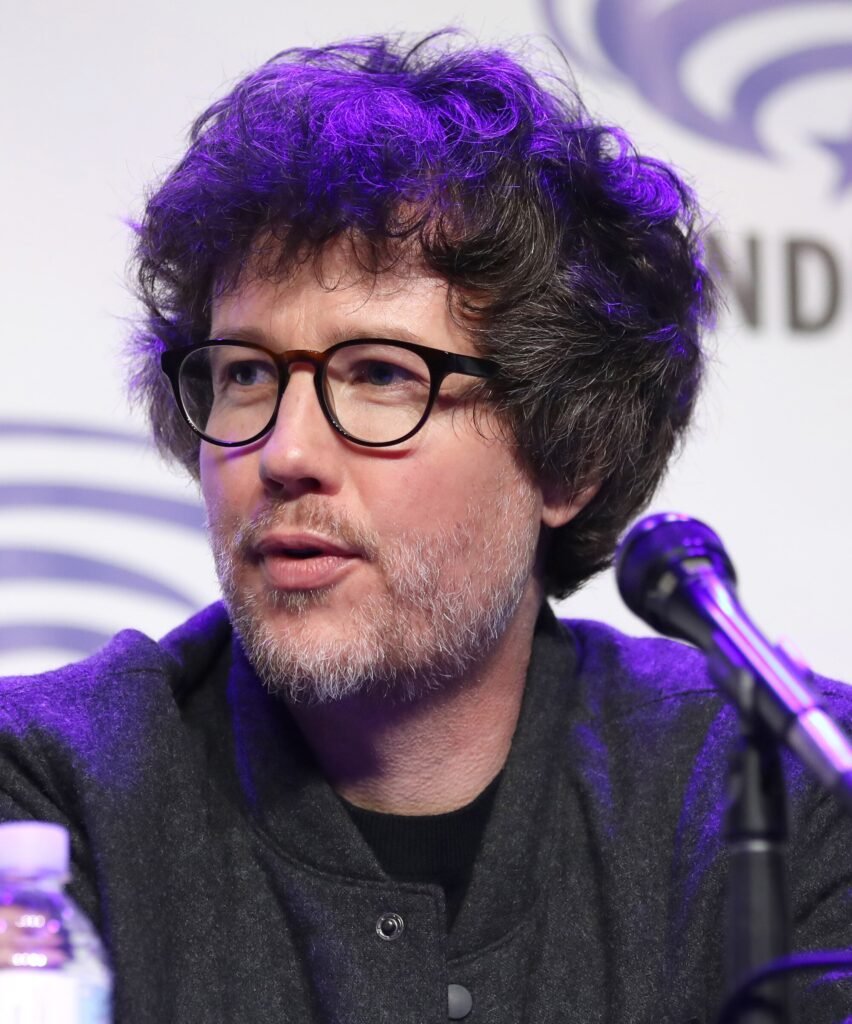
Timing was another reason why the sequel existed. Following Ready or Not, the Radio Silence team directed both Scream and its sequel. They were successful in these endeavors, which raised their status in the Hollywood film industry and gave them greater control over their work. It is easier for film studios to finance ideas from proven directors.
More story to tell
From a narrative point of view, there was sufficient content to play around with. For instance, the first movie was standalone but dealt with themes of class, family, and affluence that could be explored further through a sequel involving Grace’s life after the event or another family’s ritual altogether. There were also opportunities to incorporate more supernatural aspects as well as explore the ramifications of power.
In essence, however, this sequel is not made because it was necessary according to the story in the first one. Instead, it was due to the fact that the idea was very flexible and popular, allowing it to be explored again creatively.
Direction and Style
It is by design that Ready or Not 2 is on a grander scale than its predecessor. Gillett and Bettinelli-Olpin tend to increase their stakes, broaden their scope, and extend their tones rather than replicate them.
Whereas the first movie was tightly focused and controlled, with most action taking place within one isolated house. Tension built through cat-and-mouse scenes, tightly framed shots, and shifting tones. The camera was always close to Grace, making things more intimate. It made humor and horror mix well in a smaller space, so the horror became more shocking.
However, in the sequel, there is an adjustment in their instinctive approach to make things bigger. There is more speed in terms of scene movement, camera movement, and perspective shifts. This makes for a more intense atmosphere that creates a sense of being part of something greater.
The tone of the sequel is exaggerated. There is more use of humor and even horror in the sequel. The directors try to go farther with the elements that made the previous movie succeed. The sequel features some visual experimentation in the form of lighting and composition.
The rules were set in the first movie, while the second one expects that viewers know them by then. This is done on purpose since the latter feels much “bigger” than the former. The downside is that there is less intimacy and claustrophobia involved.
Themes Expanded in Ready or Not 2
Themes justify the need for a sequel rather than just the plot. The first movie was a satire against wealth, privilege, and moral decadence. Grace, who is an outsider, uncovers the exploitation and violence carried out by the family. In the sequel, this theme is taken even further as a study on institutional corruption. The Le Domas family represents an institution that has become corrupt.
The idea of survival over complicity in the sequel is another theme. Grace survived by going against the rules, but can she ever fully leave it behind?
The traditions that promote violence are criticized and developed further in the context of new families. Other versions of rituals indicate the presence of systemic violence outside of one particular family. Changing perspectives increase moral complexities. The outsider perspective in the first movie is replaced by complex characters’ relationships in the sequel.
Therefore, the sequel stretches core themes, exploring scale, morality, and systemic corruption. It feels bigger not only in spectacle but in conceptual depth.
Ready or Not 2 Review: Grace, Faith, and Character Dynamics

The character of Grace, played by Samara Weaving, continues to act as the anchor in this story. The addition of a sister was risky in this regard because it threatened to overshadow the character of Grace. On the other hand, Faith, played by Kathryn Newton, is a re-telling of Grace’s story, not an alternative to it.
Faith changes the emotional texture of the film. Trust, history, and conflict enrich the story beyond life-or-death tension. Grace can display protectiveness, frustration, and guilt while Faith adds fresh energy. Radio Silence carefully manages ensemble chemistry. Faith doesn’t compete with Grace but extends her thematic journey. She represents normalcy and moral perspective that contrasts with Grace’s experience.

Structurally speaking, Faith acts as a partial proxy for the audience member. Grace is in the know, whereas Faith behaves as an inexperienced participant. This way, Grace’s character gains both depth and significance, making the audience care more. The sister relationship improves the movie without making it weaker.
Expanded Cast: What Worked and What Didn’t
Adding actors like Sarah Michelle Gellar shifts energy immediately. Her legacy horror presence adds weight without needing excessive screen time. Elijah Wood contributes unpredictability, both harmless and unsettling simultaneously.
Shawn Hatosy grounds the chaos, keeping the story believable amidst spectacle.
While some of the characters might appear underutilized from time to time, most of them tend to leave an indelible impression. The cast is effective in bringing life to the world, although the larger cast can sometimes become overwhelming to the primary storyline. The acting is consistent throughout all the performances.
Pacing, Action, and Horror
This first part is very well-focused and engages the viewer right away. The inclusion of Faith changes the pace in a positive way. The last part drags a bit because of the size, complexity, and scale of events involved. The tempo becomes somewhat choppy at times, which takes away some of the tension in certain moments.
Grace becomes more proactive and tactical than reactive. Horror comes into play through the fight scenes and gore.
The cost, however, lies in the fact that the sequel has lost some of its intimacy. While spectacle abounds, at times the tightness of the pacing and the claustrophobia of the suspense are missing.
Overall Opinion
Ready or Not 2 is a brave, ambitious and instantly engaging film. Grace becomes a tactically-driven lead role, as Faith brings more depth and gravity to the film. The sequel improves its concepts, graphic violence, and black humor. Sometimes the pacing and scope feel off but the casting stays impressive and strong.
As it adds to the previous concepts of the movie, Ready or Not 2 doesn’t become repetitive and succeeds in delivering a fresh take on its predecessor. For those who enjoyed the first one, it is an entertaining follow-up that offers something bigger and crazier.