
Dark Winds Season 4 Review: Worth the Wait?

Dark Winds Season 4 Review: Navajo Crime Drama Goes Urban
Dark Winds has always been an extraordinary series from a crime perspective. It is slow, atmospheric, and entrenched in culture. With Season 4 comes not only a rising reputation but survival in the face of adversity. This Dark Winds Season 4 review delves into whether the change was worth it.
The TV series was inspired by the novel by Tony Hillerman, called Leaphorn & Chee. They feature Navajo Tribal Police who investigate crimes in the American Southwest during the seventies. Such literary inspiration makes the series incredibly rich. It combines elements of detective storytelling with a profound sense of identity and history. The show’s atmosphere and its authenticity were crafted by George R. R. Martin and the late Robert Redford.
But then, the future of the show was never assured. Similar to many shows in today’s uncertain television industry, renewing wasn’t always a certainty. The death of Redford further complicated things. Thus, Season 4 is unique, being reflective and appreciative to have made it.
A Bold Change of Scenery
One of the most noticeable shifts involves the directing choices. Much of the story moves away from the reservation into a more urban setting. In earlier seasons, the wide, quiet Southwest landscapes were part of the storytelling itself. They gave the show its deliberate pace and deep sense of isolation. This season, that changes entirely.
The city brings a different kind of energy. Scenes feel tighter and more enclosed. There is less open space for moments to breathe. The editing adopts a quicker rhythm. As a result, the characters are being pushed rather than moving at their own pace. Joe Leaphorn and Jim Chee are no longer on familiar ground. The direction ensures the audience feels that disorientation alongside them.
Furthermore, this shift is not just visual — it is thematic. By moving into the city, the show explores identity and authority beyond the reservation. The directors seem more willing to experiment here. They use the unfamiliar setting to test both characters and tone. Whether that works will depend on what viewers value most about the series.
Moving part of the story to Los Angeles feels like more than a one-season shake-up. It opens the door to a wider scope. Earlier seasons, rooted almost entirely on the reservation, deliberately avoided this. Up to now, Dark Winds has thrived on tight, specific, culturally grounded storytelling. Expanding outward suggests the creators are testing how far that core can stretch.
It also signals real confidence. Shows uncertain about their future usually double down on what already works. Here, the decision to shift settings feels like long-term thinking. A city like Los Angeles brings different kinds of stories. These include layered crime networks, institutional power, and Indigenous characters navigating unfamiliar spaces. Additionally, Hillerman’s novels do branch out in scope over time. This could be the show echoing that evolution rather than staying static.
Character Takes Centre Stage
Season 4 leans into character more deliberately than any previous season. Earlier seasons balanced plot and atmosphere carefully. This time, the themes feel deeply personal. The cases exist to push the characters inward rather than simply forward.
A sense of reckoning persists for Leaphorn. This narrative relates to issues of consequence and responsibility. It is about how far into the past one must look before making every decision. This takes on an added significance because of the urban landscape. Leaphorn’s usual air of confidence begins to falter here. A new vulnerability becomes evident in him, in that he does not always know what to do.
But for Chee, there seems to be an increase in his feeling of being caught between worlds. His identity has always been formed around this dichotomy of culture versus change, yet the environment has heightened this dichotomy tremendously. In fact, this season offers Chee a way of stepping out of the shadow of Leaphorn and making decisions based on what kind of man he wishes to be.
Interestingly enough, their character trajectories start becoming parallel. They both go through their own identity crises; yet Leaphorn moves backwards, while Chee moves forward. This parallelism makes the episode highly emotional. The series doesn’t feel like a regular crime show anymore – it seems more like the analysis of two men’s transformations.
The Performances
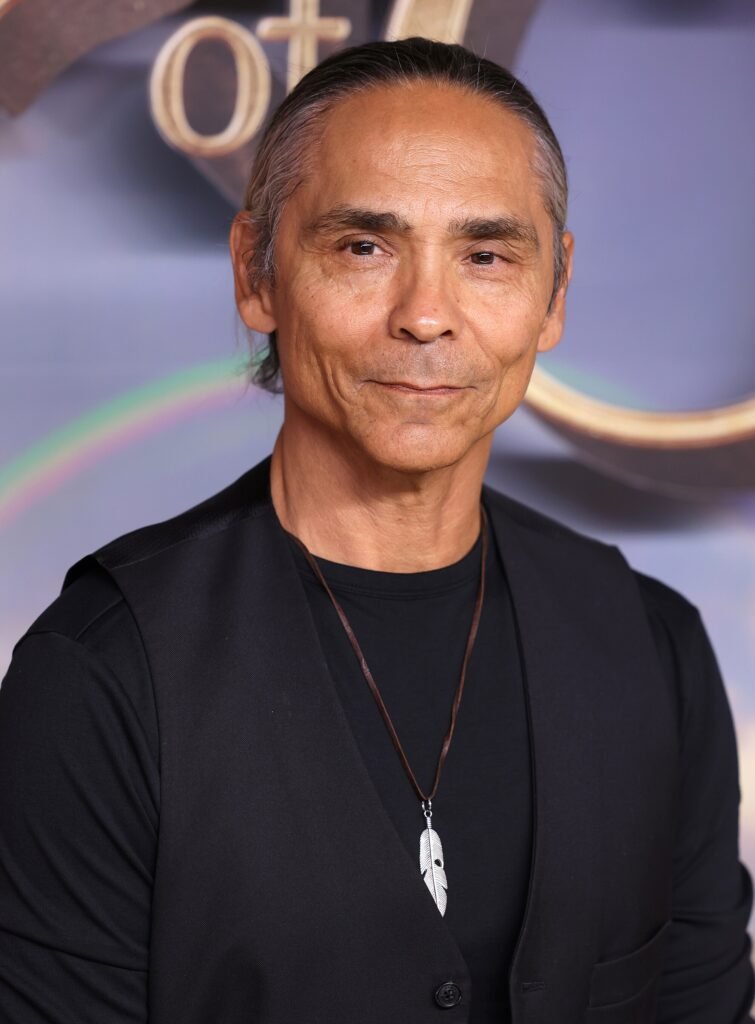
Zahn McClarnon once again, he shows us why he is essential to this show. The way that Zahn McClarnon portrays Leaphorn is always very subtle. However, it is for this reason that his performance is so good. Zahn McClarnon does not go overboard with his character. Instead, you get a sense of how much Leaphorn has been through right under the surface.
It is particularly necessary during this period. Being put in new environments that require one to think deeply, McClarnon immerses himself in reflective work. The man fully embodies Leaphorn; it is not just about being a policeman, but someone who is a product of his upbringing, his culture, and hard decisions. It never seems like an act, but rather like who he is.
Chee And Bernadette’s Journeys.
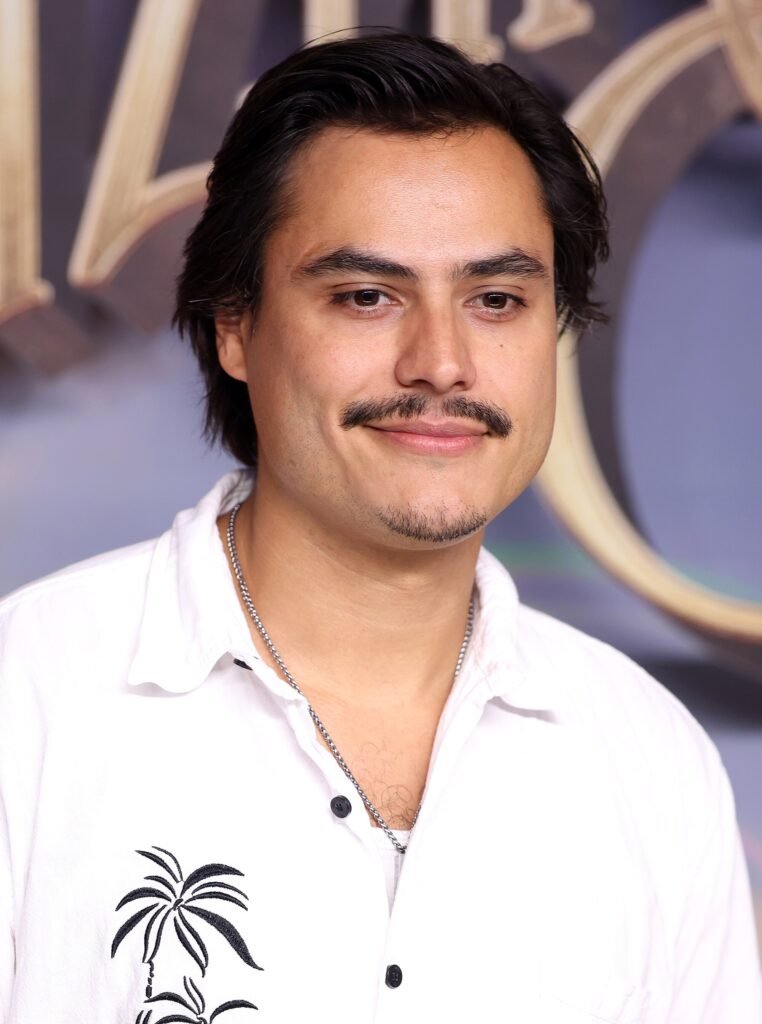
Kiowa Gordon is provided with even more to play with this season. The plot of Chee is anything but simple. The character struggles with his own personal issues, problems of his past, and bad choices. Chee is often very hard to like because of that. Nevertheless, these flaws make his performance much more authentic.
Rather than downplaying it, Gordon takes this approach. He lets Chee experience discomfort, making it all the more meaningful for when the character reaches his eventual redemption. The inner conflict is very apparent. When the show tries to resolve his situation later on in the season, it feels well-earned.
Jessica Matten also gives a remarkable performance as Bernadette. The arc of her role is especially gratifying considering all that happened to her during the previous season. The thing about it is how gradual her transformation from a self-conscious and insecure woman into a confident one takes place. Matten always builds on the slow but steady progress of the character. As a result, by the season’s end, she becomes one of the most grounded people in the entire story.
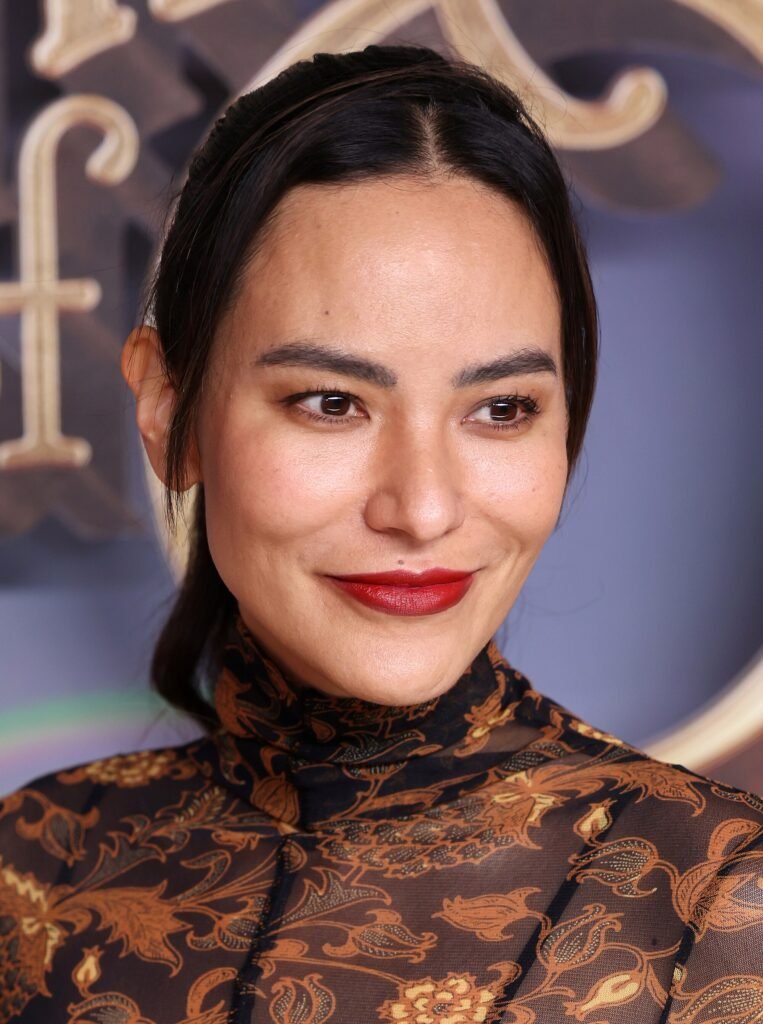
This is especially important in the context of how she interacts with Chee. While he struggles and stumbles about, Bernadette lends her guidance. This aspect is handled superbly by Matten; she remains compassionate but at the same time, not passive.
Guest Stars Bringing Interesting Villains
Franka Potente‘s character offers an unusual twist to that of the villain. She doesn’t play it as a villain per se but does so in such a controlled fashion that her portrayal becomes quite unsettling. Her character doesn’t intimidate through overt means; rather, she intimidates through control. It is almost as if there is danger lurking underneath all that coolness.
The performance by Potente is in line with the tone of the show but is not without distinction. She portrays a character who can be considered a victimized villain rather than a mere villain. More importantly, it is a guest appearance which adds to the storyline rather than just following it.
With minimal screen time, Titus Welliver leaves a lasting impact. His portrayal shows strength from the very first moment. The essence of his character is conveyed within mere scenes. From the beginning, you know the kind of character he plays. He’s a man of few words, controlled, and possibly threatening without being obviously so. What’s even more interesting is the placement of his character in relation to Leaphorn. There’s definite chemistry brewing between the two.
Verdict
In conclusion, this review is largely positive when discussing the fourth season of Dark Winds. This season manages to elevate the central theme of the show through its characters and storylines. Introducing an urban backdrop such as Los Angeles offers a different dimension of storytelling that tests Leaphorn and Chee in unprecedented ways.
The emphasis on character development this season is highlighted by exceptional acting from all the performers. The actors Zahn McClarnon and Kiowa Gordon set a solid base for the drama through their remarkable acting abilities. Jessica Matten and Franka Potente make impressive contributions, while Titus Welliver’s contribution as an extra actor deserves attention.
Nevertheless, there are some sacrifices that have to be made in the process of change. First of all, the absence of the atmospheric scenery may make the TV series somewhat detached from reality at certain points. Second, some audience members might get disoriented because of the rapid pace and crowded atmosphere. Furthermore, Chee’s moral complexity is not easy to understand and appreciate, which can be frustrating as well.
Ultimately, however, Season 4 of Dark Winds demonstrates that this show is not simply a Navajo crime procedural. Rather, it is simultaneously a character examination, cultural exposition, and suspense thriller. While there are many elements here that could have gone terribly wrong, the actors’ performances and narrative approach ensure that this season remains firmly rooted despite everything going on. Dark Winds is far from out of ideas.