Fuze (2026) Review
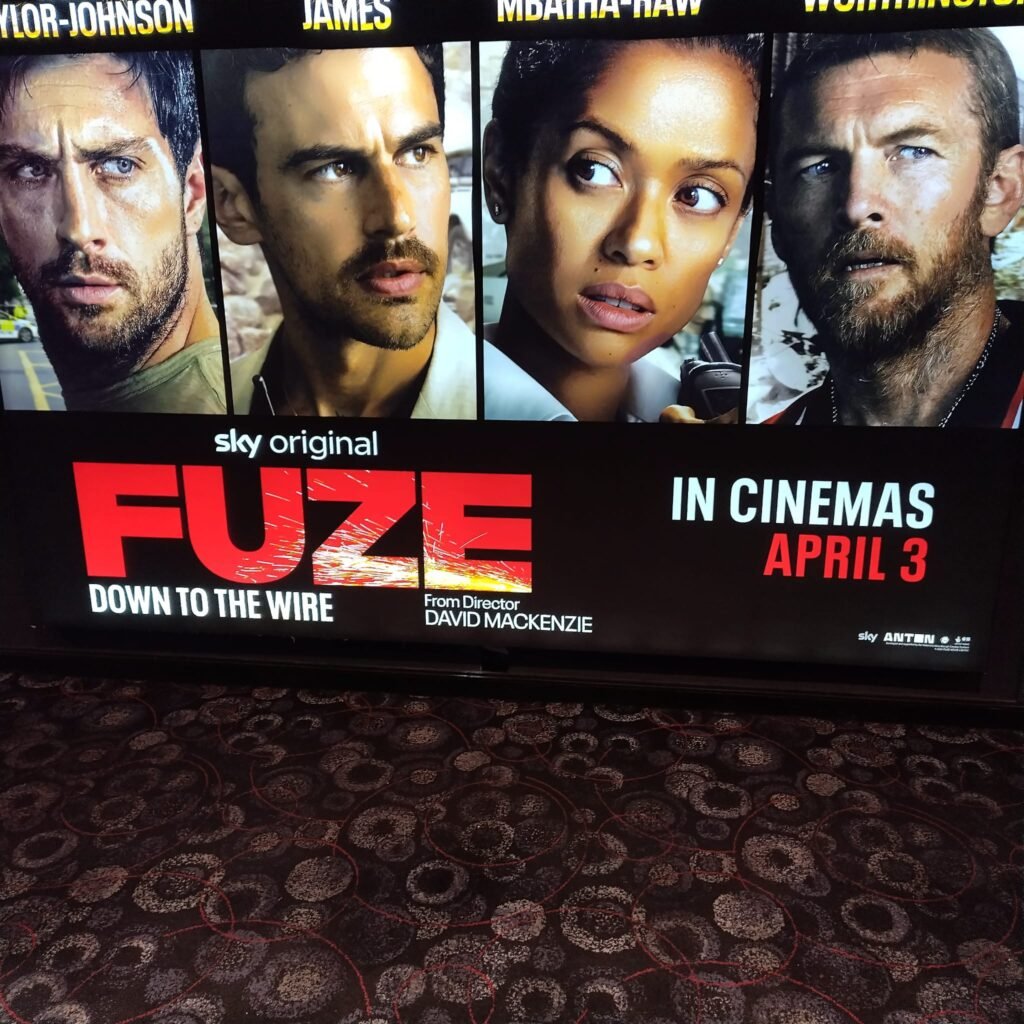
Fuze 2026 Film Review: London’s Hidden Bomb Threat
Fuze (2026) Review (Warning Contains Spoilers)
Film review on Fuze 2026 movie – it is an analysis you should read before watching the movie. Fuze is a movie that is based on a frightening yet realistic idea.
What seems to be just another ordinary day in London changes into mayhem when an old unexploded bomb from WWII is found.
The main character of this movie is the bomb disposal expert played by Aaron Taylor Johnson
Elsewhere, an intricately devised bank robbery takes place. The juxtaposition of order and chaos creates movement within the narrative.
Explosives from the wars of yesteryear are unearthed in the present-day cities. This is enough to lend the film its element of reality.
It was in early 2024 that the project caught people’s attention. David Mackenzie was involved in the project from the very start, acting as the director.
This was not by chance because David Mackenzie had already collaborated with Taylor-Johnson on the film called “Outlaw King.”
The simple structure of the script appealed to Mackenzie. The script did not require any complex or experimental elements. Rather, it focused on tension, timing, and character more than anything else.
David Mackenzie’s Direction

The entire career of Mackenzie has been about putting the common genres down on earth. Fuze does exactly that for him.
Instead of trying to recreate the genre from scratch, he focuses on enhancing its essential parts. He creates suspense using real-time tension and converging narratives.
Moreover, reliable partners were also responsible for developing the overall tone of the film.
Filming was carried out across the various parts of London in the summer of 2024. Actual locations were utilized instead of artificially constructed studios.
Obviously, the shooting process presented a host of difficulties in one of the busiest cities around. Nonetheless, it greatly enhanced the authenticity of the film. The sense of realism is so crucial to the film.
Mackenzie comes up with an approach for his movie that is characteristic of his previous work. He sticks to being realistic and putting the characters and their emotions first.
Nothing is overdone. For this reason, the basic idea of the movie remains credible even though the stakes grow higher. It is important to pay special attention to Mackenzie’s approach to pacing.
Moreover, restraint dictates his important directorial decisions. He does not use quick cutting and extravagant actions but creates suspense.
He lingers over scenes longer than needed. It is amazing how much power silence and ambiguity hold. Such an approach works perfectly well during bomb defusion scenes.
Suspense is created by anticipation rather than what one sees. Mackenzie employed such an approach in Hell or High Water too. In that film, setting and characters counted as much as plot.
Visual Style
Fuze employs a style of naturalism in its visual representation all throughout. The use of handheld cameras adds to the documentary feel of each scene. The city of London appears to be very real because of it.
Moreover, Mackenzie is quite successful in dealing with the double plot line. He allows the bomb threat and the robbery to intertwine and merge with each other.
The viewer sees that they are tightly interwoven step by step. Such approach is much more interesting than mere explanation and is perfect for the movie.
In addition to this, he gets nuanced performances from his cast. The performance of Taylor-Johnson is a clear example of the same.
Smaller changes in facial expressions and physicality make up for larger emotional events.
Bomb Disposal Authenticity
Bomb disposal scenes are amongst the best aspects of the movie. Mackenzie has used understatement in handling these scenes instead of overstatement.
Sudden heroic acts do not take place. Scenes revolve around procedural details, waiting, and stress. This in itself makes things believable to the audience.
A great deal of that realism comes from how the process appears on screen. UK bomb disposal involving unexploded WWII ordnance follows strict protocols.
The film reflects that accurately. Controlled environments, careful communication, and thorough risk assessment all feature prominently. Tension comes from the absence of margin for error, not from flashy visuals.
The acting of Taylor-Johnson reinforces that even further. His performance in the scene is confined yet deliberate.
Throughout the whole process, he remains attentive and calm. That corresponds to the manner in which real bomb disposal specialists learn to act during their training.
Everything always seems to be a couple steps ahead of mindless reactions.
That said, Fuze does not hesitate to take creative liberty when telling its story. Timelines get shortened, which happens almost inevitably in movies.
Specific events are emphasized for dramatic effect and relevance to the heist storyline. But the reality is that operations dealing with live bombs would take much more time than what the movie depicts.
Nevertheless, it manages to maintain an impressively convincing tone throughout the film. It is not meant to be a documentary at all times.
Nevertheless, it shows such respect for the profession of bomb disposal that it manages to keep the story convincing enough to watch.
Themes and Performances
There is an impressive amount of skill involved in how Fuze deals with its themes. Mackenzie never comes right out and says anything about the topic at hand.
At its root, the movie centers on the concepts of pressure and decision making in difficult situations. This theme exists in both plots at once.
Additionally, there is a clear recurring theme concerning control vs. chaos. The bomb is an example of past conflict intruding into the present day.
The bank robbery is an example of a plan for creating chaos. Mackenzie never over-explains the connection. These two themes operate not only on a level of interest, but on a level of intrigue.
Professionalism under pressure emerges as another key theme. The film shows systems and procedures holding even as things unravel.
Taylor-Johnson’s character embodies discipline and responsibility throughout. It is less about traditional heroism and more about competence and calm.
A final theme which becomes quite apparent is that of professionalism under pressure. The film demonstrates that despite the situation getting out of control, certain systems and processes remained intact.
The main character portrayed by Taylor-Johnson displays discipline and professionalism at all times.
The Cast
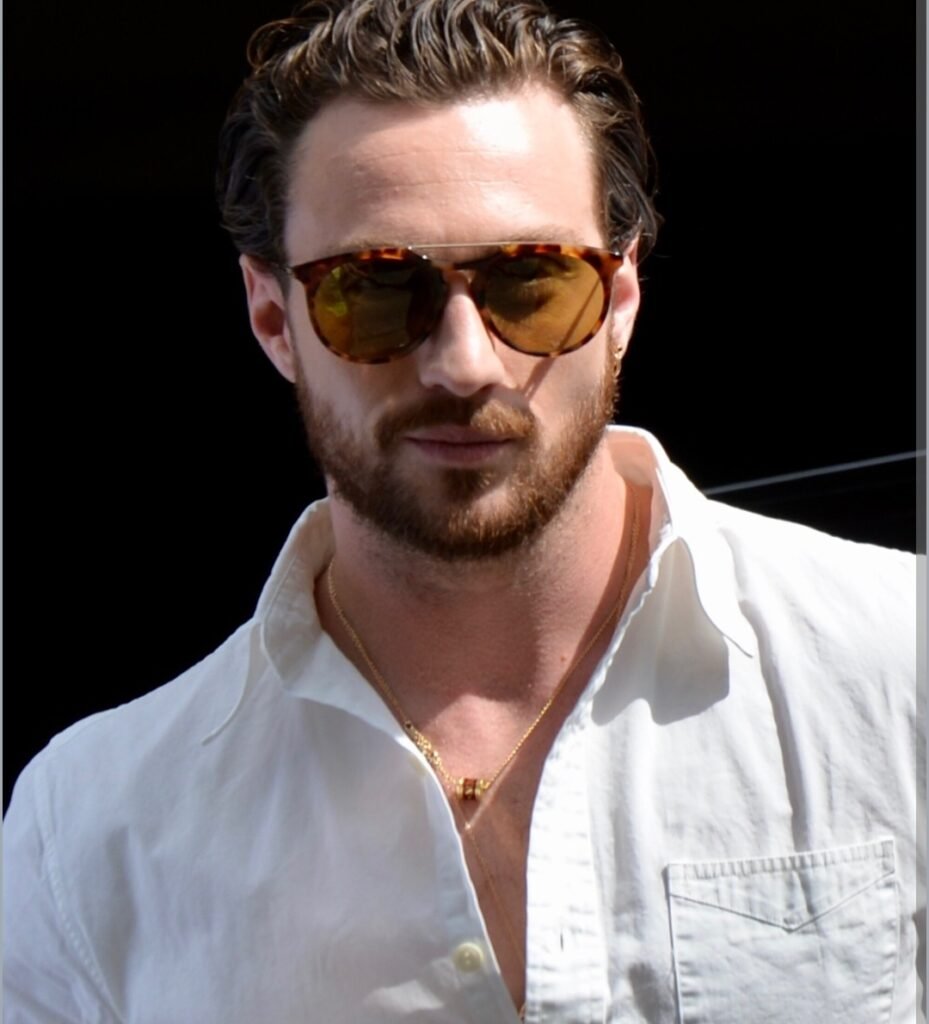
The performances in Fuze are inconsistent on the whole, though. Nevertheless, the main actors deliver decently for the most part. It is Taylor-Johnson who carries the film successfully.
The acting style of the actor fits the character well. He pays attention to small things instead of being emotional all the time. It makes the tense moments in the movie credible and realistic.

Theo James is more difficult to deal with. The accent may sometimes be inconsistent. In particular, it is not always compatible with the natural acting style he shares with other cast members.
Yet, it does not totally destroy his portrayal. But it does make one feel detached from some sequences, which should not happen for a realistic story like this one.
By contrast, Sam Worthington provides some of the strongest support in the picture. He conveys authority in everything that he does.
There is not an abundance of material written for him in the script. Despite that, there is nothing about his performance that is unrealistic, as he comes across as very believable and seasoned. There is gravitas attached to his decision-making process.

Similarly, Gugu Mbatha-Raw brings a calm demeanor. She perfectly suits the down-to-earth nature of the movie effortlessly.
Just like many other actors in the cast, she uses the element of subtlety a lot in her acting. It is more about the small facial expressions and the mannerisms that come with them.
She blends in well with the surrounding scenes instead of competing with them.

There may be one slight criticism that is aimed at the writing more than her performance. The script doesn’t give her character as much attention as it should have done.
She never really gets her character on the same level as Taylor-Johnson’s. But within her limitations, she fits the part perfectly.
Final Verdict
Fuze is a film with many great parts but does not come together as a whole quite yet. The tension and realism work brilliantly here.
David Mackenzie directs with a tight control on everything, which works to his advantage especially when it comes to the bomb disposal scenes. They seem authentic, real, and truly tense without any need for action excess.
That grounded approach carries through the whole film. It gives everything a consistent and believable tone. Taylor-Johnson’s central performance is a big part of that too.
He anchors the story with a calm and convincing presence. The role suits him perfectly.
On the whole, the casting is a good choice for the movie. Sam Worthington contributes gravitas to his character in every appearance.
The subtle, natural performance of Gugu Mbatha-Raw is evident in every scene. Their roles are even more authentic despite being constrained by the poor screenplay.
The only aspect where it fails to impress is in balance and complexity. It seems like the heist element in the plot was not explored as well as it could have been, and at times it appears inferior to the other main theme, despite being crucial for the structure.
Inconsistencies in performance also come into play. Theo James’s accent becomes an impediment at times.
For a movie that aims for so much realism, such minor inconsistencies become all the more apparent. Not a deal breaker, but immersion-breaking nonetheless.
However, although the themes can be detected, they do not go as far as they could have gone.
For example, the theme of control and chaos, among others, can be identified in the movie. Nevertheless, they only stay behind the scenes, never being developed enough.
Indeed, it seems that suspense takes preference to depth in this thriller movie.
On the whole, Fuze turns out to be an interesting thriller. Good acting and a good concept keep Fuze on its toes.
Fuze becomes really interesting when it concentrates on reality and tension. The dual story line is not quite in tune with each other and the meaning behind Fuze is not very profound either. However, I strongly recommend that you watch Fuze.