Man on Fire TV Series Review: Gritty Revenge Drama
A Brooding Reinvention
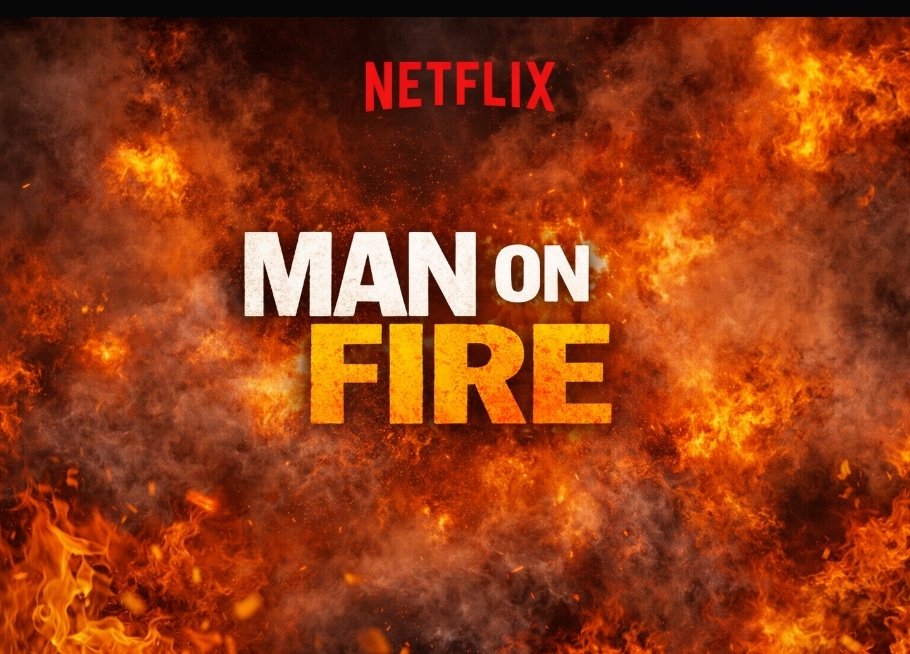
Man on Fire TV Series adapts A. J. Quinnell’s 1980 novel into a dark, character-driven television drama. The series delivers a balanced combination by blending emotional weight with controlled action.
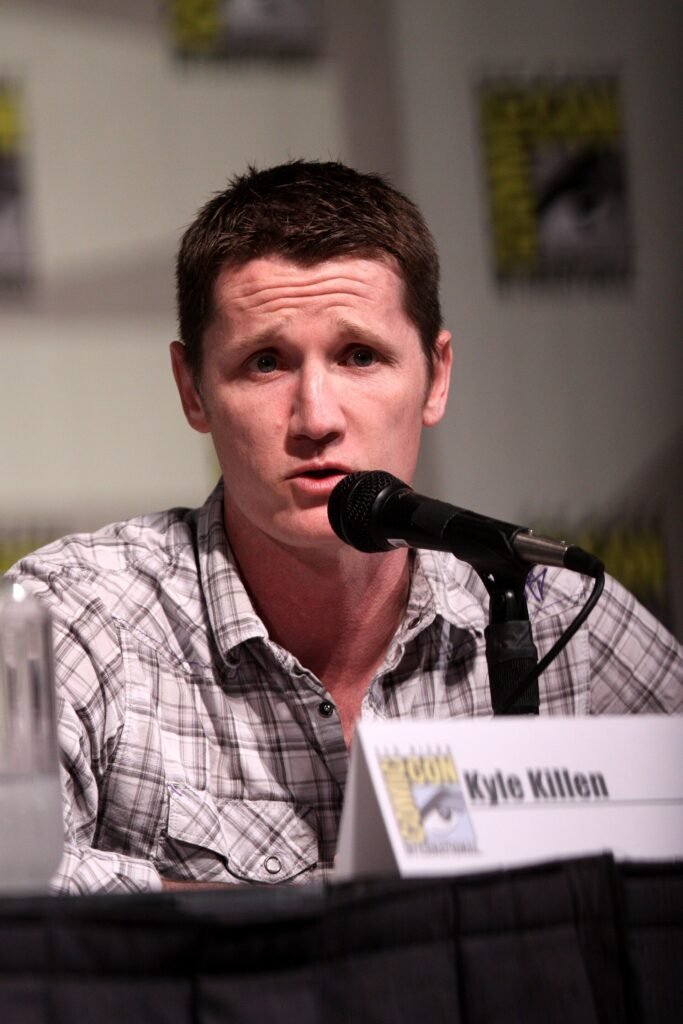
Showrunner Kyle Killen reshapes the story for modern audiences focusing on loss, redemption, and vengeance throughout the narrative.
Yahya Abdul-Mateen II stars as a damaged former mercenary who seeks some sort of fulfillment in his life. The quest starts off well-intentioned and soon takes on a darker and more destructive turn.
In its overall theme and treatment, the show tries to move away from the stereotypical conventions. It looks into the psychological price of violence and the corruption of morality. Such an approach adds to the gravitas of the show.
Legacy and Cultural Weight
The story carries a strong legacy from previous adaptations. Denzel Washington defined the role in the 2004 film version.
This was an emotionally restraining work that left its mark on the viewers’ and reviewers’ minds. The series is based on the film and tries to build up on it. This is done through delving deeper into the psyche of the characters.
Television provides room for greater detail regarding backstory and motivation. It offers room for reflection in storytelling. But, on the other hand, this creates some problems. The story lacks urgency at a number of crucial points.
Why This Adaptation Works Now
The original novel contains an everlasting emotional concept. An embittered individual gains meaning by defending a defenseless one. The meaning is destroyed, and it compels him into seeking vengeance.
Today’s televisions lean towards character-driven plots than spectacle, and the streaming services accommodate such long-running and deep-rooted stories. This is why the “Man on Fire” series falls perfectly well within this mold.
Given this situation, there were some reasons why the creators went back to retell this story.
Episode Structure and Season Flow
The structure of the season is very much planned and, for the most part, very slow. In the early episodes, the development of character and setting is of utmost importance. The first few episodes do a great job in setting tone and motivation.
Problems arise with consistency and pacing in mid-season episodes. There is no evident progression to certain plot developments. The pace slows down significantly in these episodes. The plot becomes less cohesive and coherent. Later episodes become more coherent again.
The finale delivers emotional weight but not complete satisfaction. It resolves key elements while leaving others underdeveloped.
Cinematic Style and Direction
The series uses a cinematic technique rather than a television one.
It utilizes dimmed colors, careful framing, and slow camera movements. The scenes are stretched out to create an ambience, which provides intimacy even with the violence portrayed.
The series does not constantly have energetic action scenes but leads up to unexpected explosions of violence. The action is real and realistic without any exaggeration. It is also quite grounded in terms of physical consequences. However, this technique may prove frustrating for the audience.
Does the Style Translate Well?
The film aesthetic suits the small screen very well. It lifts the series beyond run-of-the-mill action television. Lighting and framing are maintained through all episodes. In this way, the series gains cohesion and immerses viewers visually.
The series does not become overly artistic.
It manages a fine balance between being artistic and being clear. Nevertheless, in order to be sustainable for television, the style sometimes gets toned down.
This restraint prevents visual fatigue. It supports the emotional focus rather than distracting from it.
Pacing Problems and Narrative Stretching
The story becomes more complex in terms of structure within the series. It creates some problems with the pace. Some scenes are slow to develop the characters. But not all of them can be justified by the plot.
Sometimes, the pace stops completely. Everything starts to seem unnecessary because there is no progress being made under the surface anymore. Tension is something that should build steadily throughout the series.
Viewers who enjoy being constantly excited will become uninterested. For those who are interested in the characters themselves, this would not matter much. This inconsistency in the pace of the show is one of its greatest disadvantages.
Themes of Violence, Grief, and Redemption
The series begins with an emotionally broken main character. Instead of seeking redemption, he is seeking meaning. His fall into revenge seems like an almost predetermined course of action. The story is not portrayed as being particularly heroic or glorious.
Violence becomes the corrosive element. Each act further destroys whatever shred of humanity the main character retains. The series does not glorify violence.
The aspect of grief is very important for the story. It determines the character’s actions and emotions. The key relation serves as the foundation of the story. It changes the plot to become a personal tragedy.
Character Relationships and Emotional Core
The core relationship is pivotal to the whole series. This connection grows gradually via a process of building trust, openness, and common experiences. The relationship reinvigorates the protagonist with new hope and direction.
As soon as this link is severed, there comes an abrupt change in the story. The story transitions from a protective nature to a destructive one. Relationships can be used to provide depth to the protagonist’s experiences. Some, however, lack proper development.
Performance: A Difficult Comparison
The performance given by Abdul-Mateen II is one of restraint and reflection. There are a lot of vulnerable moments portrayed here as well as inner struggle. This fits the pace of the series well.

But it lacks the commanding quality found in Washington’s portrayal. This portrayal had an intense, emotionally nuanced quality about it. This comparison is hard to avoid for most people who watch the film.
Abdul-Mateen II, however, does manage to bring authenticity to his portrayal.
Supporting Cast and World-Building
One of the strengths that Alice Braga maintains is that she is consistently good. This comes in terms of having power, nuance, and credibility in her performances. In some cases, she can salvage poorly made scenes.

Supporting characters do not have such developed backgrounds. Sometimes they simply use genre stereotypes. In addition, it is relevant for the depiction of a criminal society in general.
There was an attempt to create a multifaceted setting in the TV series. But sometimes there were problems with its realization.
Story Structure and Clarity Issues
There are multiple timelines that have been juggled through the story, but they do not connect well at times. There is a sense of fragmentation within the episodes since they are neither self-contained nor structurally sound.
The withholding of information serves to make the show mysterious, but it can cause confusion for the viewer. The motivations within the story line seem to be underdeveloped.
The story works best when it focuses on the central arc. Clarity improves when distractions fall away.
Writing: Strong Ideas, Uneven Execution
The writer grasps the emotions involved in the story well. The themes of loss, loyalty, and ethical dilemma are conveyed with purpose. The show is definitely ambitious in terms of its themes. It seeks to achieve depth rather than simply entertaining the viewers.
But there seems to be inconsistency with regard to the execution of the show. The story often lacks coherence. Sometimes the plot is well set up but poorly wrapped up.
Tone shifts between grounded drama and familiar clichés. This inconsistency affects immersion and credibility.
Comparison to the Film
In terms of narrative style, the 2004 movie is fast-paced and intense in its delivery. There is no letup or pause for breath throughout the entire storyline. This contrasts with the series, which adopts a broader and more relaxed style.
This has the advantage of allowing for greater analysis of themes. However, it weakens the immediacy of the plot. In essence, the 2004 movie is tighter, while the series is broader.
Final Verdict
The Man on Fire has some excellent source material and a well-proven idea behind it. It features some good emotional elements and maintains a very serious and grounded tone throughout. In this sense, the show excels by exploring trauma and moral ambiguity. Moreover, the show has great performances and is shot like a movie.
Still, the weak plot pacing and structure are major problems for this show. They affect how compelling and coherent the story turns out to be. Despite all that, the show still manages to capture viewers’ attention.